Crochet spiderweb boleros sit somewhere between costume piece, light layer, and dramatic handmade accessory. Some designs are true shrug shapes with sleeves, while others lean toward cropped tops, ponchos, shawls, or wraps that give the same webbed shoulder-layer effect.
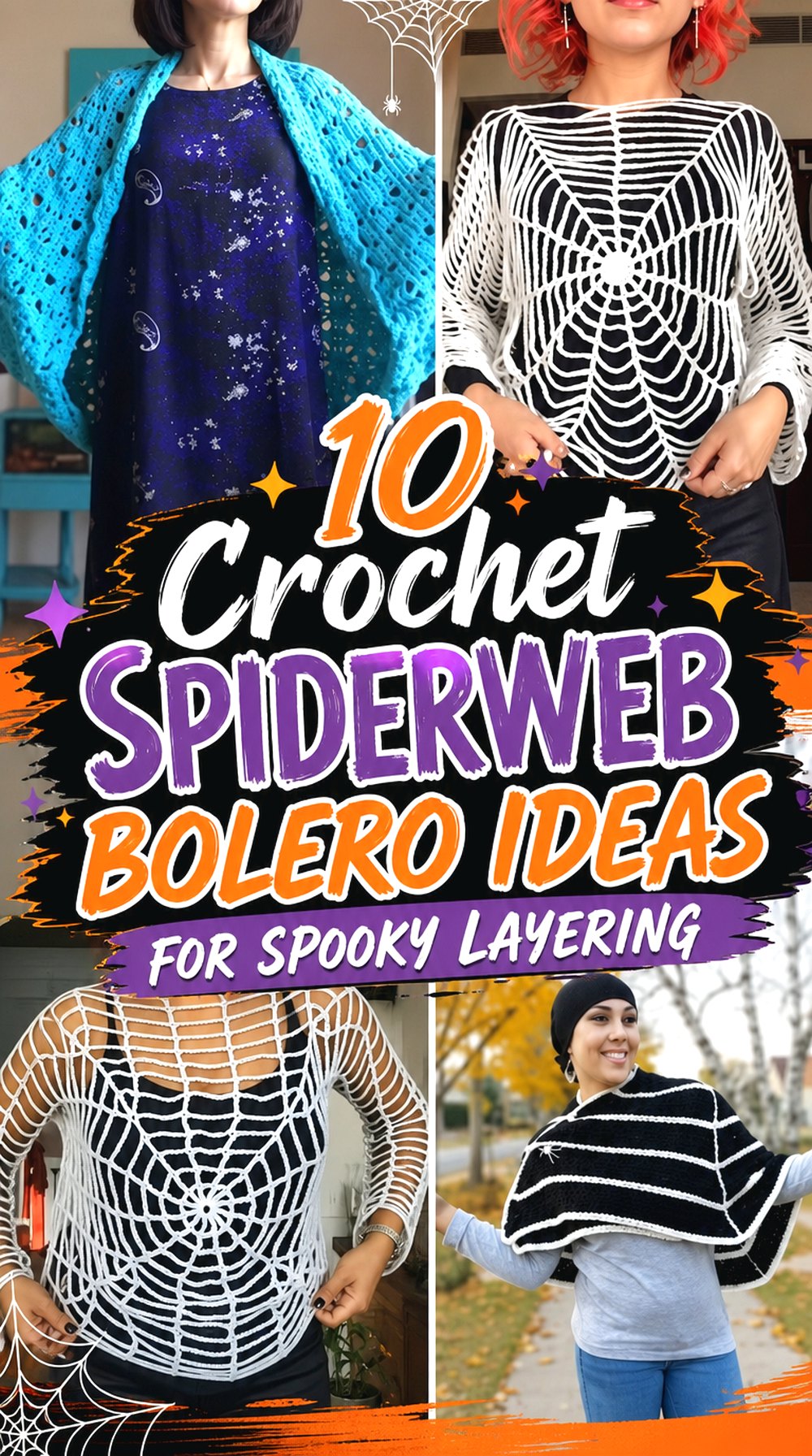
This list focuses on wearable spiderweb projects that can inspire a bolero-style look for Halloween outfits, gothic layering, festival styling, or a bold handmade statement piece. The main differences are coverage, sleeve shape, neckline, web placement, and how much the finished item functions as a garment versus a draped layer.
Use the project notes to compare shape before choosing a tutorial. For exact stitches, sizing, joining, and finishing, follow the original creator’s YouTube tutorial linked under each idea.
Quick List
- Crochet Classic Spiderweb Shrug Bolero
- Crochet Spiderweb Shrug With Sleeve Options
- Crochet Long-Sleeve Spiderweb Bolero Top
- Crochet Hooded Spiderweb Bolero Sweater
- Crochet Compact Spiderweb Crop Top
- Crochet Heart-Center Spiderweb Top
- Crochet Glow-in-the-Dark Spiderweb Layering Top
- Crochet Spiderweb Poncho Bolero Wrap
- Crochet Spiderweb Shawl Wrap
- Crochet Spiderweb Cape and Poncho Layer
What to Compare Before Choosing a Spiderweb Bolero
The first choice is coverage. A true shrug or bolero usually frames the shoulders and arms, while a spiderweb top gives more front-and-back body coverage. A wrap, shawl, or poncho can still create the same spooky web layer, but it will sit and move differently.
Sleeves matter too. Some spiderweb projects have fitted sleeves, bell sleeves, short sleeves, or no sleeves at all. If the finished piece will be worn over a dress, tank, corset, or long-sleeve base, check the armhole shape and back view before starting.
The web layout also changes the look. A single large web feels bold and graphic, while a cape or wrap may spread the web design across the shoulders. Confirm size information, written support, and material notes before buying yarn.
Crochet Classic Spiderweb Shrug Bolero
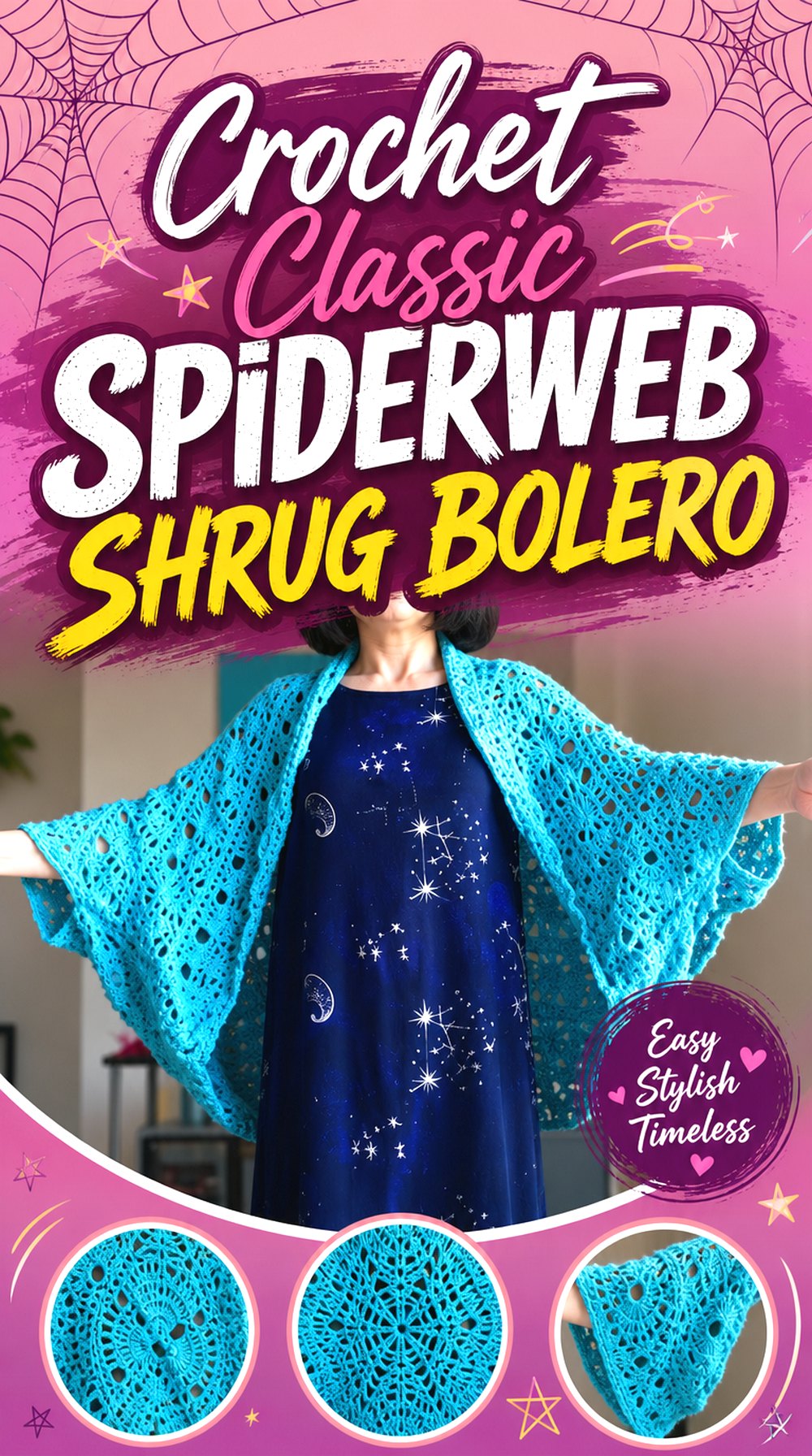
This spiderweb shrug is one of the closest matches for a true crochet bolero shape. The finished idea focuses on a webbed back and shoulder-covering silhouette, making it useful when the goal is a light Halloween layer rather than a full sweater.
The open web design keeps the piece visually dramatic, while the shrug format helps it sit around the arms and upper body. It is a good option for readers who want a wearable spiderweb piece that clearly reads as a bolero-style layer instead of a separate shawl or decoration.
Back Web Placement Sets the Look
The main visual feature is the spiderweb layout across the shrug area. That placement matters because it decides whether the finished piece reads as a costume accent, a gothic layer, or a statement over a plain outfit. Readers should look closely at how the web sits when worn and compare it with the clothing they plan to layer underneath.
Arm Coverage Is the Key Fit Point
For a bolero-style garment, the arm opening and shoulder position are just as important as the web itself. A finished shrug can look very different depending on how closely it sits around the upper arms. Before beginning, viewers should check whether the tutorial shows the piece worn from enough angles to judge the sleeve and shoulder coverage.
Material Notes to Review First
The tutorial description identifies this as a step-by-step spiderweb shrug and mentions treble stitch. Readers should still confirm the full material list directly from the creator before choosing supplies, especially if they want a softer drape, a firmer web shape, or a different seasonal feel.
Crochet Spiderweb Shrug With Sleeve Options
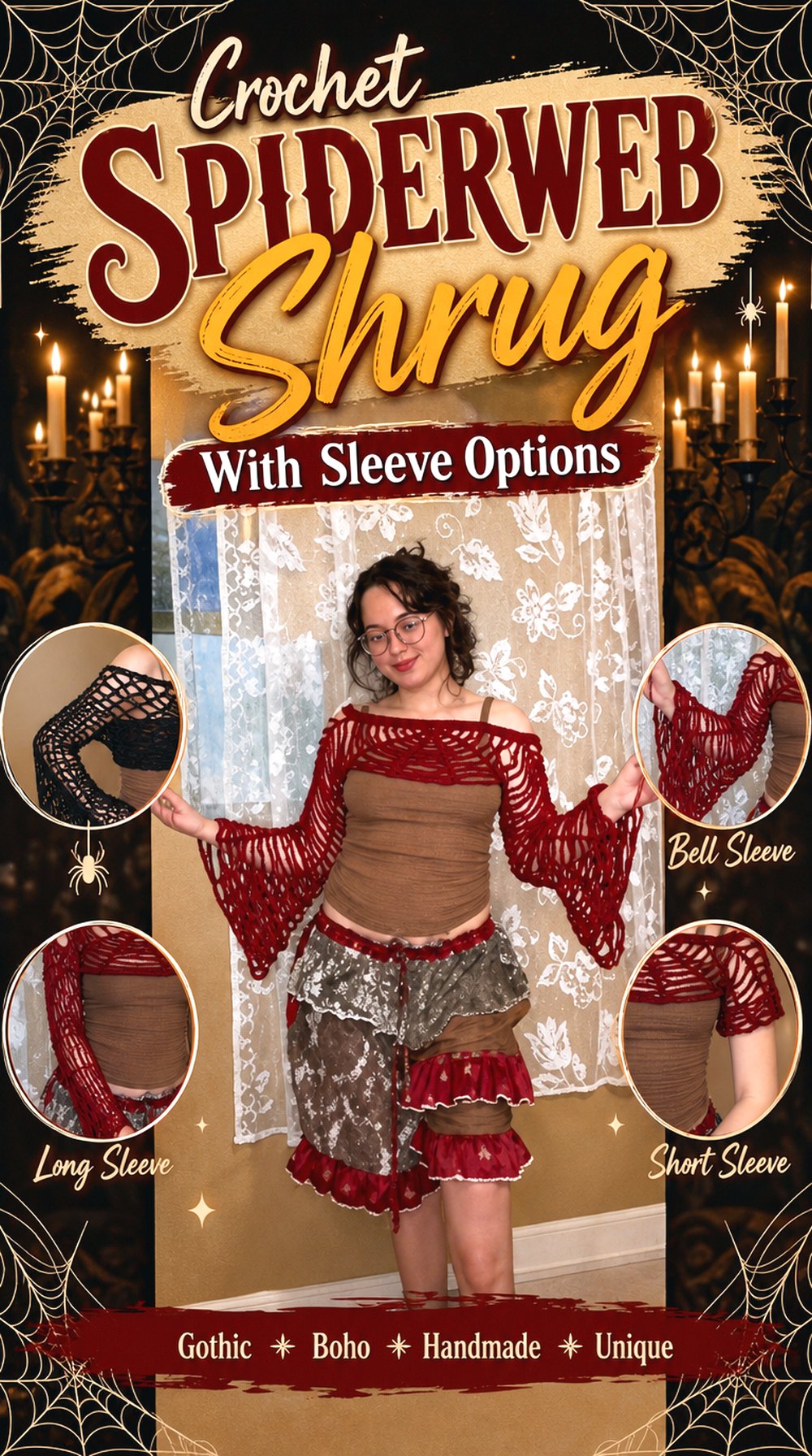
This spiderweb shrug tutorial stands out because the source includes separate sections for bell sleeves and straight sleeves. That gives the finished idea more styling range than a single-shape shrug, especially for readers deciding between a dramatic sleeve and a cleaner everyday outline.
The project uses front and back panels, then moves into joining and sleeve work. From a reader’s point of view, the appeal is the full spiderweb garment shape: it can feel like a cropped top, shrug, and bolero layer at the same time, depending on how it is styled.
Bell Sleeve or Straight Sleeve Decision
The sleeve choice is the most useful detail here. Bell sleeves create a softer, more dramatic shape around the arms, while straight sleeves keep the outline more controlled. Readers should decide which version fits their outfit before starting, because the sleeve finish changes the whole mood of the finished spiderweb layer.
Joining Sections Need Attention
Because this project includes panel joining, viewers should pay close attention to where the pieces connect. That connection affects neckline size, arm movement, and how the bolero-like shape sits on the body. It is worth watching the joining portion first so the finished web placement makes sense before the project is underway.
Shoulder Finish Changes the Edge
The source timestamps mention shoulder top-stitching sections. That detail matters because the shoulder edge can either blend quietly into the garment or become part of the visible finish. Readers who want a clean bolero look should compare the shoulder finish with the sleeve style they plan to use.
Original Tutorial and Creator Credit
Creator: Alex Alette
Crochet Long Sleeve Spiderweb Bolero Top
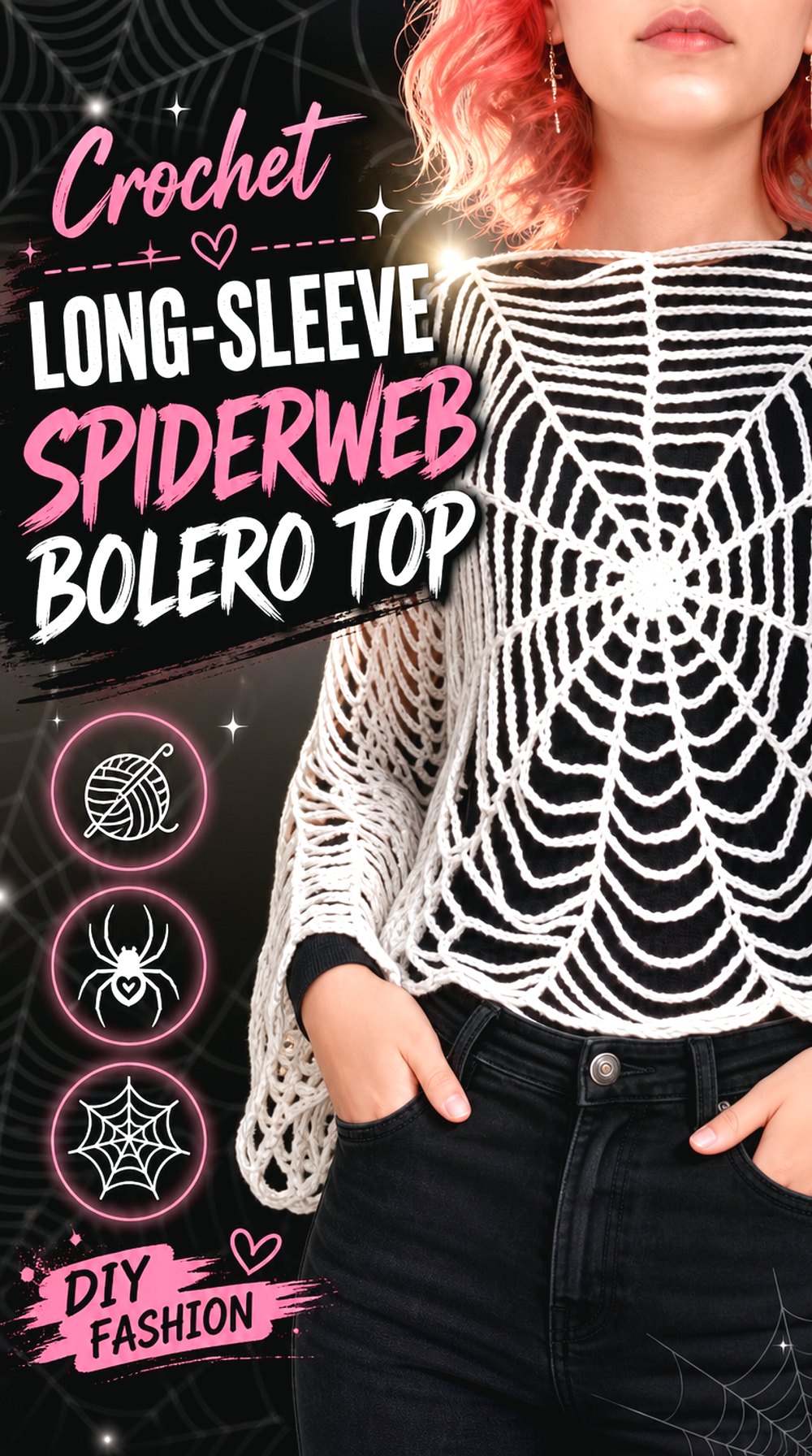
A large spiderweb motif gives this long-sleeve top a strong bolero-inspired look, especially when worn as an openwork layer over a fitted base. It is more of a spiderweb top than a traditional shrug, but the cropped, sleeve-focused shape makes it useful for readers searching for a webbed bolero effect.
The creator’s tutorial is arranged around yarn, panels, joining, and sleeves, so the finished project has clear garment structure rather than just a decorative web. This option suits readers who want the spiderweb to be the main front-and-back feature.
The Panel Shape Controls the Fit
This design depends on panel size and placement, so the fit should be checked carefully. A web panel that is too small may feel more like a decorative patch, while a larger panel can give fuller body coverage. Readers should compare the creator’s panel layout with their own preferred garment length and coverage needs.
Sleeves Make It More Wearable
The sleeve sections turn the web motif into a complete layering piece. That matters for a bolero-style look because sleeves help the garment stay in place and make it easier to wear over a simple top or dress. Watch the sleeve area carefully, especially where it meets the body panel.
Written Support May Help With Tracking
The video description points readers toward a written pattern link. For a webbed garment with repeated open spaces, written support can make it easier to track progress without reconstructing anything from memory. Viewers who prefer written references should check the creator’s linked resources before starting.
Original Tutorial and Creator Credit
Creator: threaderie by m.
Crochet Hooded Spiderweb Bolero Sweater
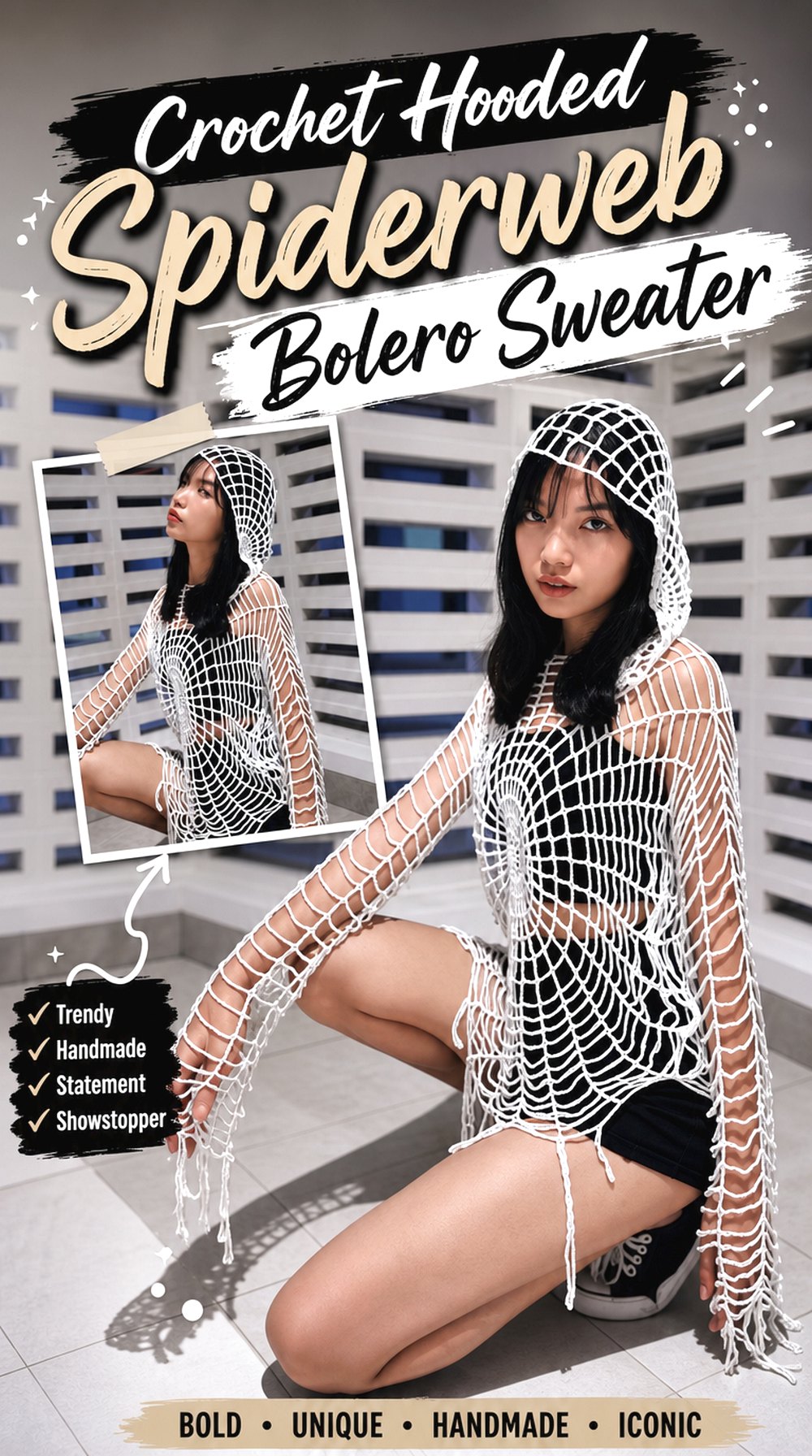
This spiderweb sweater has a hooded shape, which makes it feel different from the shorter shrug-style options. Instead of only framing the shoulders, it brings the web motif into a fuller upper-body layer with a more costume-ready silhouette.
The hood gives the finished piece a stronger Halloween or gothic outfit direction. Readers who want a spiderweb bolero idea with more presence may prefer this one, especially if they like the look of a cropped sweater layer rather than a narrow shrug.
The Hood Adds Costume Weight
A hood changes how the finished garment reads. It can make the spiderweb layer feel more dramatic, but it also adds more visual weight around the neckline and back. Readers should decide whether they want that hooded effect or whether a simpler open-neck shrug would fit better with their outfit.
Coverage Is Fuller Than a Basic Bolero
This option appears closer to a sweater-style layer than a minimal bolero. That can be helpful for styling over fitted pieces, but it may not give the same delicate shoulder-only look as a true shrug. Check the front, back, and side views to see how much body coverage the finished piece provides.
Size and Drape Need Careful Checking
Because this is a garment with a hood and sleeves, size details matter more than they would for a flat web accessory. Readers should review the creator’s notes on materials and sizing before buying supplies. Yarn choice can affect whether the finished web looks soft, open, structured, or heavy.
Original Tutorial and Creator Credit
Creator: Chenda DIY
Crochet Compact Spiderweb Crop Top
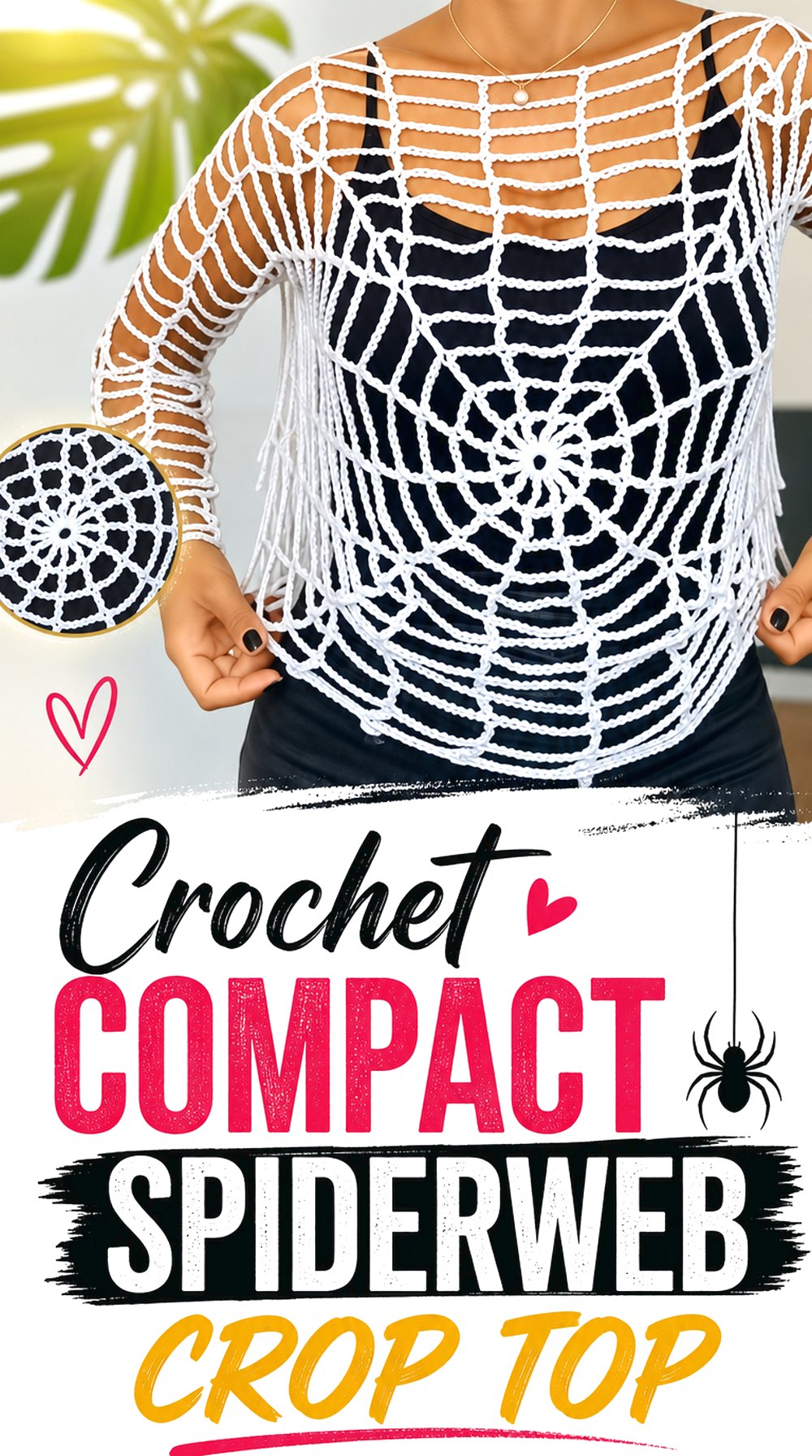
This spiderweb crop top is a smaller wearable option for readers who want the web motif without a large wrap or poncho shape. The source description identifies the finished size as small to medium, so it is especially important to confirm fit before choosing it as a bolero-style layer.
The design can work as a dramatic top on its own or as a webbed piece over a fitted underlayer. Compared with fuller shrugs, this choice keeps the focus tight and compact, with less extra fabric around the shoulders and body.
Compact Fit Needs Measuring
Since the source gives a small-to-medium size note, readers should not assume the finished piece will fit every body or layering plan. It is better to compare the garment shape with personal measurements before starting. This matters even more if the top will be worn over another layer instead of directly as a crop top.
A Good Option for Less Bulk
The smaller shape may appeal to readers who want a spiderweb look without a cape-like amount of fabric. It can sit more cleanly under jackets or over simple base layers. The tradeoff is that it may offer less shoulder coverage than a true bolero, so the intended outfit should guide the choice.
Extra Finishing Details Are Worth Noting
The source description lists optional needle and thread among the supplies. That suggests readers should review the finishing details before beginning, especially if they prefer a crochet-only project or want to avoid extra sewing. Confirm what is optional and what is needed for the finished result.
Original Tutorial and Creator Credit
Creator: CrochetbyJen
Crochet Heart Center Spiderweb Top
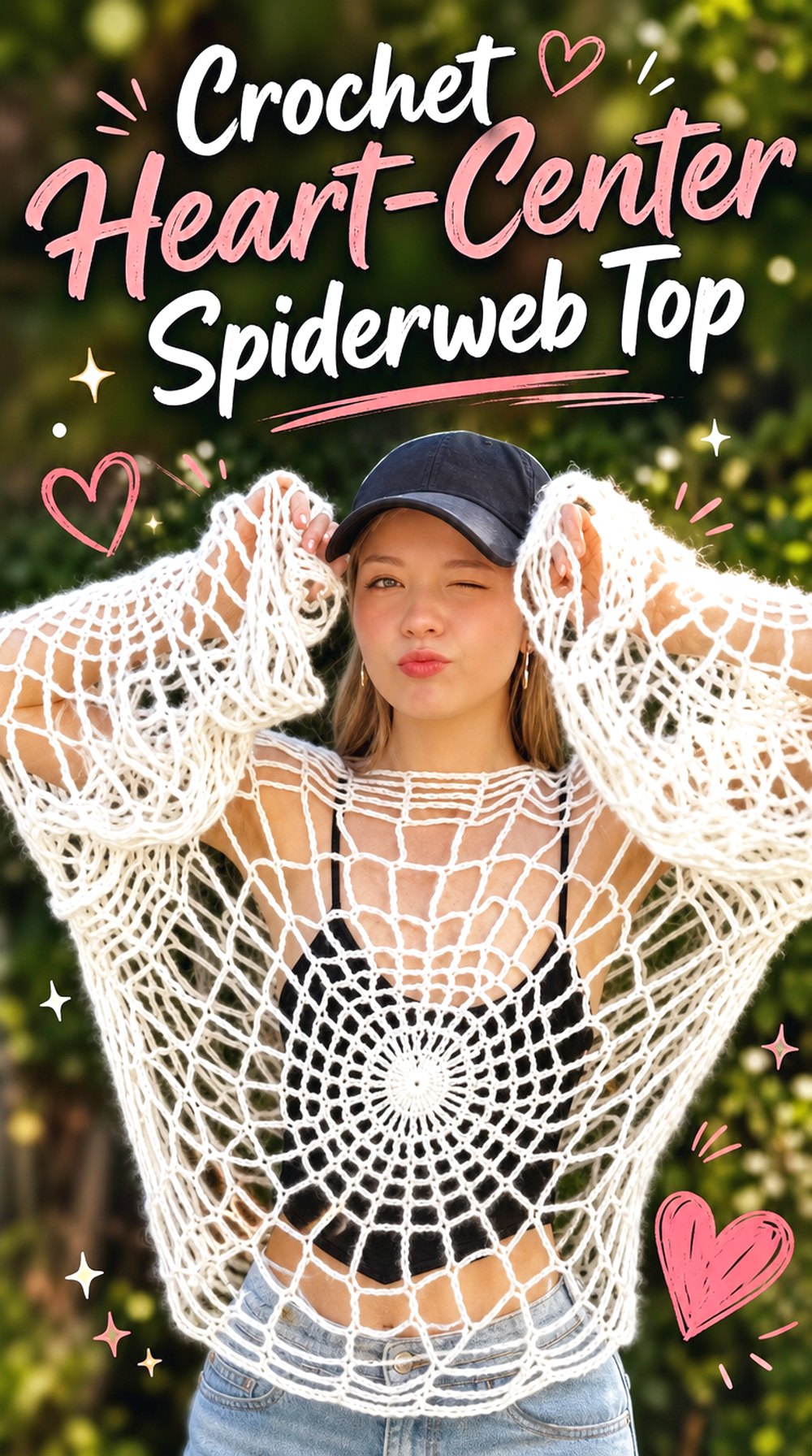
This spiderweb top adds a heart detail in the center, giving the finished project a softer twist on the usual spooky web look. It is still clearly spiderweb-inspired, but the center motif makes it feel more decorative and less strictly Halloween costume-like.
As a bolero idea, this works best for readers who want a webbed layering top with a focal point at the front. The shape is useful to compare against plainer web designs because the heart changes where the eye lands when the piece is worn.
The Center Motif Changes the Mood
The heart detail makes this project feel more playful than a plain web. That can be useful for readers who want a spiderweb layer that still feels cute or romantic. Before choosing colors, consider whether the heart should stand out strongly or blend into the rest of the web.
Slouchy Styling Should Be Planned
Available source notes describe the creator’s version as intentionally larger for a slouchy look. That kind of fit can work nicely as a loose layer, but it may not behave like a fitted bolero. Readers should decide whether they want soft drape or a closer shape before following the tutorial.
Fiber Choice May Affect the Web
The source notes mention a mohair yarn in the example. Fuzzy yarn can soften the web lines, while smoother yarn may make the spokes look cleaner. Viewers should check the creator’s material details and decide whether they want a hazy, soft effect or sharper stitch definition.
Crochet Glow in the Dark Spiderweb Layering Top
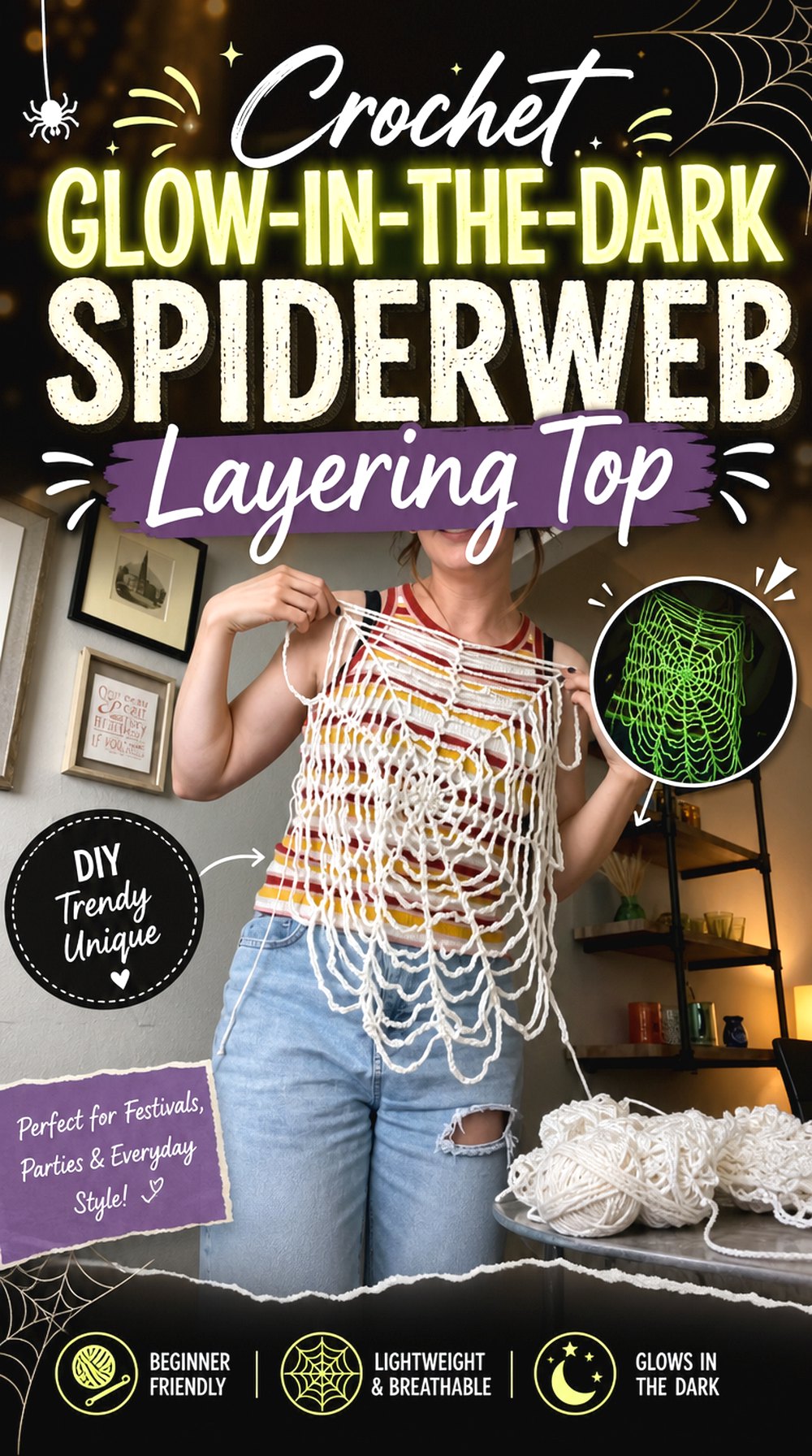
This spiderweb top has a strong novelty angle because the source describes it as using glow-in-the-dark yarn. That makes it especially useful for Halloween events, night parties, or costume styling where the yarn effect is part of the finished look.
The project is described as front and back panels, so it has more garment structure than a single flat web. For a bolero-style outfit, it could act as the main statement layer over a plain base, with the glow effect adding interest beyond the stitch pattern itself.
Glow Yarn Is the Main Feature
The glow effect is the reason to choose this project over a regular black spiderweb top. Readers should still confirm the yarn information directly from the source and check how the finished fabric appears in normal light as well as darker settings. The project should look good before the glow effect becomes visible.
Front and Back Panels Add Coverage
A panel-based top can give more body coverage than a narrow shrug. That may be useful for readers who want a full spiderweb top rather than only sleeves and shoulders. It also means fit matters, so viewers should compare the panel shape with their preferred layering style before starting.
Visibility Depends on the Full Outfit
Because the glow yarn is part of the design, the underlayer matters. A busy shirt or dress underneath may compete with the web pattern. A simpler base can help the web shape remain readable, especially if the finished top is intended as the main Halloween accessory.
Original Tutorial and Creator Credit
Creator: Beebe Doe
Crochet Spiderweb Poncho Bolero Wrap
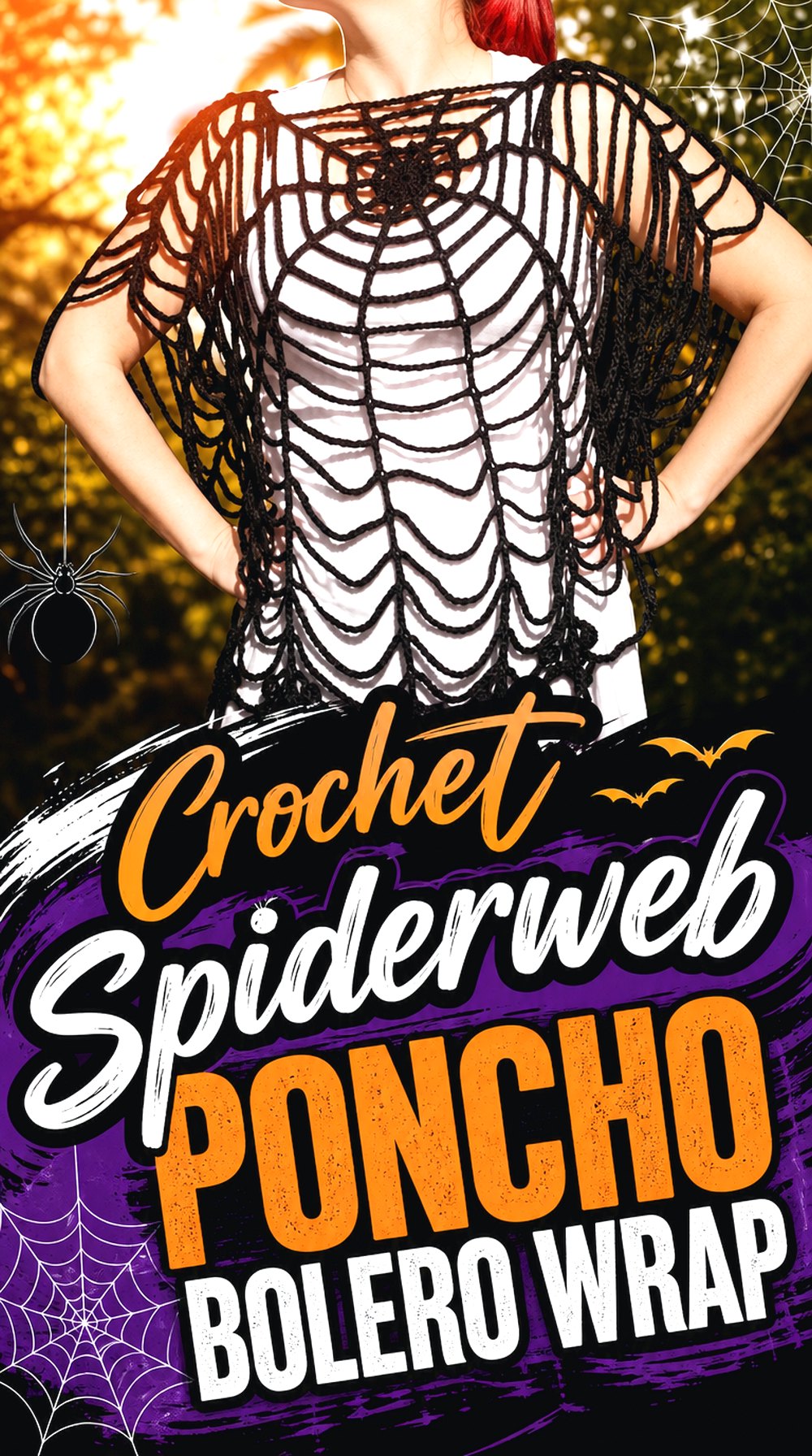
This poncho-style spiderweb project is wider and more draped than a fitted bolero, but it belongs in the same styling family because it creates a webbed shoulder layer. It is a good direction for readers who want dramatic coverage without worrying as much about sleeve shaping.
The finished idea can work as a costume wrap, a party layer, or a bold piece over a dark base outfit. Compared with the crop tops and shrugs, this one gives more movement and a larger web shape.
Poncho Shape Gives Easier Layering
A poncho layer does not need to fit the arms the same way a sleeve-based bolero does. That can make it more flexible over dresses, long sleeves, or simple tops. The tradeoff is that it may move more while worn, so readers should think about where and how they plan to use it.
Written Details Are in the Source Description
The YouTube description includes written pattern information and materials. Readers who like to preview the full structure before watching can use that source description as a planning aid. Avoid relying on memory for a web pattern; keep the original tutorial open for exact counts and shaping.
White Web Styling Looks Costume-Ready
The source description mentions white acrylic yarn, which gives the finished web a classic Halloween contrast. Readers can still choose another color, but contrast matters. A low-contrast yarn and outfit combination may make the web pattern harder to see.
Original Tutorial and Creator Credit
Creator: K. Bella Jolie Crochet
Crochet Spiderweb Shawl Wrap
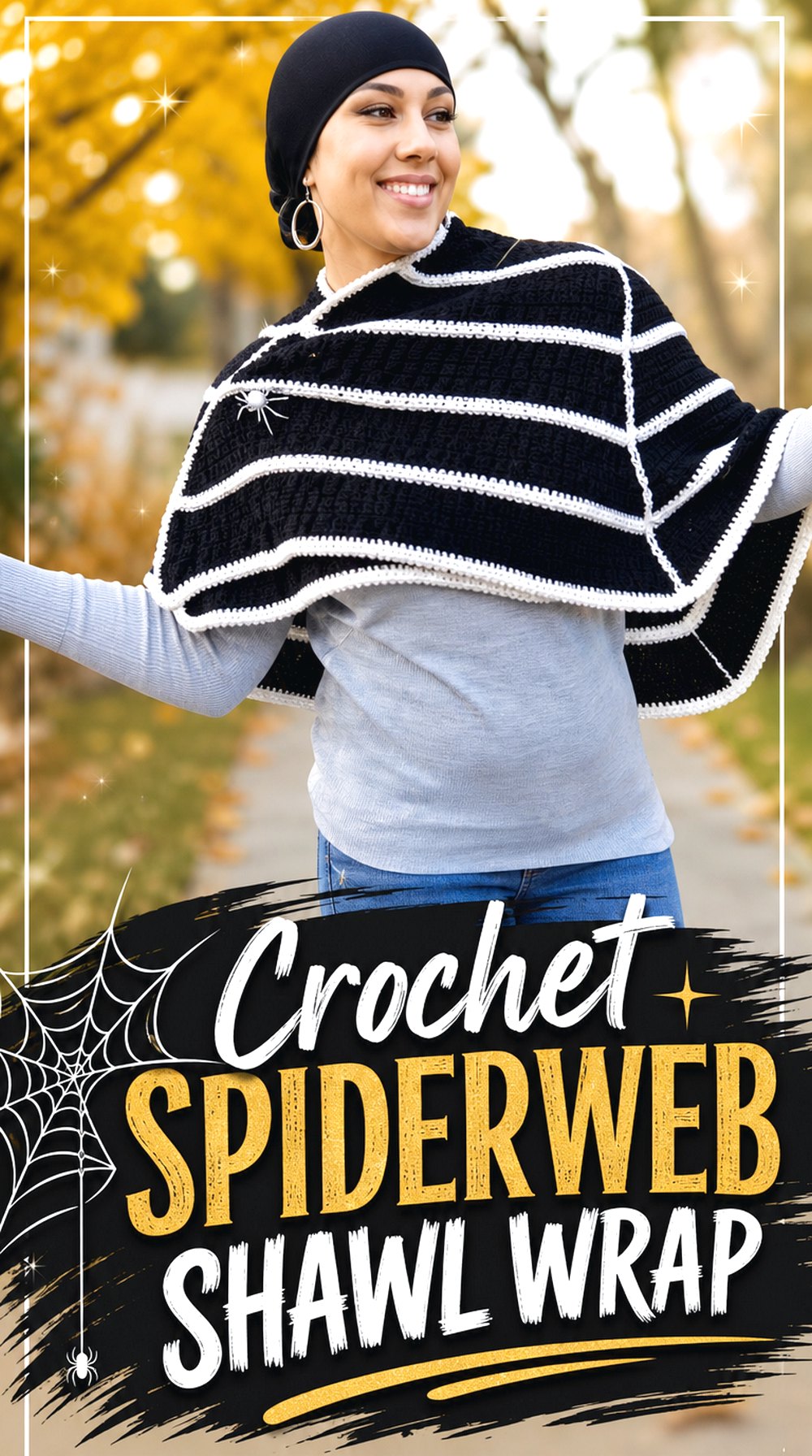
This spiderweb wrap is a strong option for readers who want bolero-style shoulder drama without a fitted garment. The design functions as a shawl or wrap, so it can be placed over the shoulders, layered over a dress, or used as a Halloween accent piece.
The shape is less restrictive than a true bolero and may suit readers who prefer drape over sleeves. It also gives the web motif more room to spread, creating a wider visual effect than compact spiderweb tops.
Wrap Width Affects the Styling
A wrap needs enough width to sit comfortably over the shoulders and show the web pattern. The Ravelry listing for this design gives approximate finished measurements, so readers planning a specific outfit should check those details before deciding. A larger wrap will feel more dramatic; a smaller one may be easier to manage.
Surface Detail Adds Definition
The source listing mentions surface crochet among the project attributes. That kind of detail can help the web lines stand out, especially on a wide wrap. Readers should watch how the surface detail is handled in the original tutorial instead of guessing, because placement affects the final web look.
Good for Drape Instead of Sleeves
This is not a sleeve-based bolero, so it will not behave like a shrug. Its value is in the draped shoulder effect. Readers who want arm coverage should choose a shrug or top from this list; readers who want a looser costume layer may prefer this wrap.
Original Tutorial and Creator Credit
Creator: Fuad Azmat / YARNutopia by Nadia
Crochet Spiderweb Cape and Poncho Layer
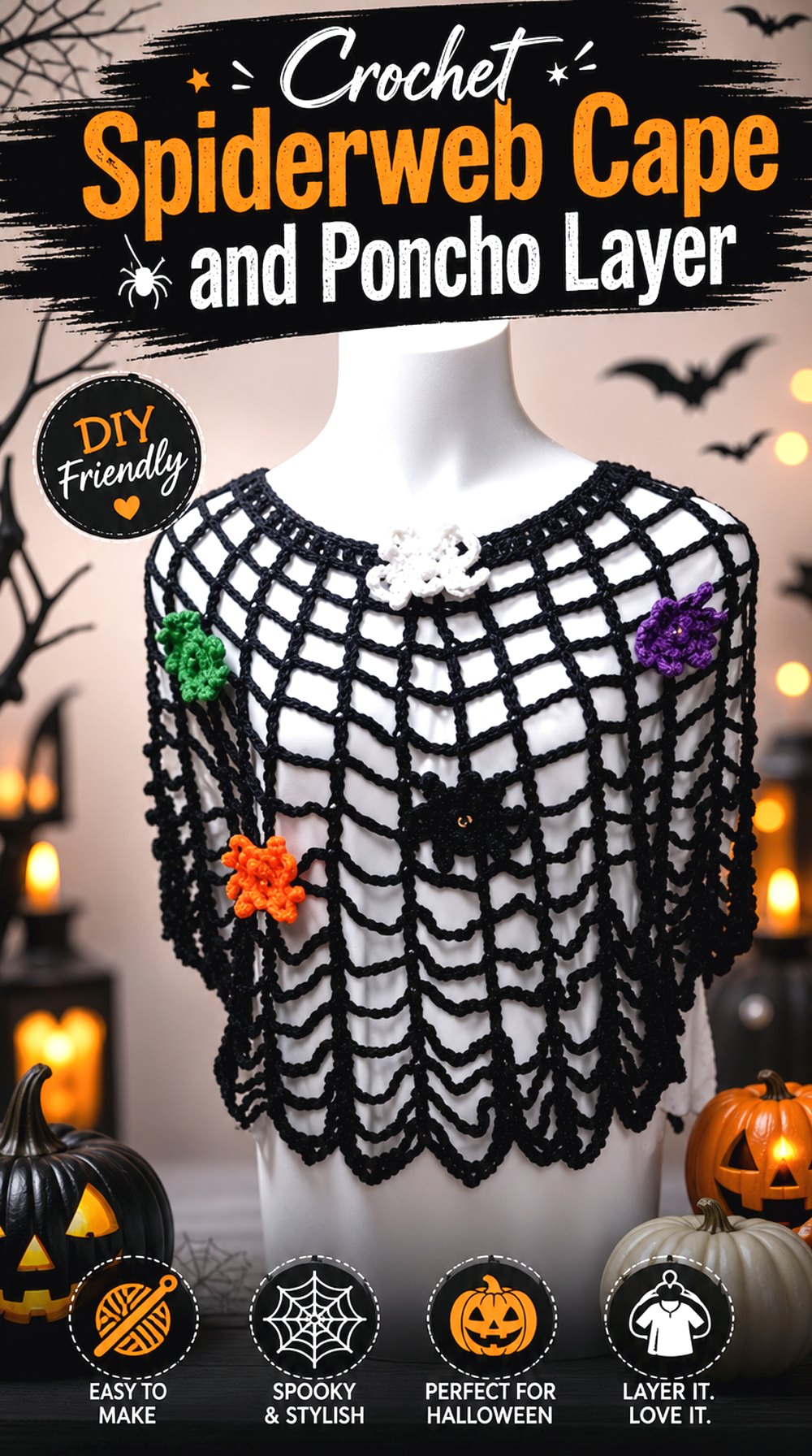
This tutorial offers a cape or poncho direction for readers who want the spiderweb bolero idea to become a fuller Halloween layer. It is less fitted than a shrug, but it can create a clear shoulder-covering web shape with more costume presence.
The source title also references a Halloween spider project, so this one is useful for readers who want a coordinated spooky theme rather than a simple cropped garment. It gives the list a final option that leans more toward capelet styling than body-hugging wear.
Cape Shape Creates the Most Drama
A cape-style layer spreads the web shape over a larger area, which can make the finished piece more noticeable than a small crop top. That is useful for costumes or event outfits. Readers should check how the cape sits at the neckline and shoulders before deciding whether it suits their planned outfit.
Poncho Use Needs Movement Room
A poncho-style piece can be comfortable over a base layer, but it may shift differently than sleeves. Readers should think about how much movement they need. For an outfit that involves dancing, walking, or carrying a bag, the drape and neckline should be reviewed carefully.
Extra Spider Theme Should Be Optional
Because the source also mentions a Halloween spider, readers can decide whether they want the full themed look or only the webbed layer. Keeping the spider element optional makes the project easier to adapt for gothic outfits, costume parties, or seasonal decor-inspired wear.
Original Tutorial and Creator Credit
Creator: Crochet It Forward
Choosing Between Shrug, Top, Wrap, and Cape Shapes
Choose a true shrug or bolero if sleeve fit and shoulder placement matter most. The Crafting Shed and Alex Alette projects are the closest matches for that shape. Choose a spiderweb top if the web design should cover the front and back more fully; the threaderie by m., Chenda DIY, CrochetbyJen, WONDER NETTING, and Beebe Doe projects fit that direction.
For a looser layer, the poncho, wrap, shawl, and cape options give more drape and less fitted shaping. Those are useful when the finished piece needs to go over a dress or costume without exact sleeve fit. The best choice depends on whether the reader wants a garment, a shoulder layer, or a dramatic costume accent.
Conclusion
Crochet spiderweb bolero ideas can range from fitted shrugs to full webbed tops and flowing wraps. For the closest bolero shape, start with the spiderweb shrug options. For stronger outfit coverage, choose a long-sleeve top, hooded sweater, or panel-based design. If the goal is a costume layer rather than a fitted garment, a poncho, shawl, or cape will give the web motif more space.
Before starting, compare coverage, sleeve style, neckline, and how the project is meant to sit on the body. Use the original YouTube tutorials for exact construction details, sizing notes, and finishing guidance.
FAQs
Are crochet spiderweb boleros usually fitted or loose?
They can be either. A true shrug or bolero usually needs closer attention to sleeve and shoulder fit, while spiderweb tops, ponchos, shawls, and wraps may sit more loosely. Before choosing a project, decide whether the piece should stay close to the body or work as a draped Halloween layer.
What should I wear under a crochet spiderweb bolero?
A simple fitted base usually makes the web pattern easier to see. Solid tops, dresses, tanks, or long-sleeve layers can all work, depending on the coverage of the crochet piece. If the web has large open spaces, plan the underlayer before choosing yarn color so the design stays visible.
How do I choose between a spiderweb shrug and a spiderweb top?
Pick a shrug if you mainly want shoulder and arm coverage with a bolero feel. Pick a top if you want the web motif to cover more of the front and back. A top may feel more secure as a garment, while a shrug may work better as a removable outfit layer.
Should I use black yarn for a spiderweb bolero?
Black is common for a gothic or Halloween look, but it is not the only option. White can create a classic web contrast, while pale or glow-style yarn can make the shape stand out differently. The main point is contrast: the web should remain visible against whatever is worn underneath.
Can I sell a finished spiderweb bolero made from a YouTube tutorial?
Do not assume selling is allowed. Check the creator’s video description, linked pattern terms, shop notes, or licensing language before selling finished items. Some creators allow sales with credit, while others restrict commercial use. When the terms are unclear, ask the creator directly before listing anything for sale.