Buffalo plaid blankets can look bold, rustic, soft, modern, or holiday-ready depending on the color layout and crochet method. Some designs use the familiar red, black, and deep red checks, while others lean into gray gingham, tartan lines, woven overlays, or farmhouse neutrals.

This collection gives you several ways to approach the checked blanket look. You will find classic buffalo check blankets, corner-to-corner versions, chunky throws, baby blanket options, woven plaid styles, and fringe-finished designs. Each project links back to its original YouTube tutorial so readers can use the creator’s exact construction guidance.
Quick List
- Crochet Bold Red-and-Black Buffalo Plaid Afghan
- Crochet Red Buffalo Check Baby Blanket
- Crochet Soft Buffalo Check Baby Blanket
- Crochet Chunky Buffalo Plaid Throw
- Crochet C2C Buffalo Plaid Corner Blanket
- Crochet Heritage Woven Plaid Throw
- Crochet Four-Color Plaid Blanket
- Crochet Tartan-Style Plaid Blanket
- Crochet C2C Gingham Plaid Afghan
- Crochet Modern Farmhouse Plaid Throw
- Crochet Woven Filet Gingham Blanket
- Crochet Half Double Plaid Blanket
- Crochet Textured Plaid Stitch Blanket
- Crochet Mad for Plaid Fringe Blanket
What to Compare Before Choosing a Crochet Buffalo Plaid Blanket
The main choice is not only color. Buffalo plaid blanket tutorials can differ in how the check pattern is created, how much color management is involved, and whether the final fabric looks solid, woven, diagonal, or textured. A classic red-and-black check gives the most recognizable cabin look, while gray, cream, or multicolor plaid can feel softer in a living room or nursery.
Also compare the finished use. A baby blanket needs different size information than a couch throw, and a chunky blanket may behave differently from a lighter stitch-based version. Before choosing supplies, check whether the creator provides a written pattern, chart, finished measurements, yarn notes, border details, and a clear view of the completed blanket.
Crochet Bold Red and Black Buffalo Plaid Afghan
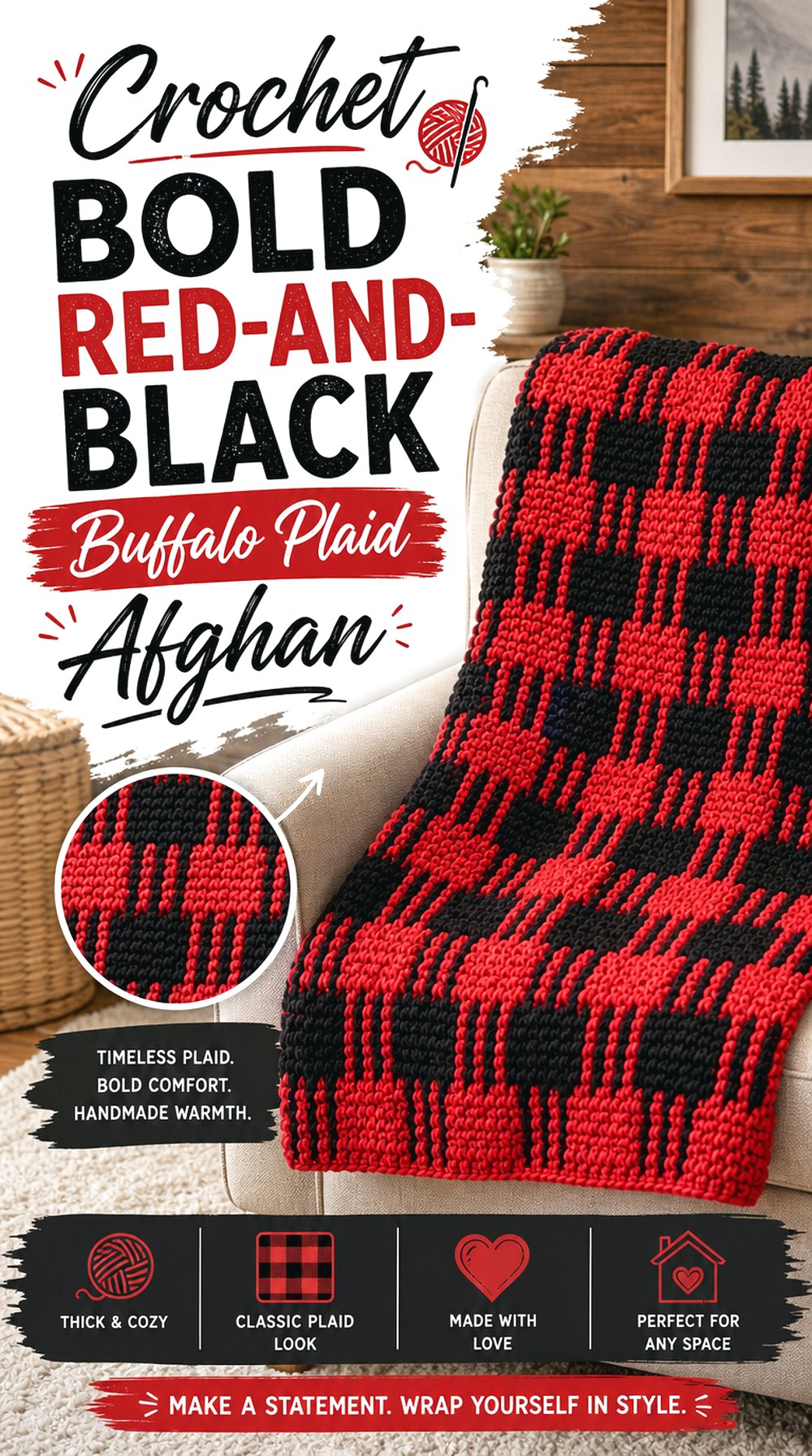
A strong red-and-black layout gives this blanket the most traditional buffalo plaid feeling in the group. The finished look is bold enough for a cabin-style room, a winter sofa throw, or a statement blanket folded at the foot of a bed. Because the checks are large and graphic, this option works best for readers who want the plaid pattern to be the main feature rather than a subtle texture.
The contrast also makes it useful for comparing color placement before committing to supplies. Readers should look closely at how the dark, mid-tone, and bright shades work together.
The Classic Color Contrast Carries the Design
This afghan depends on clear separation between the light, middle, and dark areas. If the colors are too close in value, the buffalo plaid effect may look flatter than expected. Readers who want the same bold result should compare their yarn shades side by side in natural light before buying everything for the blanket.
Size and Pattern Notes Matter Here
A large plaid afghan can look very different from a small sample because the checks need enough room to repeat. Before starting, readers should confirm the finished blanket information from the original source and decide whether the planned size fits a sofa, bed, or lap blanket use. This is especially important if substituting yarn.
A Good Match for Rustic Decor
The red-and-black palette has a strong lodge, cabin, and winter-home feel. It may stand out more than a neutral plaid blanket, so it works well when the room already has wood, leather, black accents, or seasonal decor. For a softer room, readers may want to test a muted version before following the same color logic.
Crochet Red Buffalo Check Baby Blanket
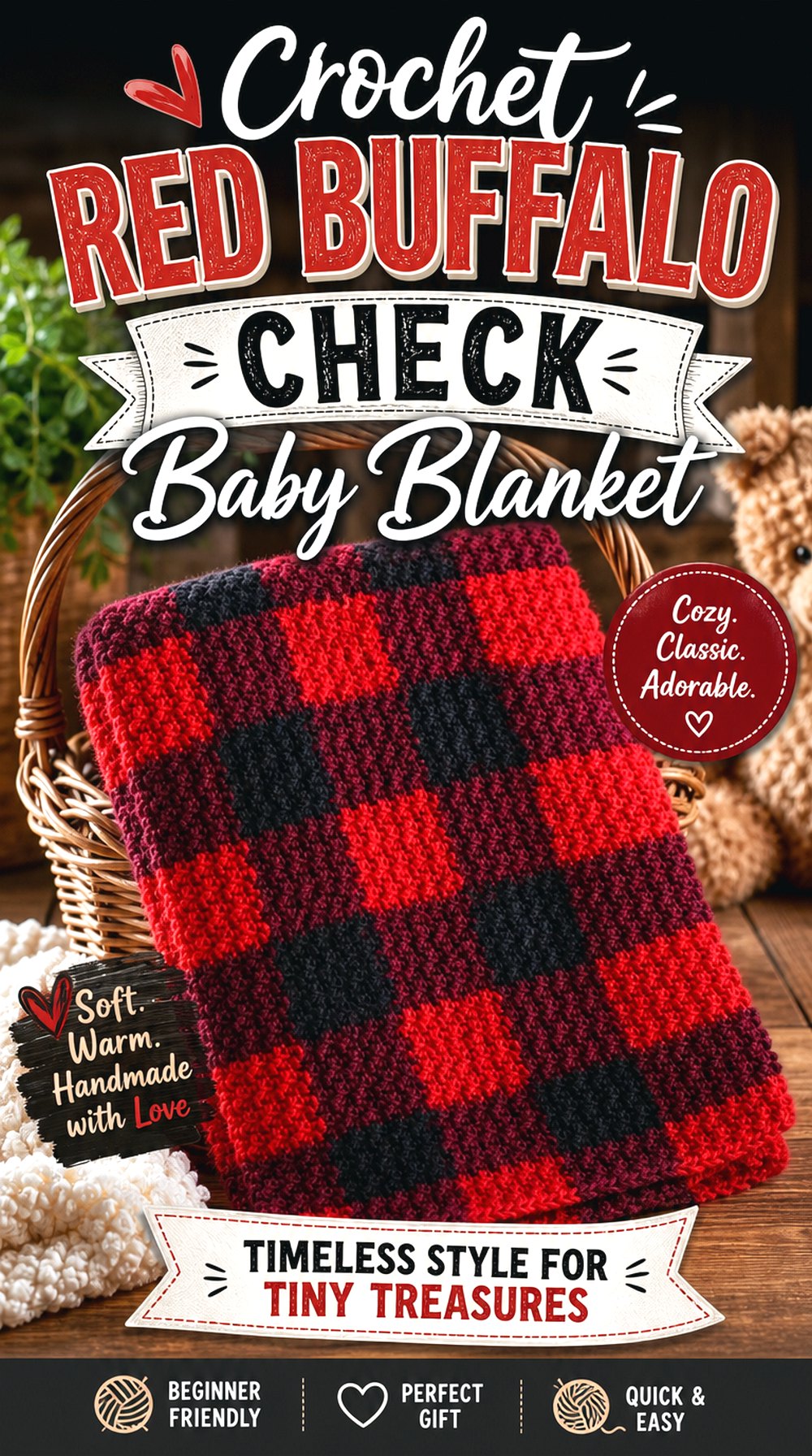
This baby blanket keeps the buffalo check look compact and clear, with the familiar red family and black color story scaled into a smaller blanket format. It feels more focused than a large throw because the check pattern becomes the main decorative surface without needing extra motifs or heavy borders.
The finished style may suit a nursery, baby shower gift, or small display blanket, but readers should confirm the finished size and care information from the original source. For a baby item, every material and finishing decision should be checked carefully before use.
Baby Blanket Size Needs a Closer Look
A baby blanket has a more specific purpose than a general throw. Readers should confirm the finished measurements in the original pattern information before choosing this project for a crib, stroller, photo blanket, or floor mat use. If the finished size is not right for the intended purpose, changing yarn alone may not be enough.
The Border Frames the Checks
A clear border can make a buffalo check blanket look more finished and keep the plaid area visually contained. With a smaller blanket, the border is especially noticeable because it sits close to the whole design. Readers should look at the edge finish before deciding whether this style matches the cleaner or softer look they want.
Color Changes Are the Main Planning Point
This design relies on repeated color changes to create the check effect. Readers should review the creator’s guidance on managing multiple colors before starting the full blanket. A small practice section can help reveal whether the chosen yarn shades, tension, and carried strands create the expected plaid surface.
Original Tutorial and Creator Credit
Creator: Daisy Farm Crafts
Crochet Soft Buffalo Check Baby Blanket
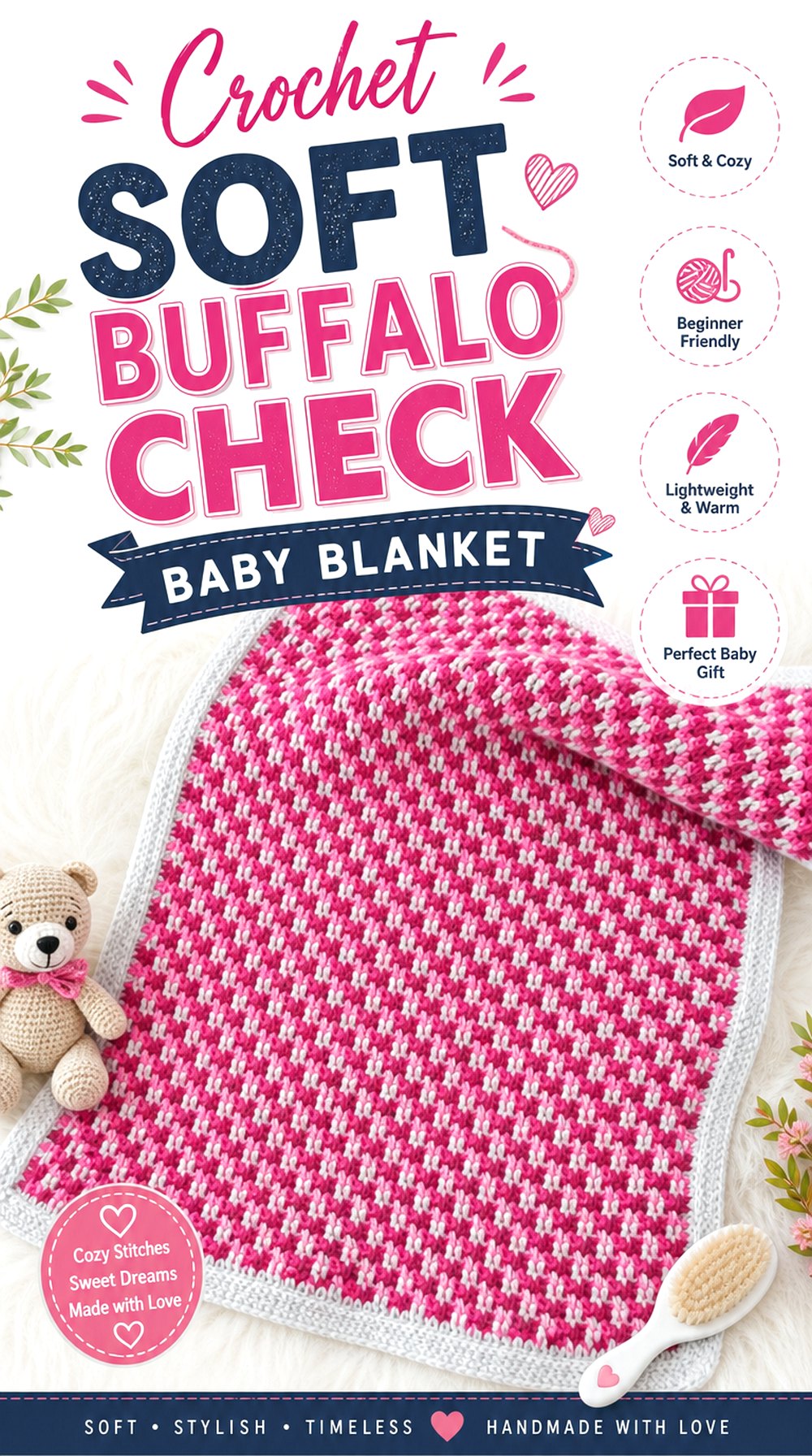
This option gives the buffalo check idea a softer baby blanket direction. The patterning is still based on clear checked sections, but the overall impression is less heavy than a full rustic throw. It may appeal to readers who want a baby-sized project with plaid structure rather than stripes, bobbles, or large motifs.
The clean surface makes color choice important. Softer shades can make the blanket feel gentler, while high contrast can move it closer to a classic buffalo plaid look. Readers should verify all blanket details through the creator’s tutorial before choosing yarn.
A Softer Alternative to Cabin Red
Not every buffalo plaid blanket needs to use a red-and-black palette. This baby blanket approach can work for readers who like the check layout but want a softer nursery-friendly look. The key is keeping enough contrast between the shades so the blocks remain visible after the blanket is finished.
The Finished Fabric Should Stay Practical
For a baby blanket, the finished fabric should be considered carefully. Readers should check the original material list and any care guidance before selecting yarn. A blanket may look soft on screen, but the fiber content, washing instructions, and finished feel should all match the intended use.
Keep the Check Pattern Easy to Read
The check effect depends on consistent color placement. If readers plan to customize the colors, they should choose one light shade, one darker shade, and one middle shade that clearly connects the two. This helps the finished surface read as buffalo check instead of random blocks.
Original Tutorial and Creator Credit
Creator: Sirin’s Crochet
Crochet Chunky Buffalo Plaid Throw
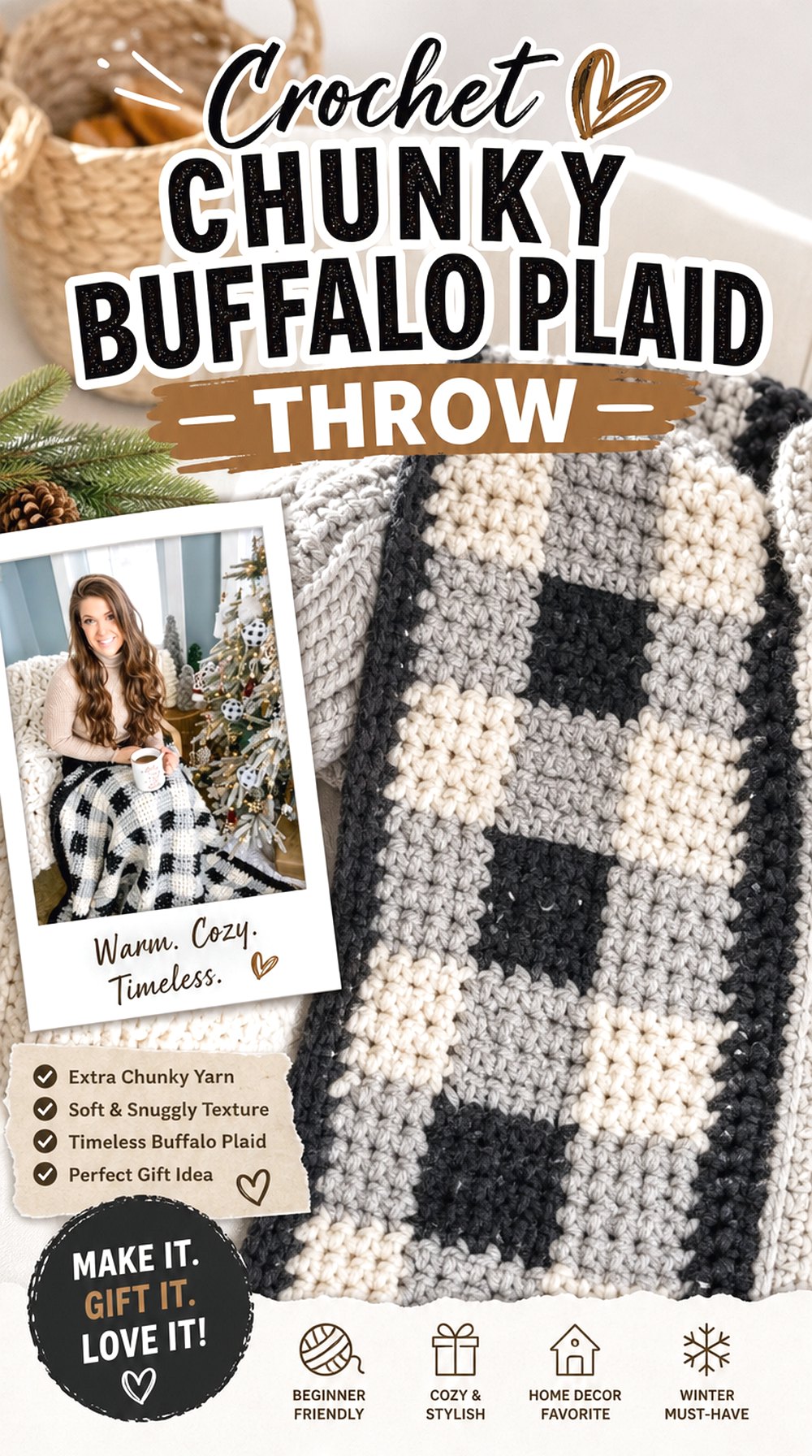
A chunky throw gives buffalo plaid a heavier, cozier visual style. The large-scale checks and thicker yarn direction make this project feel more like a living-room throw than a delicate baby blanket. It is a strong choice for readers who want the blanket to be part of seasonal decorating, especially around a sofa, chair, blanket ladder, or holiday tree area.
The source describes this as a throw blanket and also notes a super bulky yarn direction, so readers should check the full material list before planning substitutions. A thicker blanket can change weight, drape, and storage needs.
Chunky Yarn Changes the Blanket’s Presence
A chunky buffalo plaid throw can look more substantial than a lighter plaid blanket. That can be useful for a couch accent, but it also means the finished blanket may take up more storage space. Readers should think about where the throw will live when it is not in use.
The Tree-Wrap Option Adds Seasonal Use
The creator’s description mentions using this blanket as a throw or wrapping it around a Christmas tree. That gives readers a second way to think about the finished piece. Anyone planning it for seasonal display should confirm the finished dimensions and how the blanket will sit around the base of the tree.
Check the Material List Before Substituting
Thicker yarns do not always behave the same way, even when they share a general weight category. Readers should compare the creator’s recommended yarn information with any substitute they want to use. A different yarn may affect the plaid scale, finished size, and how firm or soft the blanket feels.
Original Tutorial and Creator Credit
Creator: MJ’s Off The Hook Designs
Crochet C2C Buffalo Plaid Corner Blanket
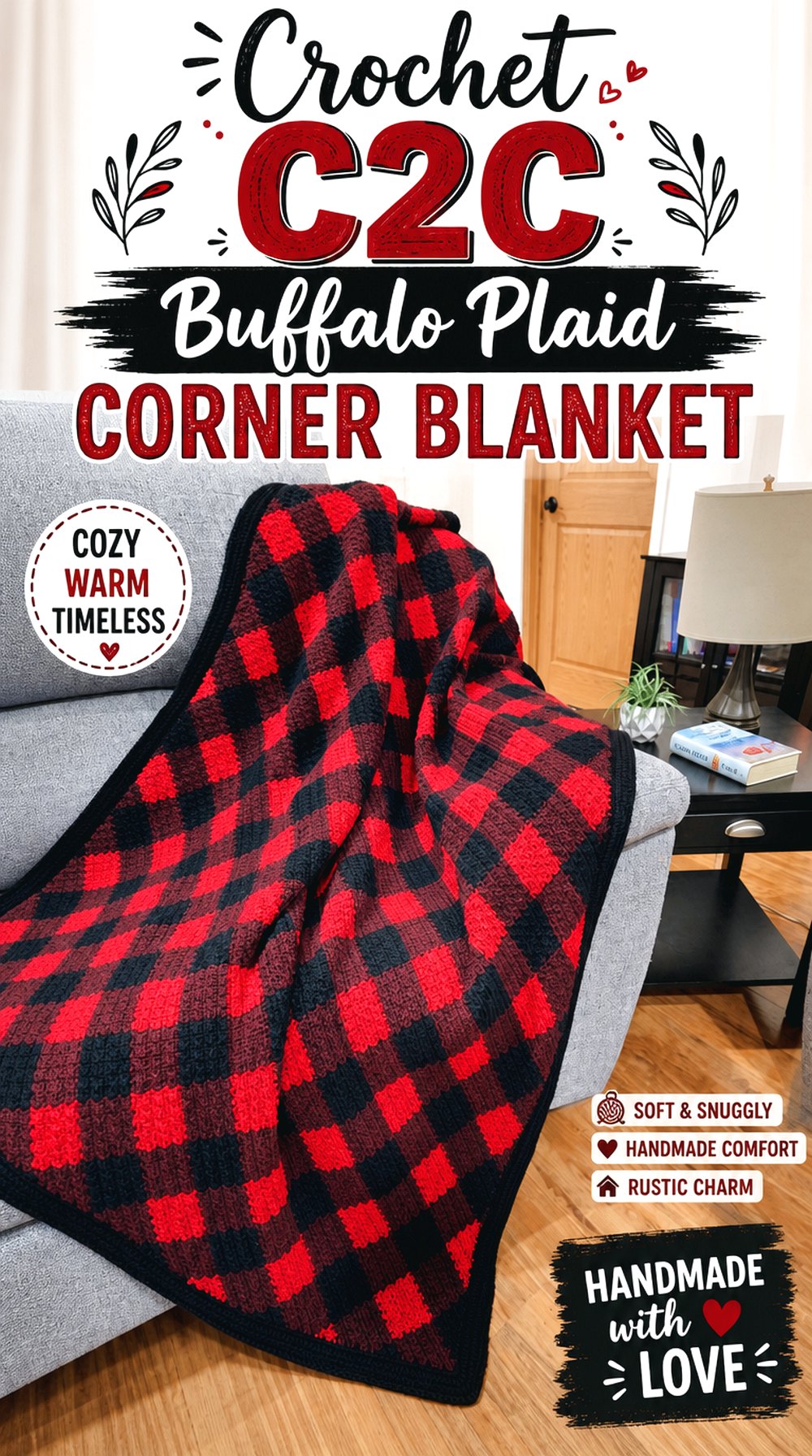
This blanket stands apart because the buffalo plaid design is worked through a corner-to-corner approach. The diagonal construction gives the finished piece a different rhythm from row-based plaid blankets, and the check pattern has a modern graphic look. It may appeal to readers who already like C2C blankets but want a plaid project instead of a picture graph.
The source also mentions a ribbed log cabin border, which helps frame the strong red-and-black plaid center. Readers should review the full guide to understand how the corner-to-corner shape and colorwork interact.
Diagonal Construction Sets It Apart
A C2C blanket grows differently from a straight-row blanket, so readers should choose this project because they like that diagonal working style. The benefit is a distinctive layout, but the color planning needs attention. Before starting, readers should make sure the C2C format suits how they prefer to follow a blanket tutorial.
The Border Gives It a Framed Look
The ribbed log cabin border is a useful finishing feature because it visually contains the busy plaid center. Readers who like blankets with a defined edge may prefer this over a simpler borderless plaid. It is worth checking the finished border view before deciding whether this project matches the intended room style.
Colorwork Requires Concentration
The tutorial description notes buffalo check tapestry crochet colorwork. That means this is not only about making a basic C2C shape; the color placement is central to the final look. Readers should use the original source for the exact chart and construction details instead of trying to guess the plaid layout from photos alone.
Original Tutorial and Creator Credit
Creator: A Crocheted Simplicity – Jennifer Renaud
Crochet Heritage Woven Plaid Throw
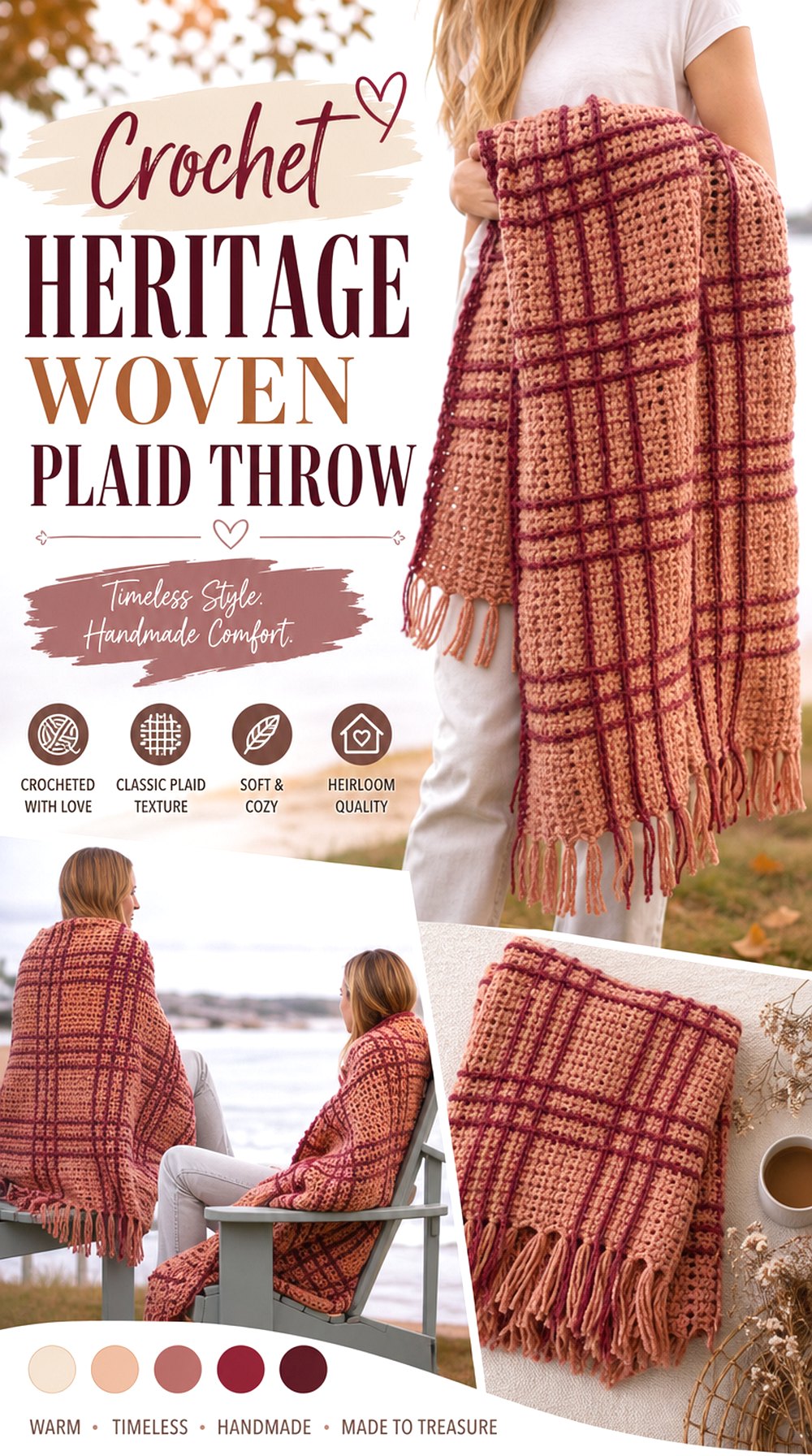
This throw has a woven plaid look rather than a simple block-check surface. The result feels more like a classic fabric-inspired blanket, with lines crossing through the surface to create a heritage-style plaid effect. It is a useful choice for readers who like buffalo plaid but want a more layered design with vertical and horizontal movement.
Because the finished look depends on the woven effect, readers should pay attention to how the surface lines are handled in the original tutorial. This design may also suit neutral, rustic, or traditional home decor depending on the chosen colors.
Woven Lines Create a Different Plaid Style
Unlike a basic check blanket, this project uses a woven-plaid appearance to create depth. That makes it a good option for readers who want the blanket to look closer to fabric plaid. Color planning matters because the crossing lines need enough contrast to stay visible across the finished surface.
A Throw Format Suits Display
The heritage style can look polished when folded over a sofa back, chair arm, or bed corner. Readers choosing this as a decor piece should think about the room palette before choosing yarn. A high-contrast version will read more graphic, while muted shades can make the plaid feel softer and more traditional.
Review the Full Guide Before Buying Supplies
The tutorial description points readers to a full blanket pattern and yarn information. Since the woven effect is the main feature, it is worth reviewing the whole source before buying yarn. Readers should confirm the material list, finished size, and whether any written support is available.
Original Tutorial and Creator Credit
Creator: Originally Lovely
Crochet Four Color Plaid Blanket
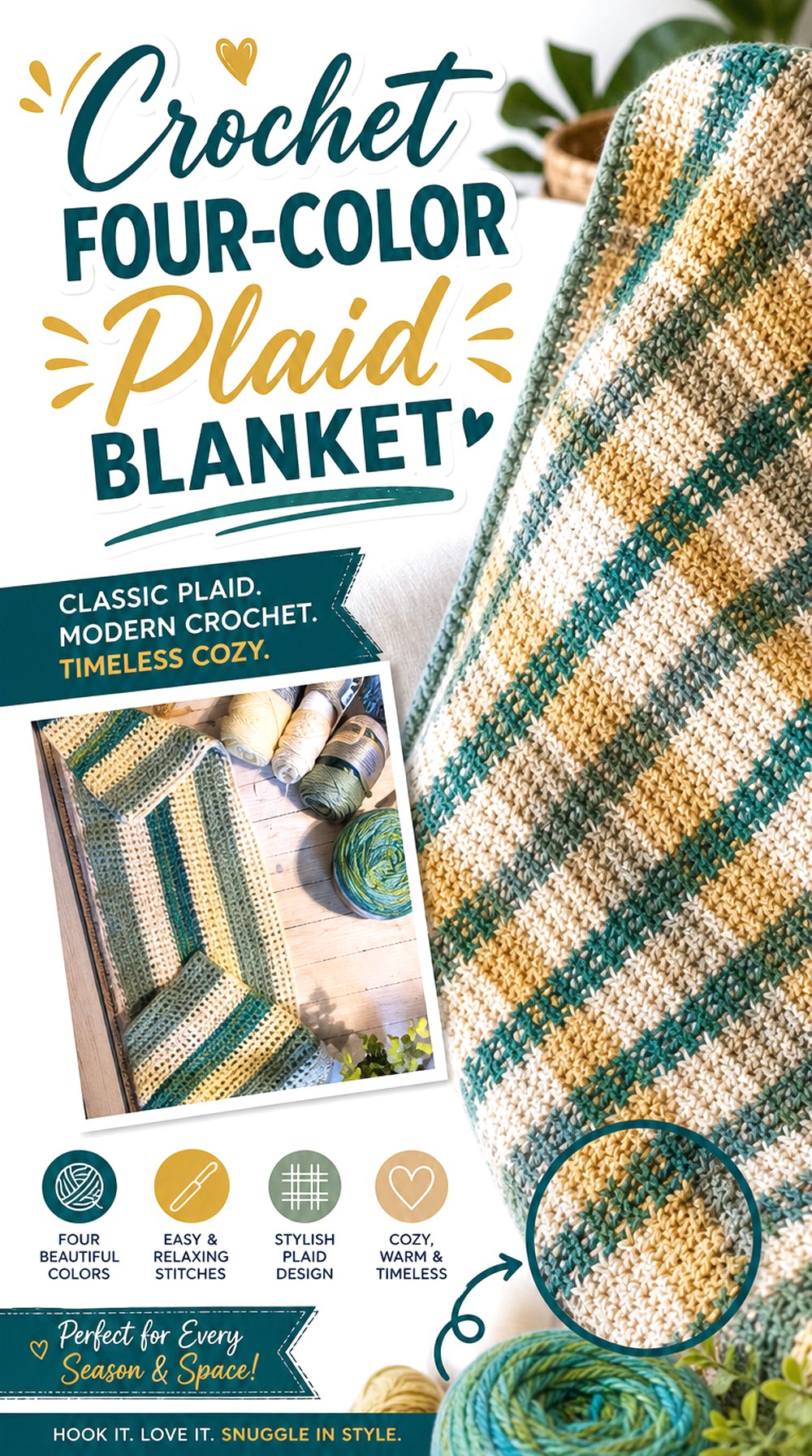
This plaid blanket uses a four-color method, which gives readers a way to build a more complex checked effect than a simple three-color buffalo plaid. The extra color can help create richer transitions, especially for people who want the blanket to coordinate with an existing room palette instead of following only red and black.
The finished style can still feel classic, but it opens the door to more personalized color planning. Readers should keep the values distinct enough that the plaid does not disappear once the blanket is viewed from a distance.
Four Colors Need Value Balance
With four colors, the biggest decision is how each shade relates to the others. A successful plaid usually needs clear light, dark, and middle tones. Readers should arrange the chosen yarns together before starting and check whether the planned combination still looks like plaid in daylight.
Better for Custom Room Palettes
This option may work well for readers who want a blanket that fits a specific couch, bedroom, cabin, or nursery. The four-color approach can be adjusted more easily than a strict red-and-black buffalo plaid. Still, the original tutorial should be followed for the technique and order of color use.
Watch for Color Management Comfort
More colors can mean more attention while working. Readers should decide whether they enjoy tracking color placement before choosing this project over a simpler buffalo check blanket. A small test section can help reveal whether the method feels manageable before committing to a full-size blanket.
Original Tutorial and Creator Credit
Creator: Live. Chill. Life.
Crochet Tartan Style Plaid Blanket
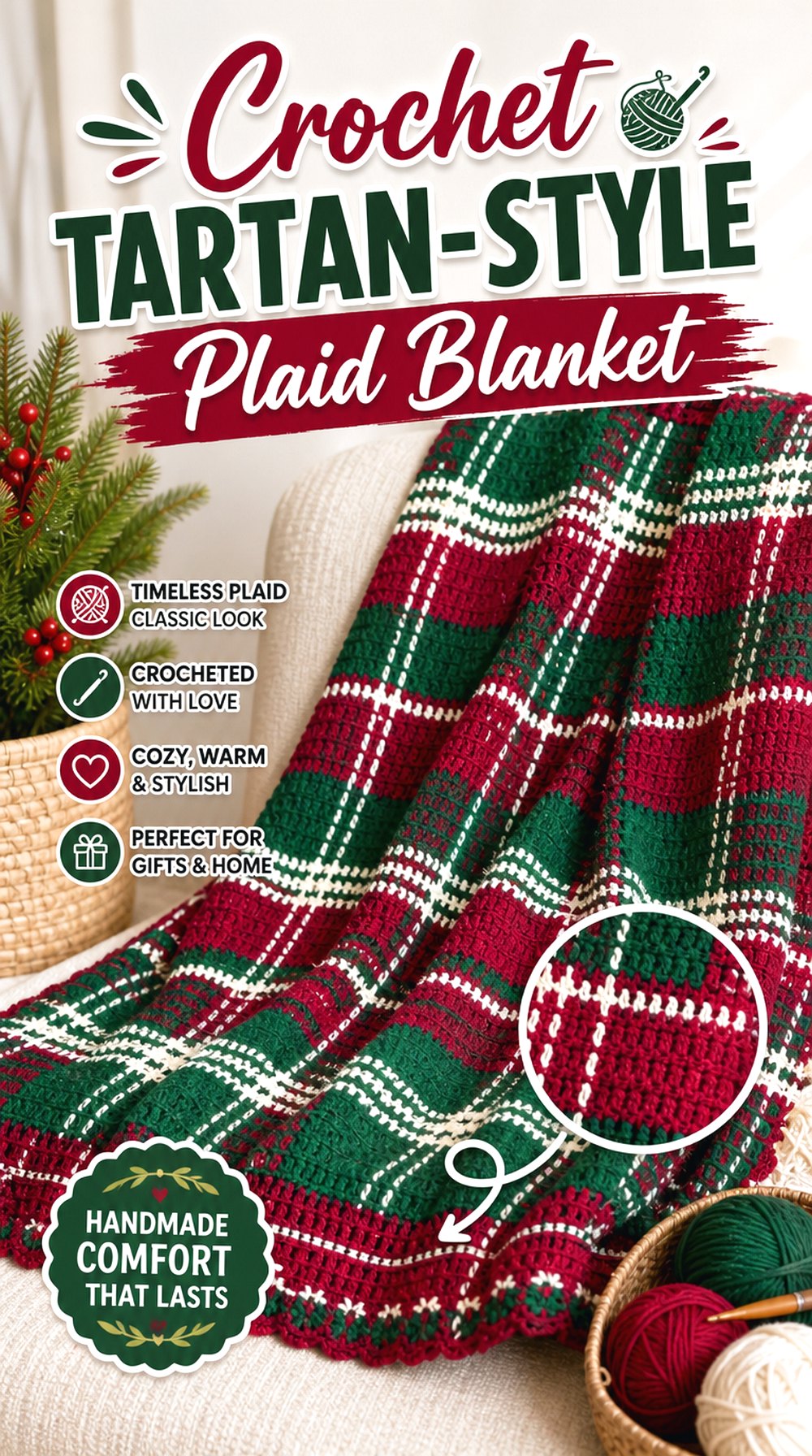
This tartan-style blanket gives the plaid theme a more traditional woven-fabric direction. Instead of focusing only on large buffalo checks, it leans into crossing lines and a tartan layout that can be adapted with different colors. That makes it useful for readers who like plaid blankets but want something with a more classic textile feel.
The source description mentions making tartan in any color, so this project may be a good fit for personal, family, school, or seasonal palettes. Readers should still rely on the original tutorial for exact construction details.
Tartan Has a More Detailed Look
A tartan-style blanket can appear busier than buffalo check because the line layout carries more detail. This may suit readers who want the blanket to feel traditional or decorative. Before choosing it, compare the finished look with simpler check blankets to decide how much surface pattern feels right for the room.
Color Choice Can Change the Mood
The same tartan idea can look rustic, holiday-themed, neutral, or bright depending on the palette. Readers should choose colors with enough contrast for the crossing lines to show clearly. If the shades are too similar, the tartan effect may soften more than expected.
Best for Readers Who Like Surface Detail
This project is not just about blocks of color. The appeal comes from the plaid lines and how they cross. Readers who enjoy following visual layout changes may prefer this over a plain check blanket, while those wanting a simpler look may choose one of the bold buffalo check options instead.
Original Tutorial and Creator Credit
Creator: OzGrandmother Crochet Tartan
Crochet C2C Gingham Plaid Afghan
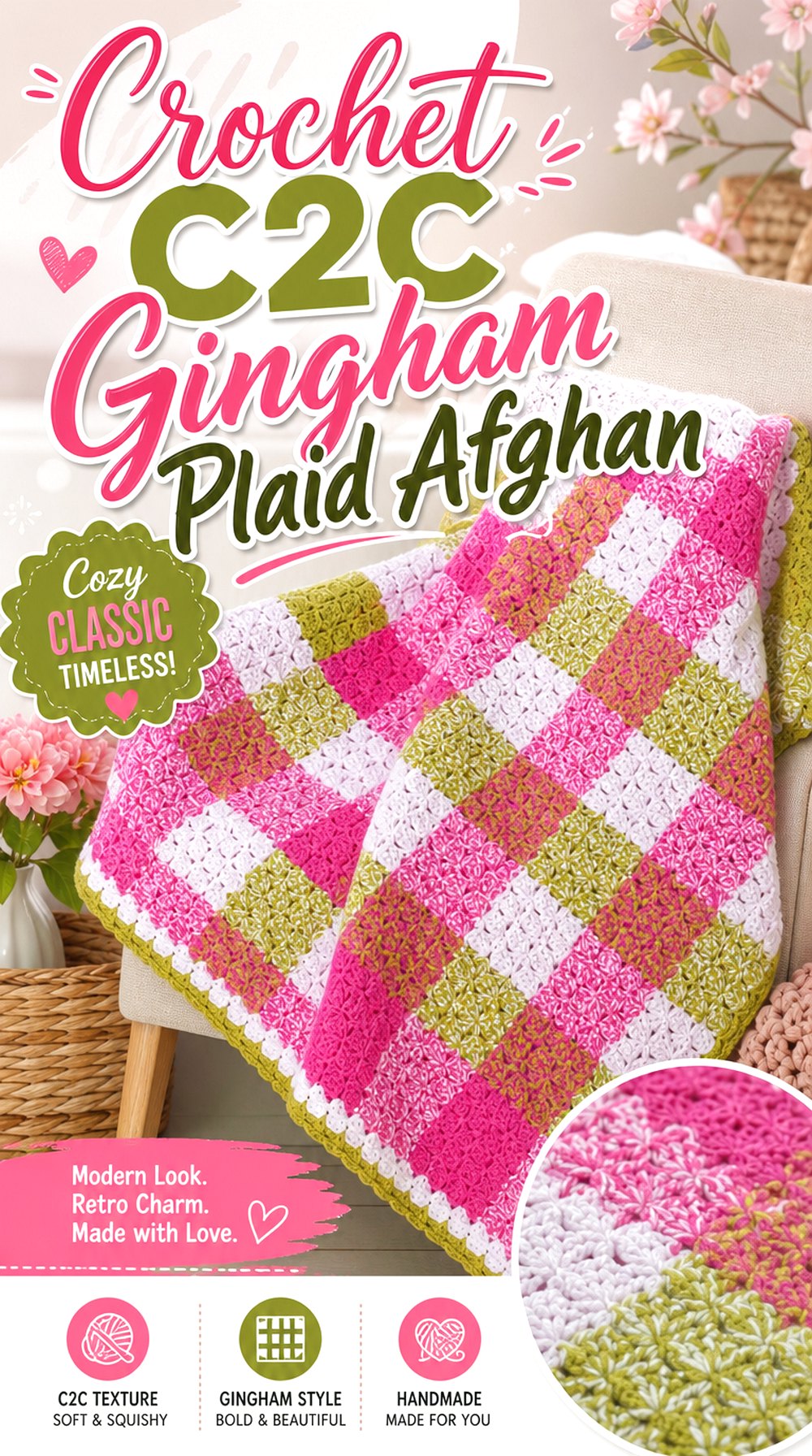
This gingham plaid afghan uses a corner-to-corner join-as-you-go direction, giving the blanket a block-based look with a softer gingham feel. It differs from the red buffalo plaid blankets because the color story can be lighter and more decorative, while the C2C structure gives the finished surface a recognizable grid.
The source mentions right-handed and left-handed tutorial support, which may be helpful for readers who prefer mirrored instruction options. The finished blanket can be adapted through color, but the contrast still needs to remain readable.
The Gingham Look Is Softer Than Buffalo Check
Gingham plaid usually feels lighter than classic buffalo plaid because the color contrast is often less intense. Readers who want a cozy checked blanket without a heavy red-and-black look may prefer this direction. It can work especially well in bedrooms, nurseries, or brighter living spaces.
C2C Join-As-You-Go Affects the Workflow
The tutorial description points to a C2C join-as-you-go blanket. That means the blanket is not approached in the same way as a single straight-row fabric. Readers should choose this option if they like modular or block-style progress and are comfortable following the creator’s joining guidance.
Left-Handed Support May Help Some Viewers
Because the source notes a left-handed version, left-handed crocheters may want to check both available options from the creator. Matching the learning format to the way a reader crochets can make a colorwork blanket easier to follow, especially when corners and joins are involved.
Original Tutorial and Creator Credit
Creator: Secret Yarnery
Crochet Modern Farmhouse Plaid Throw
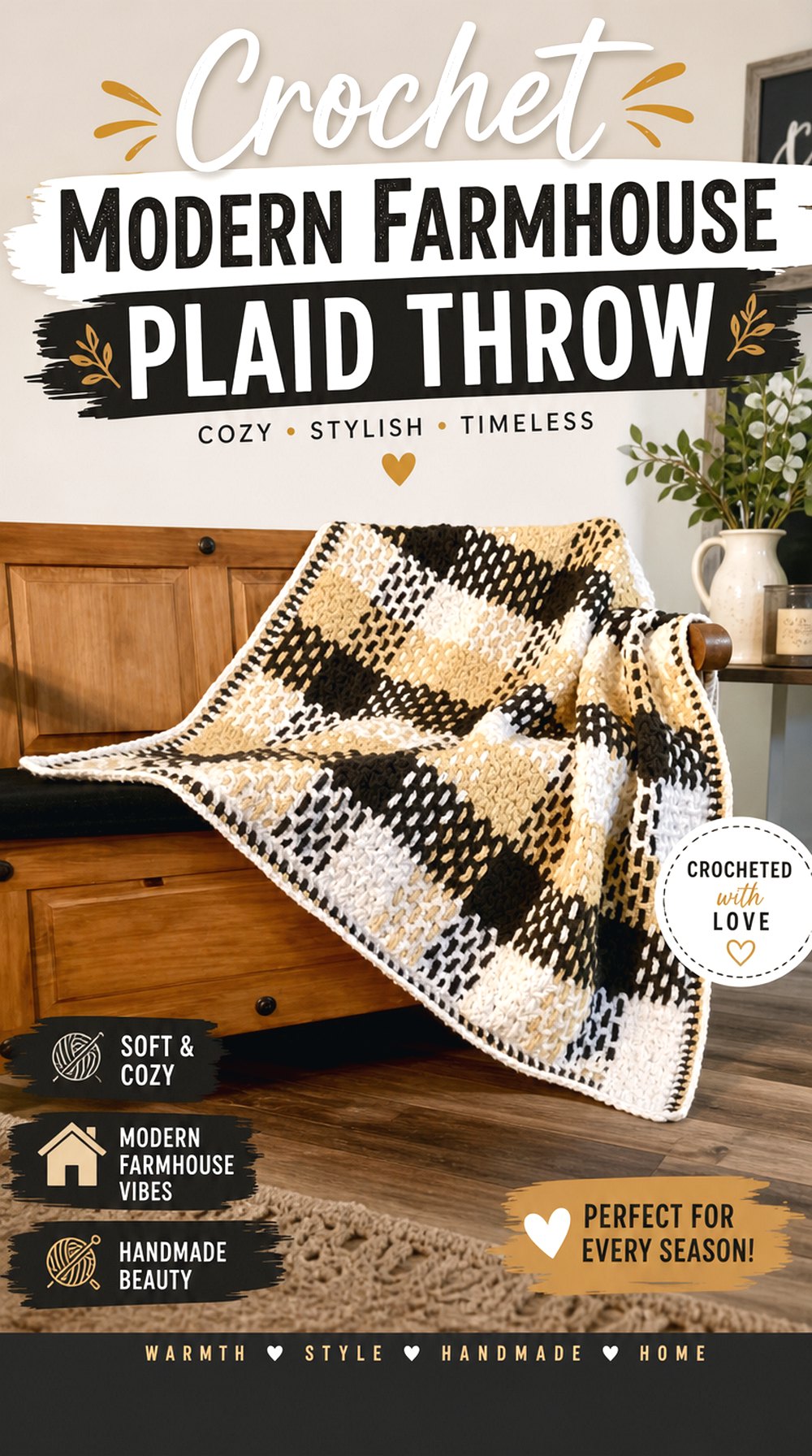
This modern farmhouse plaid throw uses a neutral-style plaid direction that feels lighter than a classic red buffalo check. The finished look suits readers who want a checked blanket for everyday home decor rather than a strongly seasonal piece. It can work with cream, gray, black, beige, or other room-friendly combinations.
The source notes a mesh-and-chain approach and gives finished-size information in the video description. Readers should review those details before beginning, especially if they want the blanket to fit a specific couch or bed placement.
A Neutral Palette Makes It More Everyday
Farmhouse plaid can stay out long after holiday decor is packed away. Cream, gray, black, and soft neutral combinations can make the blanket easier to blend into a room. Readers who like buffalo plaid but do not want a strong red accent may find this version more flexible.
The Construction Has an Open Planning Element
Because the source describes using a mesh stitch with chains, this project has a different structure from solid check blankets. Readers should look closely at the finished fabric before choosing it for warmth, display, or layering. An open or woven-looking structure can affect how the blanket drapes.
Confirm the Finished Size for Placement
The creator’s description includes a finished size, which is useful for planning. Readers should compare that information with their intended use before starting. A blanket meant for a chair, couch, bed runner, or gift may need different dimensions, and size changes should be checked through the original guide.
Original Tutorial and Creator Credit
Creator: I-crochet
Crochet Woven Filet Gingham Blanket
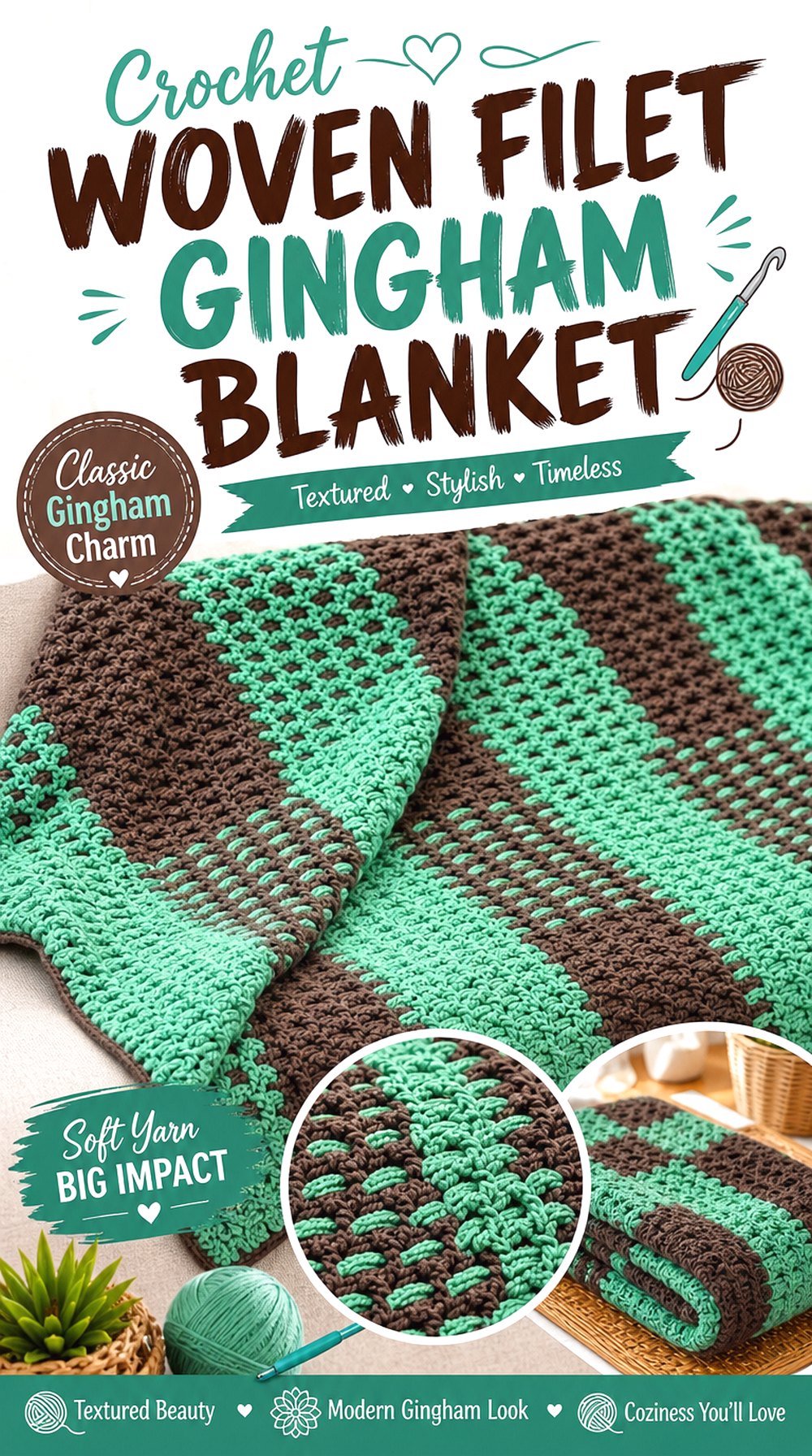
This blanket takes the plaid idea into a woven filet style, where the finished surface has a grid-and-weave effect. It is a strong option for readers who want the look of gingham or plaid but prefer visible woven lines instead of only color blocks. The result feels airy, textured, and graphic at the same time.
The tutorial description includes timestamps for base work, color changes, weaving, and finishing sections, which can help viewers review the stages. Readers should use the original video closely for the weaving direction rather than trying to recreate it from the finished photo.
The Woven Surface Is the Main Feature
This project stands out because the plaid effect is built through a woven visual structure. That makes it different from buffalo check blankets where the pattern comes mainly from color changes inside the fabric. Readers who like texture and surface detail may find this more interesting than a flat check.
Color Contrast Should Stay Clear
A woven gingham blanket needs enough contrast between the base and woven lines. If the colors are too close, the grid effect may become subtle. Readers should decide whether they want a bold check, a soft gingham look, or a barely-there plaid before choosing yarn.
Timestamps Make Review Easier
The source description lists major tutorial sections, including weaving and finishing. This can help readers return to important points while working. For a blanket with a visible surface technique, being able to review the same stage more than once is useful before moving ahead.
Original Tutorial and Creator Credit
Creator: Fiber Spider
Crochet Half Double Plaid Blanket
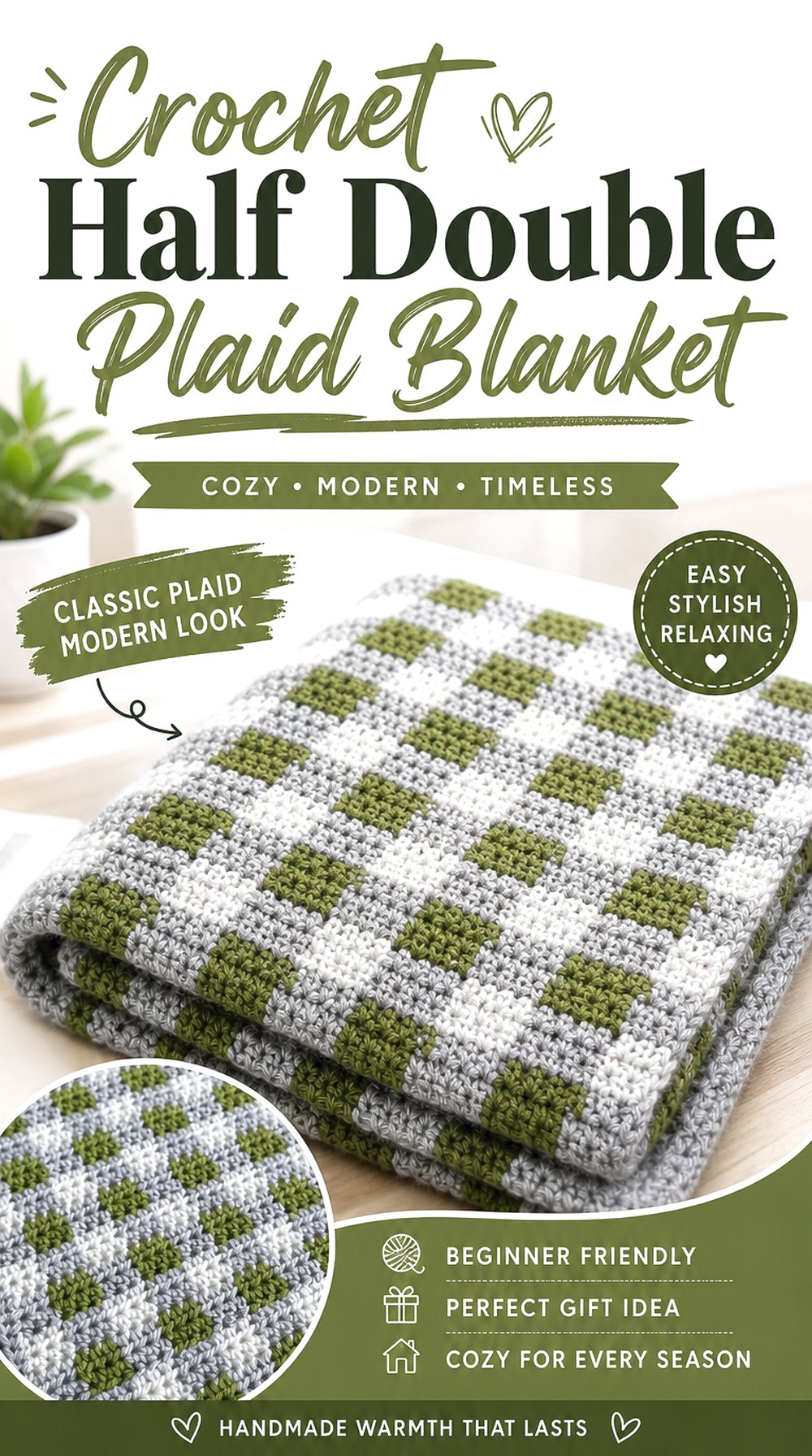
This plaid blanket focuses on half double crochet colorwork, giving the finished piece a neat, approachable checked surface. It is a good fit for readers who want a plaid blanket that feels structured but not overly decorative. The pattern information also notes multiple blanket sizes, which is useful when choosing between baby, lap, or larger blanket goals.
Because the design is described as an introduction to crochet colorwork, readers may want to review the creator’s notes before starting. The exact sizing and color placement should come from the original source.
Multiple Size Options Add Flexibility
The source description says the pattern includes several blanket sizes. That makes this option useful for readers who already know where the finished blanket should be used. Before starting, compare the available size information with the intended recipient, room, or display area.
Half Double Crochet Keeps the Surface Neat
A half double crochet plaid blanket can give a balanced fabric that is not as open as some mesh-based designs. Readers who want a clean checked look may prefer this style. The exact stitch work should still be followed from the creator’s tutorial and written support.
A Good Place to Study Colorwork Basics
This project is useful for readers who want to understand plaid color placement without jumping straight into a more complex woven or tartan blanket. The key decision is whether the planned colors have enough contrast. A small test area can help show whether the plaid reads clearly.
Original Tutorial and Creator Credit
Creator: HanJan Crochet
Crochet Textured Plaid Stitch Blanket
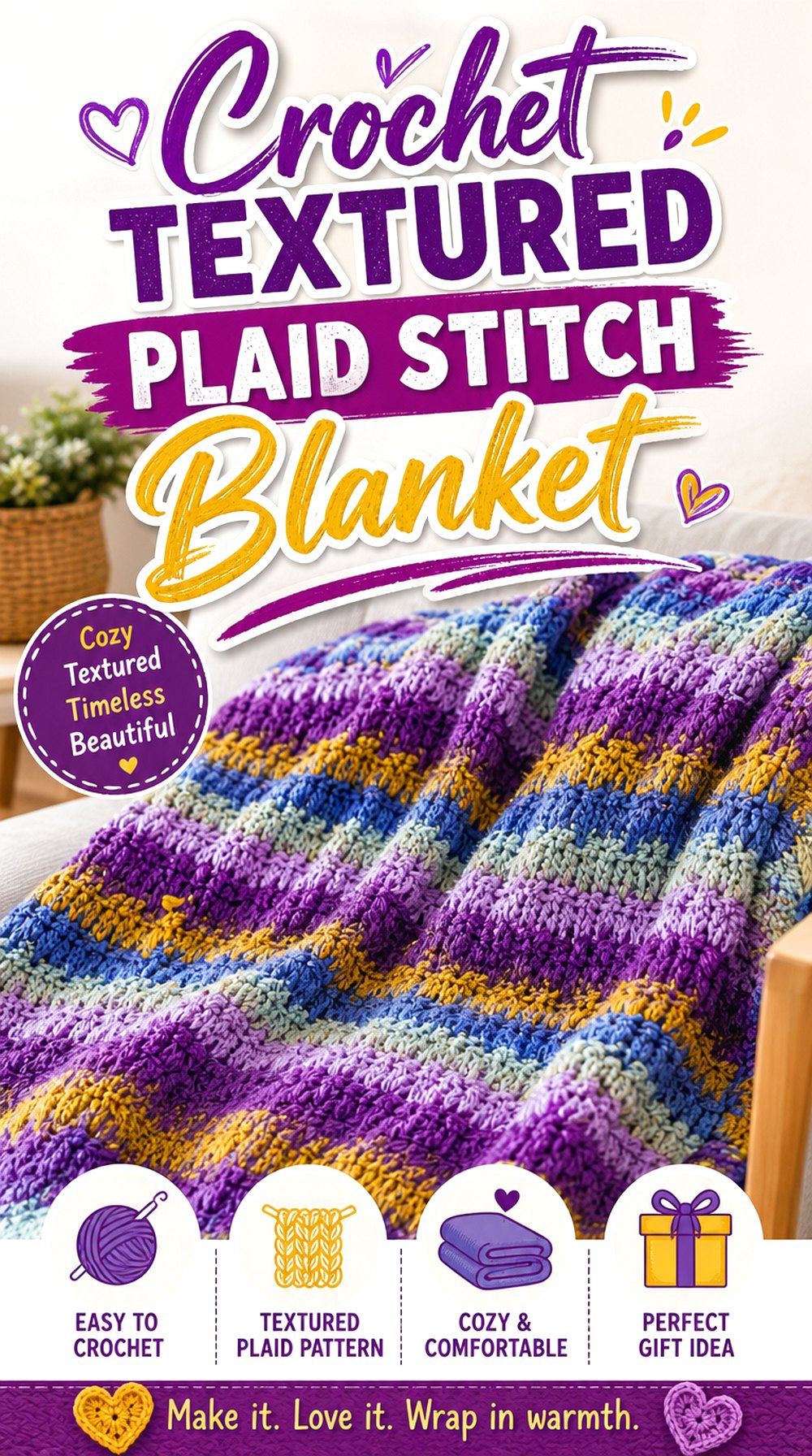
This blanket uses a plaid stitch approach with visible texture, giving the finished project a different feel from smooth buffalo check colorwork. The source description mentions a combination of double crochets and chain spaces, so the surface has a more open and textured look. It may suit readers who want a plaid-inspired blanket that feels lighter and more stitch-focused.
The project information also describes the size as customizable. Readers should still check the creator’s full written and video guidance before changing dimensions, especially if making a larger blanket.
Texture Changes the Plaid Effect
A textured plaid blanket does not read the same way as a solid buffalo check blanket. The open areas and raised stitch movement can make the plaid look more relaxed. Readers who want a bold graphic check may prefer another option, while those who like stitch detail may enjoy this version.
Custom Size Needs Careful Planning
The source notes a customizable size, which can be helpful for readers planning a lap blanket, throw, or larger cover. Any size change should be planned before buying supplies. Readers should check how the stitch repeat and finished width are handled in the original guide.
Cake Yarn Creates a Different Color Story
The creator’s materials mention cake yarn, which can give a different effect from deliberate three-color buffalo plaid. Readers should decide whether they want controlled buffalo check colors or a more blended plaid-inspired texture. For a classic buffalo look, solid coordinated shades may be easier to control.
Original Tutorial and Creator Credit
Creator: Raji’s Craft Hobby
Crochet Mad for Plaid Fringe Blanket
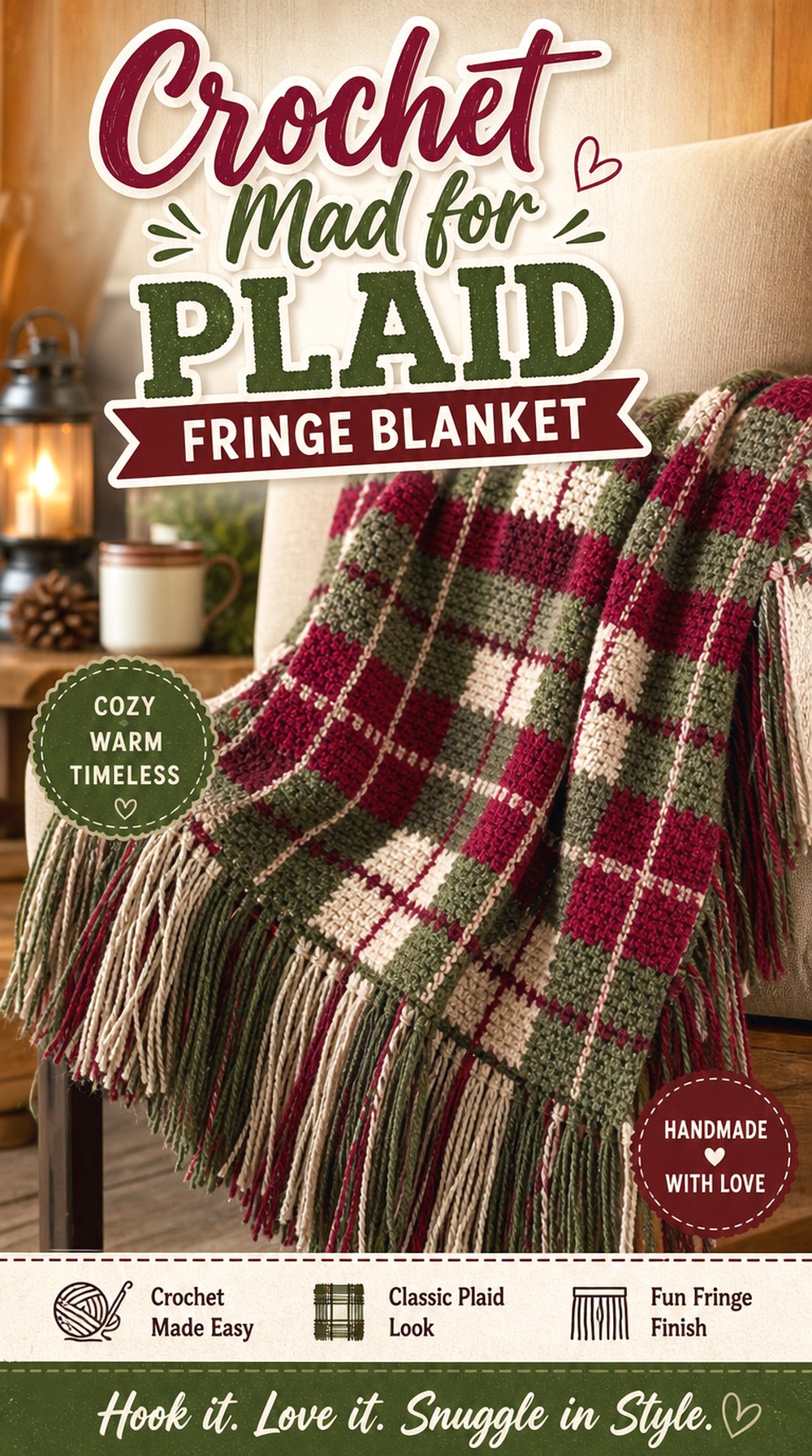
This fringe blanket brings a more decorative plaid style to the list. The source describes it as a graphghan-style plaid blanket using a diagram concept, with surface overlay and fringe included in the tutorial sections. That gives the finished project more movement and finishing detail than a simple check blanket.
It may appeal to readers who want a statement throw with visible plaid lines and a dressed-up edge. Because the design includes several planning points, readers should review the original source carefully before choosing yarn or changing colors.
Fringe Changes the Finished Mood
Fringe gives this blanket a more relaxed throw-style finish. It can look especially good draped over a chair or sofa, but it may not suit every household or storage setup. Readers should decide whether they like the movement and extra edge detail before choosing this over a cleaner bordered blanket.
Diagram-Based Plaid Needs Attention
The source description mentions a diagram concept for the plaid design. That means readers should be ready to follow visual planning rather than relying only on the finished photo. For a graphghan-style plaid, accurate color placement is what makes the final blanket work.
Surface Overlay Adds Another Layer
The tutorial sections include surface slip stitch work, which adds visible lines after the main blanket fabric is made. Readers who enjoy finishing detail may like this feature. Anyone who prefers a one-stage blanket may want to compare it with the simpler check or half double crochet options first.
Choosing the Right Buffalo Plaid Blanket Style
For the most classic buffalo plaid look, start with the red-and-black afghan, red buffalo check baby blanket, chunky buffalo plaid throw, or C2C buffalo plaid corner blanket. These give the strongest cabin-style checked effect.
For a softer home decor version, the modern farmhouse plaid throw, heritage woven plaid throw, half double plaid blanket, and woven filet gingham blanket are easier to blend into neutral spaces. The tartan-style, four-color plaid, and mad-for-plaid fringe blankets offer more line work and surface interest. Baby blanket makers should pay extra attention to finished size, yarn information, care, and safe finishing before choosing a tutorial.
Conclusion
These crochet buffalo plaid blanket ideas show how many ways a checked throw can be interpreted. Some are bold red-and-black statement blankets, while others use gingham, tartan, C2C construction, woven lines, chunky yarn, or fringe to create a different version of the plaid look.
Choose a classic buffalo check blanket for a cabin or winter feel, a neutral farmhouse plaid for everyday decorating, or a smaller baby blanket when size and softness are the main concerns. For exact counts, color placement, borders, and finishing steps, use the original tutorials linked with each creator credit.
FAQs
What colors work best for a crochet buffalo plaid blanket?
Classic buffalo plaid usually needs a light shade, a dark shade, and a middle shade that connects the two. Red, black, and deep red are the most recognizable, but gray, cream, green, blue, or neutral combinations can also work. The most important point is contrast. If the shades are too similar, the checked pattern may not show clearly.
Are buffalo plaid crochet blankets only for winter?
No, but many buffalo plaid blankets naturally feel seasonal because of their bold checks, cabin look, and common red-and-black palette. Neutral gingham, gray plaid, tartan, or farmhouse versions can work year-round. For a less seasonal blanket, choose softer colors and a style that coordinates with your everyday room decor.
Which crochet plaid blanket style is best for a baby blanket?
A baby blanket version should be chosen by finished size, material information, care guidance, and the type of edge or border used. The red buffalo check baby blanket and soft buffalo check baby blanket are the closest matches in this list. Always check the original creator’s notes before choosing yarn or using the finished blanket around a baby.
Do I need a chart to make a buffalo plaid crochet blanket?
Some plaid blankets use charts or diagrams, especially C2C, graphghan, tartan, or more detailed plaid layouts. Simpler checked blankets may rely more on repeated color changes. Before starting, check whether the creator provides a chart, written pattern, video-only guidance, or all three. Choose the format that matches how you prefer to follow colorwork.
Can I change the colors in a buffalo plaid blanket tutorial?
Yes, color changes are possible when the tutorial or pattern allows substitutions, but the value balance should stay clear. Keep one light color, one dark color, and one middle color so the check effect remains visible. For tartan or four-color plaid blankets, test the palette first because extra colors can make the pattern softer or busier.
Can I sell a finished crochet buffalo plaid blanket made from a YouTube tutorial?
Do not assume selling is allowed. Check the creator’s pattern terms, video description, linked blog post, shop listing, or licensing notes before selling anything made from a tutorial. Also confirm any local labeling, safety, or business requirements that apply to handmade blankets. When terms are unclear, ask the creator directly.