Crochet home decor can change the feel of a room in small, useful ways. This collection includes projects for shelves, sofas, tables, walls, windows, plants, and everyday surfaces, so the ideas do not all serve the same purpose. Some pieces are mostly decorative, while others help with storage, display, or surface coverage.

The mix also gives readers different formats to compare before choosing a tutorial. A pillow cover affects seating, a basket organizes loose items, a wall hanging fills vertical space, and tabletop pieces can be moved around when the room changes. Use the list to choose by placement first, then by size, finish, and how often the item will be handled.
Quick List
- Crochet Storage Basket with a Firm Base
- Crochet Buttoned Pillow Cover
- Crochet Mandala Wall Hanging
- Crochet Boho Hanging Plant Holder
- Crochet Floor Rug for a Soft Decor Layer
- Crochet Long Table Runner
- Crochet Everyday Table Placemat
- Crochet Small Cup Coaster
- Crochet Tissue Box Cover
- Crochet Flower Curtain Holder
- Crochet LED Candle Holder
- Crochet Wall Organizer with Pockets
Why These Crochet Home Decor Projects Are Worth Making
Home decor projects are useful because each one has a clear place to live. A basket can sit on a shelf, a runner can define a table, a plant holder can free up surface space, and a wall organizer can turn an empty wall into storage. That makes the category practical even when the finished item is decorative.
These crochet pieces also let readers coordinate a room without replacing large furniture. Color, texture, size, and placement can be adjusted around the existing space, as long as the original tutorial is followed for construction details. For home items, it is especially helpful to confirm the finished footprint, hanging method, cleaning notes, and any support or stiffening details before starting.
Crochet Storage Basket with a Firm Base

A crochet storage basket is one of the most useful home decor pieces because it can hold small items while still looking intentional on a shelf, dresser, or bathroom counter. This version stands out because the source title describes a basket made “with CD,” which suggests a firmer base than a fully soft container.
The finished idea is different from the wall organizer later in the list because it is a freestanding storage piece. It may suit loose accessories, craft notions, or small household items that need a neater landing spot.
Choose the Display Location
A basket works best when its final location is chosen early. A bathroom counter, bedside table, shelf cube, or craft cart all place different demands on the footprint. Since the tutorial source is for a storage basket, readers should think about what will actually go inside it before choosing colors or scale. A decorative basket that is too small may look nice but fail as daily storage.
Check How the Base Is Maintained
The title mentions a CD, so the base is an important part of this project’s structure. That detail may help the basket sit flatter than a soft-only crochet container, but the source should still be followed for the exact placement and finishing. Readers planning to use the basket often should pay close attention to how the bottom is enclosed and how the walls rise from it.
Think About Daily Handling
A storage basket may be picked up, moved, and emptied more often than a purely decorative piece. That makes the top edge, side firmness, and inside finish worth checking before committing it to a busy spot. The available source does not clearly state a finished measurement in the search result, so readers should confirm the size directly from the original tutorial before planning what it will hold.
Crochet Buttoned Pillow Cover
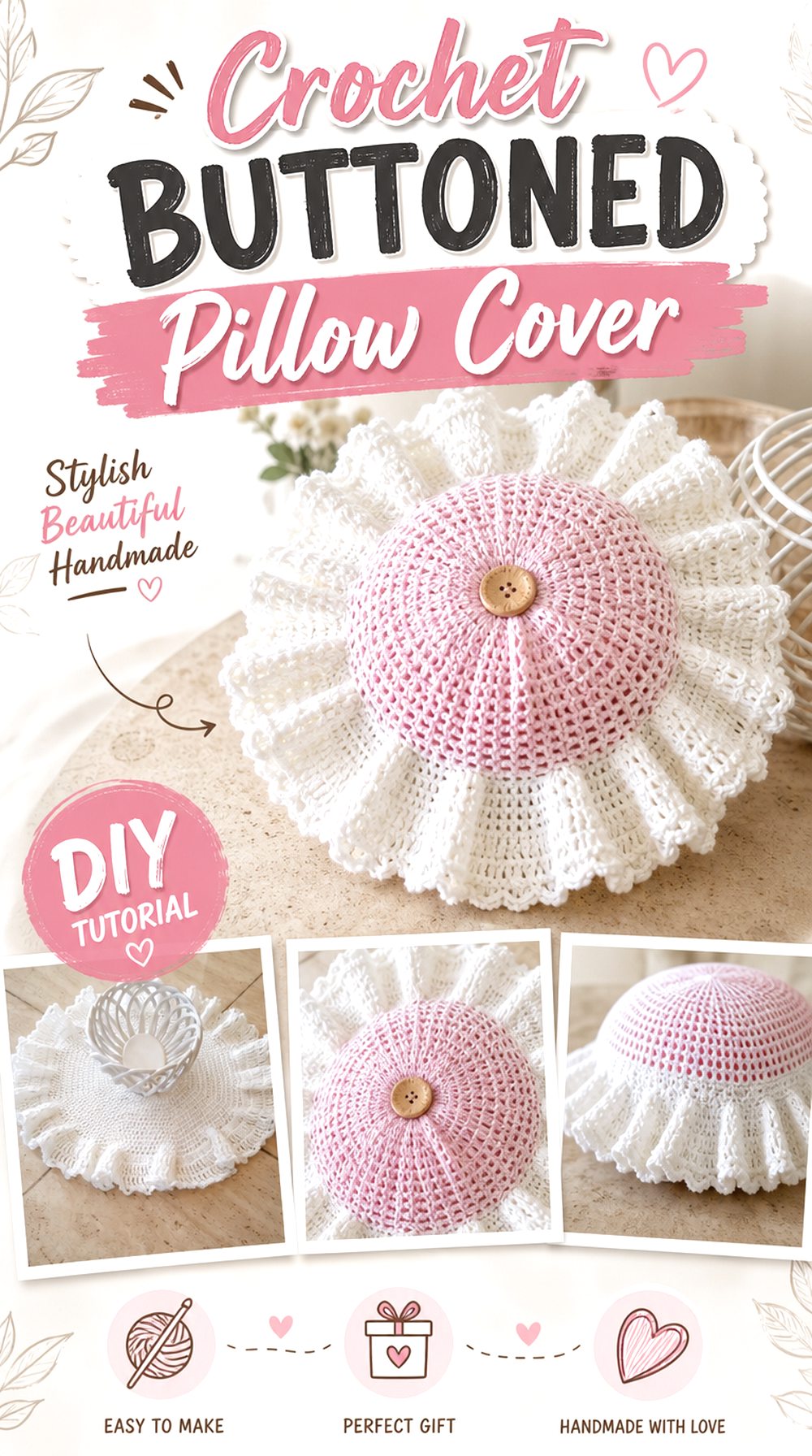
A pillow cover brings crochet texture to a sofa, chair, bed, or reading corner without taking over the whole room. This tutorial is especially useful for home decor because the description says it covers both a crochet pillow and a pillow cover, with options shown with and without a button.
That closure detail separates it from flat tabletop projects in this list. A pillow cover has to work around an insert, keep its shape from several angles, and look finished on furniture where the front, back, and edges may all be visible.
Confirm the Pillow Insert Fit
For a pillow cover, the insert matters as much as the crochet surface. Readers should confirm what size pillow or stuffing setup the creator uses before starting, because a loose cover can sag and a tight one can distort the stitches. The tutorial source should be used for exact construction details, especially where the cover is shaped around the pillow form.
Look Closely at the Closure
The description mentions versions with and without a button, so the closure is a real decision point. A buttoned finish may make the back more defined and easier to remove, while a non-buttoned version may keep the look simpler. Readers should check how much of the closure is visible and decide which option suits the side of the pillow that will face outward.
Think About Furniture Placement
A crochet pillow may sit upright on a chair, lean against other cushions, or lie flat on a bed. Each position shows a different part of the cover. Before choosing this project, readers should consider whether they want the crochet texture to be the main accent or a quieter layer among other pillows. The back view and edge finish are worth reviewing before placing it in a high-use seat.
Original Tutorial and Creator Credit
Creator: HelenMay Crochet
Crochet Mandala Wall Hanging

A mandala wall hanging gives a room a softer focal point than a framed print. The round motif shape works well above a desk, beside a bed, in a craft room, or anywhere a small wall needs color and texture. The source description also notes a separate assembly section, which makes the finishing stage an important part of the project.
This idea differs from the garland-like and storage pieces because it is made to be viewed on a wall. The balance of color, circle shape, and hanging finish matters more than storage capacity.
Choose the Wall Space First
A mandala wall hanging needs enough empty space around it so the round shape can be seen clearly. It may look crowded if placed too close to shelves, frames, or busy wallpaper. Before starting, readers should decide whether the piece will be a small accent or part of a larger gallery wall. That placement helps guide color contrast and the number of finished pieces displayed together.
Confirm the Material Notes
The source description lists yarn information and mentions that a written pattern is available, so readers should review the material notes before buying supplies. Since wall decor does not need the same wear resistance as a rug or pillow, the main concerns are stitch clarity, drape, and how neatly the piece hangs. Keeping the yarn label is still useful for future dusting or cleaning decisions.
Watch the Assembly Section Closely
The search result includes an assembly timestamp, which means the final hanging setup is not just an afterthought. Readers should slow down at that stage and compare the finished circle shape before attaching or displaying it. Assembly is also where spacing can change the final look, so it is worth checking the original source rather than guessing from the finished photo alone.
Original Tutorial and Creator Credit
Creator: The Crochet Swirl
Crochet Boho Hanging Plant Holder
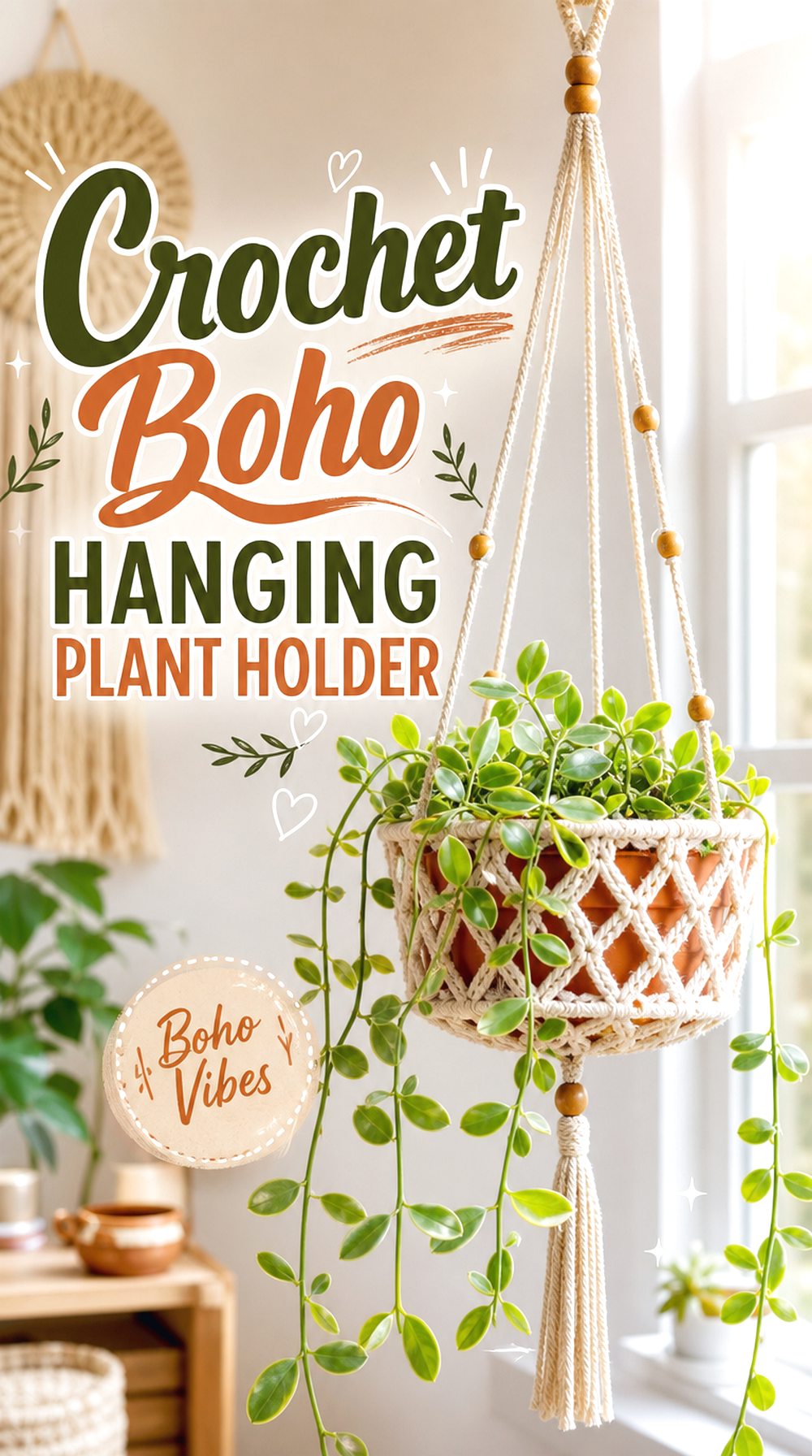
A crochet hanging plant holder is a smart decor project for rooms where surface space is limited. Instead of adding another pot to a table or shelf, the plant can hang near a window, in a corner, or beside other soft-textured pieces. This tutorial is described as a boho plant hanger, so the finished look is more about vertical display than tabletop decoration.
It stands apart from the basket because the weight and hanging position matter. Readers should think about the plant container, the hanging point, and how easy the pot will be to remove when needed.
Plan the Hanging Position
The first practical choice is where the plant holder will hang. A window area may give better light, while a wall hook or ceiling hook changes how the holder is viewed. Readers should avoid choosing the project by style alone and check whether the finished holder will fit the pot and the room height. The hanging position also affects how easy it is to water or move the plant.
Match It to the Container
A plant holder has to work with a real pot, not just look good empty. The source result does not clearly state finished measurements, so readers should confirm sizing details in the original tutorial before choosing a container. A snug fit may keep the pot centered, while too much extra space could make the display look uneven. Pot shape, rim width, and base width all matter.
Consider Moisture Exposure
Because this project is used near plants, moisture is worth thinking about. The available information does not confirm water-safe fiber or care instructions, so readers should avoid assuming it can handle wet soil, dripping pots, or outdoor weather. A liner, saucer, or removable pot setup may be needed depending on how the plant is watered, but those details should be checked against the creator’s guidance.
Original Tutorial and Creator Credit
Creator: Baecrochett by Lizzy & Becky
Crochet Floor Rug for a Soft Decor Layer

A crochet rug can visually warm up a small floor area, especially near a bed, chair, doorway, or cozy reading space. Unlike a runner or placemat, this project is meant for the floor, so size, thickness, and how the rug behaves underfoot become important checks.
The selected source is a crochet rug tutorial for the house. Since the available result does not provide detailed measurements or care notes, readers should use the original video to confirm whether the finished rug suits the intended room and level of foot traffic.
Check the Finished Footprint
A rug changes how a room feels only if the size works with the surrounding furniture. A small rug can define a bedside or chair-side spot, while a larger one needs more open floor. The source result identifies the project as a crochet rug, but it does not clearly state dimensions. Readers should confirm the finished footprint before choosing it for a doorway, bathroom, or seating area.
Think About Surface Protection
Floor pieces need more caution than wall or shelf decor. The tutorial source should be checked for any notes about backing, slipping, thickness, or placement, because those details affect how the rug can be used safely. Without clear support information, readers should avoid assuming it will stay flat on every surface. The final location should be chosen with both decor and daily movement in mind.
Consider Cleaning Needs
A rug collects dust and floor contact faster than a pillow cover or wall hanging. The search result does not provide care instructions, so readers should keep the yarn label and review any care guidance from the creator before placing it in a high-use area. A decorative rug beside a chair may need different care than one near shoes, pets, or damp floors.
Original Tutorial and Creator Credit
Creator: ByActual
Crochet Long Table Runner
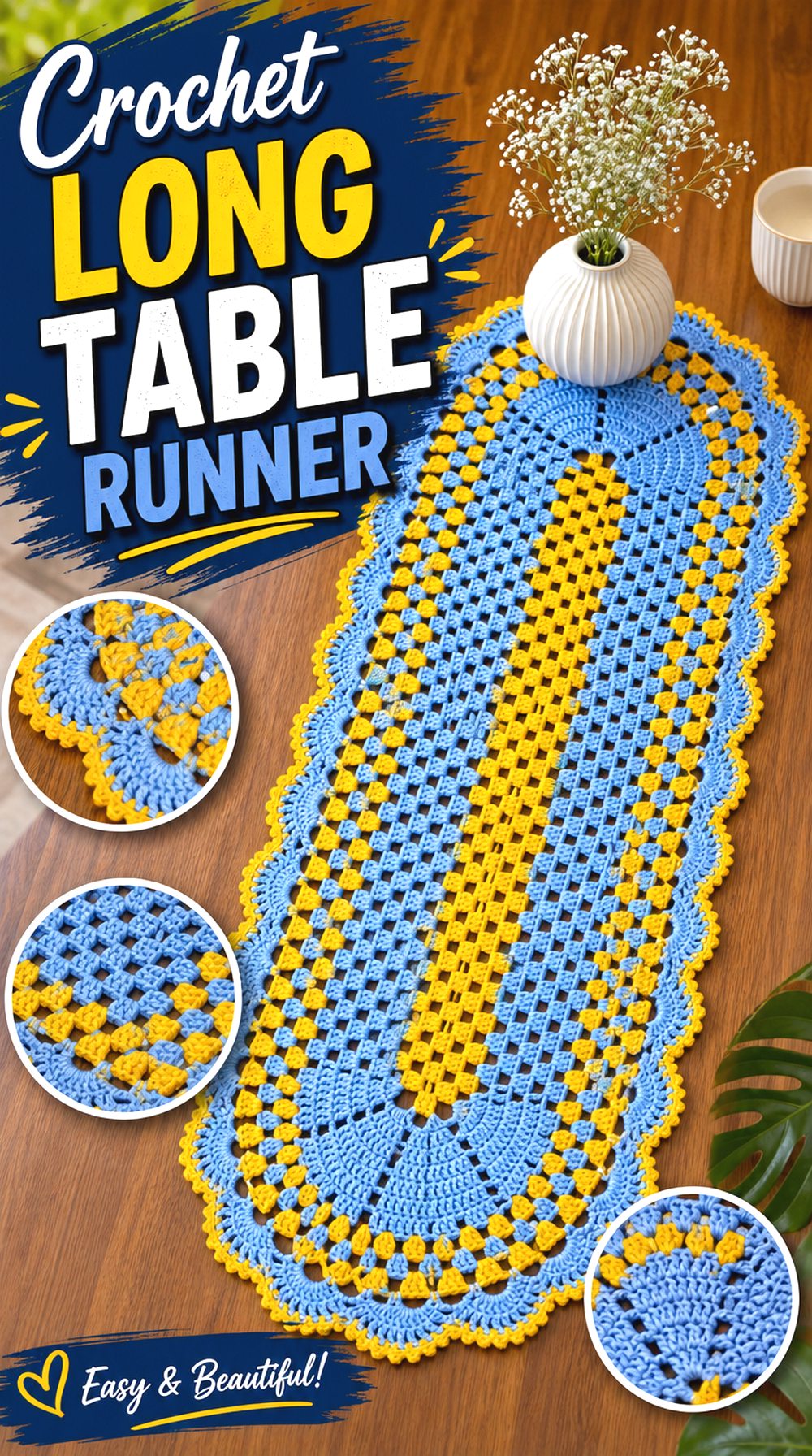
A table runner gives a dining table, console, coffee table, or sideboard a clear center line. This crochet version is different from placemats and coasters because it covers length rather than individual place settings. It can sit under a centerpiece, soften a bare surface, or connect separate decor objects into one display.
The selected tutorial is for a simple crochet table runner. Readers should think about the table length, overhang, and how much of the wood or surface they still want visible before starting.
Measure the Table Area
A table runner should fit the surface it is meant to decorate. Too short can look disconnected, while too long may interfere with chairs or daily use. The search result does not provide detailed sizing, so readers should confirm the finished measurements in the source. It is also useful to decide whether the runner will sit on a dining table, coffee table, dresser, or console before choosing colors.
Think About Surface Protection
A crochet runner can visually soften a table, but it should not be treated as full protection unless the creator provides care and use guidance. Readers should consider what will sit on top of it, such as vases, trays, or light seasonal decor. For hot dishes, wet items, or heavy centerpieces, the original tutorial and yarn information should be reviewed before relying on the piece.
Keep the Length Visually Straight
Long crochet projects make edge alignment more noticeable. A runner placed down the center of a table should look even from both sides, so readers may want to compare the shape as the project grows. The original tutorial is the right place for exact stitch counts and construction details, but the decor decision is simple: the finished piece should lie cleanly with enough breathing room around it.
Original Tutorial and Creator Credit
Creator: The Art Zone
Crochet Everyday Table Placemat
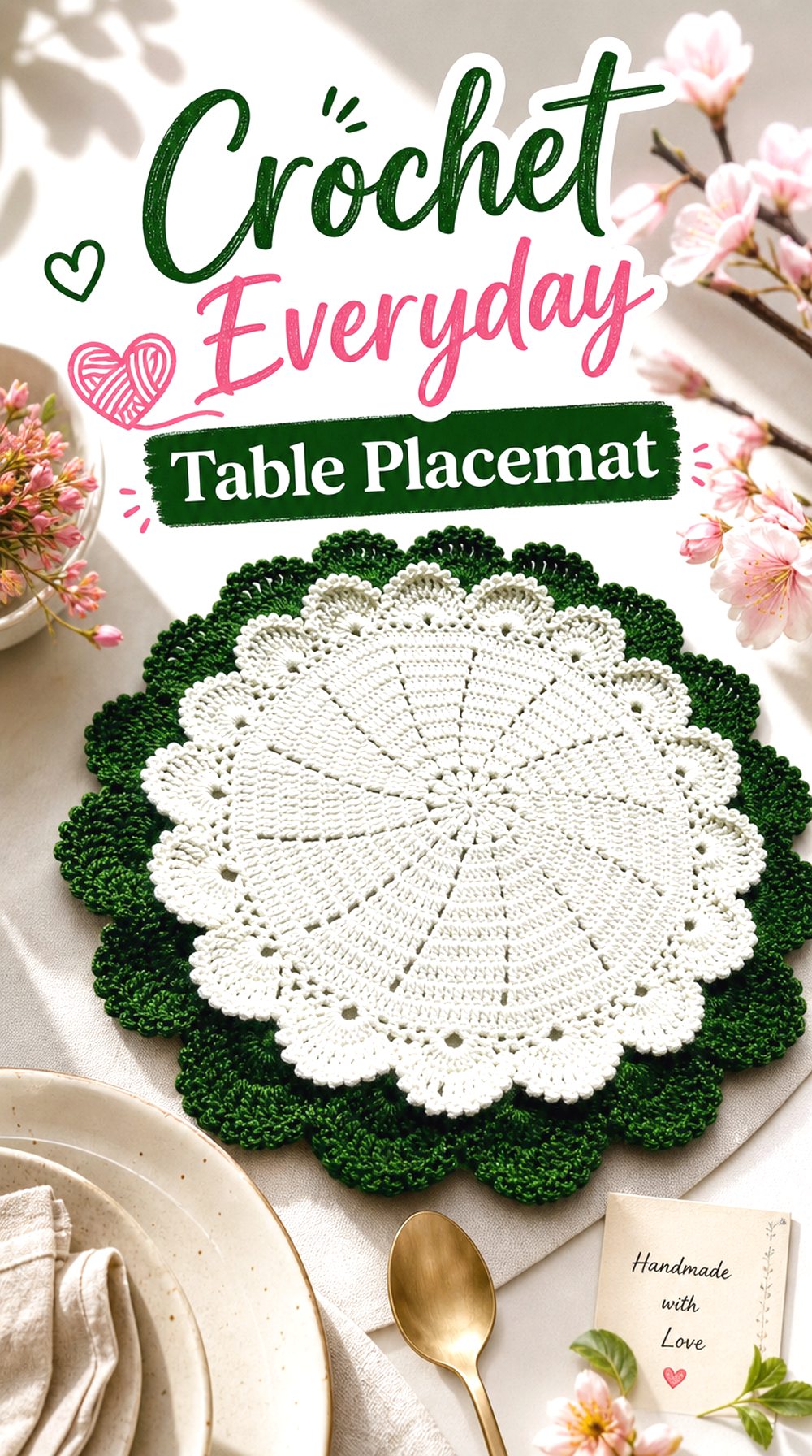
A crochet placemat is a smaller table project with a more personal use than a runner. Instead of decorating the full center of a table, it frames one place setting or one small surface area. That makes it useful for dining tables, breakfast corners, trays, or a neat desk drink-and-snack spot.
This tutorial is described as a crochet placemat. It belongs in the home decor mix because it can coordinate with coasters, runners, or napkins while still being easy to move and store when the table needs to be cleared.
Plan the Place Setting
A placemat should be chosen around the items that will sit on it. Readers may want to compare the finished size with a plate, bowl, mug, or tray before deciding how many to make. The available source result does not clearly state dimensions, so the original tutorial should be checked for size notes. Matching the placemat to actual table use prevents it from becoming only a decorative flat piece.
Think About Cleaning
Table projects are handled often and may come near food, drinks, and crumbs. The source result does not confirm care instructions, so readers should keep the yarn label and look for any washing or fiber notes from the creator. A placemat meant for occasional display may have different needs from one used at every meal. Color choice also matters if the item will see frequent use.
Consider Storage After Use
Unlike a wall hanging or pillow, placemats may be stacked, folded, or moved between meals. Readers should check whether the finished fabric looks flexible enough for their preferred storage method. A flatter placemat may slip easily into a drawer, while a thicker one may need shelf space. The original tutorial should be used for exact construction, but storage is a practical decision for the room.
Original Tutorial and Creator Credit
Creator: My crochet creations
Crochet Small Cup Coaster

A crochet coaster is the smallest tabletop project in this collection, but it can still change how a desk, nightstand, coffee table, or tray looks. This tutorial focuses on a single coaster, making it a compact decor item that can be repeated into a set if the creator’s instructions are followed.
The coaster differs from the placemat because it is meant for cups or small objects rather than full place settings. Its value comes from scale, portability, and how easily the color can tie into nearby decor.
Match It to the Surface
A coaster should suit the surface where it will be used most often. A bedside table, work desk, or coffee table may call for different colors or thickness. Readers should think about whether the coaster will sit alone, beside a plant, or with a matching set. The original tutorial should be checked for finished size so the piece works under the cups or small items already in the home.
Check the Finished Thickness
Thickness affects how a coaster looks and functions. A very textured coaster may feel decorative, while a flatter one may support cups more evenly. The search result does not confirm thickness or absorbency, so readers should avoid assuming it works for every drink or surface. Looking at the final side view, if available, can help decide whether it suits daily use or light decorative placement.
Use Small Projects for Color Testing
A coaster can be a low-commitment way to test a room color before making a larger runner, pillow, or rug. Because it is small, the shade can be compared against wood, ceramic, glass, or fabric nearby. Readers should still follow the creator’s exact tutorial for construction, but the decor planning can focus on whether the color looks calm, bright, seasonal, or neutral in the intended spot.
Original Tutorial and Creator Credit
Creator: karma crochet
Crochet Tissue Box Cover
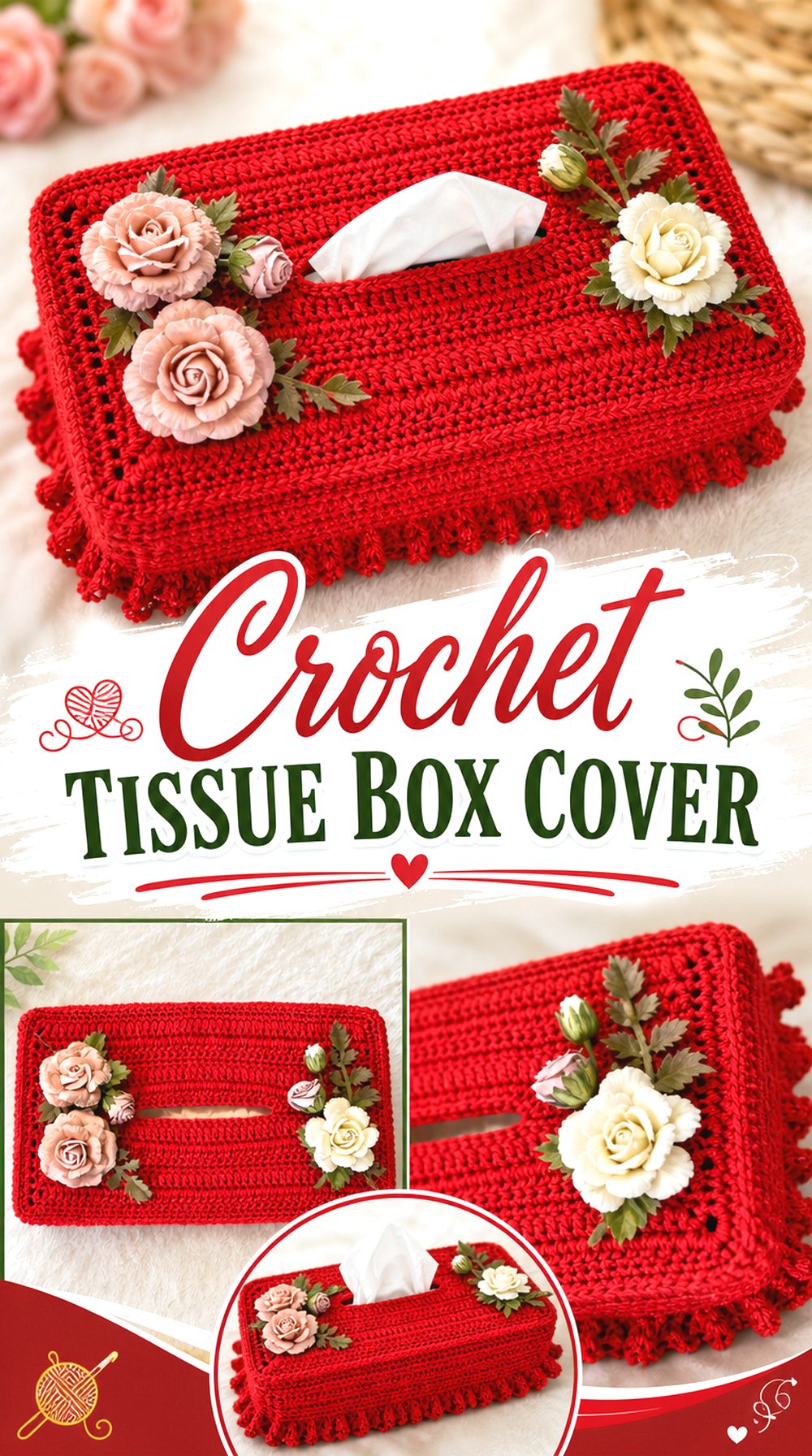
A tissue box cover turns a plain household item into part of the room instead of something to hide. It works well on bedside tables, bathroom counters, living room shelves, or office desks where tissue boxes are visible every day. The selected tutorial also notes that an embellishment is optional, which gives readers a clear style decision.
This project is different from a basket because it is made around a specific object. Fit, top opening, and box size matter more than open storage.
Match the Box Shape
A tissue cover needs to fit the box it will sit over. Readers should compare the box shape at home with the one used in the tutorial before starting. A cover made for one tissue box style may not sit correctly on another. The opening on top should also line up cleanly so the box remains usable, not just decorative.
Decide on the Embellishment
The source description says the embellishment is optional and mentions paper crafted rose flowers. That makes the finish a style choice rather than a required crochet feature. Readers who want a softer, cleaner cover may leave extra decoration off, while a more ornate room may suit an added accent. Any glued-on decoration should be considered separately from the crochet construction and handled according to the source guidance.
Think About Daily Handling
A tissue box cover may be lifted off whenever the box is replaced, so the sides and top opening need to stay neat after handling. Readers should check how the cover sits on the box and whether the underside is shown. If the room is busy or shared, a simpler finish may be easier to keep tidy than raised decoration that catches on nearby items.
Crochet Flower Curtain Holder
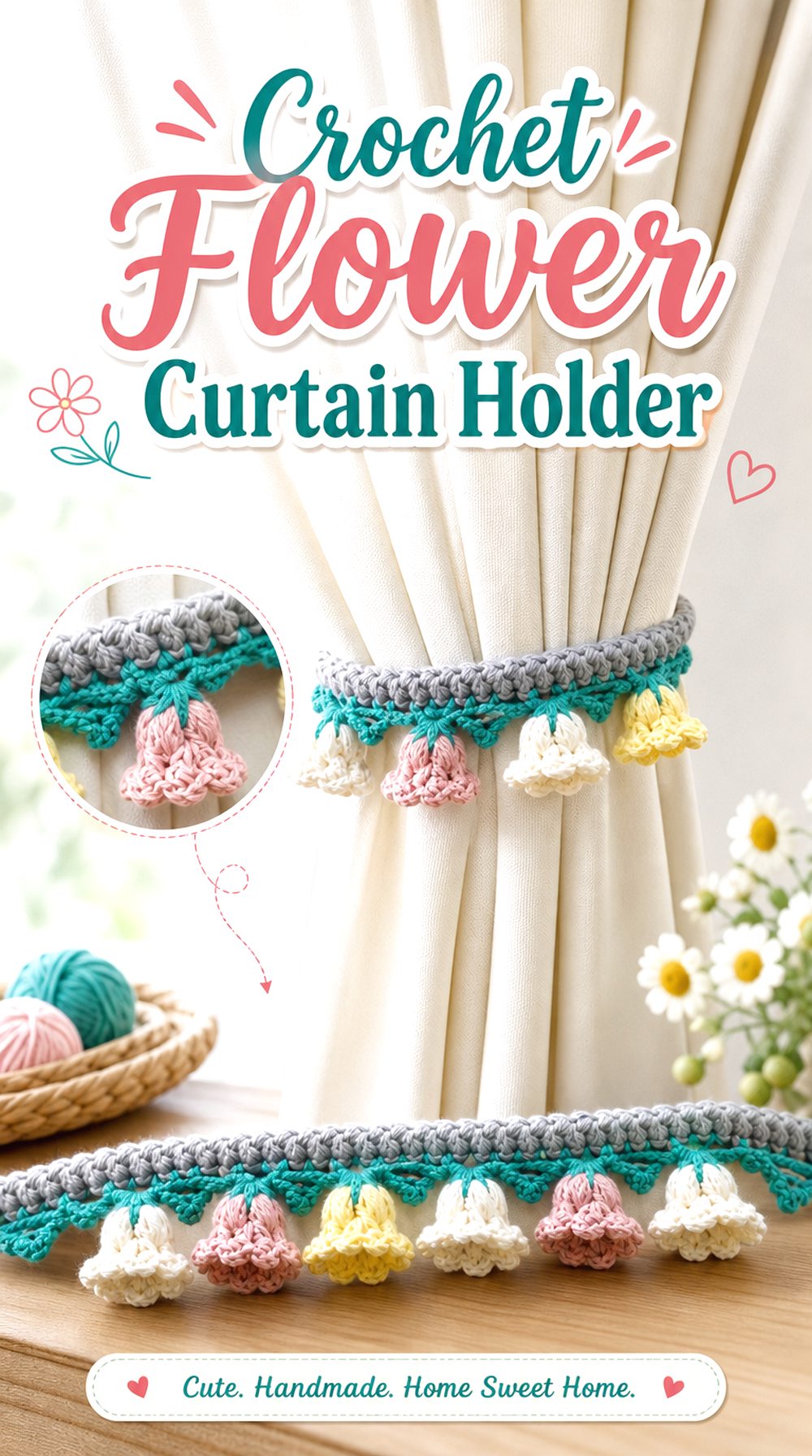
A crochet curtain holder is a home decor project that changes both the window and the light in a room. This tutorial’s source result mentions flowers and a cord, so the finished idea appears to combine a functional tieback shape with decorative floral detail.
It differs from wall hangings because it is meant to interact with fabric. Readers should think about curtain weight, window height, and whether the holder will be used daily or only when the curtains are pulled back for light.
Plan the Curtain Position
A curtain holder should be placed where the curtain naturally gathers. Too high can make the fabric look strained, while too low may block light. Readers should decide whether the holder is for a bedroom, living room, or craft space before choosing the final look. The original tutorial should be used for exact making details, but the placement decision depends on the curtain and window.
Check How It Attaches
The source result describes a curtain holder and mentions a cord, which makes attachment important. Readers should check whether the tutorial shows how the holder closes around the curtain and whether extra hooks, ties, or wall hardware are involved. A holder used every day needs a practical attachment method, while a decorative window treatment may be handled less often.
Keep the Flowers Visible
Because the material notes mention flowers, the floral part should not disappear into the curtain folds. Contrast between the curtain fabric and the crochet color can help the detail remain visible. Readers should also consider whether the flowers face forward neatly once the curtain is gathered. The finished position matters as much as the crocheted piece itself.
Original Tutorial and Creator Credit
Creator: Handmade by Derya
Crochet LED Candle Holder
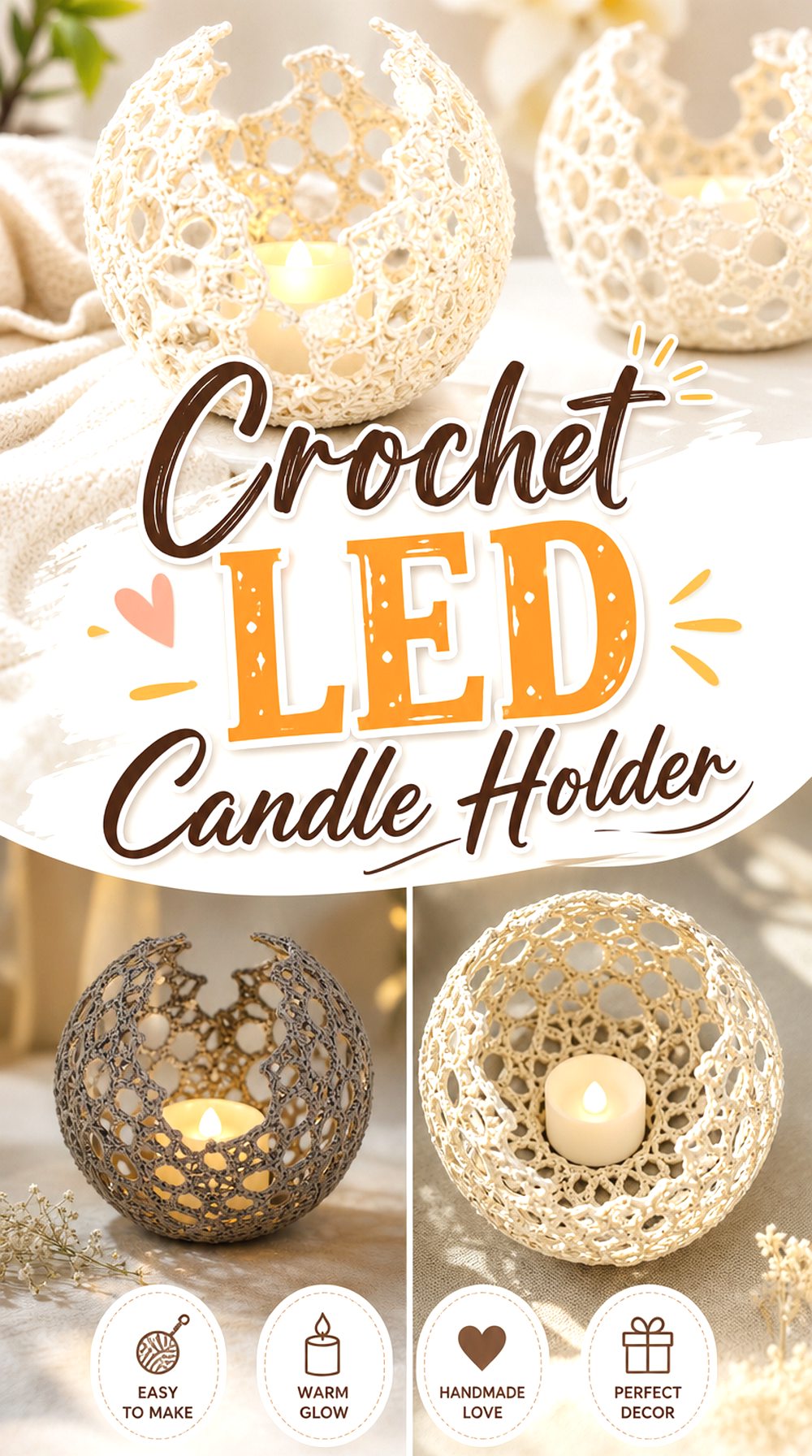
A crochet candle holder can create a soft centerpiece effect for a table, mantel, shelf, or seasonal display. This tutorial is especially useful because the description says it includes two forms: a simple hemisphere-shaped holder and a shell-shaped holder. It also clearly advises using an LED candle rather than a real tea light.
That safety note makes the project better suited to decorative lighting than functional flame use. The finished piece can be styled for holidays, dinners, or quiet shelf displays.
Use LED Light Only
The creator’s description advises against using a real tea light because it could burn or damage the crochet work. Readers should treat this as an LED candle holder, not an open-flame candle holder. That single detail changes how the project should be displayed and stored. It may still bring a warm look to a room, but only with a safe light source that matches the creator’s warning.
Compare the Two Shapes
The source description mentions a hemisphere-shaped version and a shell-shaped version. Readers should compare the final looks before choosing one, because each shape will sit differently in a display. A rounded form may feel softer and simpler, while a shell-like shape may suit a more decorative table setting. The original tutorial should be followed for the selected shape rather than mixing details from both.
Check the Stiffening Method
The description says the work is stiffened with a mixture and shaped on polystyrene balls. That means the finishing process affects the final form more than it would for a soft coaster or pillow. Readers should review the stiffening and shaping information carefully before starting, especially if the holder needs to sit evenly. Drying space and shaping support may be just as important as the crochet portion.
Original Tutorial and Creator Credit
Creator: Francesca Uncinettando Crochet&Love
Crochet Wall Organizer with Pockets

A crochet wall organizer brings storage into vertical space, which makes it useful for craft rooms, bedrooms, entry corners, or small work areas. The source description mentions a back panel, small pockets, pocket sizes, a wooden dowel, and tassels, so this project has both practical and decorative parts.
It is different from the freestanding basket because it hangs on the wall and sorts items into pockets. Readers should think about what they want to store before choosing this project, since pocket size and hanging support affect its usefulness.
Decide What the Pockets Will Hold
A wall organizer works best when the contents are planned first. Small craft tools, notes, lightweight accessories, or desk items may need different pocket depths. The tutorial source includes a section on pocket sizes, so readers should review that part before assuming it will fit their items. This is still decor, but its value depends on how well the pockets match the room’s daily clutter.
Check the Hanging Support
The description mentions a wooden dowel, which means the hanging method is part of the final structure. Readers should check how the dowel is used and whether the finished organizer needs a hook, cord, or other wall support. Since the source result does not confirm weight capacity, it is best to avoid loading the pockets heavily unless the creator gives clear guidance.
Think About the Tassel Finish
Tassels can make a wall organizer feel more decorative, but they also change where it fits visually. In a quiet room, tassels can add movement and softness. In a busy entryway or work area, readers may prefer to keep the lower edge tidy and easy to manage. The finishing section is worth reviewing so the organizer looks intentional once it is hanging.
Original Tutorial and Creator Credit
Creator: Fuzzy Stitches
Conclusion
These crochet home decor ideas cover several parts of a cozy room without repeating the same project type. Choose the storage basket or wall organizer for clutter control, the pillow and rug for softness, the table runner, placemat, coaster, and candle holder for surfaces, and the wall hanging, plant holder, tissue cover, and curtain holder for visible accents. The best starting point is the spot you want to improve first. After that, compare size, support, cleaning needs, and daily handling, then use the original tutorials for exact construction details.
FAQs
How do I choose the right crochet home decor project?
Start with placement. A wall, table, shelf, sofa, window, and floor all need different project types. Then think about use. A pillow or rug will be handled differently than a wall hanging. After narrowing the location, check the tutorial for finished size, materials, support, and any care notes before choosing.
Which crochet home decor ideas are best for small spaces?
Hanging projects often work well in small spaces because they use vertical room instead of surfaces. A wall organizer, plant holder, curtain holder, or mandala wall hanging can add texture without taking over a table. Small tabletop projects, such as coasters or a tissue cover, can also work if the surface is not already crowded.
What should I confirm before making crochet decor for a table?
For table decor, confirm finished size, thickness, and care information. A runner, placemat, coaster, or candle holder should sit neatly on the surface and suit the items placed near it. For the candle holder in this list, the creator specifically advises using LED light rather than a real tea light.
Can I change the colors in crochet home decor tutorials?
Color changes are usually a styling decision, but the tutorial should still guide the construction. For decor, compare colors with the room’s furniture, walls, curtains, and existing textiles. High contrast can show stitch detail clearly, while softer tones may blend into a calmer room. Avoid changing yarn type unless the creator gives enough information to support it.
Can I sell finished crochet home decor made from YouTube tutorials?
Do not assume selling is allowed just because a tutorial is public. Check the creator’s description, website, pattern terms, or pinned comments for usage rules. Some creators allow finished-item sales, while others may limit commercial use or request credit. Local labeling, safety, and business requirements may also apply, especially for home items used around heat, children, or pets.