Textured bobbles can turn a simple sweater shape into a garment with clear depth, rhythm, and personality. These seven Crochet textured bobble sweater ideas include cropped pullovers, oversized layers, color-block designs, and open-front cardigans, giving readers several ways to use raised stitches without relying on one silhouette. Some place bobbles across the body, while others reserve them for sleeves, stripes, or a central panel. The guide also compares fit, positive ease, yarn weight, seam placement, sleeve shape, and layering potential. Whether you prefer a close cropped finish or a relaxed outer layer, the practical notes will help you judge how each Crochet design may sit, stretch, and work with the clothes already in your wardrobe.
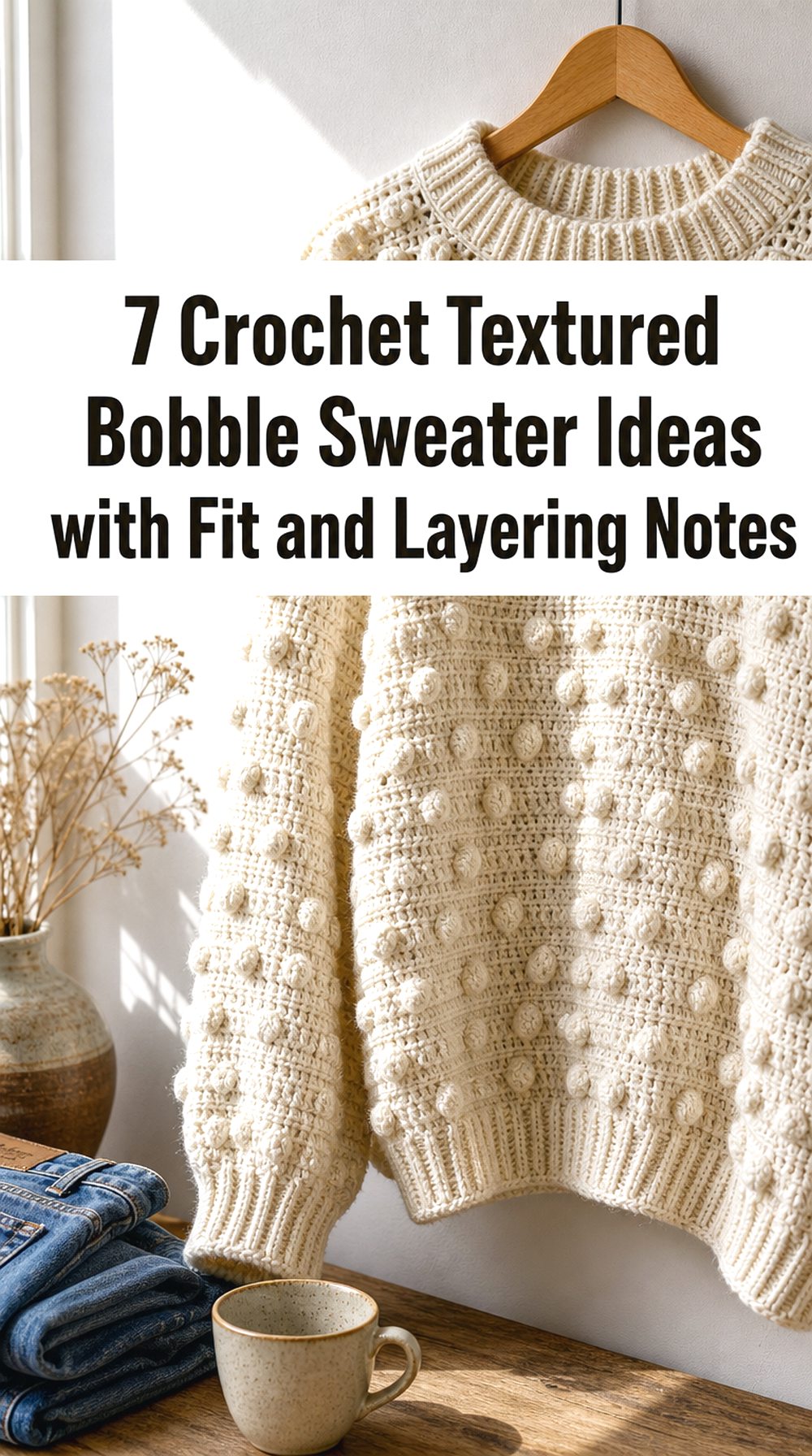
Quick List
- Crochet Dottie Cropped Bobble Sweater
- Crochet Bits and Bobbles Three-Quarter Sleeve Sweater
- Crochet Honeycomb Open-Front Bobble Cardigan
- Crochet Chunky Bobble Sleeve Cardigan
- Crochet Bobbles Galore Color-Block Sweater
- Crochet Bubble Pop Oversized Bobble Sweater
- Crochet Luv Puff Color-Block Sweater
How to Choose a Crochet Textured Bobble Sweater for Fit and Layering
Start with the intended ease. A close or true-to-size bobble sweater gives a neater outline, but raised stitches can make the fabric feel fuller, so check the finished bust rather than choosing only by the size label. Oversized versions need enough shoulder and sleeve room to layer comfortably without becoming bulky under a coat.
Next, compare yarn weight and drape. Lighter yarn can keep dense texture more flexible, while super-bulky yarn creates a stronger sculptural look and a warmer, heavier garment. Sleeve placement matters too: all-over bobbles create a bold surface, whereas bobble sleeves or narrow textured bands provide interest with less overall volume.
Construction affects adjustment. Rectangular panels are straightforward to lengthen, but any change should be repeated on matching pieces. For seamed sweaters, check shoulder width, armhole depth, and sleeve length before assembly. Finally, plan blocking gently. The aim is to settle seams and even the fabric without flattening the raised bobbles.
Crochet Dottie Cropped Bobble Sweater
Design Details
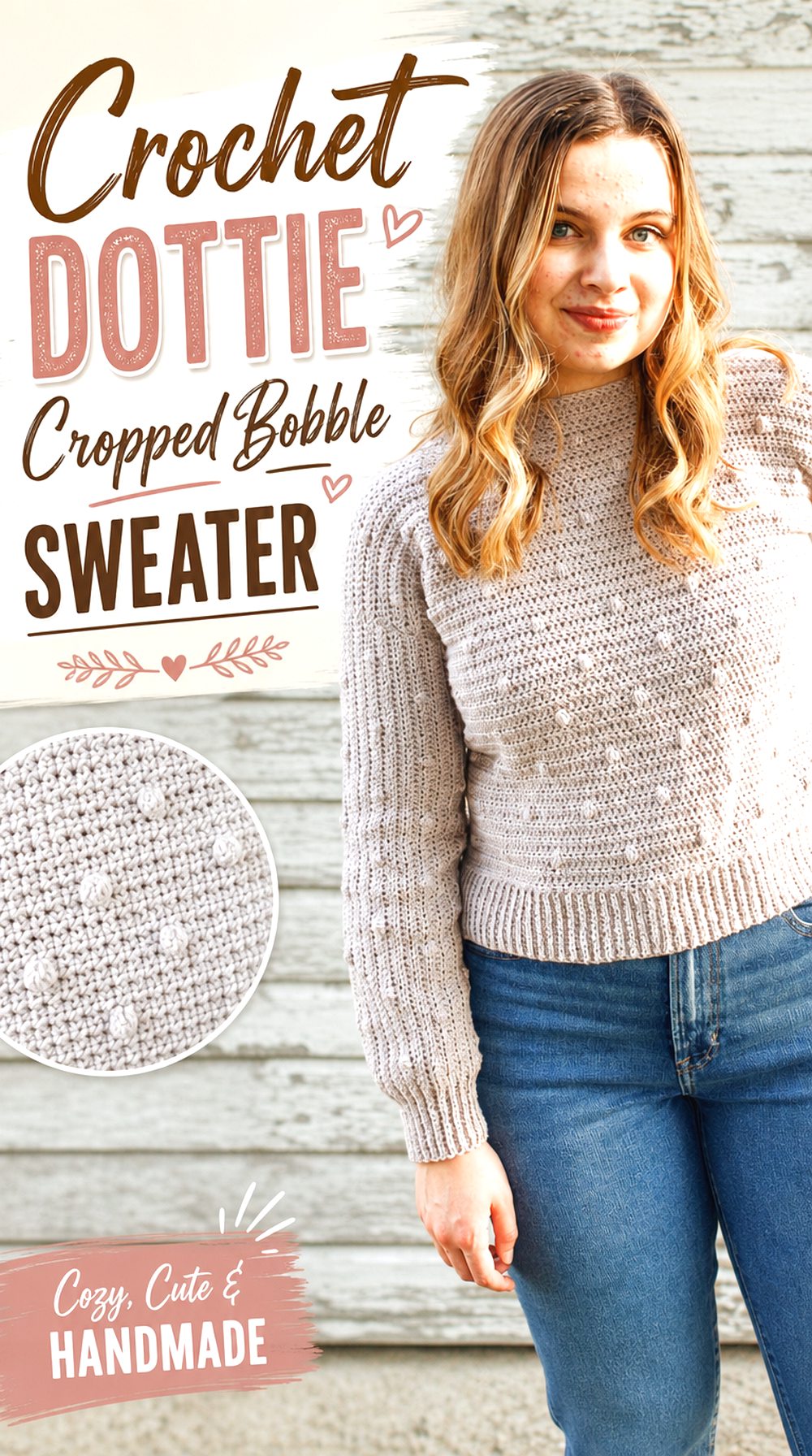
The Dottie Sweater uses a cropped, true-to-size silhouette with small bobbles spaced across a smoother half-double-crochet fabric. Ribbing at the lower edge and cuffs gives the Crochet pullover a defined finish, while the lighter-weight yarn keeps the raised texture from looking overly heavy. The front and back are worked as separate bottom-up panels, and the sleeves are made separately before seaming.
Best Use
This shape works well with high-waisted trousers, jeans, or a skirt because the shorter body keeps the waist visible. Readers between sizes should note that the original design allows little ease, so sizing up may provide more comfortable layering. The trade-off is that a closer fit highlights any variation in gauge; measure the panel width before joining the seams.
Crochet Bits and Bobbles Three Quarter Sleeve Sweater
What Stands Out
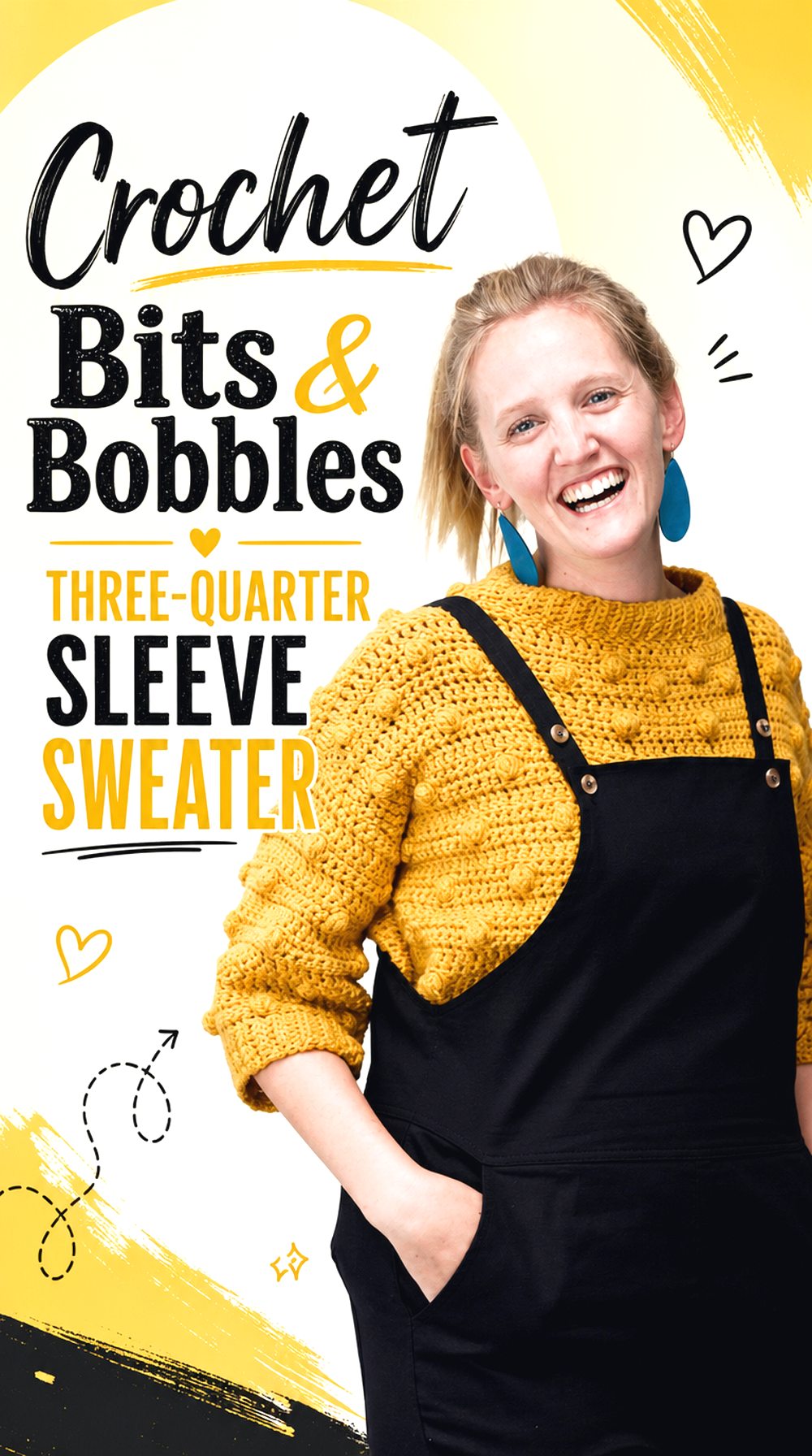
Bits and Bobbles combines alternating raised dots with flatter double-crochet sections, creating a regular textured rhythm across a cropped body. The Crochet sweater has three-quarter sleeves, lower ribbing, and a straightforward four-panel construction. Adult sizing extends across a wide range, and the page also separates child instructions from the adult version.
Fit and Finish
The shorter sleeves make this a useful transitional layer when full-length cuffs feel too warm. It can be worn over a fitted tank or thin long-sleeve top, depending on the season. The pattern is designed with modest positive ease, but the crop length is easy to notice, so compare the stated finished length with a favorite sweater before starting. Adding body rows changes yarn use and proportion; keep the front and back panels identical.
Crochet Honeycomb Open Front Bobble Cardigan
Why It Works
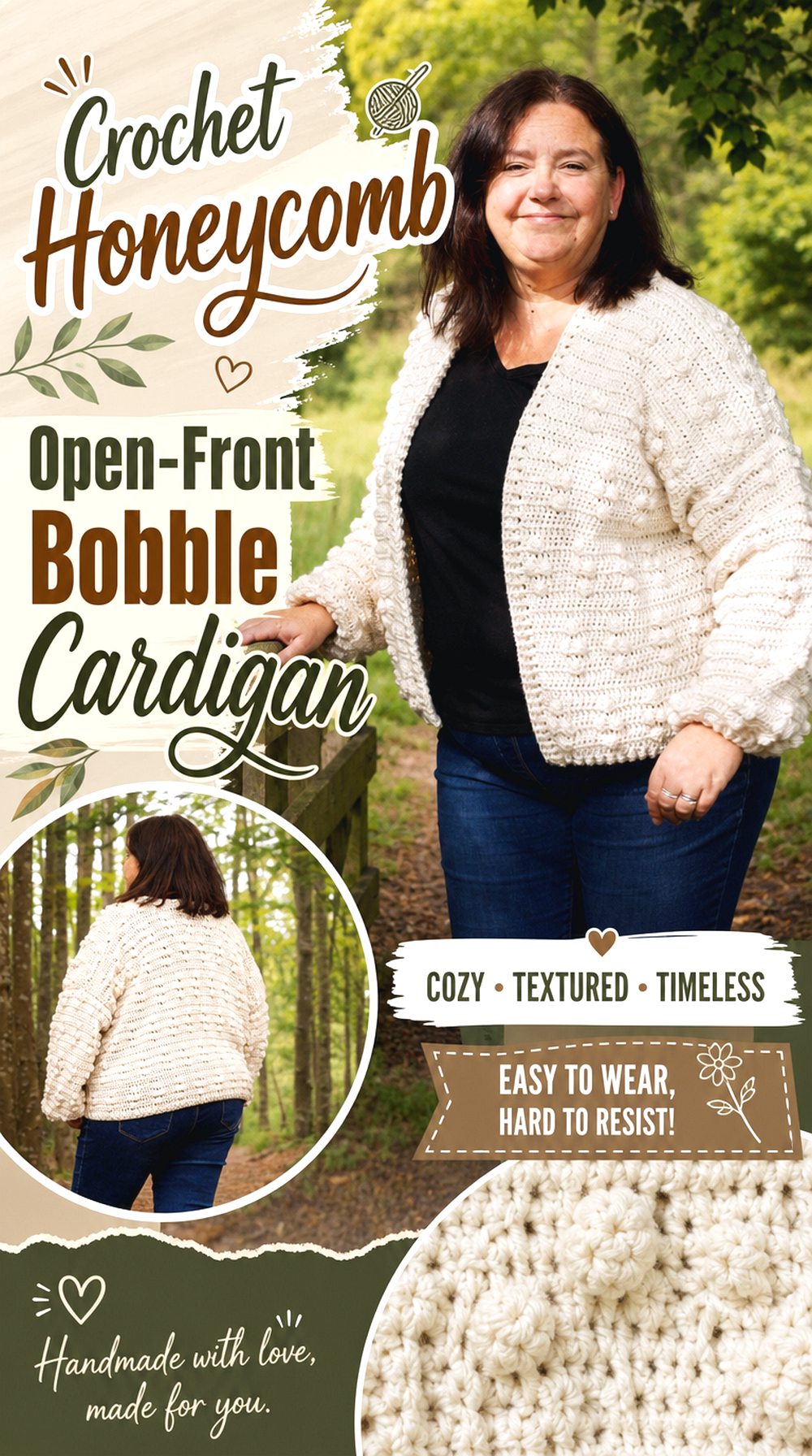
The Honeycomb Cardigan arranges bobbles in a repeating formation that resembles small connected cells rather than random dots. Its open front, rectangular body pieces, and DK-weight fabric create a practical Crochet layer that can sit over a shirt, dress, or lightweight knit. The back and two fronts are worked separately, while the sleeves are made in joined rounds.
Before You Choose
This design is intended to have a generous fit, so decide whether you want a relaxed drape or a neater cardigan before selecting a size. A tonal yarn lets the honeycomb texture lead; a deeper color can make the shadows between bobbles more visible. Because five pieces must meet cleanly, pin the shoulders and side seams before joining. The open front offers easy layering but provides less wind protection than a closed pullover.
Crochet Chunky Bobble Sleeve Cardigan
Construction Focus
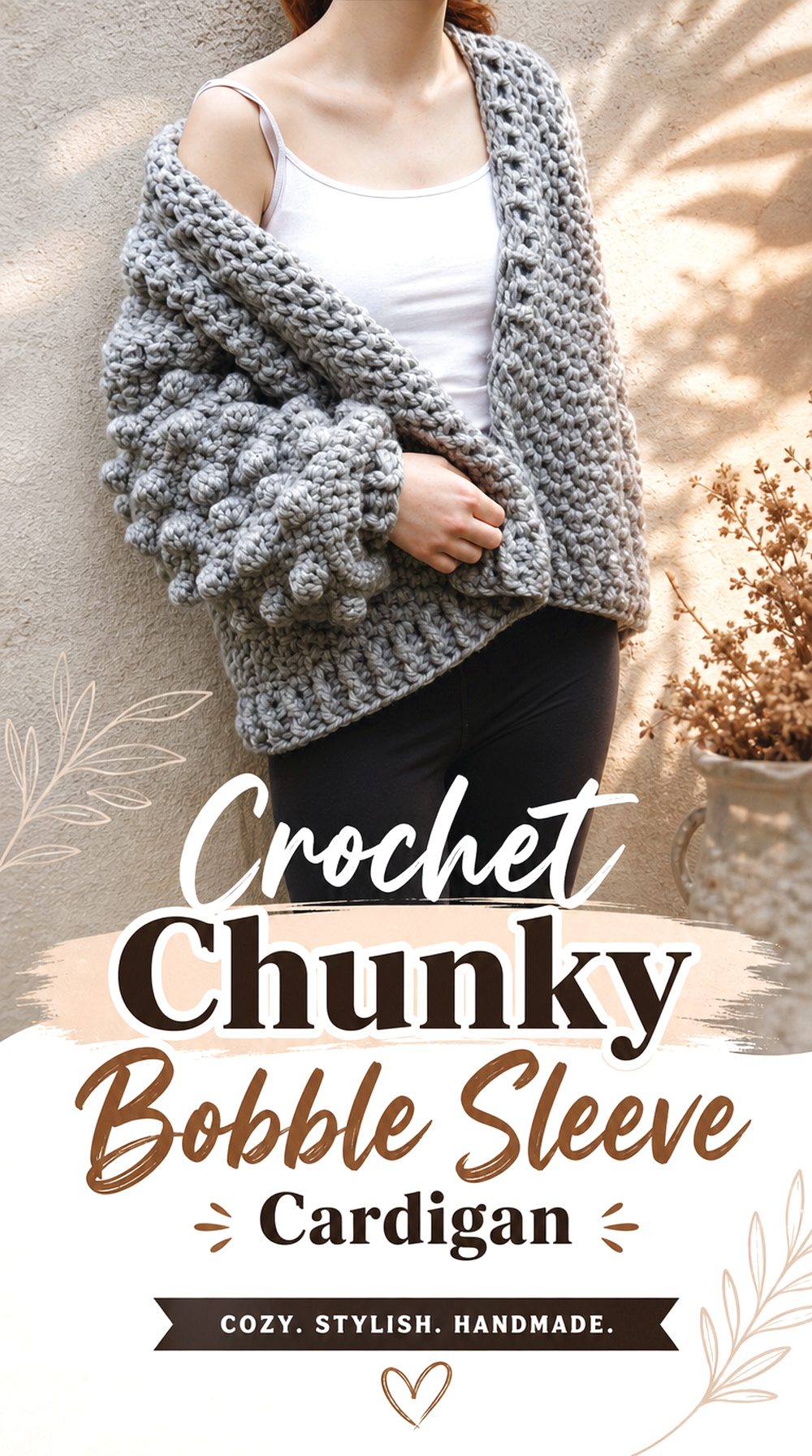
This chunky Crochet cardigan pairs an airy chain-space body with dense bobble sleeves, producing strong contrast between the torso and arms. Super-bulky yarn and wide ribbed-style edging give the open front a substantial frame. The sleeve bobbles repeat in offset rows, then narrow toward the cuff before the pieces are sewn into the armholes.
Who It Suits
The design suits readers who want dramatic sleeve texture without covering the whole garment in bobbles. It works best as a visible outer layer over simple fitted clothing, where the sleeves remain the focal point. The written page uses one starting count and directs makers to work body length to their own measurement rather than presenting a full graded size table. Careful swatching and measuring are therefore especially important, and super-bulky yarn may feel too warm for indoor layering.
Crochet Bobbles Galore Color Block Sweater
Color Direction
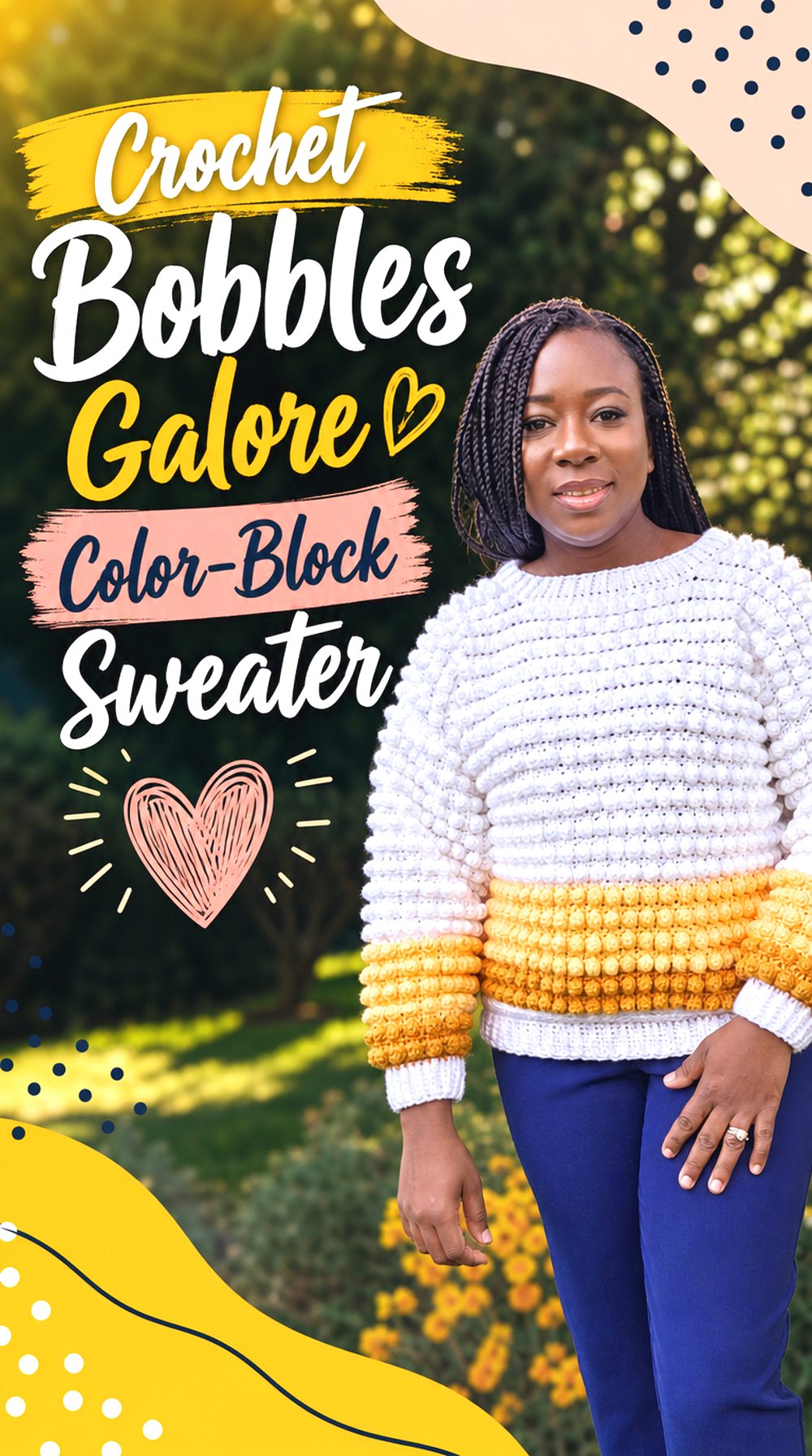
Bobbles Galore uses dense rows of raised stitches with crossed half-double-crochet texture and clearly separated color areas. The sample combines a light main shade with chocolate and mustard accents, giving the Crochet pullover a graphic, warm-toned look. Ribbing finishes the lower edge, and the sleeves are worked in rounds after the two body panels are joined.
Customisation Idea
The pattern covers a broad size range and discusses both oversized and same-size choices. For a quieter version, keep the bobble sections in one color and let texture provide the contrast; for a stronger effect, use three shades with similar depth so no single stripe overwhelms the shape. The plentiful bobbles create a dense surface and can increase yarn use, so confirm the full yardage before choosing an expensive fiber. Repeat any length adjustment on both body panels.
Crochet Bubble Pop Oversized Bobble Sweater
Design Details
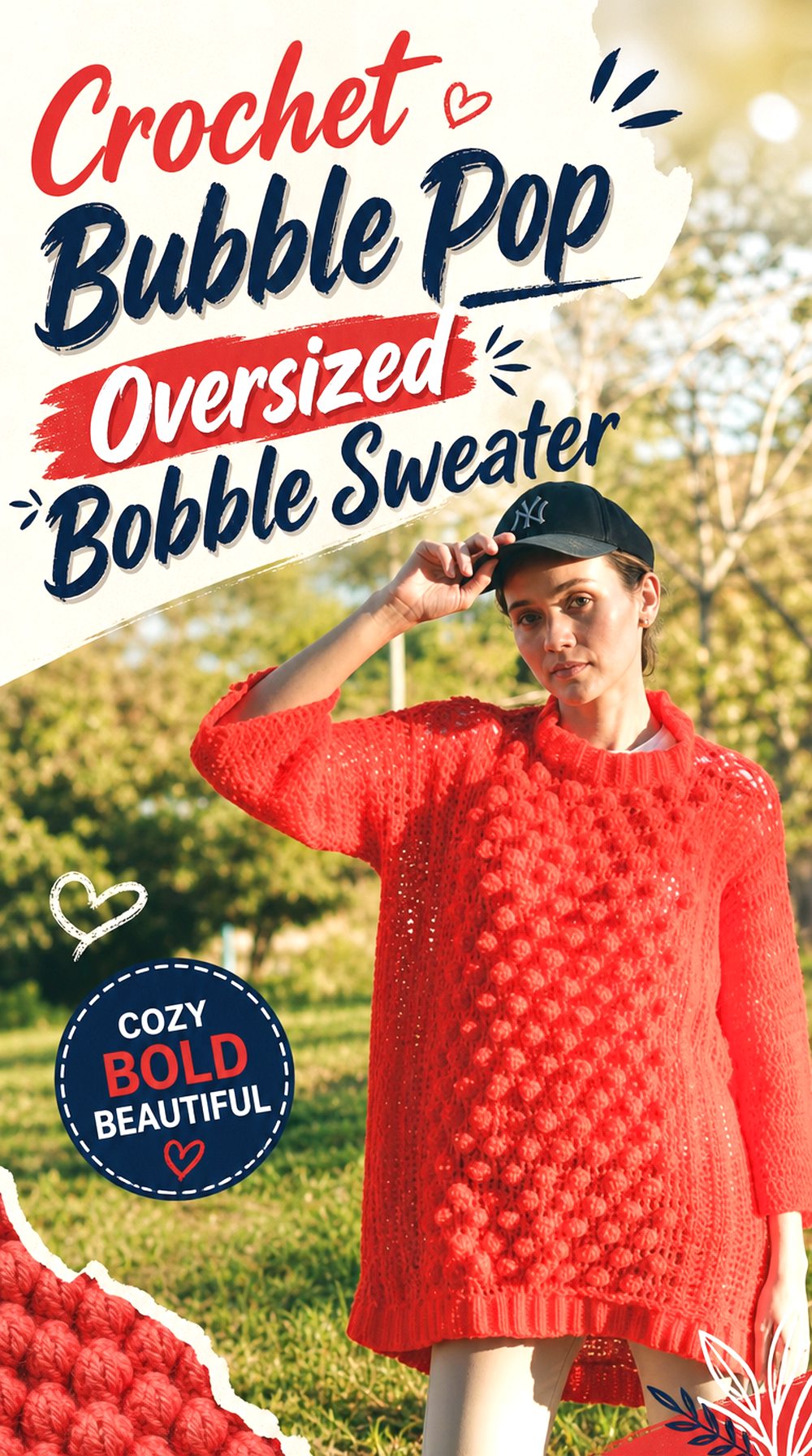
The Bubble Pop sweater places its strongest bobble texture in a central front panel, then builds wider side sections in back-loop double crochet. The back is flatter, allowing the Crochet garment to keep a clear front focal point without repeating the heaviest texture everywhere. Two rectangular pieces form the relaxed, oversized body.
Practical Point
This is a useful choice for readers who like a broad, casual silhouette and want to adjust width through added side rows. The centered panel looks especially clear in a solid color, while a contrasting panel could make the construction more graphic. Check the finished width against a loose sweater you already wear, because adding equal rows to both sides changes the drop at the shoulder as well as the body circumference. The simple rectangular shape offers comfort, but it provides less tailored definition at the waist and armhole.
Crochet Luv Puff Color Block Sweater
What Stands Out
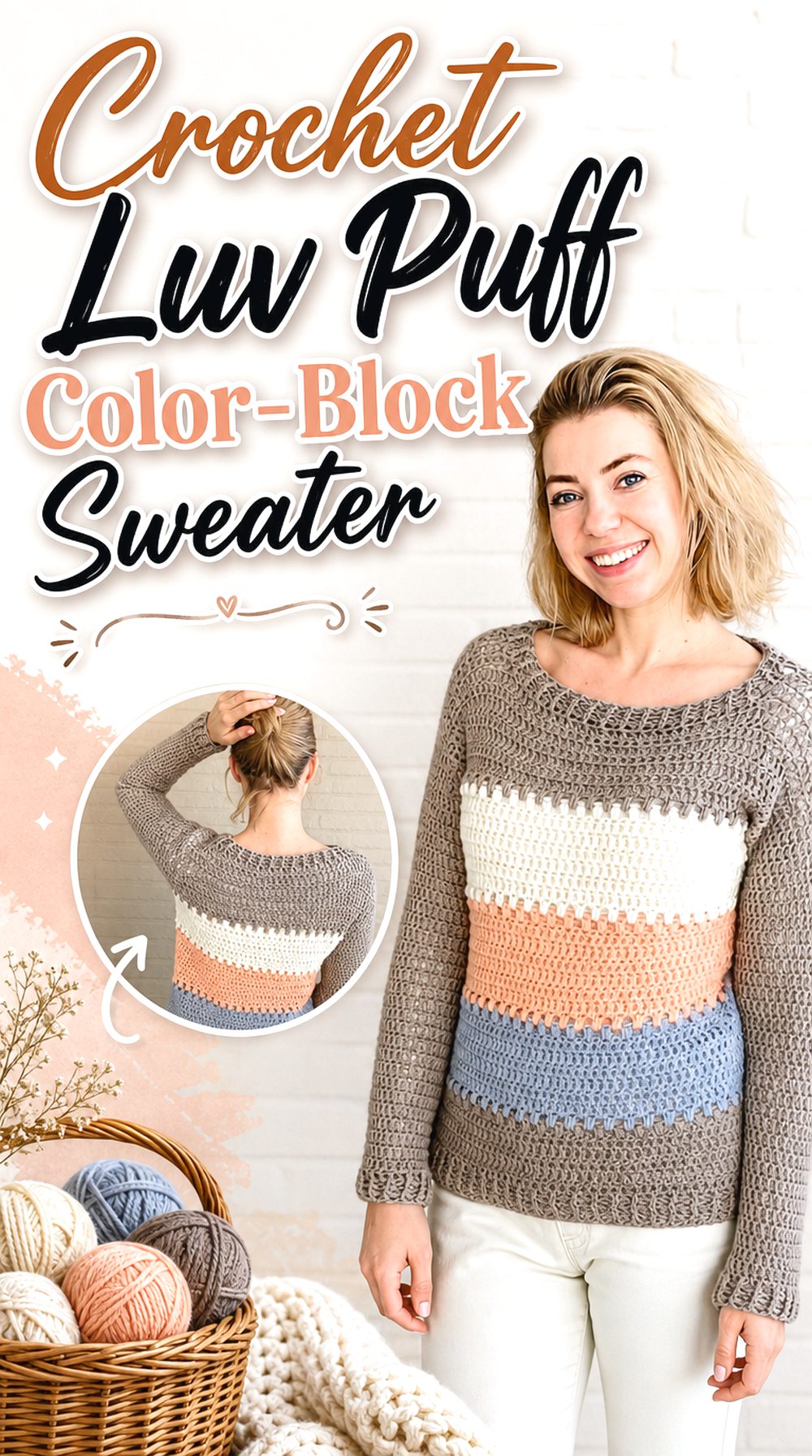
The Luv Puff Sweater separates soft color blocks with narrow rows of puff stitches, so the raised texture acts like a divider rather than covering the full surface. Ribbed effects finish the neckline, cuffs, and hem. The Crochet body is made from two rectangles, while the sleeves are joined at the armholes and worked in continuous rounds with gradual decreases.
Best Use
This design suits readers who want texture, color, and a familiar pullover shape in one garment. The muted sample palette can be replaced with high-contrast shades, a monochrome fade, or one color throughout, but consistent yarn weight is important across every block. The pattern includes multiple sizes and a video, which may help with assembly. Numerous color changes create extra ends to secure, so weave them in carefully and avoid carrying dark strands where they may show through pale sections.
Useful Crochet Notes
Swatch the Complete Bobble Repeat
Bobble stitches concentrate extra yarn into raised areas, so the fabric can become denser than a plain swatch made with the same yarn. Work a sample that includes both the smooth background and the full bobble repeat. Wash or block it as the yarn label permits, then measure again before selecting a garment size.
Plan Ease Before Changing Length
Choose ease before changing body length. A cropped sweater may look balanced with little ease, while an oversized version needs extra width at the shoulder and armhole as well as the bust. Compare the pattern’s finished measurements with a sweater you already enjoy wearing, and include the thickness of any planned base layer.
Protect the Raised Texture During Blocking
Blocking should settle seams and even the edges without pressing the raised texture flat. Support the wet garment fully, arrange matching panels to the same dimensions, and reshape the neckline, cuffs, and hem. Heavy textured sweaters are usually better stored folded than hung, since prolonged hanging may pull on the shoulders.
Conclusion
Choose the Dottie or Bits and Bobbles style for a shorter, more defined pullover, and look to the Honeycomb or chunky bobble-sleeve cardigan when layering flexibility matters most. Color lovers may prefer Bobbles Galore or Luv Puff, while Bubble Pop offers a simpler oversized shape with one strong textured panel. Before committing, compare finished measurements, yarn weight, seam placement, and the amount of bobble work you want to repeat.
FAQs
How much positive ease should a Crochet bobble sweater have?
There is no single correct amount. A cropped, true-to-size style can look tidy with little ease, while open cardigans and oversized pullovers need more room. Use the finished garment measurements, not only the size label, and compare them with a sweater that already fits the way you prefer.
Which yarn weight works well for raised bobbles?
Lighter yarn can produce a more flexible fabric and subtler bobbles, while worsted or super-bulky yarn makes the texture stronger and usually adds warmth and weight. Match the pattern’s gauge first. Changing yarn weight without recalculating can alter the bust, sleeve width, drape, and total yarn requirement.
Can I lengthen a cropped Crochet bobble sweater?
Usually, yes, when the body uses repeatable rows or rectangular panels. Add the same number of rows to the front and back, and check how the new hem position relates to the sleeve opening. Remember that a longer textured garment may require noticeably more yarn and may hang with greater weight.
How can I keep textured sweater seams neat?
Mark the centers, shoulders, and underarm points before joining. Pin or clip the pieces so matching rows stay aligned, then seam without pulling the yarn tight enough to pucker the fabric. When bobbles sit near an edge, keep them facing outward and avoid trapping them inside the seam allowance.
How should I wash and store a Crochet bobble sweater?
Follow the care instructions for the chosen yarn rather than assuming every Crochet sweater can use the same method. Support the garment during washing, reshape it to the intended measurements, and dry it flat when needed. Store heavier bobble sweaters folded, with the raised surface protected from snagging on jewelry or rough fasteners.


