Drop shoulder sweaters use a relaxed shoulder line to create an easy, comfortable silhouette that works especially well for winter layering. These five Crochet ideas range from a long slouchy pullover to a super-chunky scrap-yarn sweater, a striped modified-shoulder design, a raised-texture option, and a Tunisian Crochet V-neck. Some are roomy enough for leggings and indoor lounging, while others have cleaner shaping for jeans, skirts, or layered workwear.
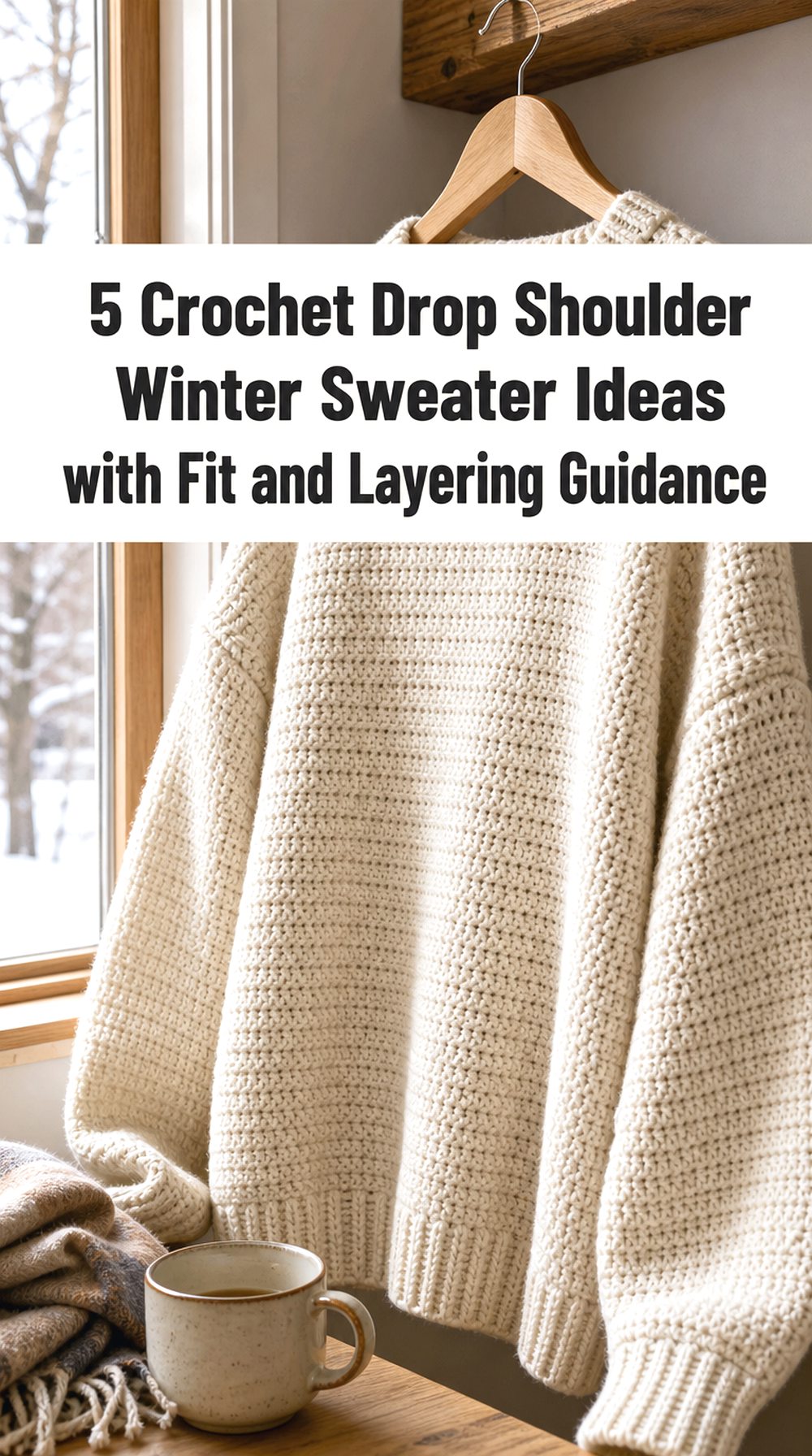
The guide compares fit, drape, seams, ribbing, yarn behaviour, neckline depth, and sleeve balance so readers can choose a design that suits both their wardrobe and garment-making confidence. It also highlights where careful gauge checking, blocking, or seam reinforcement can improve the finished sweater.
Quick List
- Crochet Weekend Snuggle Drop Shoulder Sweater
- Crochet Marled Scrap-Yarn Winter Sweater
- Crochet Modern Varsity Striped Sweater
- Crochet Vanessa Textured Drop Shoulder Pullover
- Crochet Emsam Tunisian V-Neck Sweater
How to Choose a Crochet Drop Shoulder Winter Sweater
Start with the intended amount of ease. A traditional drop shoulder usually places the sleeve seam below the natural shoulder, creating a roomy body but sometimes adding fabric near the underarm. A modified version can reduce that bulk while keeping the relaxed look. Check the finished chest measurement against a sweater you already enjoy wearing rather than relying only on clothing size.
Next, consider winter layering. A low V-neck works well over a fitted top or fine turtleneck, while a crew neckline gives more direct coverage. Dense stitches feel more substantial, but textured or chain-based fabrics may still have small openings, so plan an underlayer for cold weather.
Sleeve length deserves separate attention because a wider body moves the shoulder seam outward. Measure from the expected dropped seam to the wrist before committing to the listed sleeve length. Finally, block a swatch using the same method planned for the finished garment. Wool blends and stretchy stitch patterns can grow noticeably, changing body length, cuff position, and neckline shape.
Crochet Weekend Snuggle Drop Shoulder Sweater
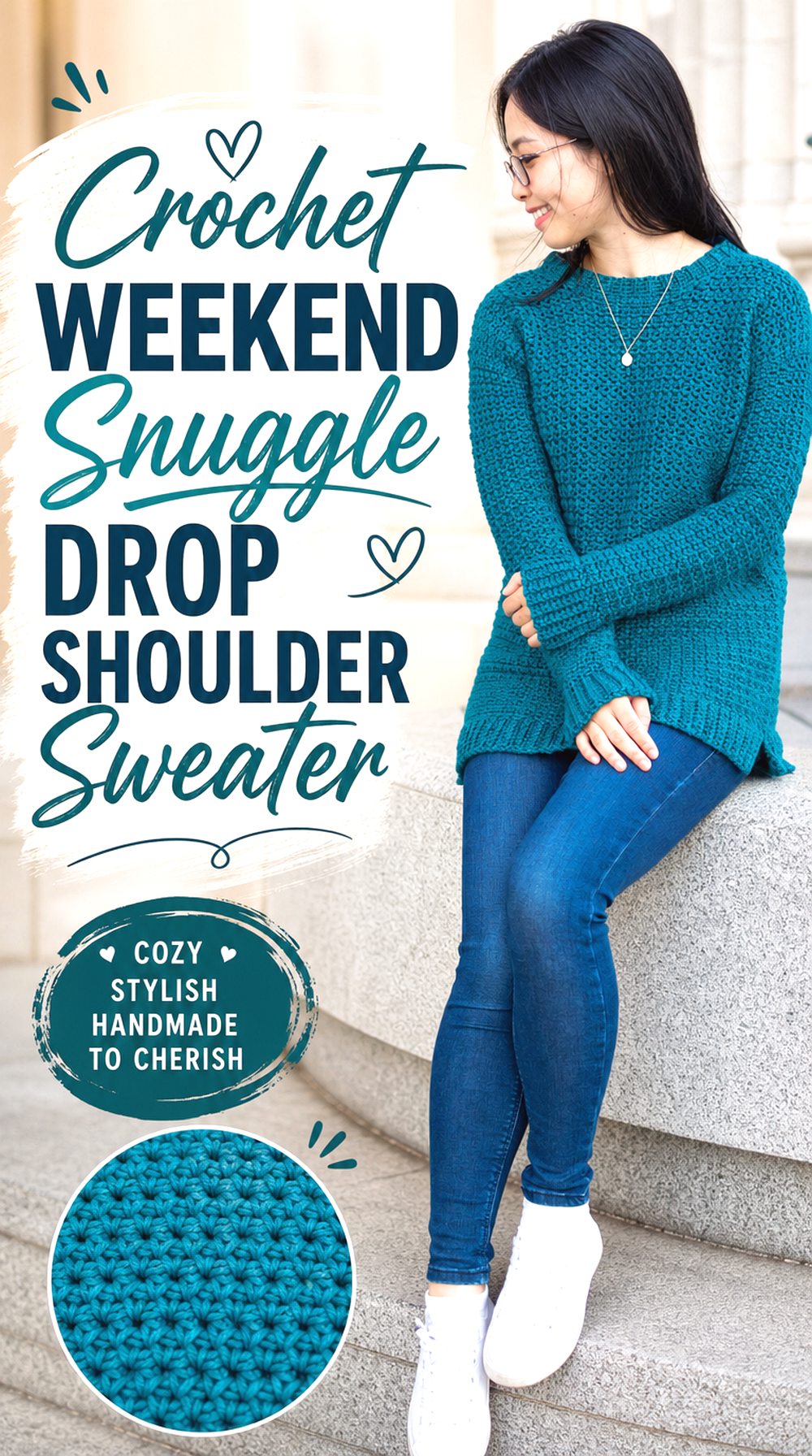
Design Details
The Weekend Snuggle style has a long, relaxed body with lowered shoulder seams, straight sleeves, and ribbed finishing at the hem, cuffs, and neckline. Its single-crochet column texture looks fairly dense from a distance, yet the chain spaces create a lighter surface and help the Crochet fabric drape rather than stand stiffly.
Best Use
This is the most lounge-oriented option in the group and can work well over leggings or slim jeans. The side split can be retained for easier movement or closed during seaming for a cleaner hemline.
Before You Choose
The fabric may lengthen after wear, so a slightly shorter body can be sensible when using a similarly drapey yarn. Wider shoulders may also require a broader body and correspondingly shorter sleeves to keep the cuffs from falling too low.
Crochet Marled Scrap Yarn Winter Sweater
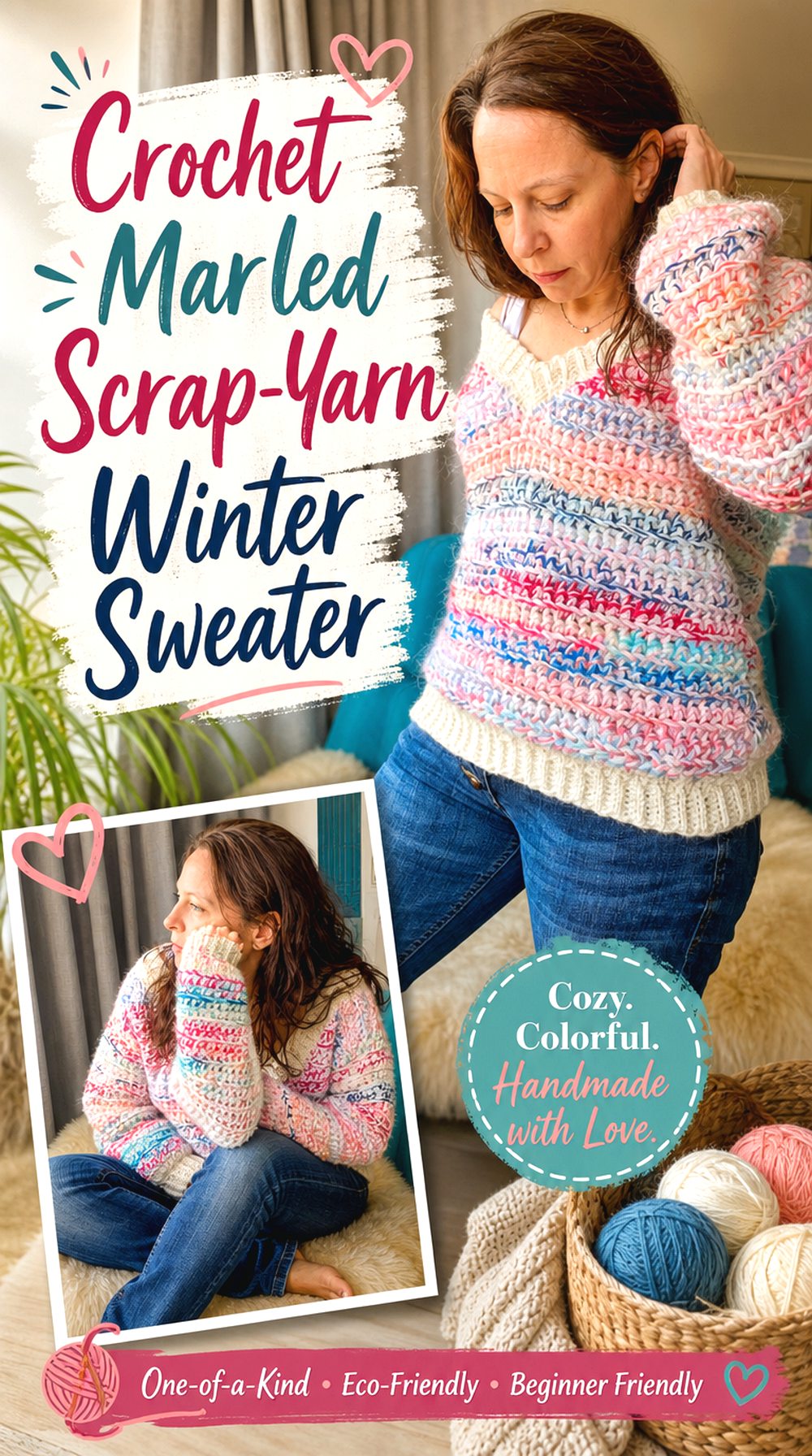
What Stands Out
The Waste Not Want Not sweater has a super-chunky, marled surface created by holding several leftover yarn strands together and changing colours as individual scraps run out. A ribbed V-neck, hem, and cuffs give the lively Crochet fabric a consistent frame.
Construction Focus
Front and back panels are worked from the bottom up and seamed at the shoulders and sides, while the sleeves grow directly from the armholes. This keeps the classic drop shoulder outline clear and avoids separate sleeve attachment.
Before You Choose
The tutorial uses a flexible recipe-style approach rather than a conventional fully graded format, so it suits readers comfortable measuring and adjusting as they work. Thick fabric reduces the internal room of a sweater, even when the outside chest looks generous. Keep the overall yarn weight reasonably consistent and stagger colour changes to prevent sudden bulky patches.
Crochet Modern Varsity Striped Sweater
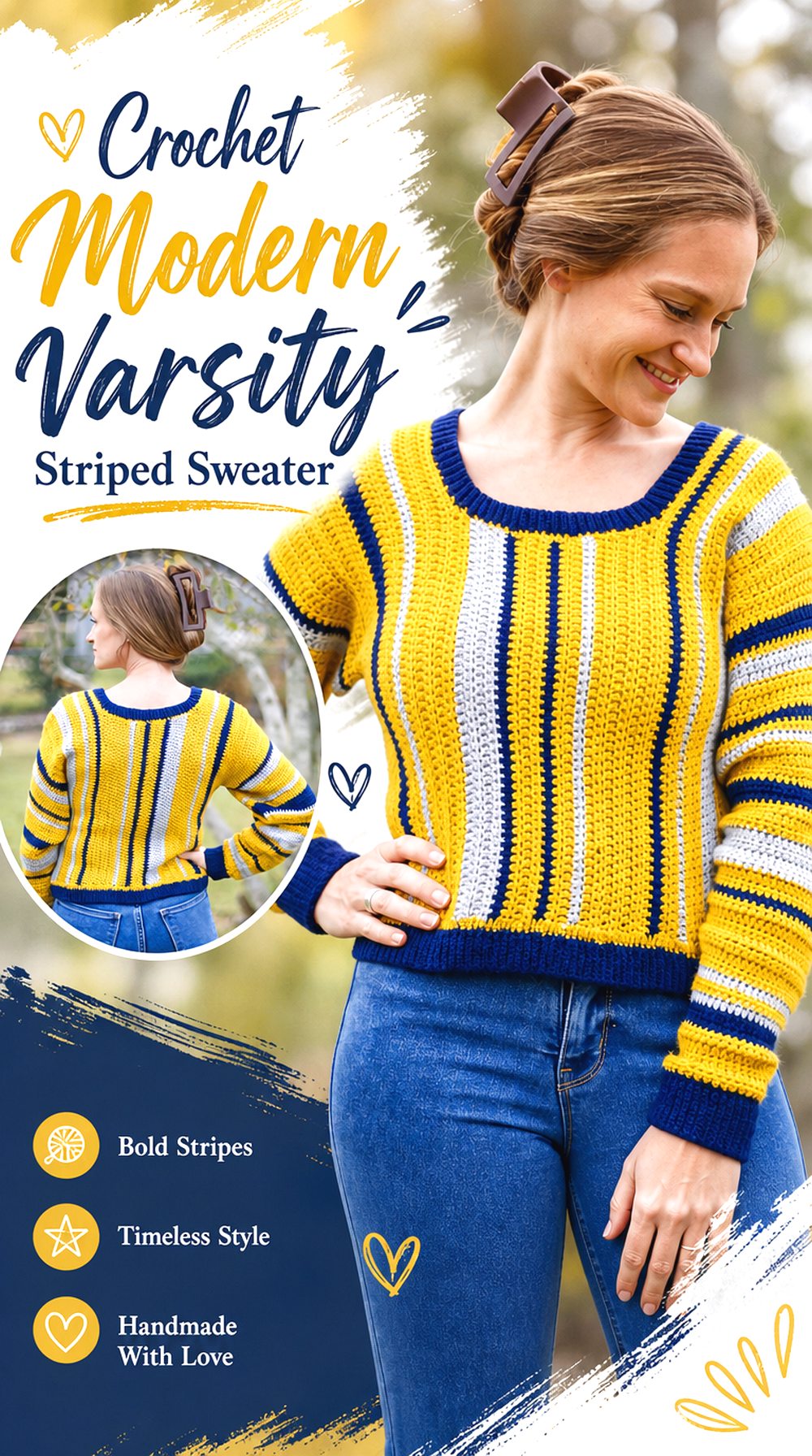
The Modern Varsity sweater uses vertical colour stripes, a crew neckline, and knit-look slip-stitch ribbing. Unlike a basic rectangular drop shoulder, its body panels include small sleeve cut-outs that bring the shoulder seam closer to a consistent position and reduce excess fabric beneath the arm.
Colour Direction
Three colours create the varsity effect, but the Crochet design can be made quieter with closely related neutrals or bolder with one bright stripe against a dark base. Plan stripe placement before starting so the front, back, and sleeves feel balanced.
Good to Know
The panels are worked side to side, which changes how length and width adjustments are made. Gauge should be checked after blocking because the recommended wool-blend fabric can relax. This option suits readers who want the ease of a dropped shoulder with a slightly cleaner, less bulky silhouette.
Crochet Vanessa Textured Drop Shoulder Pullover
Why It Works
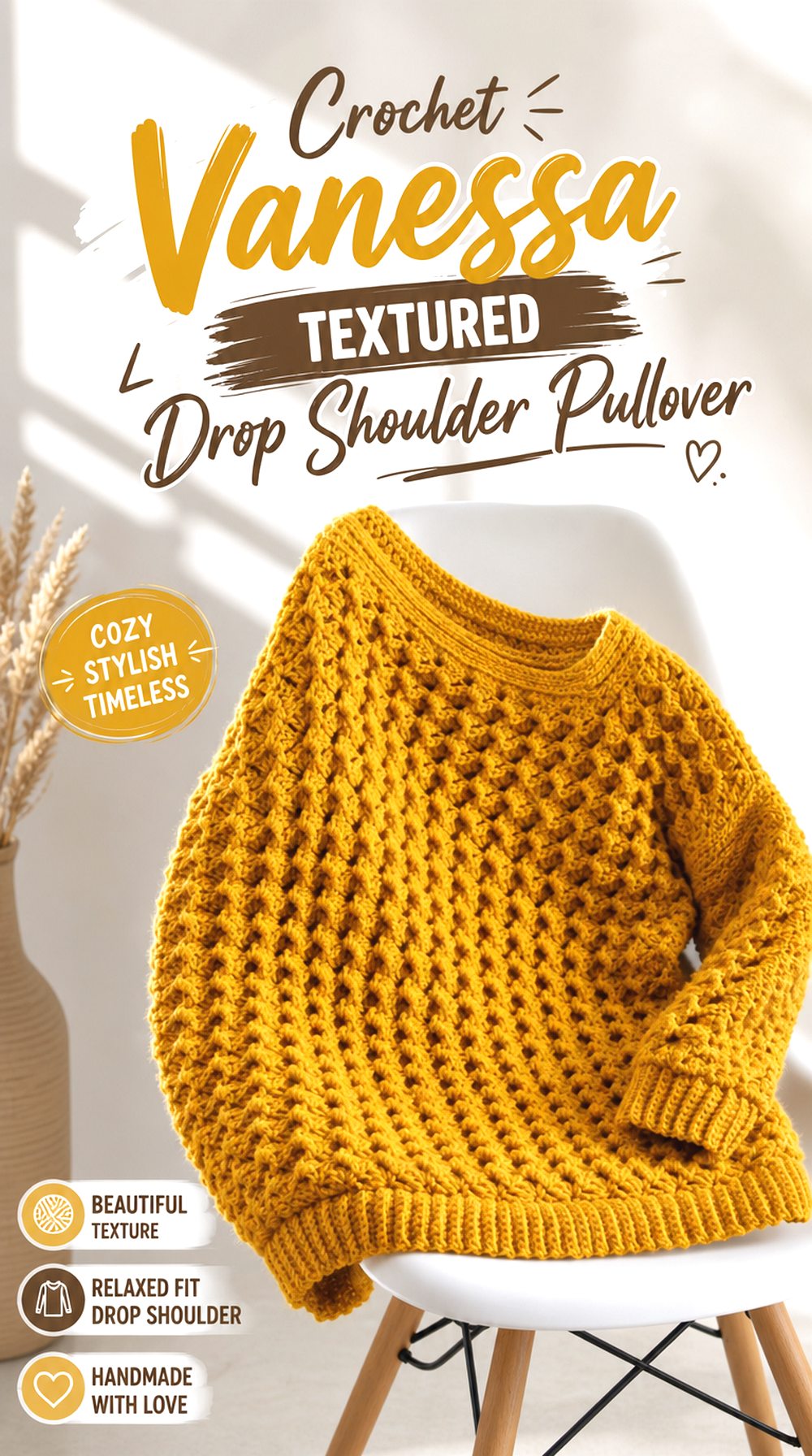
The Vanessa pullover has a loose, oversized body, shaped neckline, straight drop-shoulder armholes, and pronounced raised rows across the fabric. The repeating clusters and front-post details create a bumpy texture that gives the Crochet sweater more visual depth than a plain rectangular pullover.
Who It Suits
This is a useful choice for anyone who prefers a bold stitch surface and an everyday shape that can be worn with trousers or a simple skirt. Back-loop ribbing at the hem and cuffs adds a more fitted edge against the fuller body.
Care Note
The stitch pattern stretches in length when worn, so judge body and sleeve measurements from a blocked swatch rather than an unstretched panel alone. Keep seaming tension even where the separate sleeves meet the arm openings; a tight join can pull the shoulder line upward and disturb the intended relaxed fit.
Crochet Emsam Tunisian V Neck Sweater
Design Details
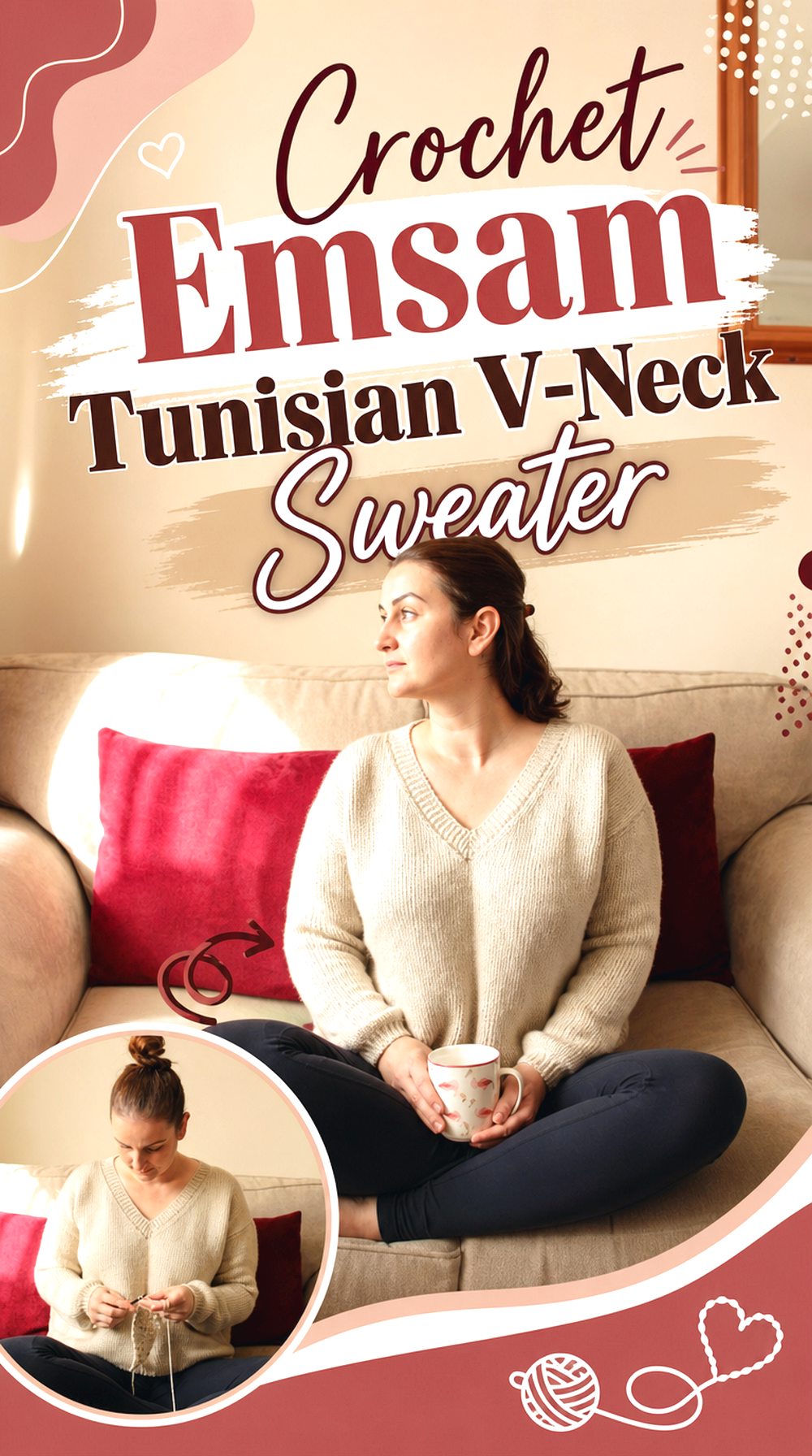
The Emsam pullover pairs a boxy dropped-shoulder body with long sleeves and a low ribbed V-neck. Tunisian knit stitch gives the Crochet fabric a smooth, knit-like face, while back-loop single-crochet ribbing defines the cuffs, hem, and neckline.
Best Use
The deeper neckline makes this design especially suitable for winter layering over a fitted tee, camisole, or fine turtleneck. Its clean surface also works well in pale neutrals, charcoal, or rich solid colours where the vertical stitch definition remains visible.
Before You Choose
This sweater uses a Tunisian hook and works the two sides of the V-neck with separate yarn balls, so managing live loops and even tension is important. The pattern is intentionally oversized; selecting a smaller size can create a closer fit, but the finished chest measurement should still be checked before changing sizes.
Useful Crochet Notes
Measure the Shoulder Drop
Do not measure sleeve length from the natural shoulder when planning a drop shoulder sweater. First estimate where the body panel will end on the upper arm, then measure from that point to the wrist. This prevents long cuffs and helps you compare traditional and modified shoulder constructions more accurately.
Block the Swatch Before Choosing Size
A winter sweater can change after blocking, especially when wool blends, loose stitches, or highly textured fabric are involved. Wash or steam the swatch using the intended finishing method, let it settle completely, and measure again. Base size and length decisions on the finished gauge rather than the fresh-off-the-hook fabric.
Strengthen Weight-Bearing Seams
Dropped sleeves place noticeable weight on the shoulder join. Use an even, secure seam that does not stretch into gaps, and avoid pulling it so tightly that the shoulder puckers. After assembly, lay the sweater flat and check that both sleeve seams sit at the same height before weaving in the final ends.
Conclusion
Choose the Weekend Snuggle or Vanessa sweater for a soft, relaxed silhouette with visible texture. The scrap-yarn design offers the chunkiest fabric and greatest colour freedom, while the Modern Varsity sweater gives a neater modified shoulder and planned stripe detail. For a knit-like surface and deeper neckline, the Tunisian option stands apart. Match the project to the layering style, seam work, and gauge control you are comfortable managing.
FAQs
How much positive ease works for a Crochet drop shoulder sweater?
A relaxed winter sweater often benefits from several inches of positive ease, but the ideal amount depends on fabric thickness and the layers worn underneath. Compare the finished chest measurement with a favourite sweater. More ease creates a lower shoulder seam, so sleeve length may need reducing.
Can I make the sleeves narrower without changing the body?
Usually, yes, when the sleeves are worked as separate panels. Reduce width gradually while preserving enough room at the upper arm and matching the armhole opening. Make changes symmetrically, check the cuff circumference, and remember that a very narrow sleeve can look unbalanced against an oversized body.
Which yarn gives the best winter drape?
A smooth wool blend or soft acrylic blend can provide warmth with enough flexibility for a relaxed shoulder line. Very stiff yarn may make the body stand away from the wearer, while heavy yarn can pull the seams downward. Swatching is the safest way to compare drape, weight, and recovery.
How can I stop the neckline from stretching?
Work the neckline edging evenly and avoid adding too many stitches around the opening. A firmer ribbing hook size can improve structure, but it should still pass comfortably over the head unless the design has a deep V-neck. Let the finished sweater rest flat before judging the final shape.
Should a drop shoulder sweater be stored on a hanger?
Folded storage is usually kinder to a heavy Crochet sweater because hanging can lengthen the body, stretch the shoulder seams, or distort the neckline. Make sure the garment is completely dry, fold sleeves across the body without sharp creases, and store it in a clean, breathable space.


