Vamp-romantic crochet works best when the drama comes from shape and texture rather than color alone. A rose sitting close to the throat gives a different effect from a pointed lace collar; narrow skull motifs create a vertical accent, while bat wings and spiderweb sleeves spread the visual weight across the shoulders. That difference matters when you are deciding whether the finished piece should be a subtle gothic detail or the main feature of an outfit.

These 15 ideas mix directly themed tutorials with romantic lace and vintage-inspired constructions that fit naturally into a darker wardrobe. Most sources teach the finished item described here; the hooded scarf is included as a clearly identified construction base that can be pushed toward a vamp-romantic look through styling rather than structural changes. The collection moves from small accessories into shawls, hoods, fitted tops, and webbed layers so you can choose according to how much space you want the crochet to occupy.
Quick List
- Crochet Rose Choker
- Crochet Pointed Wednesday-Inspired Collar
- Crochet Romantic Lace Collar
- Crochet Lace Cuffs for Romantic Sleeves
- Crochet Lace Fingerless Gloves
- Crochet Mini Skull Hand Warmers
- Crochet Narrow Skull Scarf
- Crochet Bat-Wing Shawl
- Crochet Victorian Fringe Shawl
- Crochet Skull-Lace Shawl
- Crochet Dark-Romance Hooded Scarf Base
- Crochet Hooded Cape
- Crochet Lace-Up Corset-Style Top
- Crochet Spiderweb Layering Top
- Crochet Spiderweb Bell-Sleeve Shrug
Build the Vamp-Romantic Look Through Silhouette
Black is an obvious choice, but it does not create the whole aesthetic. Look first at where each design places its strongest line. A choker circles the throat, pointed collars draw attention toward the center of the chest, bell sleeves broaden the lower arm, and shawls create a much larger outline around the shoulders. Spiderweb openings and lace introduce deliberate negative space, while skull motifs and bat-shaped edges make the theme more literal.
Deep burgundy, dried-rose tones, plum, charcoal, muted silver-gray, and antique cream can all support the same direction when paired thoughtfully. What matters is whether the stitch pattern remains visible against the clothing underneath. Before committing to an openwork piece, hold a small sample or similar yarn against the actual shirt or dress you expect to wear beneath it. That simple comparison tells you more about pattern visibility than the yarn color by itself.
Decide Where You Want the Drama
A vamp-romantic outfit does not need every possible gothic detail at once. If the neckline is already elaborate, a rose choker or large lace collar can become the main focal point while sleeves stay comparatively quiet. With a plain high-neck dress, dramatic cuffs or a spiderweb shrug can shift attention toward the hands and shoulders instead. A hood or cape works differently again because its silhouette remains noticeable even from a distance.
Scale also affects practicality. Small collars and cuffs let you explore ornate crochet without solving full-garment fit, while corset-style tops and fitted web layers require more attention to proportions. Shawls and scarves sit between those extremes. When fit matters, use the measurements and construction guidance supplied by the individual creator rather than assuming that changing yarn or hook size will produce the exact adjustment you need.
1. Crochet Rose Choker
1. Crochet Rose Choker
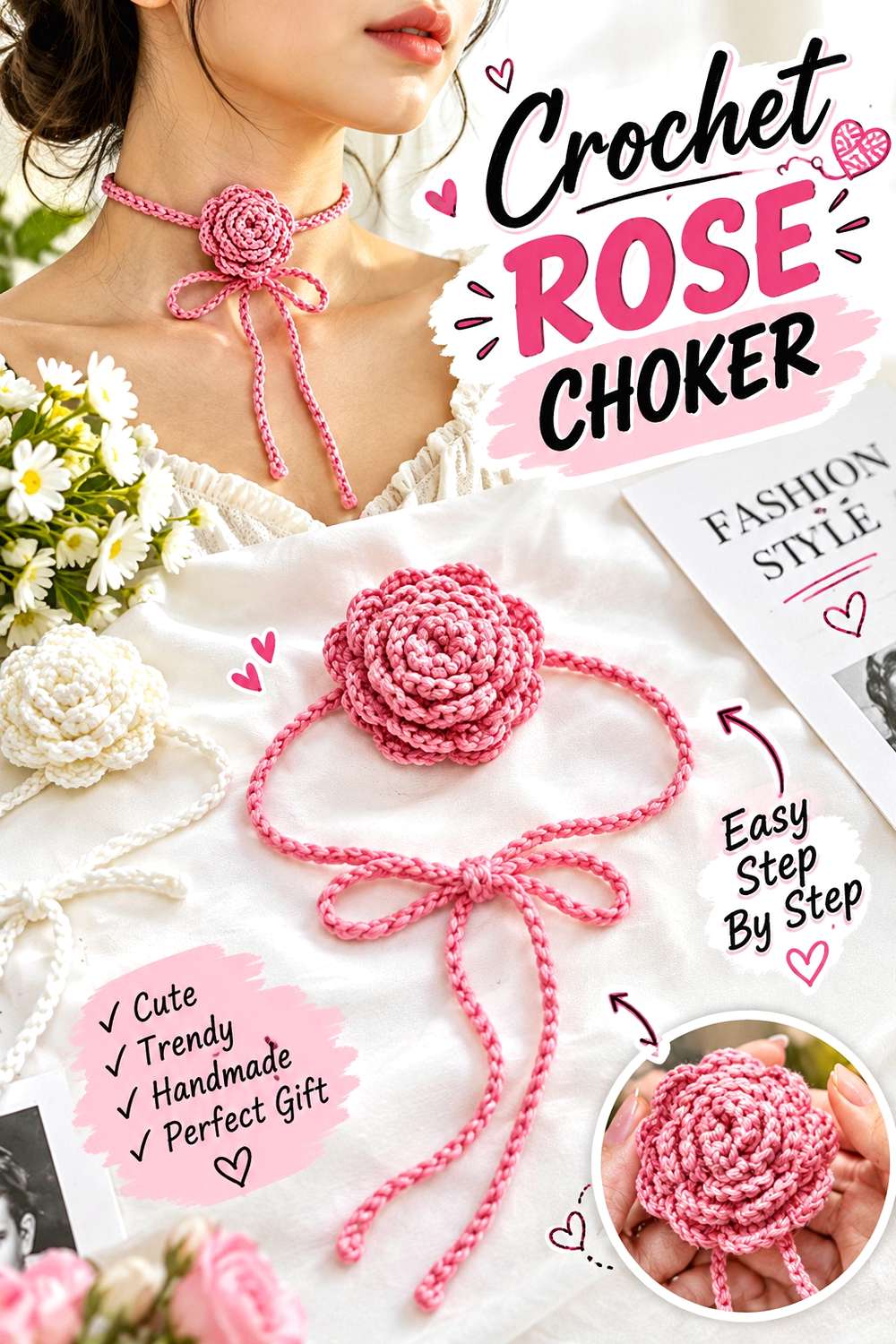
A crocheted rose at the throat captures the romantic side of this collection without requiring a large garment. Vyva ‘s Crochet teaches a choker in which the flower is crocheted, formed into a rose, and finished with two ties. That gives the design a clear floral centerpiece instead of treating the rose as a separate embellishment added to an unrelated necklace.
For vamp styling, the useful feature is its concentrated scale. It can sit against an otherwise plain neckline and still read as deliberate ornament. A deep red rose can make the botanical reference more dramatic, while a single-color version puts more emphasis on relief and shadow. Because this piece occupies a small area, it is also a useful choice when a full lace collar would compete with the neckline of the dress or top beneath it. Keep the color adaptation separate from the tutorial itself; the creator’s construction is the source, while the darker palette is a styling choice.
Let the Neckline Stay Visible
Before pairing the choker with clothing, look at where the garment neckline ends. A very ornate high neckline can hide the lower edge or make several decorative layers compete for the same small space. A simpler neckline gives the rose a cleaner background.
This is especially useful when the flower has dimensional relief. You do not need to add more gothic symbols simply because the choker is small. Giving the rose visual room can make it feel more intentional than surrounding it with several unrelated motifs.
Change the Mood Through the Rose, Not the Structure
A floral choker can lean romantic, Victorian-inspired, or darker and more theatrical without changing its basic construction. Color is the simplest adjustment because it leaves the flower and tie arrangement intact.
If you want to add beads, dangling charms, or another motif, treat that as a separate finishing experiment rather than an assumed part of the tutorial. Extra weight can change how a small neck accessory hangs, so compare the plain finished piece with your intended embellishment before committing to several additions.
Creator: Vyva ‘s Crochet
2. Crochet Pointed Wednesday-Inspired Collar
2. Crochet Pointed Wednesday Inspired Collar
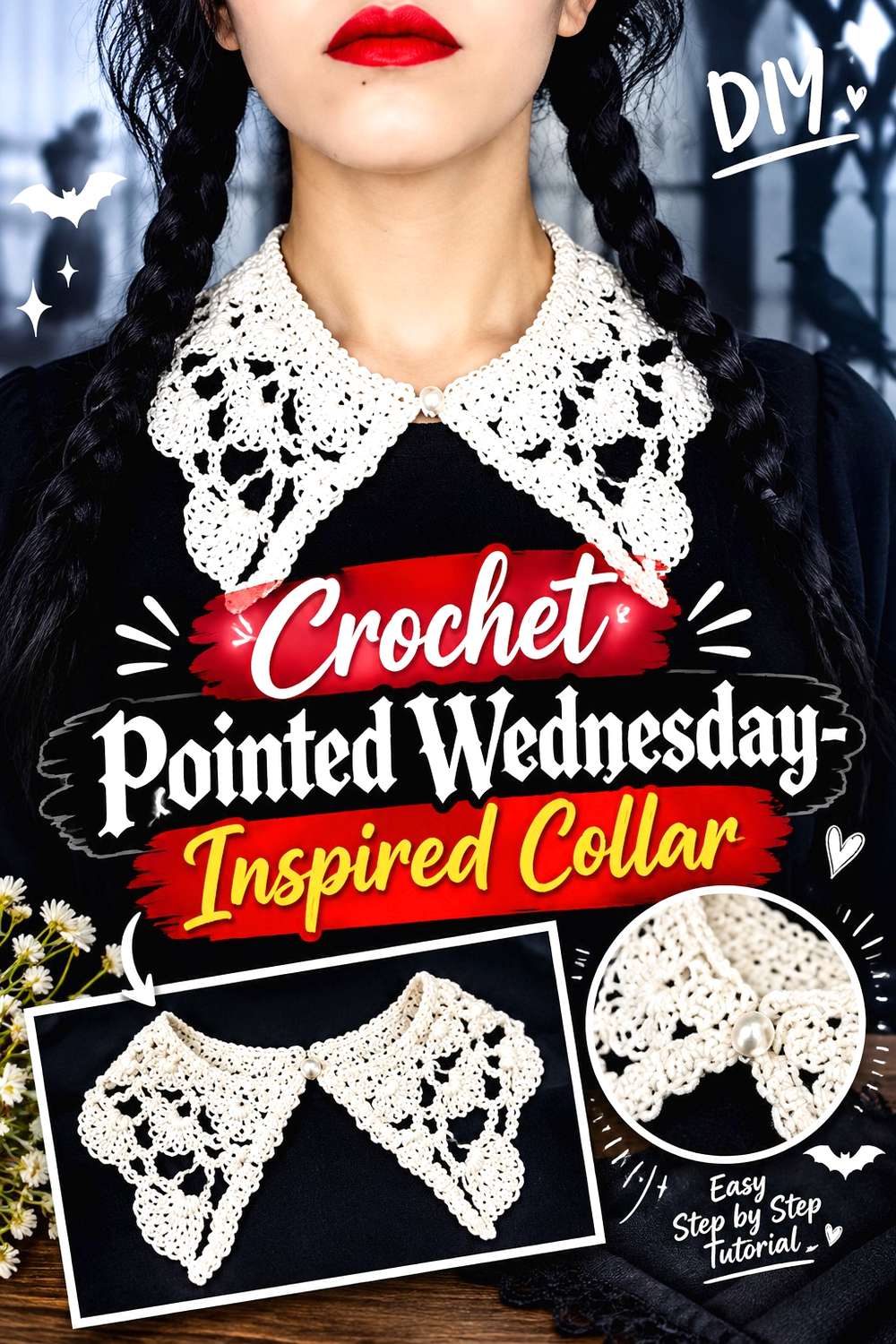
Littlejohn’s Yarn created this lace collar in response to the pointed collar seen with Wednesday Addams styling. The tutorial works through the collar row by row and finishes with an edging, using a fine crochet material to produce the detailed surface.
The pointed outline is what makes this entry different from the softer romantic collar later in the collection. Instead of creating a broad cloud of lace, it gives the neckline a graphic shape that can remain recognizable even when the rest of the outfit is simple. That makes it useful over a dark dress, fitted sweater, or other relatively uninterrupted surface. You could retain the familiar pale-on-dark contrast associated with this kind of collar, but a tonal dark version would shift attention from color contrast toward texture and silhouette. Because a collar has to cooperate with the garment beneath it, decide what you intend to wear it with before adjusting its proportions independently.
Use Contrast to Sharpen the Points
A pointed collar depends on its outer edge being easy to see. Strong value contrast between the collar and garment makes that outline immediate, while a near-monochrome pairing creates a quieter effect where the lace is noticed at closer range.
Neither approach is inherently more gothic. The practical question is whether you want the collar shape or the overall dark palette to dominate. Place the intended yarn against the actual garment before starting if that visual distinction matters to you.
Match the Collar to the Garment Neckline
A detachable-looking collar can appear neatly integrated on one neckline and crowded on another. Compare its intended position with the neck opening of the shirt or dress rather than choosing the underlying garment only after the crochet is complete.
If you want to enlarge or reshape the collar substantially, consult the creator’s construction instead of assuming every repeat can simply be extended. Changing the width can affect where the points fall and how the collar sits around the neck.
Creator: Littlejohn’s Yarn
3. Crochet Romantic Lace Collar
3. Crochet Romantic Lace Collar
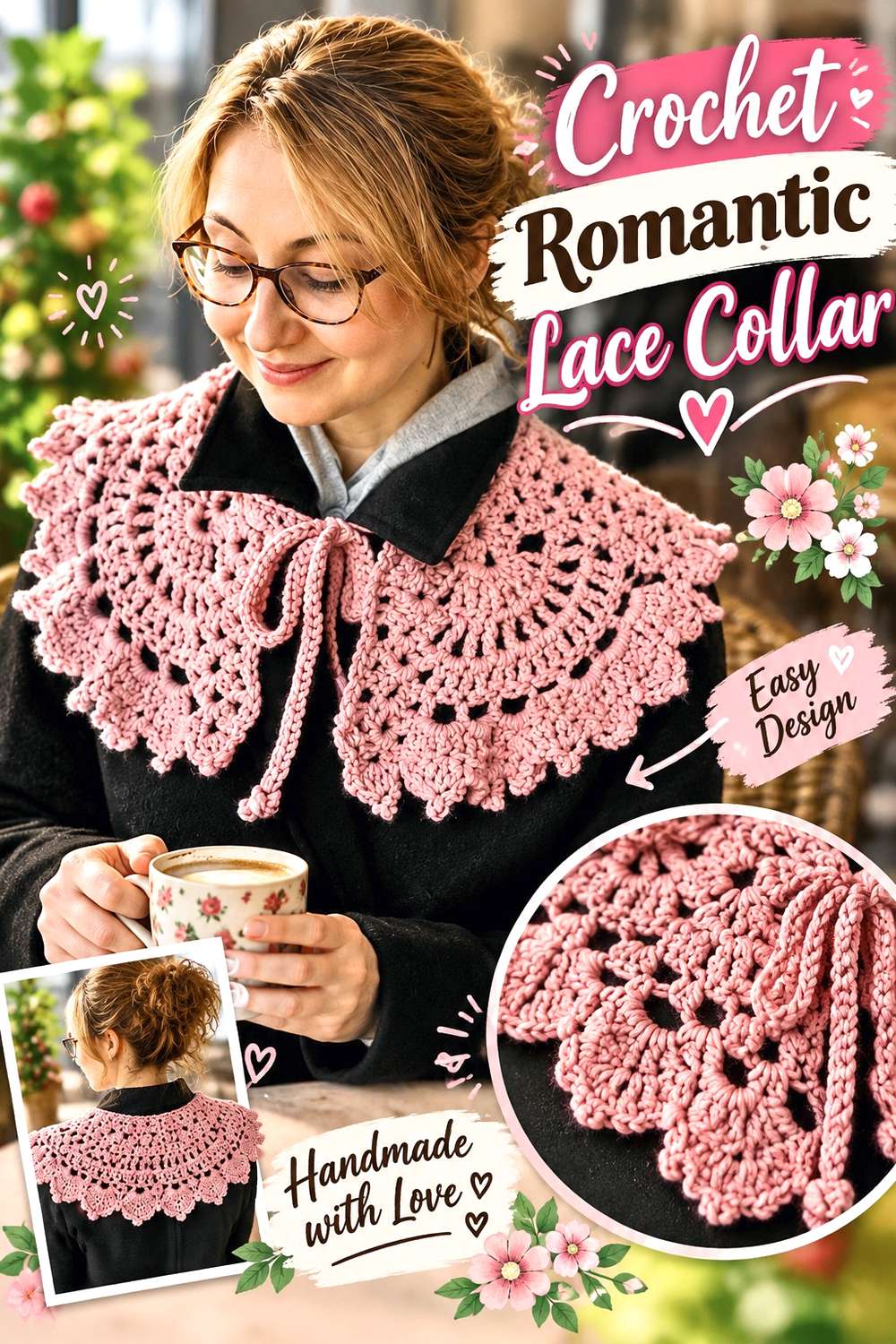
This lace collar from Crochet with GG provides a softer alternative to the sharply pointed design above. The creator describes the project as an elegant, romantic collar built through repeating lace rows. The tutorial is intentionally divided into two videos: Part 1 establishes the beginning structure and lace pattern, while the second part continues the project through later shaping and finishing.
Its value in a vamp-romantic wardrobe comes from breadth and texture rather than a literal skull, bat, or web motif. Over an austere dress, that larger lace area can introduce the ornate side of the style without turning the outfit into theme dressing. It also gives you a useful contrast with the Wednesday-inspired collar: choose the pointed option when you want a crisp graphic neckline, and this one when you would rather have lace itself form the decorative statement. Because the construction spans two tutorial parts, review both before planning your materials or modifications.
Treat the Collar as the Main Neckline Detail
Broad lace already supplies substantial pattern around the face and shoulders. If you also wear a large choker, brooch, necklace, and heavily detailed bodice, individual elements can become harder to distinguish.
One approach is to let the collar replace conventional jewelry rather than sit underneath it. That gives the openwork more visual room and makes the piece useful over otherwise restrained clothing. If you prefer maximal layering, try the combinations together before adding permanent embellishments to the crochet.
Check Both Tutorial Parts Before Starting
This is a genuine multipart source rather than a single video that happens to have a sequel. Part 1 introduces the collar and its lace structure; the continuation is needed for the later stages.
Opening both parts first helps you understand the complete project scope before making adaptations. It also prevents the first video from being mistaken for a self-contained finished collar tutorial when the creator explicitly divided the construction.
Creator: Crochet with GG
4. Crochet Lace Cuffs for Romantic Sleeves
4. Crochet Lace Cuffs For Romantic Sleeves
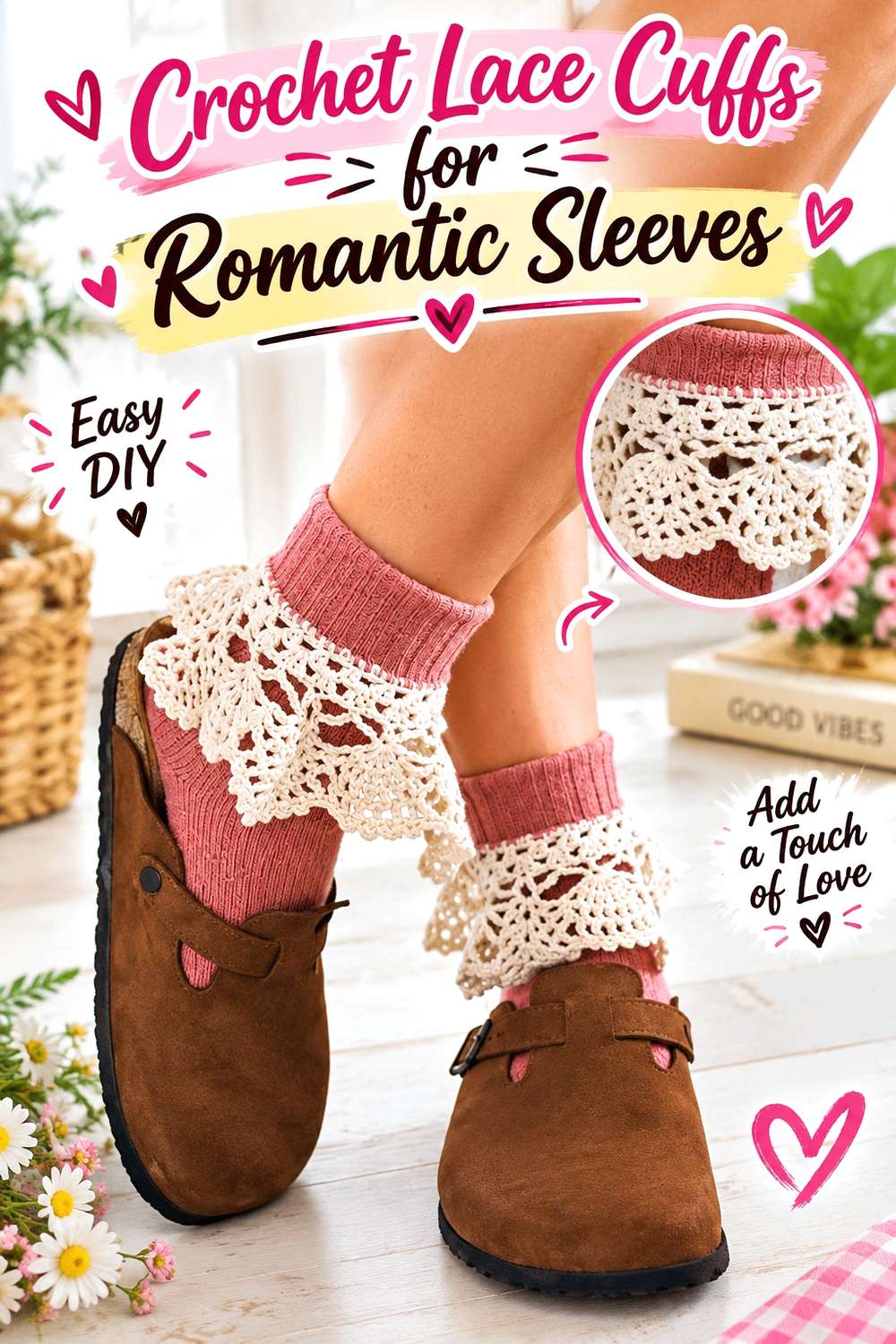
Sirin’s Crochet teaches a lace cuff that can be used with mittens, socks, and even blouses, which makes this a component-focused project rather than a complete garment. For a vamp-romantic collection, the blouse application is especially useful: lace emerging at the wrist can give a plain sleeve a period-influenced finish without requiring you to crochet an entire top.
This is one of the smallest projects here visually, but placement gives it purpose. Cuffs sit at a moving part of the body, so they become noticeable when hands are raised or sleeves extend from beneath a jacket. They can also echo a lace collar without duplicating it. If you plan to adapt the tutorial specifically as sleeve trim, determine how you will combine the cuff with the garment before treating it as permanently attached. The source establishes how to crochet the cuff; attachment to a particular blouse or handmade sleeve is a separate finishing decision.
Decide on Attached or Layered Styling First
A cuff does not have to become a permanent part of a garment to influence the look. If you want to move the same decorative edge between outfits, consider how it could be worn as a separate layer rather than altering a blouse immediately.
Permanent attachment creates a different set of questions, including how the garment fabric and crochet behave together during wear and cleaning. Those details depend on your specific materials, so they should not be assumed from the cuff tutorial alone.
Keep Wrist Details from Becoming Crowded
Because cuffs frame the hands, they share visual space with rings, bracelets, gloves, and sleeve fastenings. A deep lace edge can be enough ornament on its own.
Try the cuff with the accessories you actually intend to wear. If the lace is partly hidden by stacked bracelets or another glove, you may prefer to simplify the jewelry rather than redesign the crochet. This lets the cuff remain recognizable as a deliberate feature.
Creator: Sirin’s Crochet
5. Crochet Lace Fingerless Gloves
5. Crochet Lace Fingerless Gloves

Stitches nook’s tutorial teaches lace fingerless gloves as a complete hand accessory. Unlike a separate cuff, this idea carries the openwork farther over the hand while leaving the fingers uncovered. That combination makes it particularly useful when you want romantic texture around rings or dark nail color without covering those details completely.
The design occupies more visual space than a narrow wrist trim but much less than a dramatic sleeve, so it can bridge simple clothing and more theatrical accessories. Dark yarn can make the lace feel understated until light passes through the openings; a lighter or contrasting color emphasizes the stitch pattern immediately. Think about what will sit behind the lace as well as the yarn itself. Skin creates one kind of contrast, while extending the gloves over another fitted layer would create another. Any substantial alteration to length or fit should still be based on the creator’s construction rather than guesswork.
Use Negative Space as the Decoration
Open lace does not need additional skulls, roses, or charms to read as detailed. On fingerless gloves, the skin visible through the fabric already creates changing contrast as the hands move.
That makes these a good counterweight to a literal motif elsewhere in the outfit. For example, a skull scarf can provide the recognizable gothic symbol while the gloves supply a quieter romantic texture. Keeping those roles separate can make both pieces easier to notice.
Check Hand Fit Before Adding Extras
Hand accessories have less tolerance for randomly placed embellishment than a shawl. Raised decorations can end up exactly where the hand bends or where objects are held.
If you want beads or a small flower, first complete enough of the glove to understand where the fabric sits. Then decide whether the addition belongs on a relatively quiet surface. This is a styling adaptation, not a feature established by the original tutorial.
Creator: Stitches nook
6. Crochet Mini Skull Hand Warmers
6. Crochet Mini Skull Hand Warmers
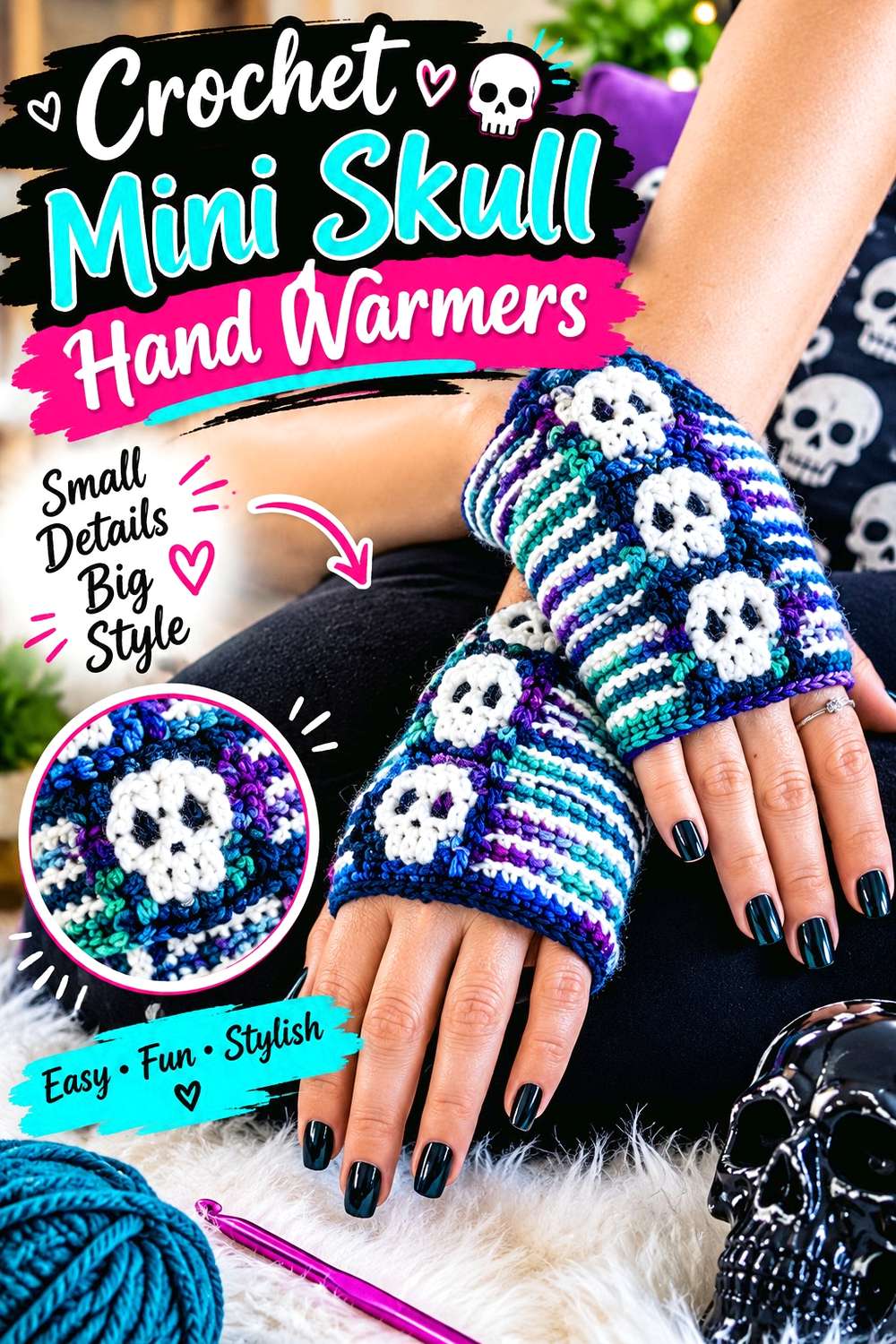
Sixel Design’s hand warmers move from romantic lace into unmistakably gothic imagery. The tutorial teaches custom-fit mosaic crochet hand warmers featuring the designer’s Mini Skulls pattern and includes the thumb-hole stage in the instructional coverage.
Because the skulls are integrated into the fabric rather than dangling from it, this piece gives you a strong motif without adding three-dimensional ornament around the hands. That makes it distinct from the lace gloves: choose these when the graphic image matters more than transparency. The repeated skulls can also be used to connect an otherwise simple outfit to the skull scarf or shawl later in the collection. If several skull pieces are worn together, consider varying their scale or keeping one area dominant. Repeating the same visual cue at the hands, neck, and shoulders can turn a focused motif into general surface noise.
Think About How Far Away the Motif Should Read
Mosaic imagery depends on contrast between the pattern areas. If the two yarn colors are very close in value, the skulls may become a subtler texture from across a room.
That may be exactly what you want for everyday gothic styling. If you want the skulls to remain obvious at greater distance, compare your colors next to each other before committing. This is a visual-planning choice rather than a claim that any particular color combination will perform identically.
Let the Hand Warmers Carry the Literal Motif
These warmers already communicate the skull theme clearly, so surrounding accessories do not need to repeat it. Pairing them with plain lace sleeves or a dark hood can keep the hands as the deliberate focal point.
If you do combine them with another skull project, look at spacing. A scarf keeps the second motif near the face; a plain shawl instead lets the hand pattern stand apart. Both arrangements give the repeated imagery a clearer role.
Creator: Sixel Design
7. Crochet Narrow Skull Scarf
7. Crochet Narrow Skull Scarf
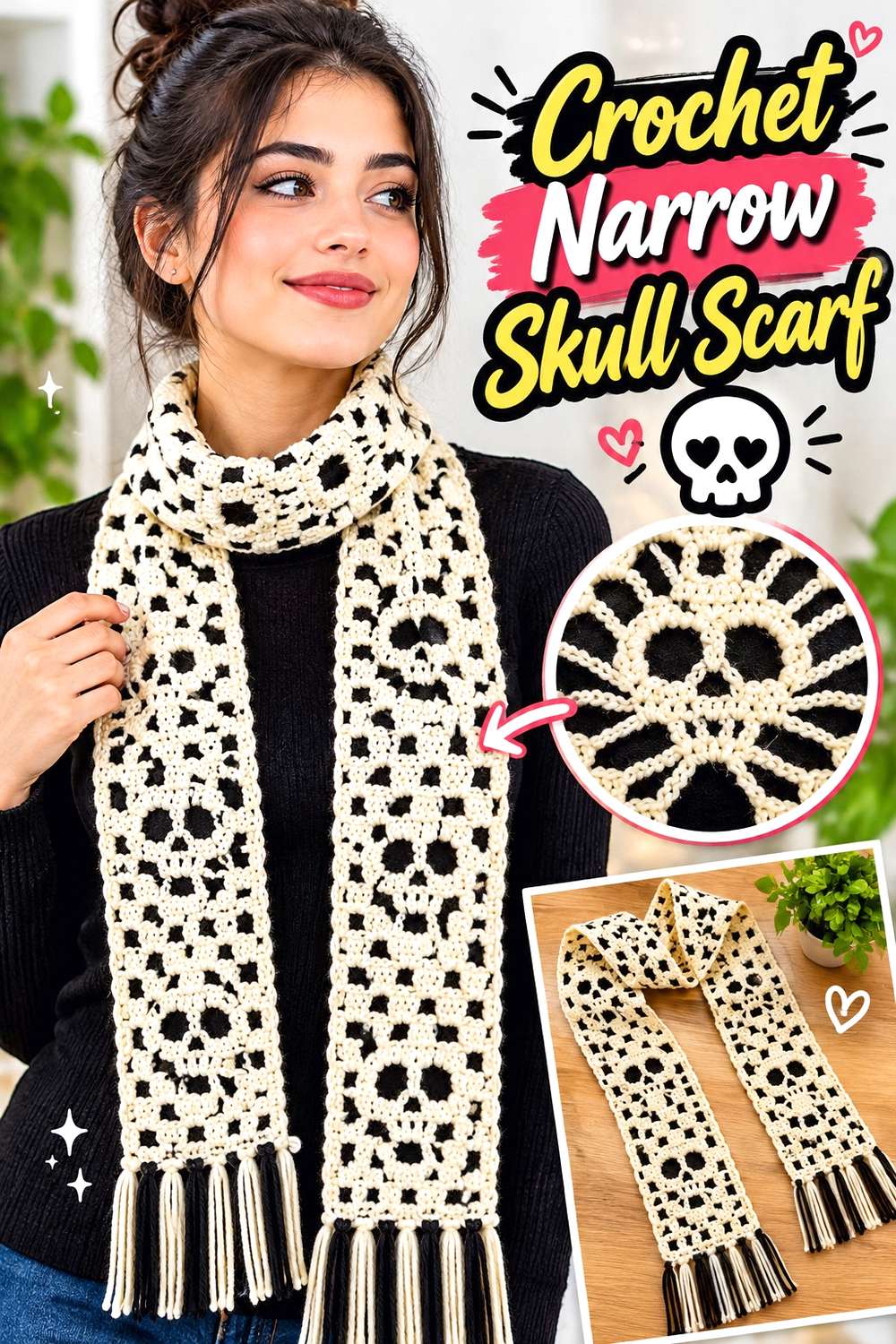
Fiber Spider’s tutorial follows a narrow skull-scarf design built from repeated skull sections; the creator’s description also explains that the demonstrated scarf is worked in two halves and then joined. The narrow format is important because it turns a skull motif into a long vertical detail instead of a broad field across the shoulders.
That makes this scarf easier to combine with coats, fitted tops, or a plain dress when you want visible gothic symbolism without the coverage of a shawl. Worn hanging rather than heavily wrapped, the repeating skulls can remain easier to read as separate units. You can also think of the scarf as a bridge between graphic and romantic elements: the skulls supply the obvious dark motif while the length creates the trailing line associated with more dramatic styling. Keep any changes to width or motif count separate from the tutorial unless you understand how those changes affect the established repeat and joining arrangement.
Use the Length as a Vertical Accent
A narrow scarf directs the eye differently from a cape or broad shawl. Allowing the ends to hang can lengthen the visual line of an outfit, while wrapping more of the fabric around the neck concentrates the pattern near the face.
Decide which effect you want before piling additional neck accessories underneath it. If the scarf is intended to display its skull sections, a large lace collar may cover precisely the area you want visible.
Pay Attention to the Meeting Point
Because the creator describes making two scarf halves and joining them, the meeting point deserves attention when you plan how the finished piece will hang.
Rather than improvising a different assembly from appearance alone, follow the source for the actual construction. If you later modify the length, consider how your change affects the balance of the two sides rather than adding repeats randomly to only one end.
Creator: Fiber Spider
8. Crochet Bat-Wing Shawl
8. Crochet Bat Wing Shawl

Häkelfreuden’s tutorial teaches a shawl specifically described as having a bat style, giving this entry one of the clearest vamp-associated silhouettes in the collection. The attraction is not merely a bat motif placed on ordinary fabric; the overall shawl shape contributes to the winged impression.
That larger outline makes it a strong choice when you want the crochet itself to define the outfit. Across the shoulders, the wing reference can remain visible even without jewelry or other themed accessories. A black version would be the most literal interpretation, but deep red, charcoal, muted purple, or another dark shade could keep the silhouette while moving away from costume-like styling. Because a shawl occupies substantial area, look at it together with your planned sleeves and skirt or trouser silhouette. If all three areas are equally wide or ornate, the bat shape may lose some of its visual distinction.
Give the Winged Edge Space
A shaped shawl is most effective when the outline can actually be seen. If it is tucked tightly beneath a heavy coat or hidden behind a large bag, the feature that separates it from an ordinary wrap becomes less apparent.
For an indoor outfit or photographs, consider a base layer with a comparatively clean shoulder line. That lets the shawl perimeter provide the movement instead of competing with several other projecting shapes.
Choose Literal or Subtle Vamp Styling
The bat silhouette already does much of the thematic work. Adding skull earrings, web gloves, a rose choker, and another bat accessory can make the references compete.
For a subtler result, pair the shawl with romantic rather than literal details: lace cuffs, a plain dark dress, or a small floral choker. The combination still reads as vamp-romantic, but the bat outline remains the one unmistakable symbol.
Creator: Häkelfreuden
9. Crochet Victorian Fringe Shawl
9. Crochet Victorian Fringe Shawl
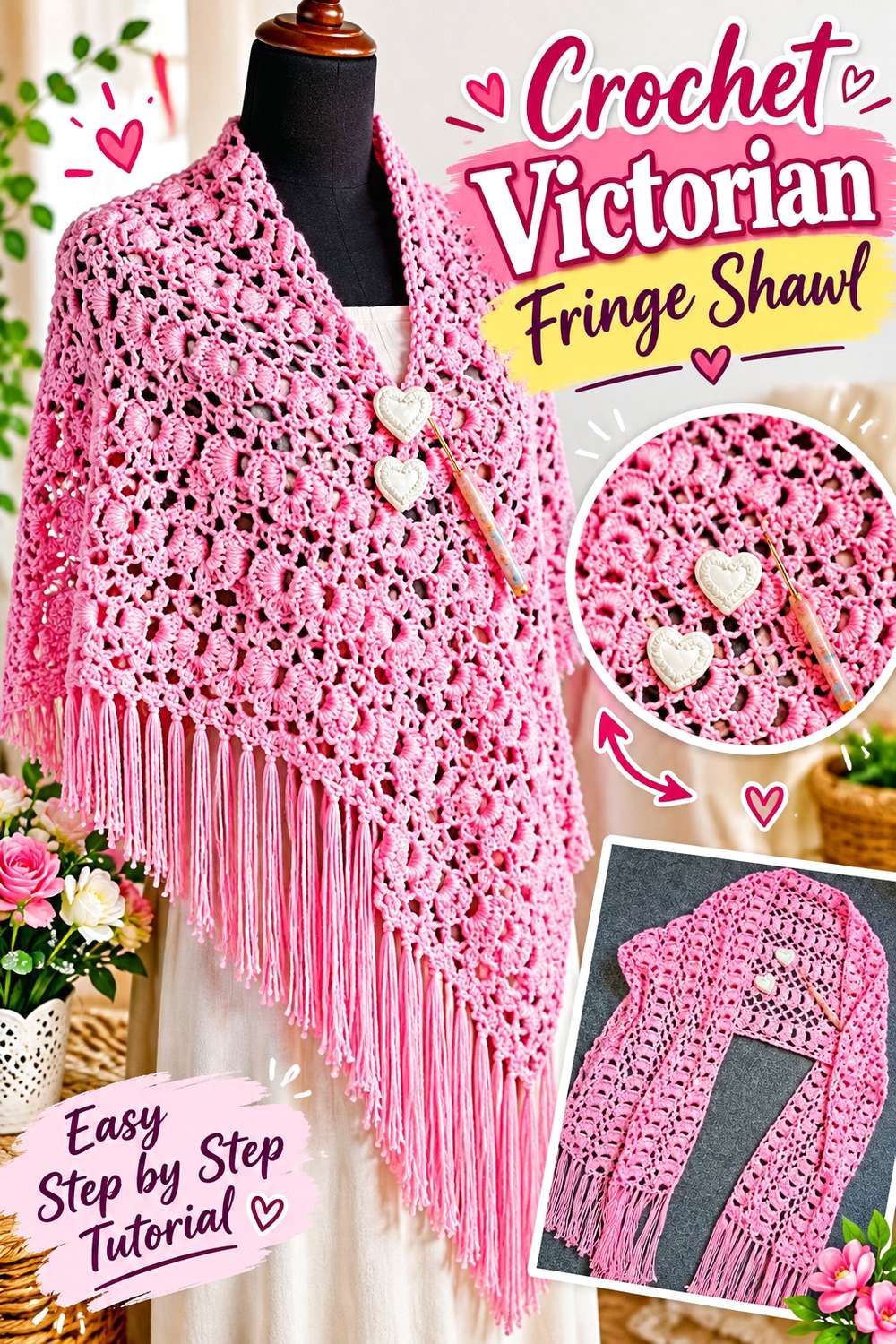
Selina Veronique Crochet’s Leopoldine shawl tutorial is presented as a Victorian-inspired wrap and includes fringe as part of the design. That makes it useful here for a different reason than the bat shawl: its vamp-romantic potential comes from period-influenced styling and movement rather than a supernatural motif.
Fringe changes the visual rhythm of a wrap whenever the wearer walks or turns, and it can soften the transition from a solid shawl body to the clothing beneath it. In a darker wardrobe, that movement can provide drama without needing skulls or webs. This is also a useful choice for readers who prefer a more literary or antique direction—something that can sit beside a high-neck blouse, long dress, or simple fitted top without looking tied to one specific symbol. If you alter the fringe, remember that removing it or making it much heavier changes the finished impression, so evaluate the body of the shawl separately before modifying the edge.
Let Fringe Supply the Movement
Fringe already adds repeated vertical lines and motion. If the rest of the outfit also includes tassels, long necklaces, trailing sleeve ties, and several hanging charms, those details may overlap visually.
A cleaner approach is to let the shawl edge carry the movement while keeping the center of the outfit calmer. This preserves the contrast between an ornate wrap and the garment underneath it.
Push the Period Mood Without Making a Costume
Victorian-inspired crochet does not require a historically reconstructed outfit to be useful. A shawl can introduce an older visual language while the rest of the clothing remains contemporary.
Choose one or two supporting features—perhaps a high neckline or rose choker—rather than attempting to make every item look period-specific. That creates a vamp-romantic interpretation rather than implying historical accuracy that the tutorial itself does not establish.
Creator: Selina Veronique Crochet
10. Crochet Skull-Lace Shawl
10. Crochet Skull Lace Shawl
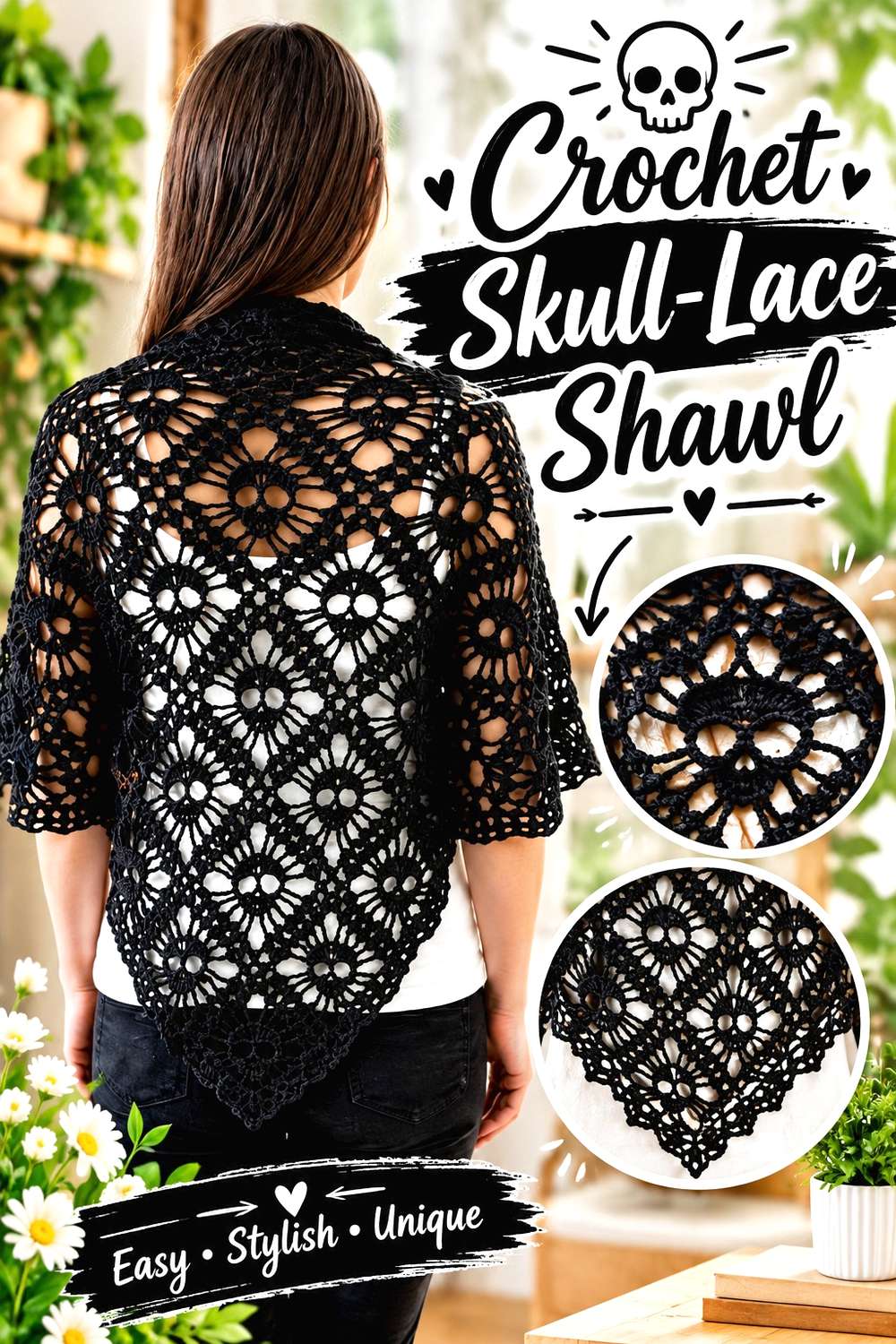
Alextitia Tuto Crochet’s skull shawl uses repeated skull imagery within a larger wrap, bringing the motif into a substantially broader format than the narrow scarf. The instructional project is split into two videos, with a clearly identified first and second part rather than a single self-contained upload.
This scale makes the shawl a strong choice when you want the skull design to occupy the shoulders and upper body rather than act as a small accent. Open areas around a recognizable motif can also give the piece a lace-like quality, so it bridges the two halves of the vamp-romantic aesthetic: macabre imagery and decorative openwork. Because the symbol repeats across a larger surface, consider keeping the clothing beneath it relatively simple. A busy printed dress may reduce the readability of the skulls through the openings. The source teaches the shawl itself; changes to motif placement, dimensions, or construction should not be assumed from the visual result.
Make the Skulls the Main Pattern
A skull shawl does not need an additional contrasting appliqué on top of every open area. Its repeated motif is already the organizing feature.
For clearer pattern visibility, think about the background behind the shawl. A relatively continuous garment surface can help each skull read more distinctly than a high-contrast print underneath. Test the pairing under the lighting where you expect to wear the piece, since openwork changes as the background changes.
Follow the Multipart Route
The first upload is explicitly Part 1 of 2, and Alextitia Tuto Crochet also provides the corresponding second part.
Treat the pair as one instructional source rather than stopping after the first video. This is especially important if you are comparing it with single-video projects in this collection: the finished shawl is covered across the series, so review both parts before deciding how much of the construction you want to alter.
Creator: Alextitia Tuto Crochet
11. Crochet Dark-Romance Hooded Scarf Base
11. Crochet Dark Romance Hooded Scarf Base
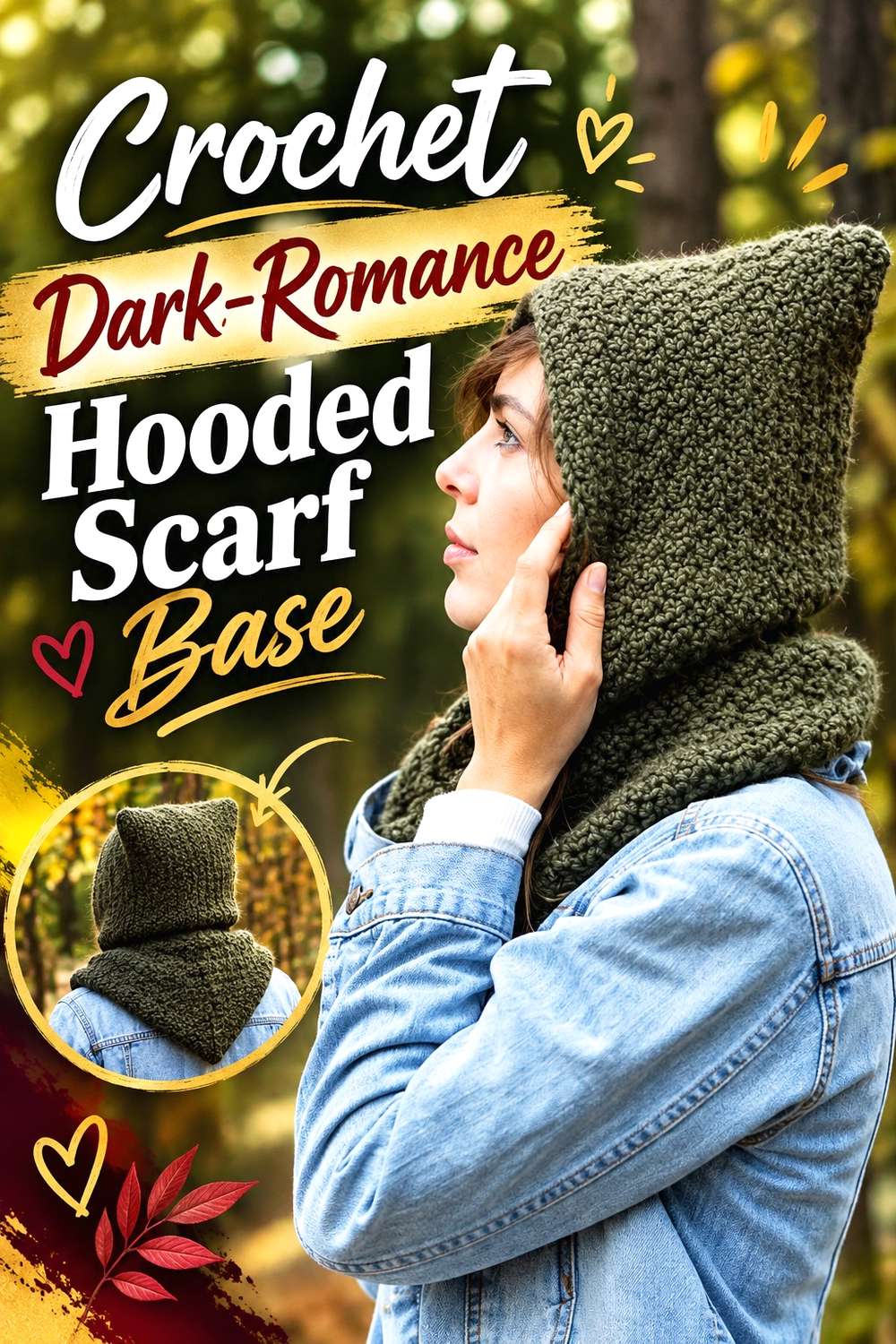
Kay Krochets’ Trailhead project is a related construction base rather than a tutorial designed specifically around vampire imagery. The source teaches a hybrid accessory combining a double-wrapped infinity scarf with an attached hood. That built-in combination makes it a useful starting point for a dark-romance wardrobe because it creates both neck volume and a hood without requiring a full cape.
The adaptation can remain purely cosmetic. Working from the creator’s construction while choosing a suitably moody palette gives you the silhouette without pretending the original tutorial contains bats, roses, or gothic embellishment that it does not. This is particularly useful if you prefer atmosphere over literal symbols. The wrapped scarf adds softness around the neck, while the hood introduces a shadowed frame around the face. Avoid converting it into a heavily decorated cape unless you are prepared to solve the structural consequences yourself; the verified source supports the hooded-scarf form.
Keep the Adaptation Cosmetic
Color is the lowest-risk way to push this base toward vamp-romantic styling because it does not require rewriting the underlying construction. Deep charcoal, wine-inspired shades, or another dark palette can shift the visual mood while leaving the project’s proportions intact.
Adding a large lace border or heavy decorative pieces is a more substantial change. Those additions affect how the fabric hangs and should be considered separate design work rather than something guaranteed by the tutorial.
Remember the Scarf Is Part of the Structure
This is not simply a hood with two loose scarf tails. The creator describes it as an infinity scarf combined with an attached hood.
That distinction affects styling. The neck area already carries volume, so a large choker or broad lace collar may be mostly hidden beneath it. If you want jewelry visible, reserve it for outfits where the hooded scarf is removed or worn less prominently around the throat.
Creator: Kay Krochets
12. Crochet Hooded Cape
12. Crochet Hooded Cape
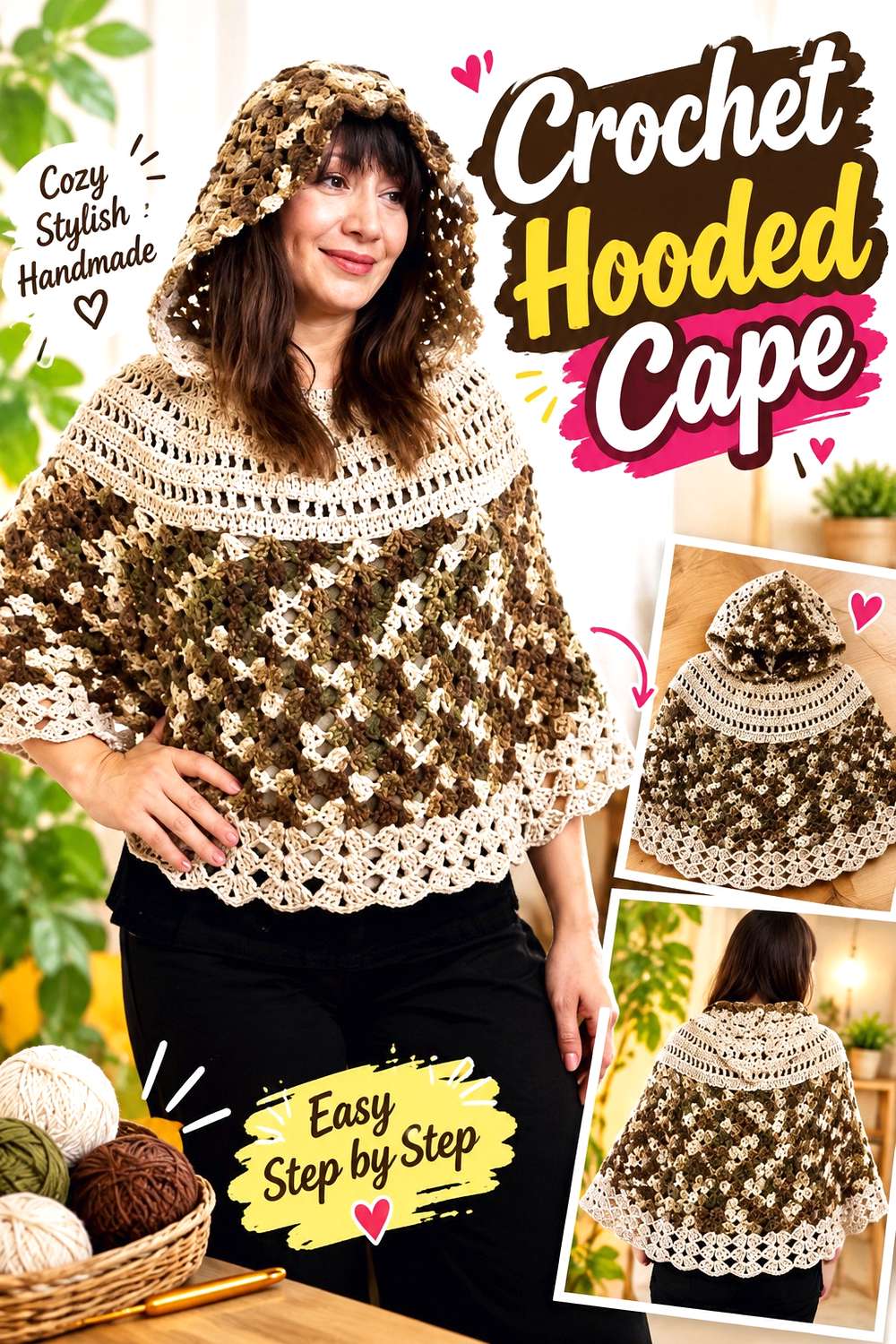
Mariie Crochet’s tutorial presents a complete hooded cape, giving the collection a larger outer layer than the hooded scarf base. The important difference is coverage: instead of concentrating fabric around the neck, a cape spreads the silhouette over the shoulders while the hood continues that shape upward around the head.
That combination naturally suits a vamp-romantic wardrobe even without a printed motif. A dark cape can provide the theatrical outline, leaving the layers underneath free for a restrained collar, corset-style top, or simple dress. Because this is an outer piece, it also changes how smaller accessories are seen. Lace cuffs can still emerge at the wrists if the arms remain visible, while a choker may disappear when the hood and cape are closed closely around the neck. Before altering the cape length or hood proportions, use the creator’s actual construction as your reference rather than assuming all dimensions can be scaled independently.
Balance Hood and Shoulder Volume
A hooded cape creates two large shapes close together: the hood around the head and the cape across the shoulders. Adding another very bulky scarf between them can make the neckline feel crowded.
If you want extra detail, consider something flatter underneath, such as the pointed collar or a fitted corset-style layer. That preserves the cape’s outer silhouette while still introducing texture when the front opens.
Make the Cape the Outermost Crochet Statement
Layering several substantial crochet garments can hide the construction that made each one worth choosing. A cape generally works best when its shoulder line remains visible instead of being compressed beneath another knitted or crocheted outer layer.
Use smaller handmade accessories underneath if you want a multi-project outfit. The contrast in scale—a broad cape with narrow cuffs or a choker—can make the individual pieces easier to distinguish.
Creator: Mariie Crochet
13. Crochet Lace-Up Corset-Style Top
13. Crochet Lace Up Corset Style Top
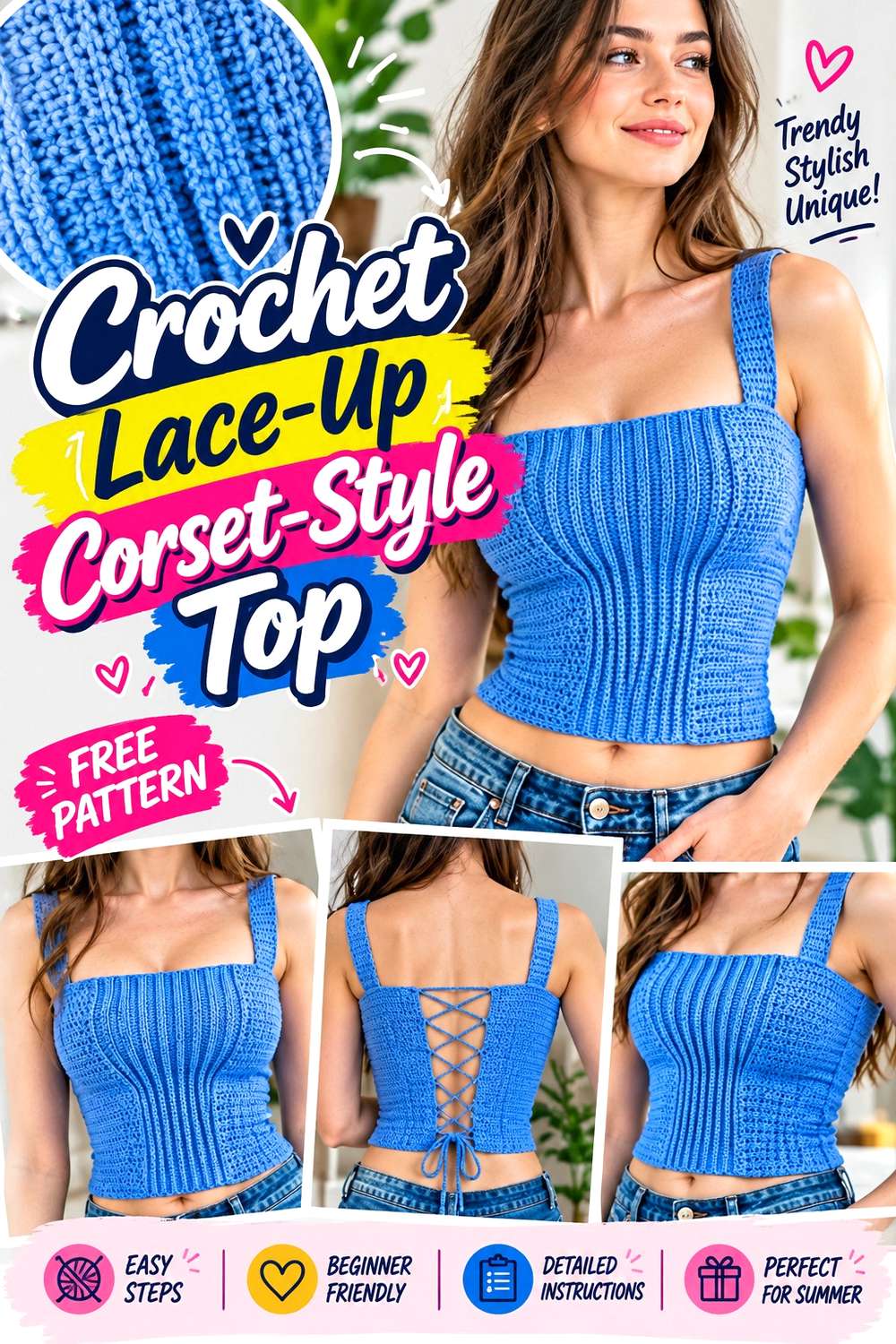
Amigurumi Forge’s tutorial covers a crochet top with three style options, including a corset version with woven straps at the back as well as two ribbed alternatives. The lace-up option is the one that fits this collection most directly because the back treatment gives the piece a defined corset reference without requiring a separate embellishment.
Unlike the collars and shawls, this project asks the crochet to function as the central garment rather than an accessory. That means proportion and fit deserve more attention than they do with a loose wrap. For vamp-romantic styling, you could treat the lace-up back as the focal feature and keep the front comparatively uncluttered, or layer the top over another garment if the construction and fit allow your intended combination. The source provides three versions, so use the creator’s specific instructions for the style you choose instead of assuming that details from the different options can be mixed without consequences.
Let the Back Lacing Have a Purpose
When a garment has a distinctive lace-up back, covering it with a dense shawl or cape removes one of its most recognizable details. If the corset styling is why you chose the project, consider when that back will actually be visible.
A front-facing accessory such as a small rose choker can complement it without occupying the same visual area. For an outfit seen mostly beneath outerwear, however, another project may deliver more visible impact.
Decide Between Garment and Layering Piece
Before starting, think about how you intend the top to sit in your wardrobe. A piece planned for layering has to cooperate with whatever goes underneath it; one worn more independently has a different fit and coverage requirement.
Do not solve that decision by simply changing hook size. Follow the creator’s version and sizing information, then compare the resulting proportions with a garment you already like. Fit changes deserve deliberate planning rather than broad assumptions about yarn or tension.
Creator: Amigurumi Forge
14. Crochet Spiderweb Layering Top
14. Crochet Spiderweb Layering Top
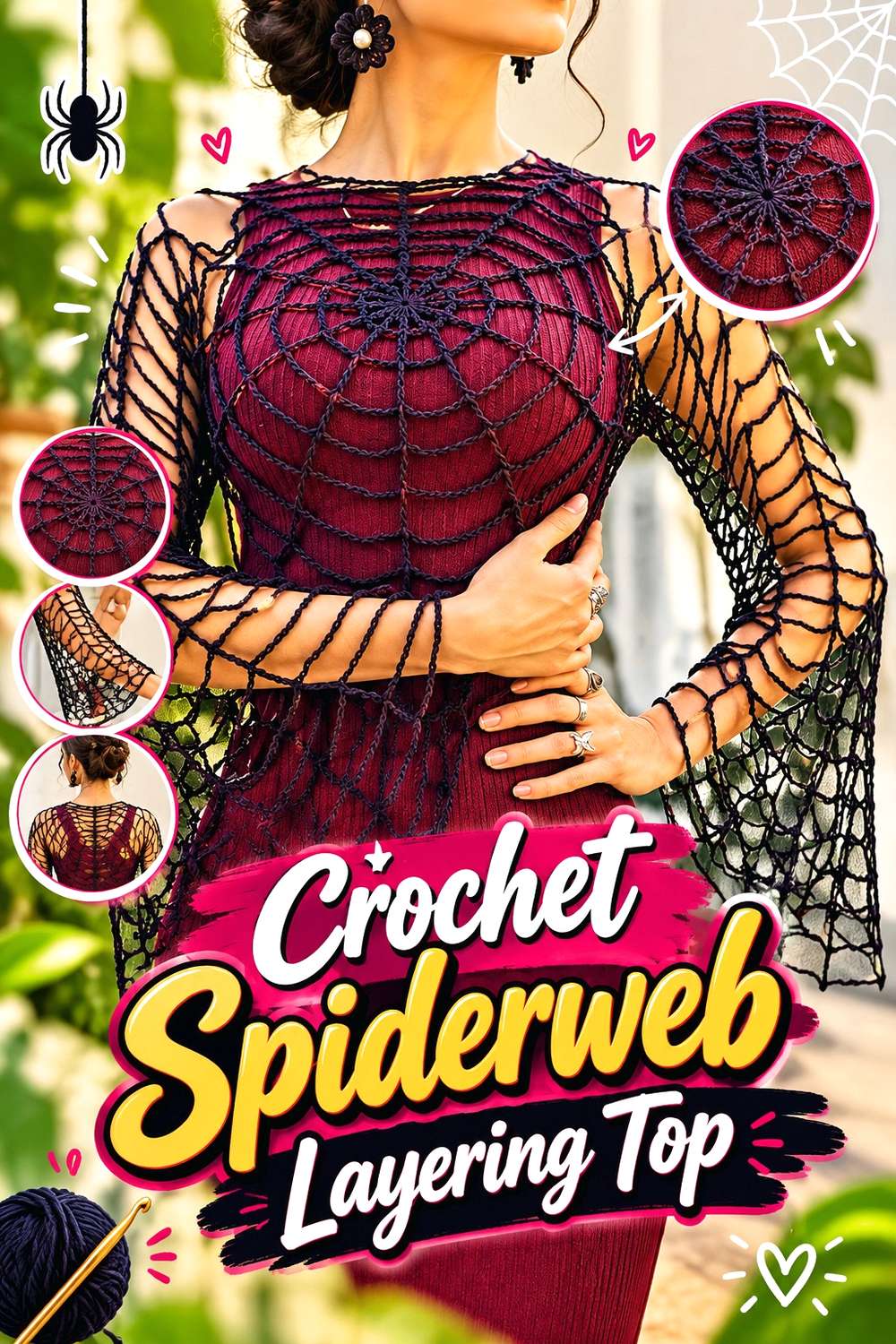
TejeDora’s spiderweb top is explicitly presented as a gothic-style accessory that can be layered over dresses, tank tops, tops, or long sleeves. The tutorial explains the construction step by step, with sleeves worked outward from the body rather than treated as an unrelated accessory.
This is one of the strongest options here if negative space is what attracts you to vamp-romantic crochet. The web structure allows the clothing underneath to become part of the visible design, so the same crochet layer can look markedly different over contrasting or near-matching garments. A pale underlayer makes the web geometry obvious; a dark tonal base creates a quieter texture. Because the piece sits over another garment, the most useful planning decision is not only which yarn color to use but what background it will have. Try to choose that layer before finishing the entire outfit rather than treating it as an afterthought.
The Base Layer Changes the Web
Open crochet depends on what is visible through the spaces. That makes the shirt or dress under this top almost as important visually as the crochet color itself.
For a strong graphic result, increase the light-dark contrast. For a more shadowed look, choose closer values and let the web appear through texture. Test both with a small area of the project or comparable openwork before committing to an entire styling direction.
Watch the Shoulder and Sleeve Relationship
The tutorial’s construction connects the sleeves with the body, so the transition through the shoulders is part of the garment rather than a detachable sleeve treatment.
That means changes to sleeve shape can affect more than the wrist. If you want a dramatically different flare or length, first understand the creator’s existing construction. Cosmetic color changes are much simpler than redesigning the connected silhouette.
Creator: TejeDora
15. Crochet Spiderweb Bell-Sleeve Shrug
15. Crochet Spiderweb Bell Sleeve Shrug

Alex Alette’s spiderweb shrug closes the collection with the most sleeve-focused web design. The tutorial covers front and back panels, joining, shoulder finishing, and two sleeve directions: a bell sleeve and a straight sleeve. That choice is especially useful for vamp-romantic styling because it lets the same web concept move toward either flowing drama or a cleaner silhouette.
The bell-sleeve version places much of the visual weight below the elbow, making hand movement part of the effect. A straight sleeve keeps attention closer to the web pattern itself and may combine more easily with bracelets or cuffs. Compared with TejeDora’s layering top, this entry is worth choosing when sleeve shape is a major part of your decision rather than simply wanting a webbed upper-body layer. Since both projects already have strong openwork identities, there is little reason to add another large motif unless you specifically want a highly layered gothic look.
Choose Bell or Straight Sleeves Deliberately
The creator includes both bell and straight sleeve options, so this is a genuine design choice within the tutorial rather than an adaptation invented for this article.
Bell sleeves produce more movement and a wider lower-arm silhouette. Straight sleeves keep that area visually quieter. Think about what you carry and what other wrist accessories you wear as well as appearance; the sleeve choice changes the space available around your hands.
Let the Web Pattern Stay Legible
A spiderweb shrug already contains a strong repeating geometry. Wearing it over another high-contrast lace pattern can make both surfaces more difficult to distinguish.
Try a relatively simple base garment first and judge the web against it. Once you know how clearly the structure reads, add jewelry or a collar only where there is visual room. This keeps layering deliberate instead of allowing every decorative element to compete equally.
Creator: Alex Alette
Conclusion
For a small vamp-romantic accent, the Crochet Rose Choker, Pointed Wednesday-Inspired Collar, or Lace Cuffs keeps the commitment focused around one part of the outfit. The Narrow Skull Scarf and Mini Skull Hand Warmers make the gothic reference more explicit without taking over the whole silhouette.
For larger drama, choose according to shape. The Bat-Wing Shawl emphasizes an unmistakable winged outline, the Victorian Fringe Shawl leans toward antique romance, and the Hooded Cape creates the broadest outer layer. The Corset-Style Top brings the focus to fitted clothing, while the two Spiderweb projects use negative space and sleeves as their main effect. Use the original tutorials for exact construction details, especially where fit, multipart instructions, or connected garment sections matter.
Frequently Asked Questions
What colors work for vamp-romantic crochet besides black?
Deep burgundy, oxblood-like reds, plum, charcoal, muted gray, antique cream, and dusty rose can all move in a dark-romantic direction. The better question is how the color interacts with the stitch pattern. Spiderwebs and lace may need enough contrast with the garment underneath to remain visible, while a dimensional rose can rely more on shadow and relief. Test the yarn beside the clothing you expect to wear rather than choosing from the skein alone.
Which of these ideas avoids complicated garment fit?
The Rose Choker, the two collars, the Lace Cuffs, and the shawls avoid the same kind of torso fitting required by the Corset-Style Top or spiderweb garments. That does not make them automatically easier; it simply changes the decisions involved. You will still need to follow the tutorial’s construction and consider how an accessory sits around the neck, wrist, or shoulders. Choose by the kind of fitting you prefer rather than assuming a smaller object always means a simpler project.
Can I combine skull, bat, spiderweb, and rose motifs in one outfit?
Yes, but decide which motif should be noticed first. A bat-wing shawl already controls a large part of the silhouette, so small lace gloves or a rose choker may support it more clearly than another large graphic garment. With skull hand warmers, you might keep the shoulder layer mostly plain. Combining motifs works best when they occupy different scales or locations rather than all competing for the same area.
How can I make dark lace and spiderweb crochet easier to see?
Look at the value contrast behind the openwork. Black web crochet over another nearly black layer creates a subtle texture, while the same fabric over a lighter base makes the geometry much more obvious. Neither result is inherently better. Before planning an entire outfit, hold the crochet—or a sample of comparable openwork—over several garments in normal indoor and outdoor light. That tells you whether the negative space is creating the effect you intended.
Are all 15 tutorials specifically advertised as vampire crochet?
No. The collection combines explicitly gothic forms such as spiderwebs, skulls, a bat-style shawl, and a Wednesday-inspired collar with romantic lace, Victorian-inspired pieces, and hooded constructions that suit the broader aesthetic. The Dark-Romance Hooded Scarf Base is deliberately included as an adaptation base: its source teaches an infinity scarf with an attached hood, while the vamp-romantic palette and styling are suggested here rather than claimed as part of the creator’s original design.