Everyday crochet beanie caps work best when the shape fits the way someone actually wears a hat. Some people prefer a neat ribbed cap that sits close to the head, while others want a softer slouch shape, a folded brim, or a lighter mesh style. This collection keeps the focus on wearable beanies with clear differences in fit, texture, edge finish, and daily use.
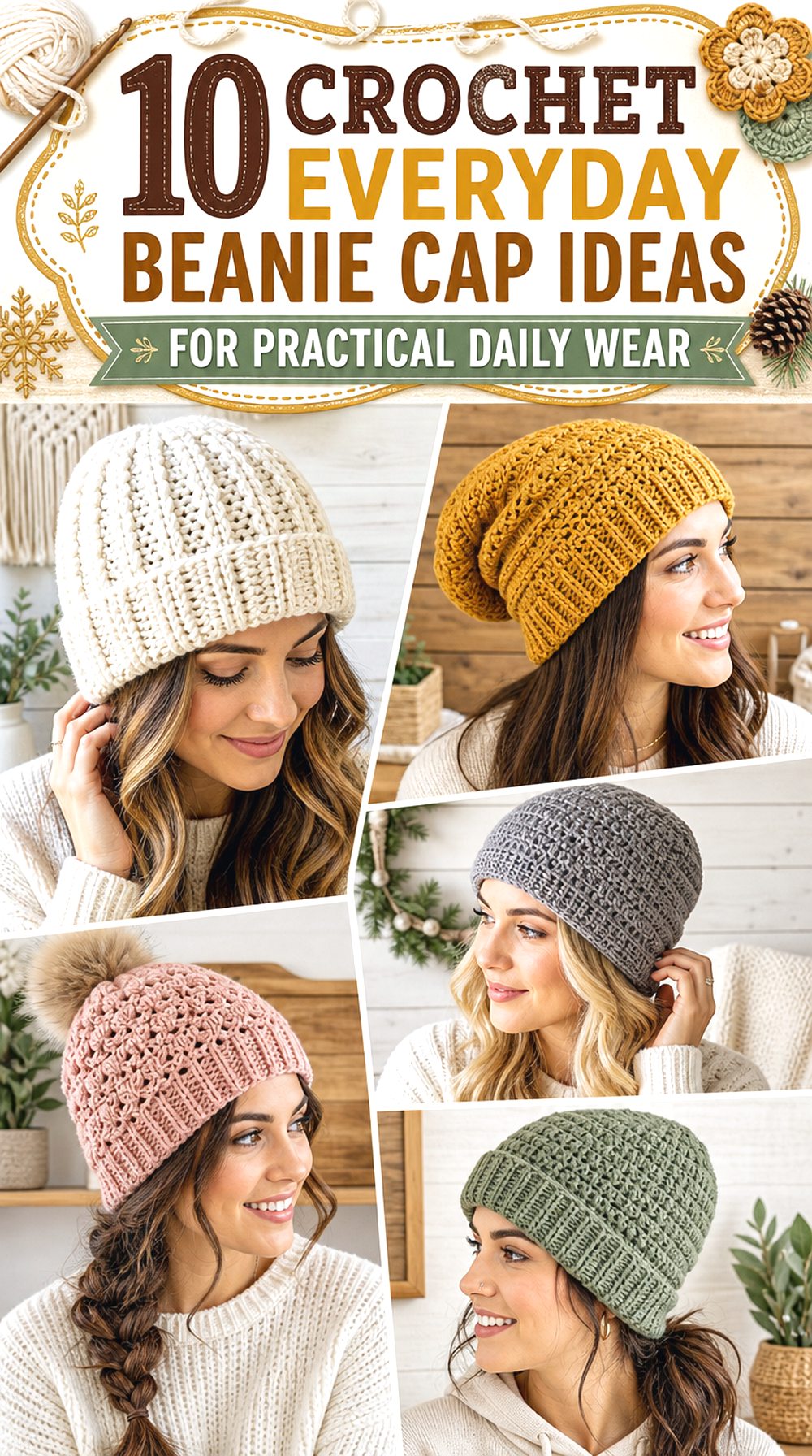
The ideas below include simple-looking caps, textured stitch designs, warmer close-fit options, and beanies with stronger surface detail. Use the quick list to compare the overall style first, then open the original tutorial that best matches the finished look and fit you want.
Quick List
- Crochet Minimal Ribbed Everyday Beanie
- Crochet Relaxed Slouch Beanie Cap
- Crochet Folded-Brim Cold-Weather Beanie
- Crochet Mesh Skull Cap Beanie
- Crochet Waffle-Texture Beanie Hat
- Crochet Puff-Stitch Soft Beanie
- Crochet Braided Cable Beanie Cap
- Crochet Moss Stitch Everyday Beanie
- Crochet Herringbone Texture Beanie
- Crochet Thermal Stitch Close-Fit Beanie
Why These Crochet Beanie Cap Ideas Are Worth Making
Crochet beanie caps can serve different everyday needs even when they look similar at first glance. A folded brim gives extra edge coverage, a slouch shape leaves more room at the back, and a close ribbed cap creates a cleaner everyday profile. Textured designs also change the feel of a beanie without needing bright color or extra decoration.
This mix is useful because it lets readers compare fit, crown shape, thickness, stitch definition, and styling before choosing a tutorial. For gifting, a neutral ribbed cap may feel safer, while a cable or waffle texture can feel more personal. For daily wear, size notes, brim depth, and finished stretch are worth checking before supplies are chosen.
Crochet Minimal Ribbed Everyday Beanie
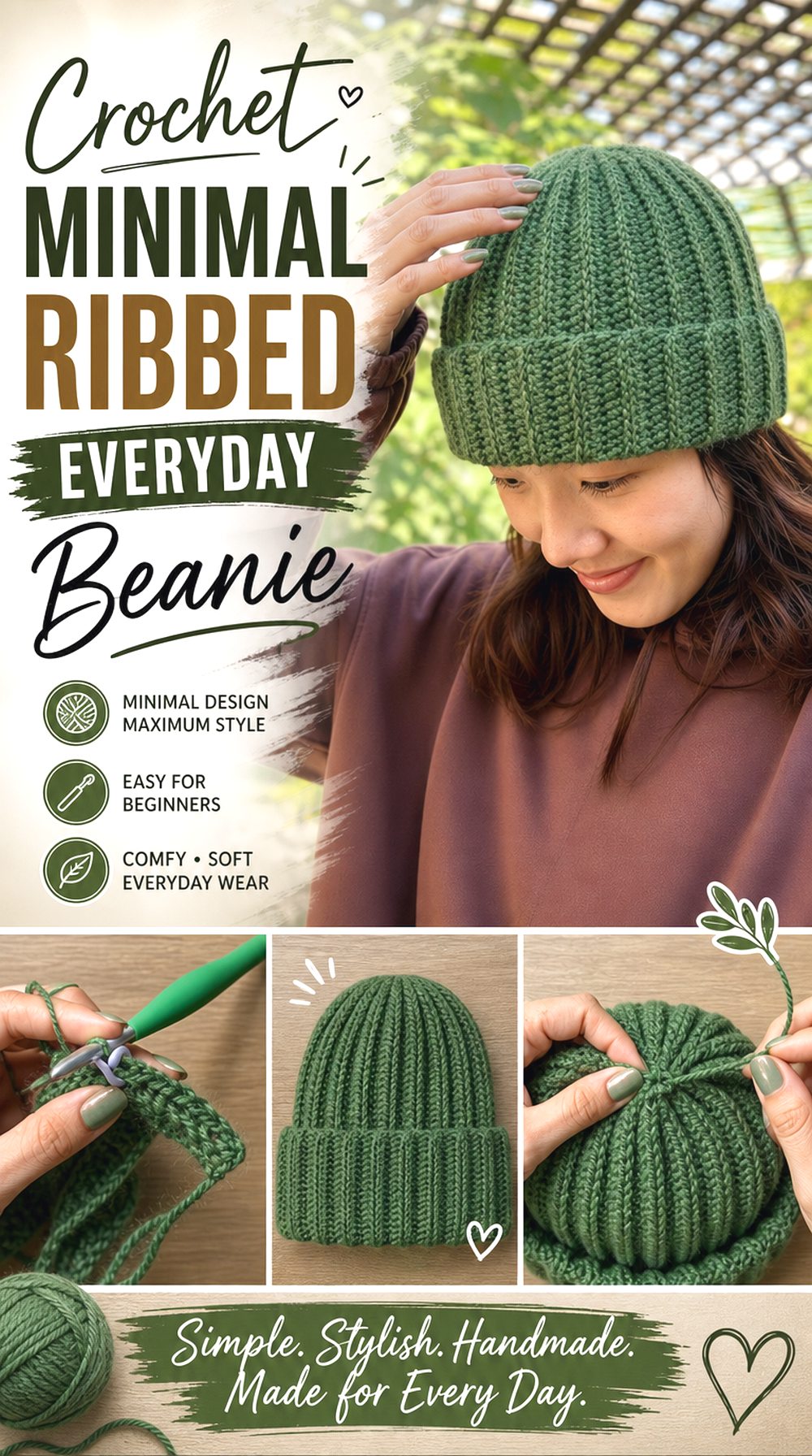
A ribbed beanie has the clean, close shape many people reach for first because it can work with coats, hoodies, casual outfits, and simple winter layers. This version is especially useful for readers who want a cap with a knit-like surface and a smooth top finish rather than a bulky gathered crown.
The minimal look also makes color choice more important. A solid neutral will keep the ribbing quiet, while a brighter shade can make the texture stand out without adding extra trim.
Think About the Close Fit
A close-fitting ribbed beanie depends on stretch and finished length, so readers should compare the sizing guidance with the head size they are making for. The cap should not be chosen only by appearance, because ribbed crochet can behave differently depending on yarn and tension. Checking the finished fit notes helps avoid a hat that sits too shallow or feels too loose.
Check the Top Finish
The top of a ribbed beanie can change the whole look. A smoother crown works well for everyday wear because it avoids a heavy bunch at the top. Readers should pay attention to how the final closing area is handled in the original guide, especially if they want a neat profile that looks finished from the front, side, and back.
Review the Sizing Section Carefully
The source includes a dedicated sizing and measurement portion, which is useful for anyone making the cap for a specific person. Rather than relying on a general adult label, readers should pause around the measurement discussion and compare it with the intended wearer. This is especially helpful when choosing between a snug cap and a slightly roomier everyday beanie.
Crochet Relaxed Slouch Beanie Cap
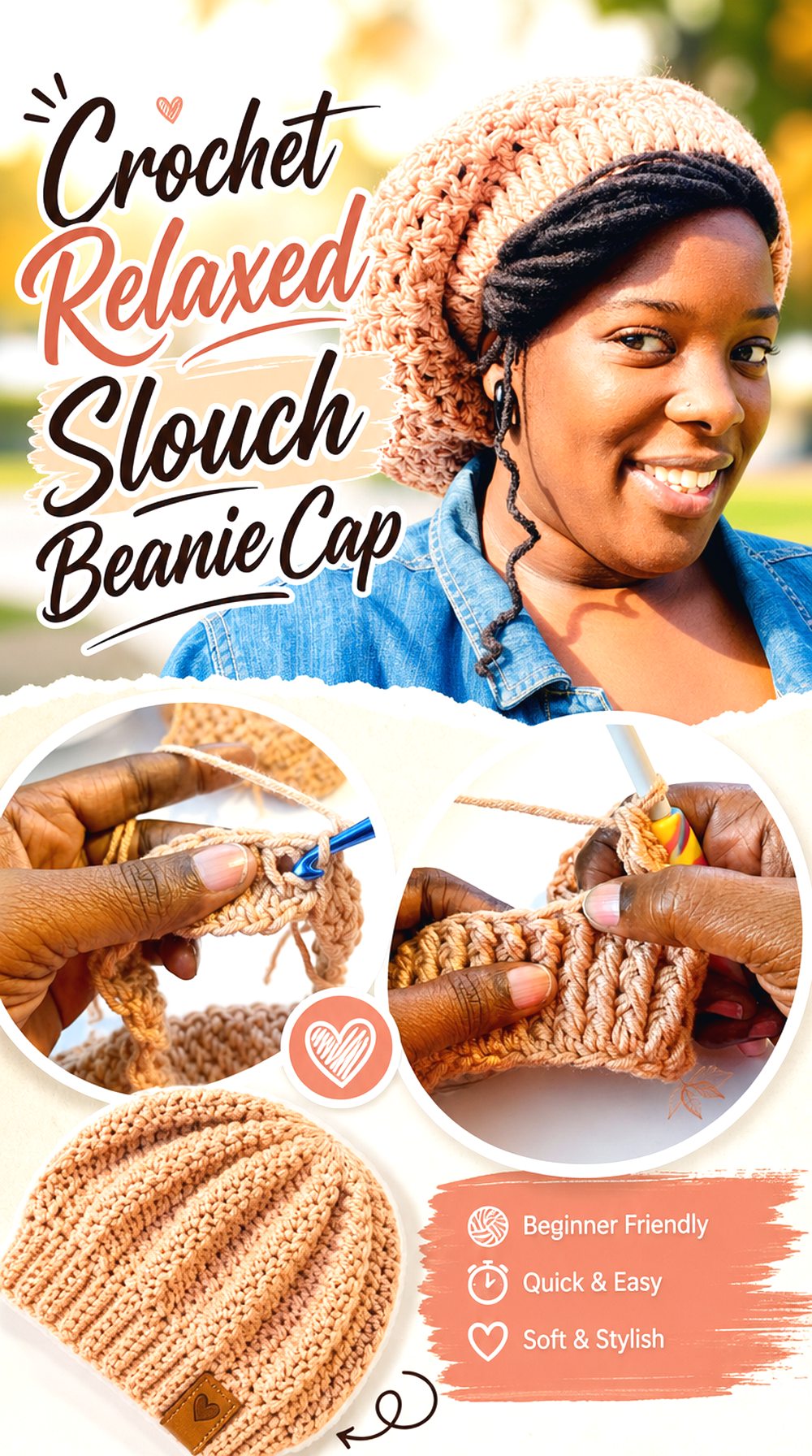
A slouch beanie gives the cap a softer back shape, making it different from the close ribbed options in this list. The extra relaxed area can suit casual outfits, loose hair, and people who prefer a hat that does not sit tightly against the crown.
This style is worth considering when the finished silhouette matters as much as the stitch texture. The shape should look intentional, not simply oversized, so the back drape and lower edge are the main details to watch.
Look at the Back Shape
The defining feature of a slouch beanie is the extra room toward the back. Readers should look for a finished view that shows how much the hat drops after it is worn. A small slouch can still feel neat, while a deeper slouch creates a more relaxed look. This decision affects how the cap will pair with coats, scarves, and hair volume.
Confirm the Lower Edge
The lower edge needs enough structure to keep the beanie in place while still supporting the relaxed top. Before starting, readers should check whether the edge is shown clearly and whether the finished cap sits low, high, folded, or flat against the forehead. That detail matters for comfort, coverage, and the final look of the slouch.
Compare the Shape as You Work
A slouchy cap can change noticeably as length is added. It is useful to compare the developing shape against the finished example before continuing too far. Readers who want a smaller slouch should be especially careful not to judge the project only while it is flat, since the worn shape is what makes this beanie different.
Original Tutorial and Creator Credit
Creator: Dress it up Debra
Crochet Folded Brim Cold Weather Beanie
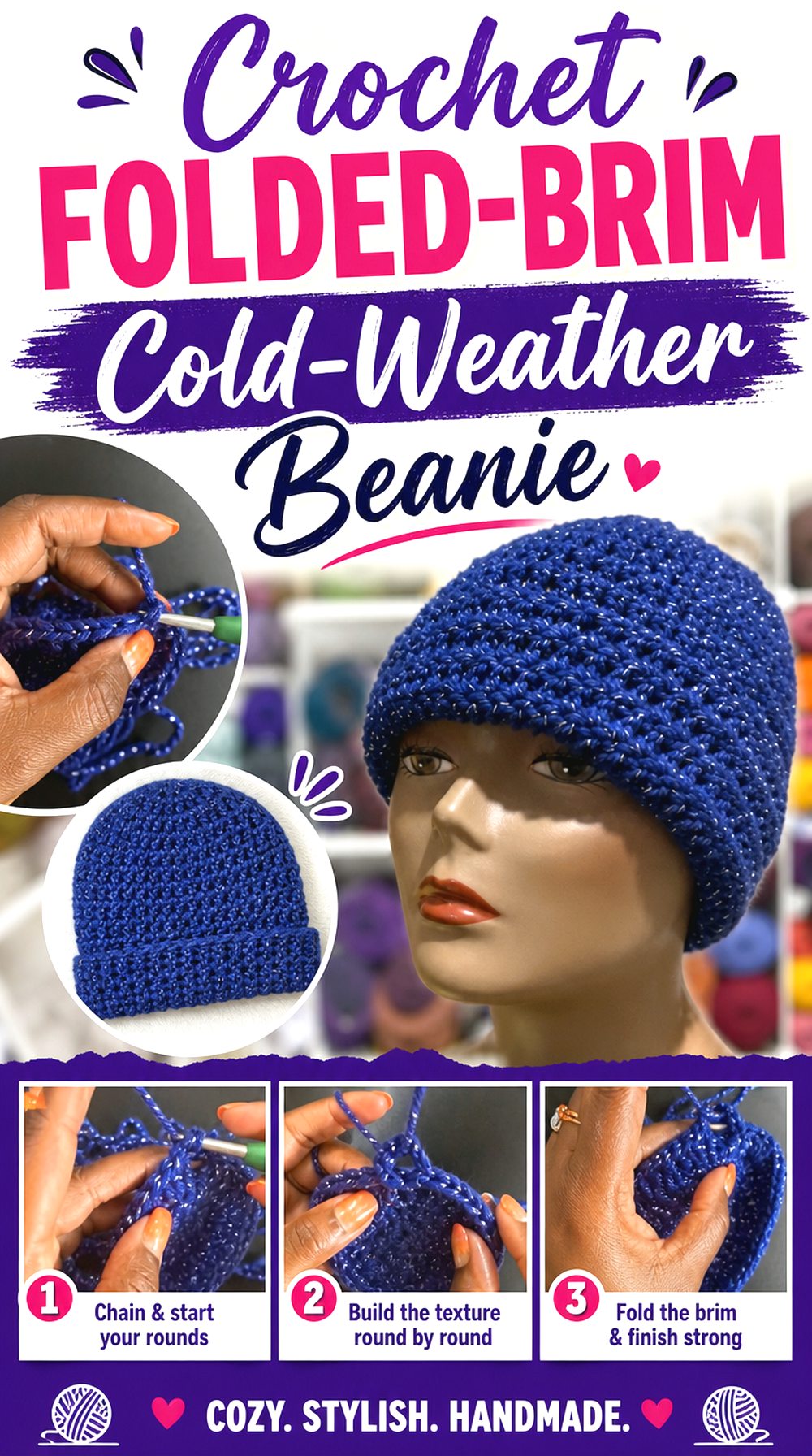
The folded brim gives this beanie a stronger lower edge and a warmer visual weight around the forehead and ears. It is a practical choice for readers who like a cap that looks classic but still has more depth at the opening than a plain single-edge beanie.
Because the brim is the main feature, the finished fold should look even all the way around. This style can also work well in solid colors because the shape of the brim provides enough detail on its own.
Check the Brim Depth
A folded brim changes both the appearance and the coverage of a beanie. Readers should check how deep the fold appears in the finished example and decide whether they want a narrow cuff or a wider band. A deeper fold may make the hat look more structured, while a smaller fold keeps the cap closer to a basic everyday shape.
Think About Ear Coverage
The lower edge is important if the beanie is meant for cooler days. Readers should compare the worn view with the coverage they want around the ears before choosing this style. The fold may look neat on a table, but the real test is where it sits when worn and whether the crown still has enough depth above it.
Keep the Fold Even
A folded brim looks best when the turn-up is consistent. During finishing, readers may want to check the brim from several angles rather than only from the front. If the guide shows a final worn view, use that as the reference for keeping the edge level and the fold smooth around the whole cap.
Original Tutorial and Creator Credit
Creator: LadySamoan The Lady-of-Crochet
Crochet Mesh Skull Cap Beanie
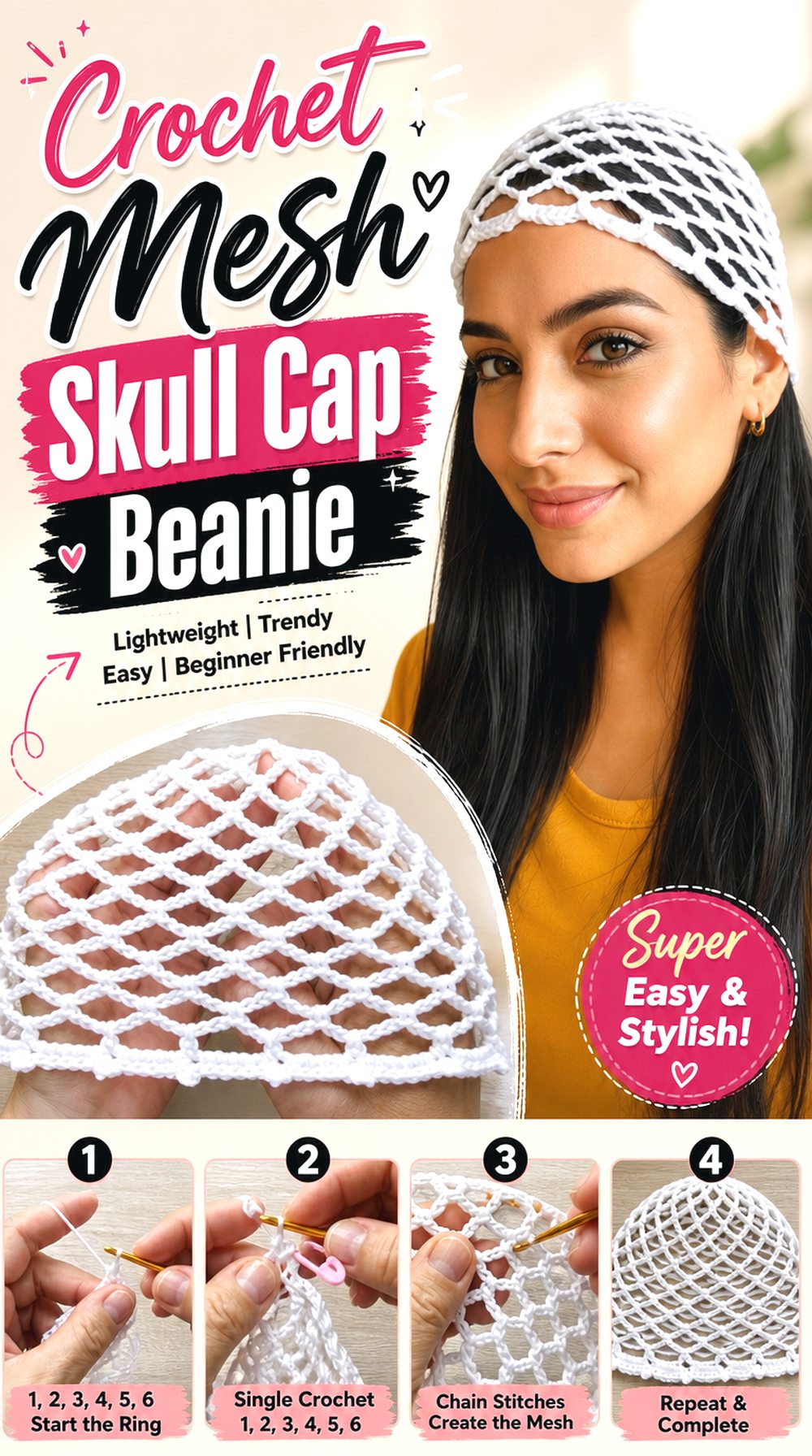
The mesh skull cap has a closer, lighter look than the thicker winter-style beanies in this collection. Its open texture makes it feel more like a fashion cap than a heavy cold-weather hat, and the shorter profile gives it a different everyday purpose.
This idea may suit readers who want a cap with visible stitch openings and a neat head-hugging shape. The open surface should be considered carefully, especially if coverage, warmth, or hair visibility matters.
Think About Coverage
A mesh beanie will not look or behave like a dense ribbed or thermal cap. The open areas are part of the style, so readers should decide whether they are comfortable with that amount of visibility. This is especially important for daily wear, because the cap may be chosen more for shape and styling than for maximum warmth.
Check the Cap Depth
Skull cap styles often sit closer to the head, so depth matters. Readers should look at the finished example and check where the lower edge falls. A cap that sits too high may feel more decorative, while a slightly deeper one may feel more wearable for everyday outfits. The original tutorial should be used for exact sizing guidance.
Choose Color With the Mesh in Mind
Open stitch texture can make color appear lighter or busier than it does in a solid beanie. A calm neutral may highlight the shape, while a bright color can make the mesh more noticeable. Readers should consider how much contrast they want between the yarn, hair, and outfit before deciding on the finished look.
Original Tutorial and Creator Credit
Creator: Crochet Rocio
Crochet Waffle Texture Beanie Hat
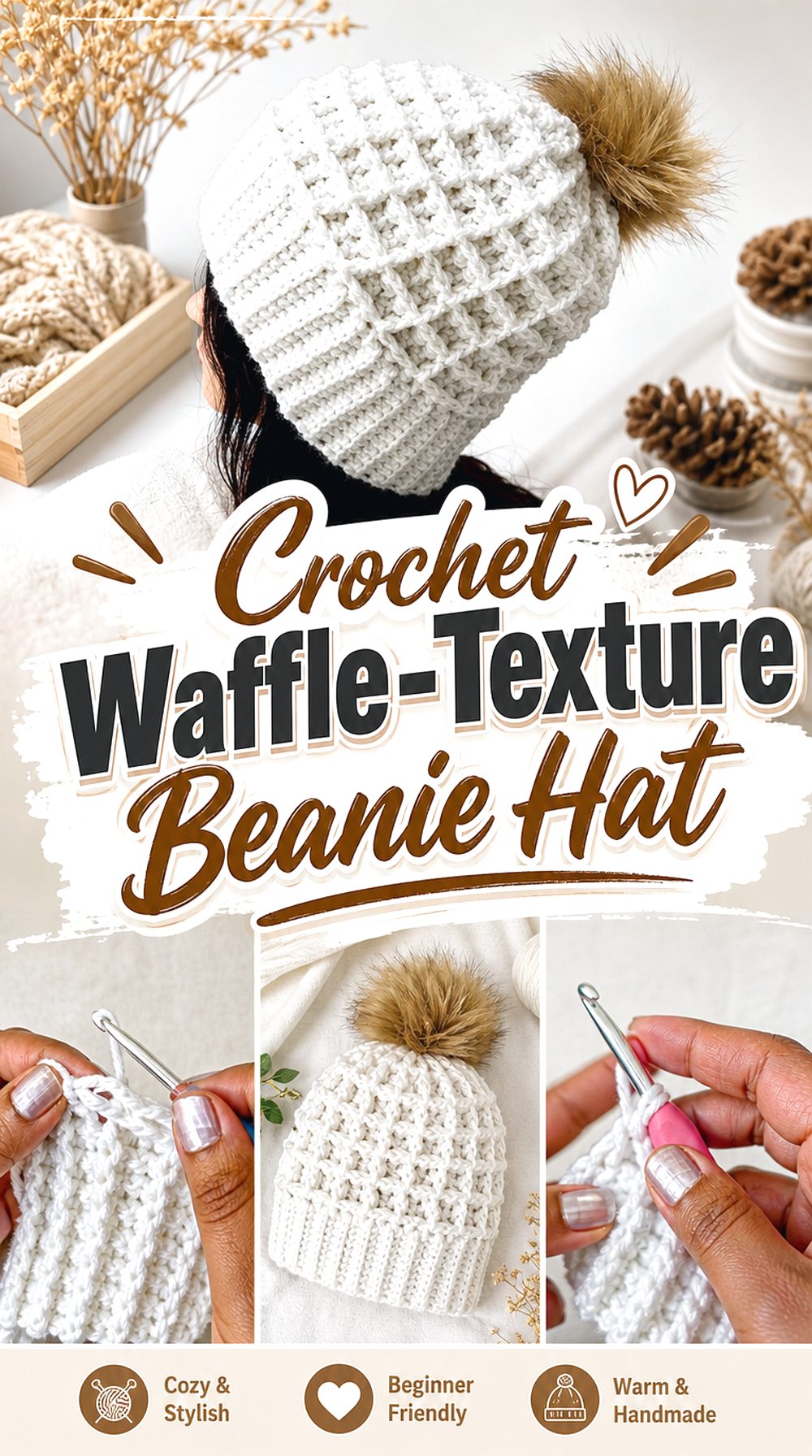
A waffle-texture beanie has a raised, gridded surface that feels more dimensional than a plain ribbed cap. The texture gives the hat a strong handmade look without needing stripes, appliqués, or a pom-pom, so it can still stay practical for daily wear.
This project stands apart because the stitch surface is the main design feature. It may appeal to readers who want a beanie that looks substantial but not overly decorative.
Let the Texture Stay Clear
The waffle effect is easiest to appreciate when the stitch definition remains visible. Readers may want to avoid color choices that hide the raised surface unless they prefer a quieter look. The finished beanie should be checked in good light so the grid texture can be seen clearly around the crown and sides.
Confirm the Material List
The source lists materials, including yarn and hook information, so readers should review that section before buying supplies. Texture-heavy hats can change in appearance when yarn thickness or fiber behavior changes. Staying close to the creator’s listed materials, or carefully comparing substitutes, helps keep the raised waffle surface from becoming too stiff or too loose.
Slow Down the Textured Sections
Waffle texture relies on consistent placement and visible relief, so this is not the kind of beanie to rush through blindly. Readers should use close-up portions of the guide when the surface pattern is being formed. A quick check after each visible texture repeat can help catch uneven areas before the shape grows larger.
Original Tutorial and Creator Credit
Creator: DIY Danni
Crochet Puff Stitch Soft Beanie
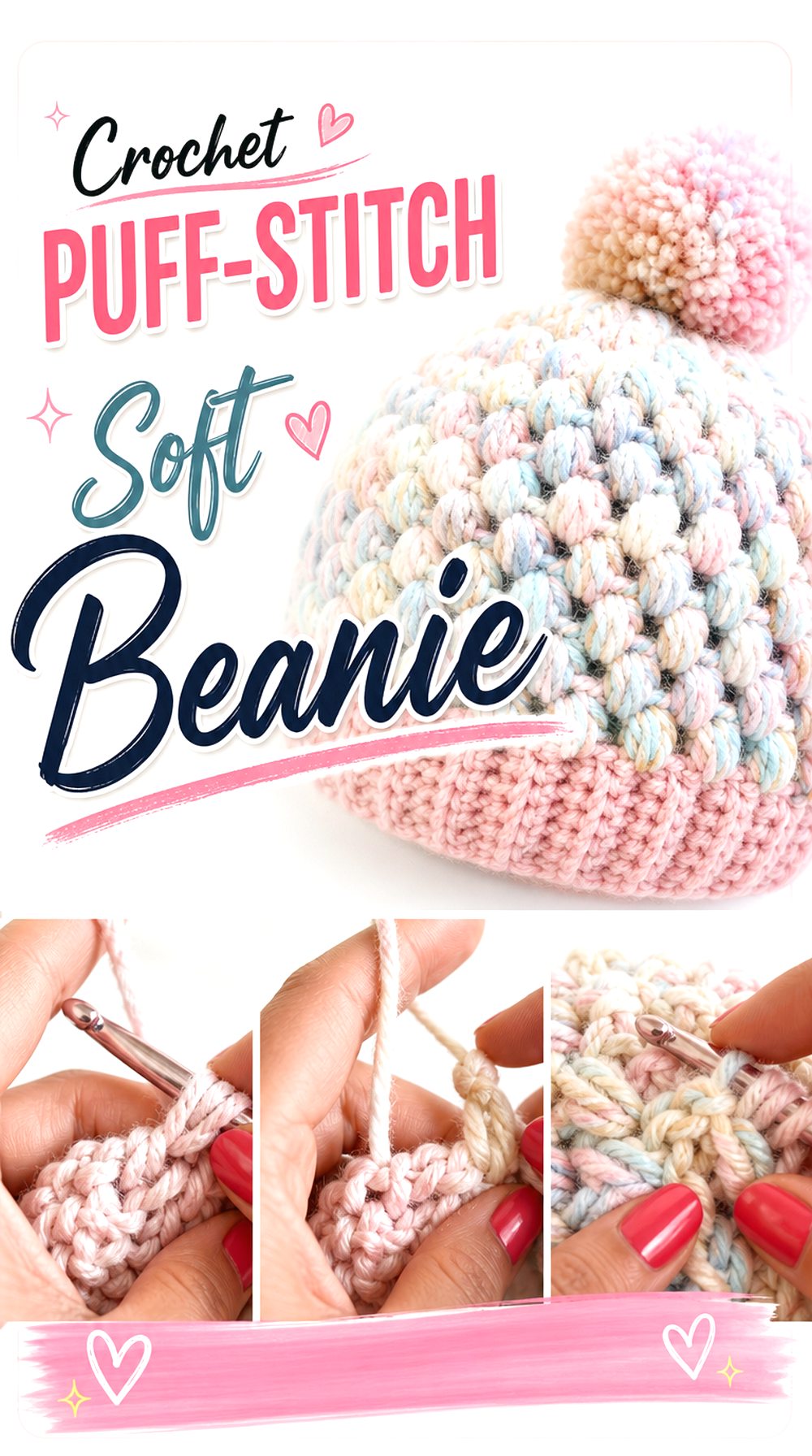
Puff texture gives this beanie a softer, rounded surface compared with the sharper lines of ribbing, herringbone, or waffle stitch. The raised stitches create visible fullness across the cap, making it a good option for readers who want a cozy-looking everyday hat with more surface interest.
This style is different from a cable beanie because the texture appears more dotted and cushioned rather than braided. It can work well when the hat itself is meant to be the main accessory.
Watch the Texture Build
Puff stitches can make a beanie look fuller very quickly. Readers should watch how the texture builds across the sample and compare it with the amount of surface volume they want. A puff-stitch cap can feel visually soft and rounded, so it is worth checking whether that texture suits the intended wearer’s usual style.
Check the Finished Edge
A textured beanie still needs a clean lower edge. Readers should look at how the brim or edge is finished and whether it balances the puff texture above it. If the edge is too plain for the wearer’s taste, the finished cap may look top-heavy; if it is too bulky, it may compete with the raised surface.
Use the Original Parts Together
The source information points to related parts for the puff-stitch hat, so readers should make sure they are following the complete set needed for the finished project. This is important because a textured hat may include separate shaping and finishing portions. Keeping the source sequence organized prevents missed finishing details without needing to recreate the pattern from memory.
Original Tutorial and Creator Credit
Creator: Claudetta Crochet
Crochet Braided Cable Beanie Cap
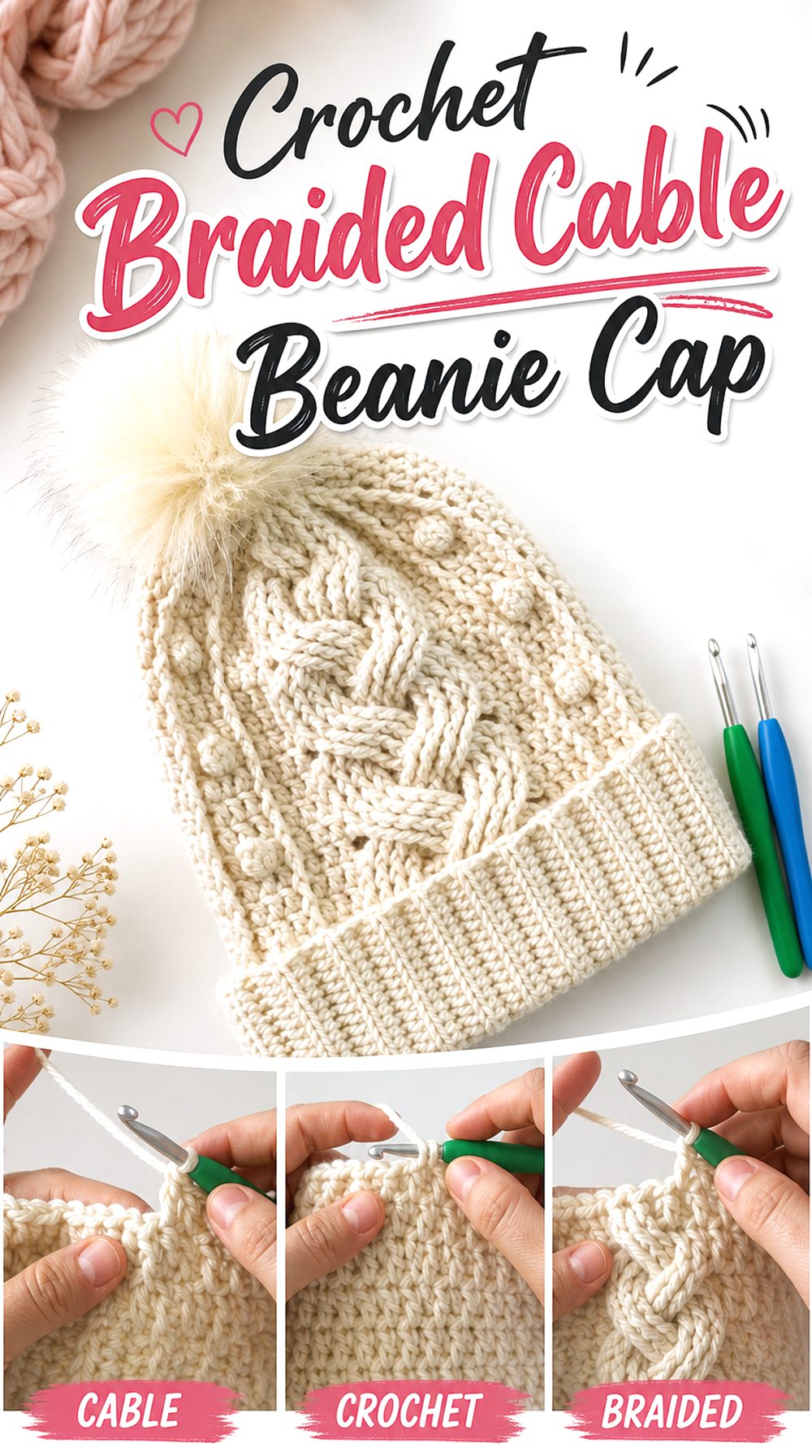
A braided cable beanie has a more defined surface pattern than the softer puff or moss stitch options. The raised cable detail gives the cap a structured look, making it useful for readers who want an everyday beanie that still feels designed and intentional.
This idea works especially well when the stitch pattern is allowed to stand out. A simple color can keep the focus on the cable line, while a more variegated yarn may make the texture harder to read.
Keep the Cable Detail Visible
The cable texture is the main reason to choose this beanie, so readers should think carefully about yarn color and stitch visibility. A color with too much visual change may hide the braided effect. Before committing, compare the yarn against the finished example and decide whether the cable should be subtle or clearly defined.
Watch the Raised Sections Closely
Cable-style crochet often includes moments where the surface direction changes. Readers should slow down when the raised detail begins to form and use the closest views available in the guide. This is not about memorizing the pattern; it is about making sure the texture remains lined up and recognizable as the beanie grows.
Consider the Overall Style
A braided cable cap can look more polished than a plain everyday beanie. That makes it useful for gifting or for someone who likes texture but not extra embellishment. Readers should compare it with the folded-brim and waffle options in this list if they want a hat that feels substantial without adding flowers, stripes, or bright trim.
Original Tutorial and Creator Credit
Creator: Sirin’s Crochet
Crochet Moss Stitch Everyday Beanie
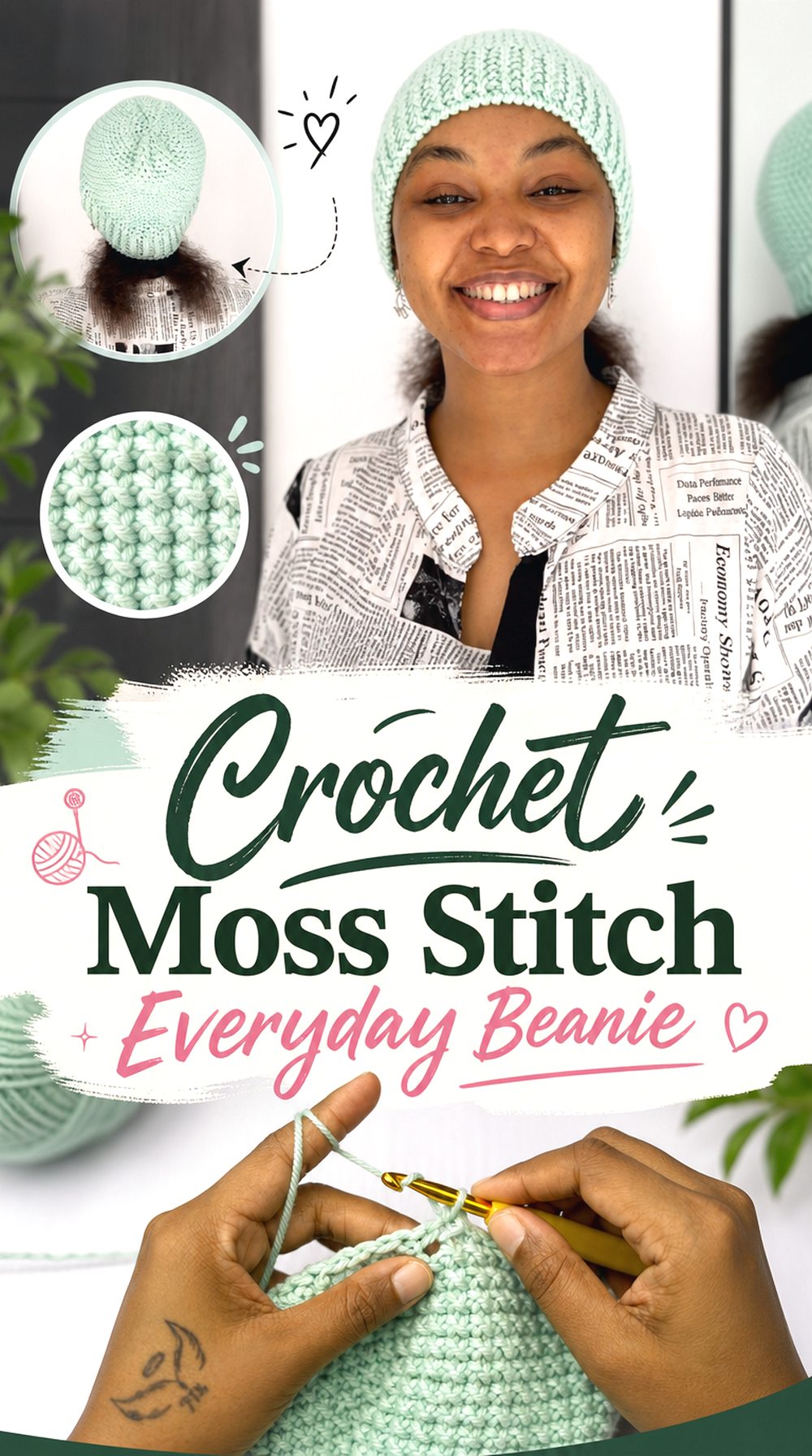
The moss stitch beanie has a smaller, more even texture than waffle, cable, or puff designs. It gives the cap a calm allover surface, which can make it easy to wear with everyday clothes while still looking more detailed than a completely plain hat.
This tutorial notes an adult-size example and reminds viewers to take their own measurements because yarn, hook size, and tension can affect results. That makes this a useful pick for readers who want a wearable beanie but know fit still needs attention.
Compare Your Measurements
The creator specifically advises taking measurements because yarn choice and tension can affect the final result. Readers should treat that as an important planning step, especially for an everyday beanie that needs to stay comfortable. A hat can look right in texture but still miss the mark if the depth or circumference does not match the intended wearer.
Notice the Even Surface
Moss stitch creates a small-scale texture that does not dominate the whole outfit. This makes it a good option for readers who want detail without a heavy raised pattern. A solid or gently shaded yarn can help the stitch surface stay balanced, while very busy color changes may make the neat texture less visible.
Keep Track of Progress
Because the surface is even and repeated, it can be useful to keep a simple progress note while following the guide. Readers should mark where they stop and compare the cap shape as it grows. This helps maintain consistency without turning the article into instructions or replacing the original tutorial’s exact counts.
Original Tutorial and Creator Credit
Creator: FTK Crochet
Crochet Herringbone Texture Beanie
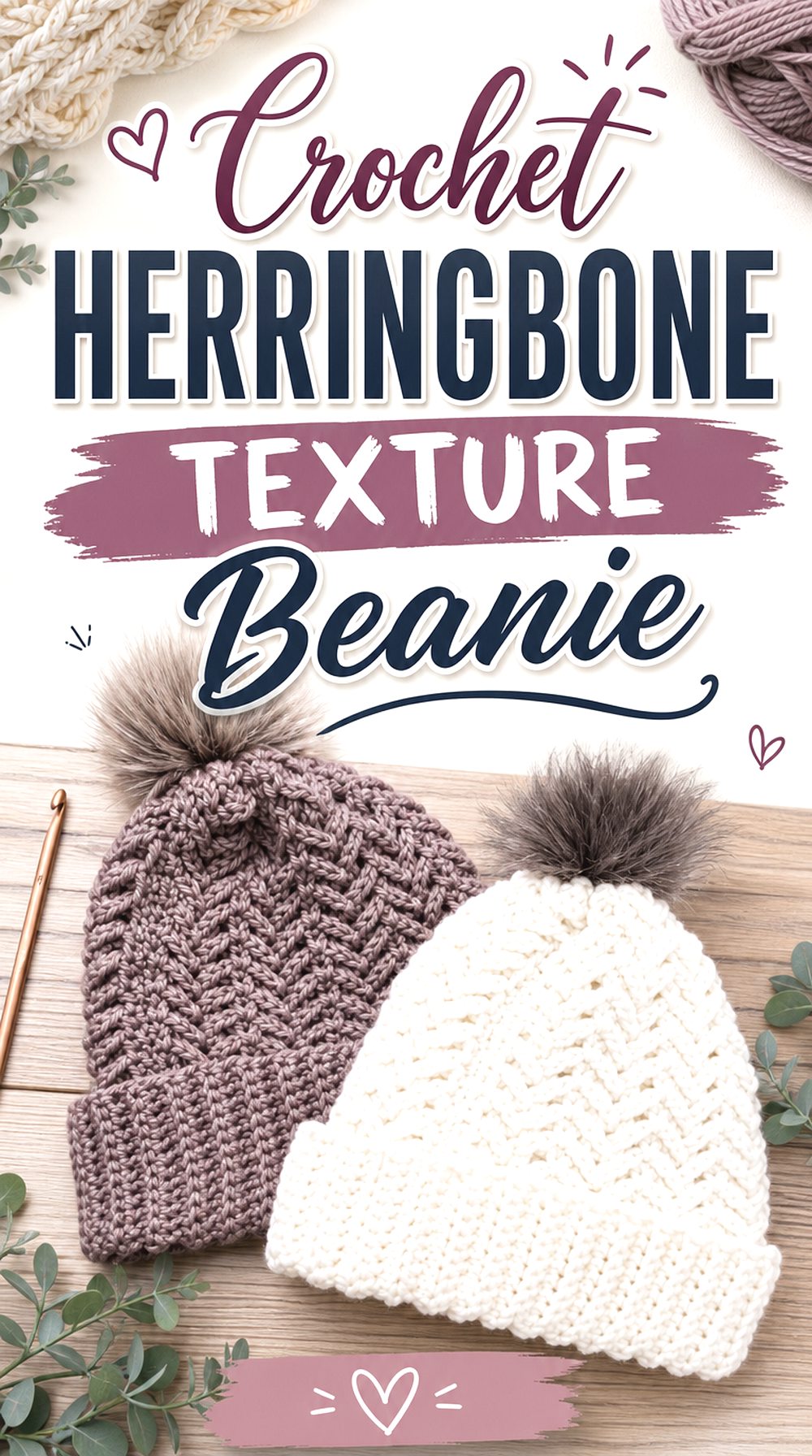
A herringbone texture gives this beanie a clean directional surface, different from both ribbing and cable work. The stitch effect can make the cap look tailored while still staying simple enough for daily use, especially in a solid color that shows the angled texture clearly.
This option is useful for readers who want a hat that feels neat rather than bulky. It also offers a different kind of texture for anyone comparing several beanie styles before choosing one.
Look at the Directional Texture
The herringbone effect depends on the way the stitches visually lean and line up. Readers should look closely at the finished sample and decide whether they want that directional texture to be the main feature. A yarn with strong color shifts may distract from the pattern, while a smoother solid yarn can make the surface easier to read.
Review the Size Options
The source states that the pattern comes in multiple sizes, from baby through large adult. Readers making this as a gift should check the written pattern and tutorial notes instead of guessing from age or label alone. A beanie with a neat surface still needs the right circumference and depth to work as an everyday cap.
Check the Written Support
This tutorial is connected with a free written pattern, which can be useful for readers who like watching and reading together. The video can help with the visual rhythm of the herringbone texture, while the written source should be checked for sizing and exact pattern details. Using both can reduce confusion during the shaping and finishing stages.
Original Tutorial and Creator Credit
Creator: Blackstone Designs Crochet
Crochet Thermal Stitch Close Fit Beanie
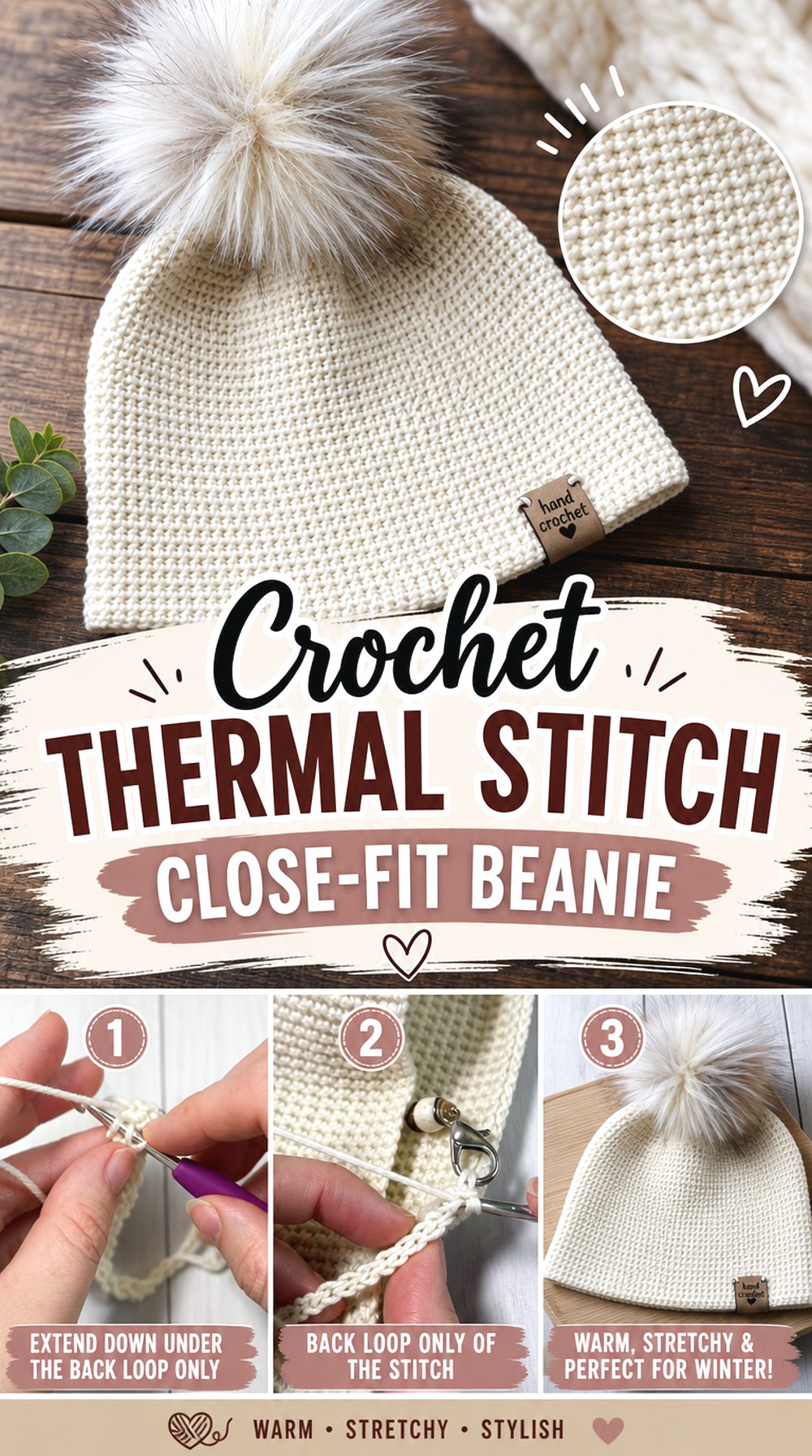
A thermal stitch beanie has a dense, crisp appearance that sets it apart from the mesh skull cap and softer textured designs. The finished look is clean and close-fitting, making it a strong everyday option for readers who want a practical cap with less decorative surface movement.
The source includes detailed information such as skill level, gauge, finished size, yarn, hook, and notions. Those details make this a good project to review carefully before choosing supplies or adjusting expectations.
Check the Finished Size
The source gives finished size information for an adult women’s fit, so readers should compare that with the intended wearer before starting. A close-fit beanie leaves less room for guesswork than a slouch cap. If the wearer prefers extra depth, a different style from this list may be a better match unless the creator’s instructions support adjustments.
Review Gauge and Materials
Thermal stitch can create a firm fabric, so the listed gauge and materials matter. Readers should review the creator’s yarn, hook, and gauge information before substituting. A change in yarn weight or tension may affect both the feel and the finished size, which is especially important for a cap meant to sit neatly against the head.
Decide Whether Dense Fabric Suits the Use
This beanie has a more solid appearance than open or airy styles. That can be useful for a clean cold-weather look, but it may not be the right choice for someone who wants a loose, light, or slouchy cap. Compare it with the mesh, moss stitch, and ribbed options before deciding which everyday beanie fits the intended use.
Original Tutorial and Creator Credit
Creator: Rich Textures Crochet
Conclusion
These crochet everyday beanie cap ideas give readers several useful directions instead of one repeated hat shape. The ribbed and moss stitch beanies keep things clean and wearable, while the folded-brim and thermal versions feel more structured. The slouch cap offers a relaxed profile, the mesh skull cap is lighter, and the waffle, puff, cable, and herringbone designs focus on texture. Choose by fit first, then by surface detail and brim style. Use the original tutorials for the exact construction details before starting.
FAQs
How do I choose the right crochet beanie cap style?
Start with the way the hat should sit on the head. A close ribbed or thermal beanie gives a neater fit, while a slouch cap leaves more room at the back. A folded brim adds a stronger lower edge, and a mesh skull cap gives a lighter look with more open texture.
What should I check before changing yarn?
Check the creator’s material list, gauge notes, and size information first. Yarn changes can affect stretch, thickness, stitch definition, and finished depth. This matters most for close-fit beanies, textured caps, and folded-brim styles where small changes can affect how the finished hat sits.
Are textured crochet beanies practical for everyday wear?
They can be, as long as the texture matches the wearer’s style and use. Waffle, puff, cable, and herringbone surfaces add more visible detail than plain ribbing. For a quieter everyday cap, choose a solid color or a smaller texture like moss stitch.
Should I pick a folded brim or a plain edge?
Choose a folded brim when you want a stronger lower band and a classic cuffed look. A plain edge can feel lighter and simpler, especially on ribbed, mesh, or close-fit beanies. The best choice depends on the amount of coverage, thickness, and structure the wearer prefers.
Can I sell beanies made from YouTube tutorials?
Do not assume selling is allowed just because a tutorial is public. Check the creator’s written terms, pattern page, video description, and any license notes before selling finished items. Local labeling, safety, and business requirements may also apply, especially if the hats are made for customers.