Crochet squirrel amigurumi projects can vary much more than they first appear. Some are soft woodland plush toys with rounded shapes, while others are tiny keychains, acorn sets, flying squirrel designs, or character-style figures with longer faces and expressive details.
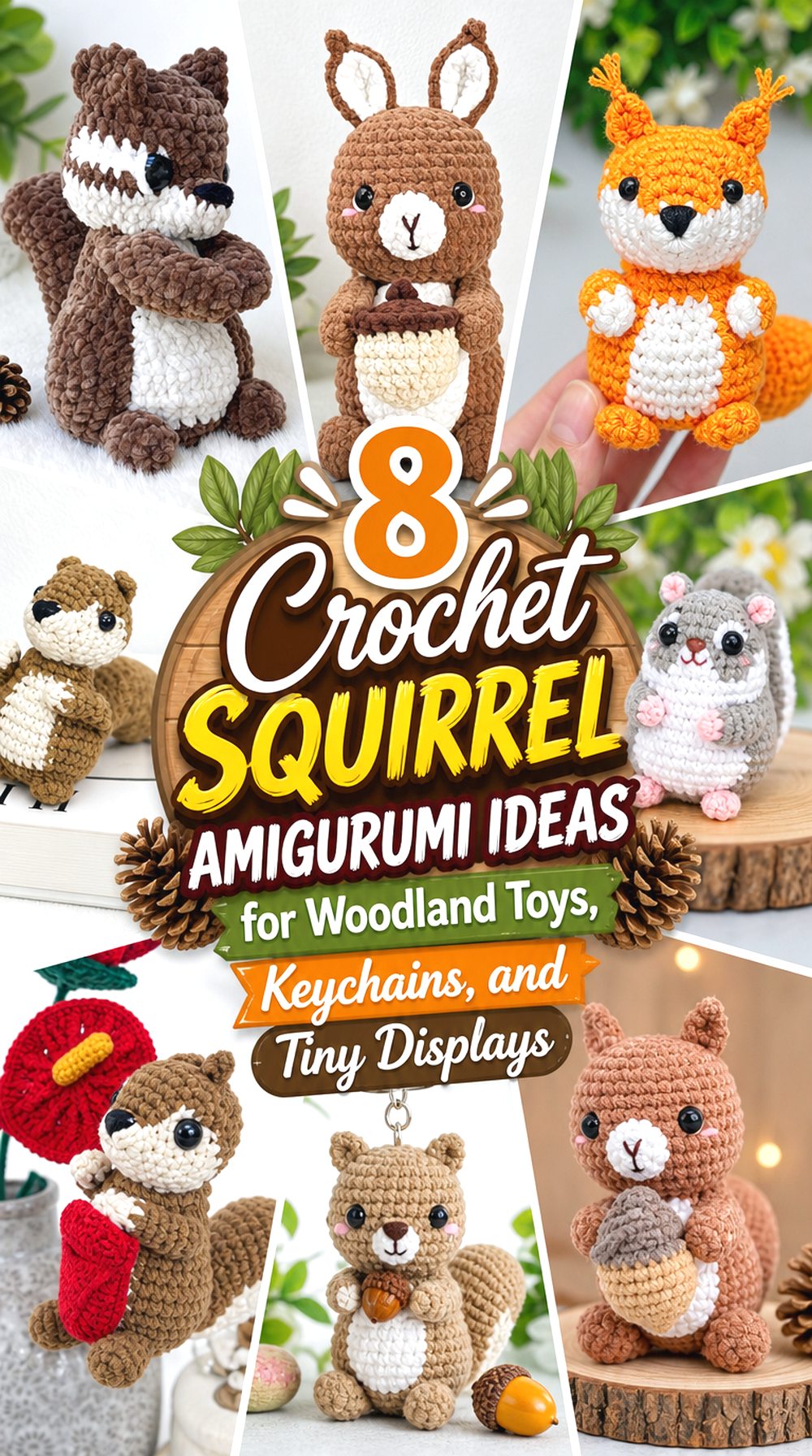
This list brings together eight different squirrel amigurumi ideas so readers can compare size, shaping, display use, attachment details, and finishing needs before choosing a tutorial. Each option links to a real YouTube tutorial from a different channel, so every project has its own source and style.
Quick List
- Crochet Low-Sew Woodland Squirrel Amigurumi
- Crochet Plush Yarn Squirrel Amigurumi
- Crochet Classic Woodland Squirrel with Free Guide
- Crochet Mini Squirrel Keychain Amigurumi
- Crochet Squirrel and Acorn Toy Set
- Crochet Japanese Dwarf Flying Squirrel Amigurumi
- Crochet Tiny 6 cm Squirrel Amigurumi
- Crochet Long-Neck Character Squirrel Amigurumi
Why These Crochet Squirrel Amigurumi Projects Are Worth Making
Squirrel amigurumi works well for woodland displays, autumn shelves, nursery decor, handmade animal collections, and small seasonal gifts. The shape gives makers several useful decisions: a curled tail can become the main feature, a small body can turn into a keychain, and an acorn accessory can make the finished piece feel more like a set.
These projects also help readers choose by scale. A tiny squirrel may suit a bag charm or desk spot, while a plush yarn version may have a softer, larger presence. Character-style and flying squirrel designs add variety for makers who want something less traditional.
Crochet Low Sew Woodland Squirrel Amigurumi
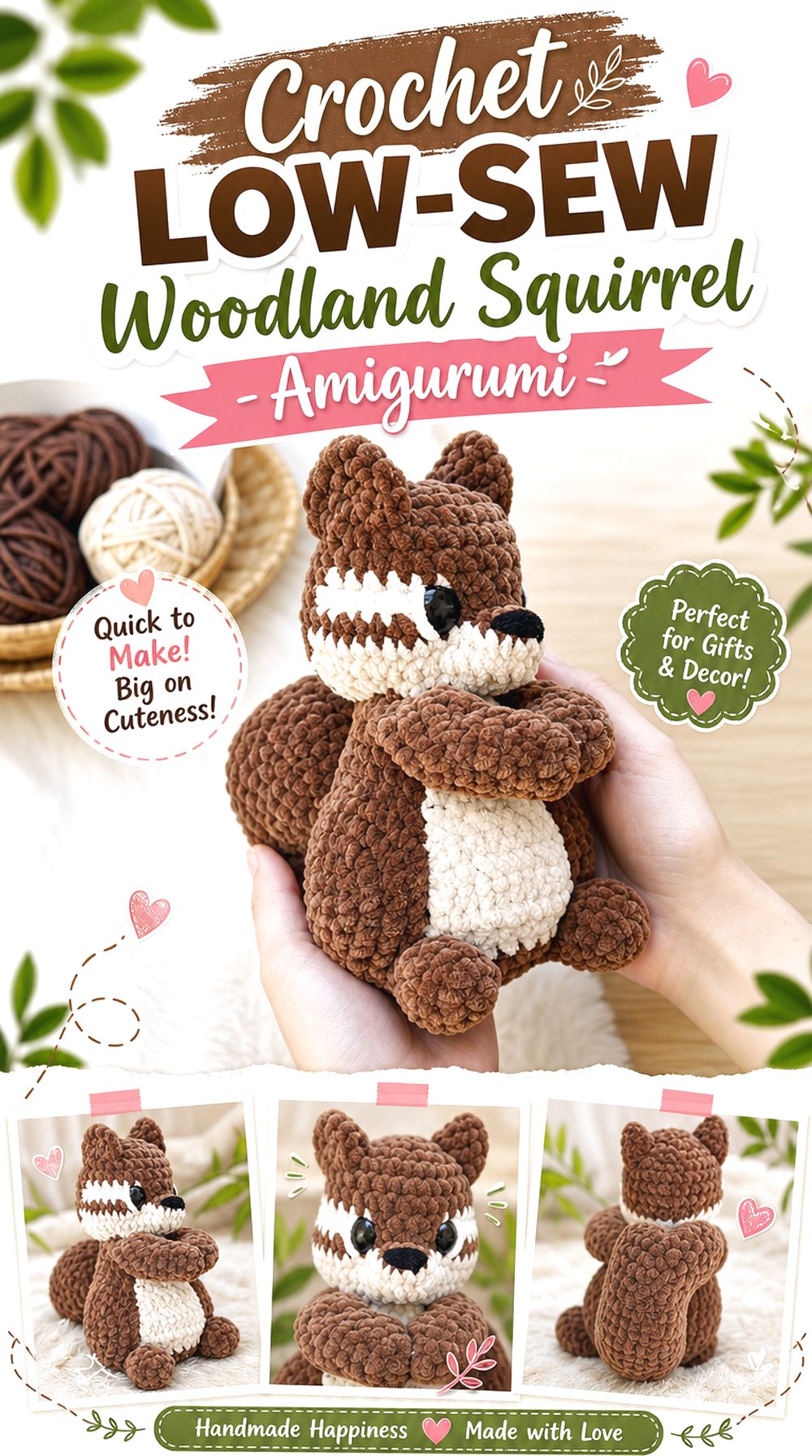
A low-sew squirrel is useful for readers who like a stuffed woodland animal but want fewer separate pieces to attach. This design centers on a compact squirrel shape with the familiar rounded body, small ears, face details, and tail that make the animal easy to recognize.
The finished look is different from the keychain and flying squirrel options because it reads more like a small plush woodland toy. It may suit shelf decor, seasonal displays, or a handmade animal collection where the squirrel needs to stand on its own visually.
Consider the Low-Sew Format
A low-sew format can make the finishing stage feel less scattered, but readers should still check exactly which parts are joined and which details are added separately. For a squirrel, the tail, ears, and face shaping matter a lot to the final expression. Review the full guide before starting so the finishing points do not come as a surprise.
Check the Tail Shape
The tail is one of the main features that separates a squirrel from other woodland animals. Look closely at how large it appears compared with the body and whether it sits upright, curves, or rests against the back. A tail-heavy amigurumi may need careful stuffing and placement, so the final assembly view is worth checking before committing.
Review the Face Details
Small changes in eyes, cheeks, nose placement, or shaping can make a squirrel look alert, sleepy, or cartoon-like. Since this project has a soft toy look, the face details carry much of the personality. Readers making this for a child should check the creator’s notes and choose age-appropriate facial features instead of assuming every attachment is suitable.
Crochet Plush Yarn Squirrel Amigurumi
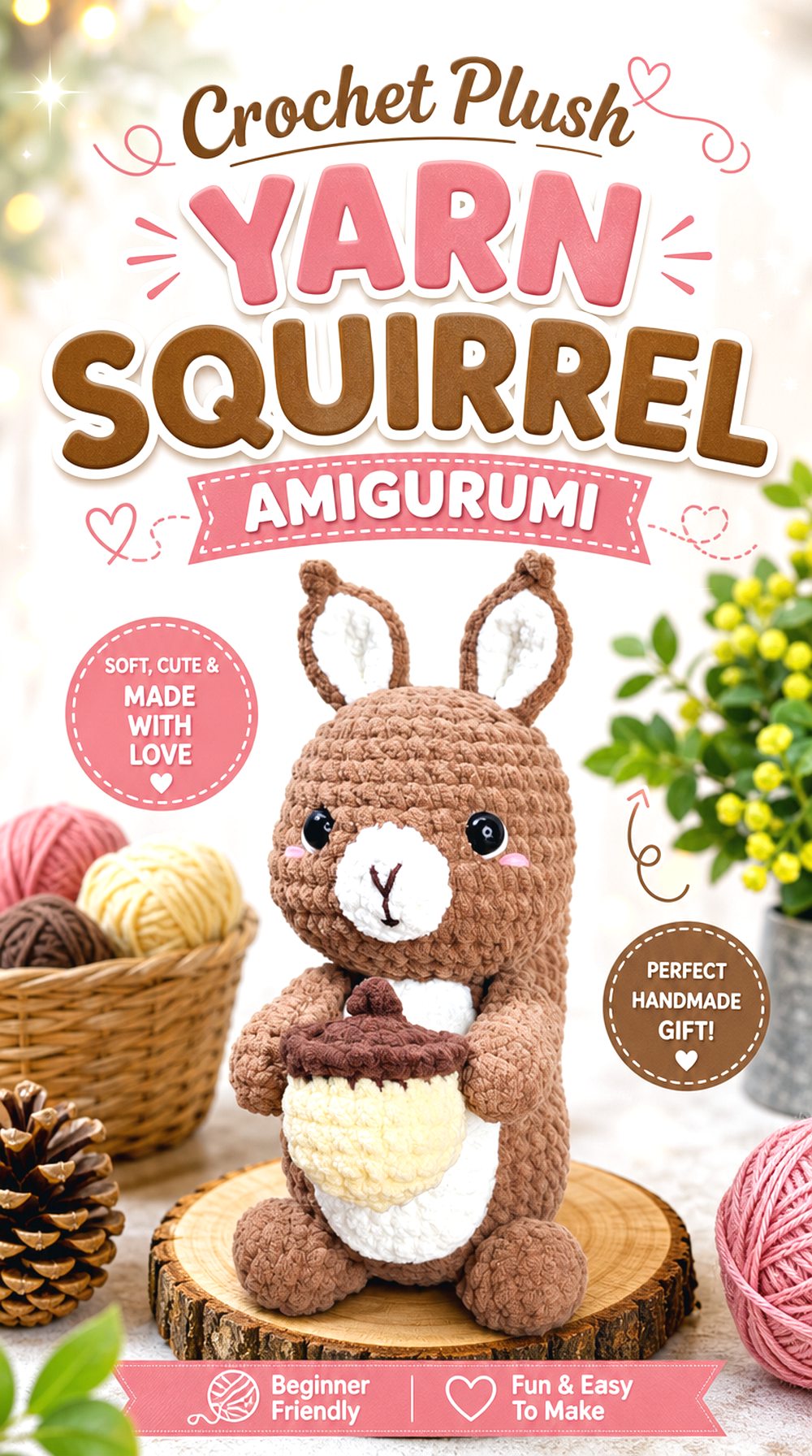
This squirrel amigurumi uses a softer plush direction, giving the finished animal a fuller and more cuddly appearance than a small cotton-style keychain. The source information lists plush yarn, larger hook sizing, safety eyes, stuffing, and stitch markers, so readers can see that the material choice strongly affects the final look.
Compared with the low-sew squirrel, this option feels more rounded and substantial. It may appeal to makers who want a bigger woodland animal shape rather than a miniature display piece.
Think About a Softer Plush Look
Plush yarn can create a fuller amigurumi surface, but it can also make small details less sharp than smoother yarn. For a squirrel, that matters around the ears, feet, and tail edge. Readers should look at the finished close-ups and decide whether they prefer a soft rounded shape or a more defined stitch texture before choosing supplies.
Confirm the Material List
The source information includes plush yarn, hook size, eyes, stuffing, a yarn needle, and stitch markers. Readers should still check the creator’s own material list before buying anything, because substitutions can change the size and firmness. For amigurumi, matching the yarn weight and eye size to the intended finished shape is more important than guessing from the thumbnail.
Compare the Shape as You Work
A plush squirrel can change shape quickly as stuffing is added. It is useful to compare the body and tail proportions at major points instead of waiting until the final assembly. If the tail looks too light, flat, or oversized, the finished squirrel may not balance visually, even when the stitch work itself is neat.
Original Tutorial and Creator Credit
Creator: Tata Crochet Patterns
Crochet Classic Woodland Squirrel with Free Guide
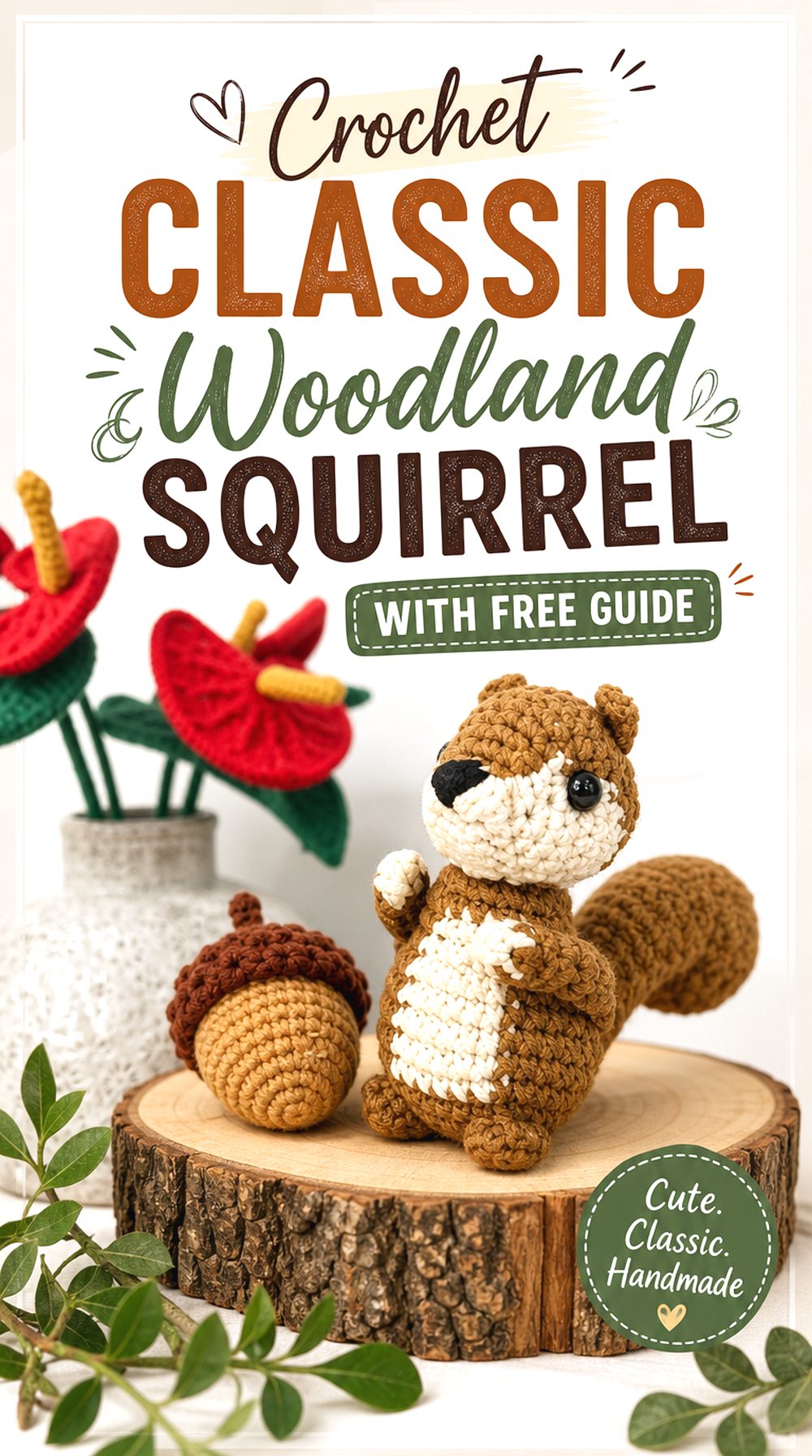
This classic squirrel amigurumi keeps the focus on a familiar woodland animal shape rather than a novelty format. The project is supported by a YouTube tutorial and a linked PDF pattern on the creator’s website, which may help readers who prefer to follow both video and written guidance.
Its value in this list is the straightforward squirrel identity. It is not a keychain, flying squirrel, or character parody, so it may suit readers looking for a clean animal figure for a woodland shelf, autumn setup, or handmade animal group.
Use the Written Support Carefully
A linked written guide can be helpful for checking materials, order, and pattern notes, but readers should use the creator’s original instructions rather than relying on a summary. Keep the video and written source together while working so any visual detail, such as shaping or placement, can be compared with the exact written notes.
Check the Finished Size
The search result does not clearly state a finished measurement for this squirrel, so size should be confirmed from the creator’s source before choosing it for a specific display space or gift package. Amigurumi size can shift with yarn weight, hook size, tension, and stuffing firmness, so a “small squirrel” may not mean the same thing across tutorials.
Plan the Display Purpose
A classic squirrel figure can work well in a woodland set because it does not depend on a keychain loop, accessory, or character reference. Think about whether the finished animal will sit alone, join foxes and bears, or appear with autumn decor. That decision can guide color choices without changing the creator’s construction details.
Original Tutorial and Creator Credit
Creator: Loopara
Crochet Mini Squirrel Keychain Amigurumi
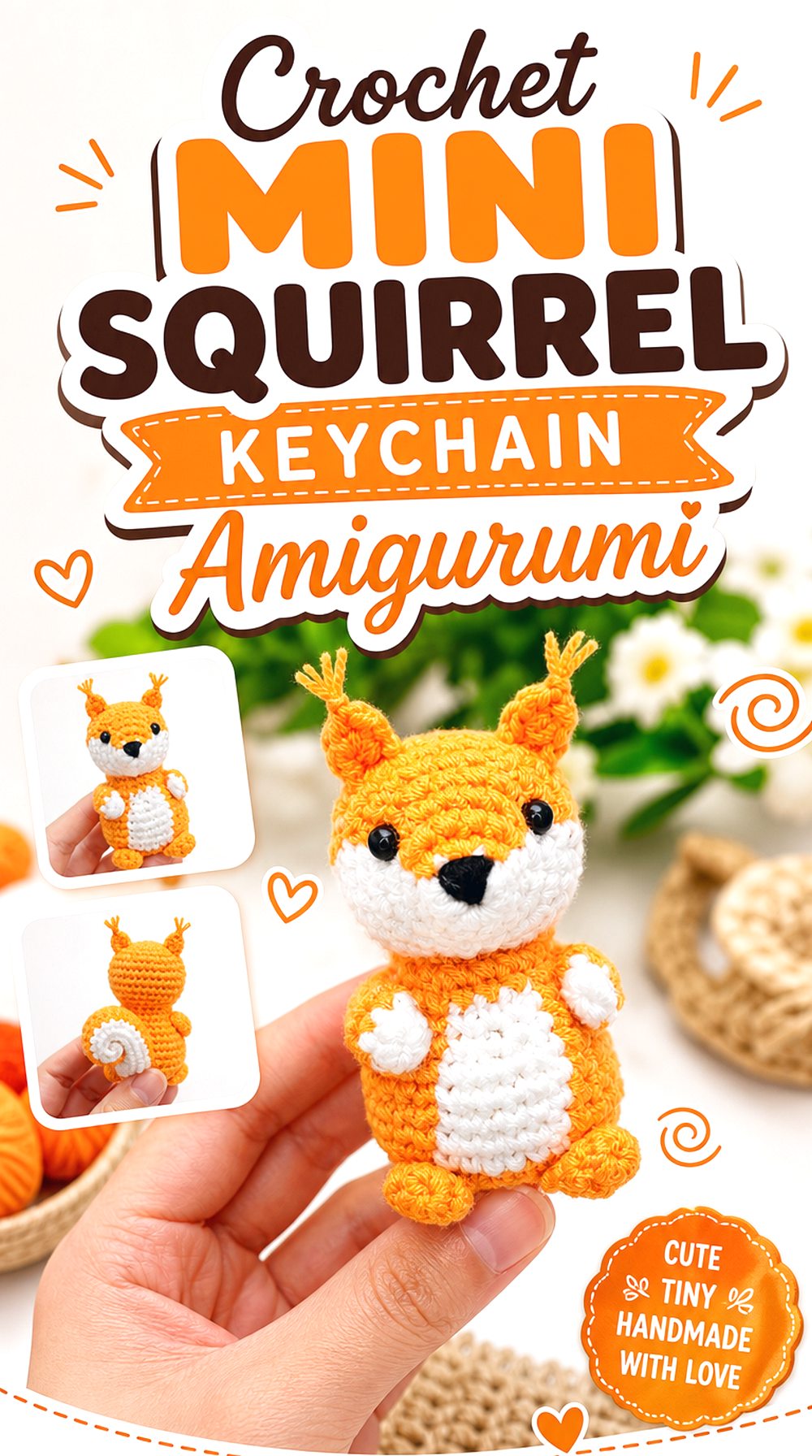
A mini squirrel keychain gives the woodland theme a practical small-accessory format. Instead of making a shelf-only plush, this project turns the squirrel into a small hanging piece that can be used on a key ring, bag, zipper pull, or display hook when the attachment is finished securely.
This idea stands apart from the larger plush squirrels because the scale and hardware matter as much as the animal shape. The squirrel still needs a clear face, ears, and tail, but the hanging point becomes part of the final design.
Consider How It Will Hang
A keychain amigurumi needs to look balanced when it hangs, not only when it lies flat on a table. Check where the loop or hardware is placed and how the squirrel’s tail affects the angle. A small animal with a heavy tail may tilt, so the attachment point is an important detail to review in the finished view.
Check Any Extra Hardware
The keychain format may require rings, chains, clips, or other small components beyond yarn and stuffing. Readers should confirm the exact hardware from the creator before starting. If the finished item is meant for frequent handling, the attachment should be checked carefully instead of treated as a decorative afterthought.
Keep Small Details Clear
Mini amigurumi can lose definition if the ears, eyes, tail, and face details are too crowded. This matters especially on a squirrel, where the tail and face both compete for attention. Use the close-up sections to check placement, and avoid rushing the final details because they help the tiny animal read clearly at keychain size.
Crochet Squirrel and Acorn Toy Set
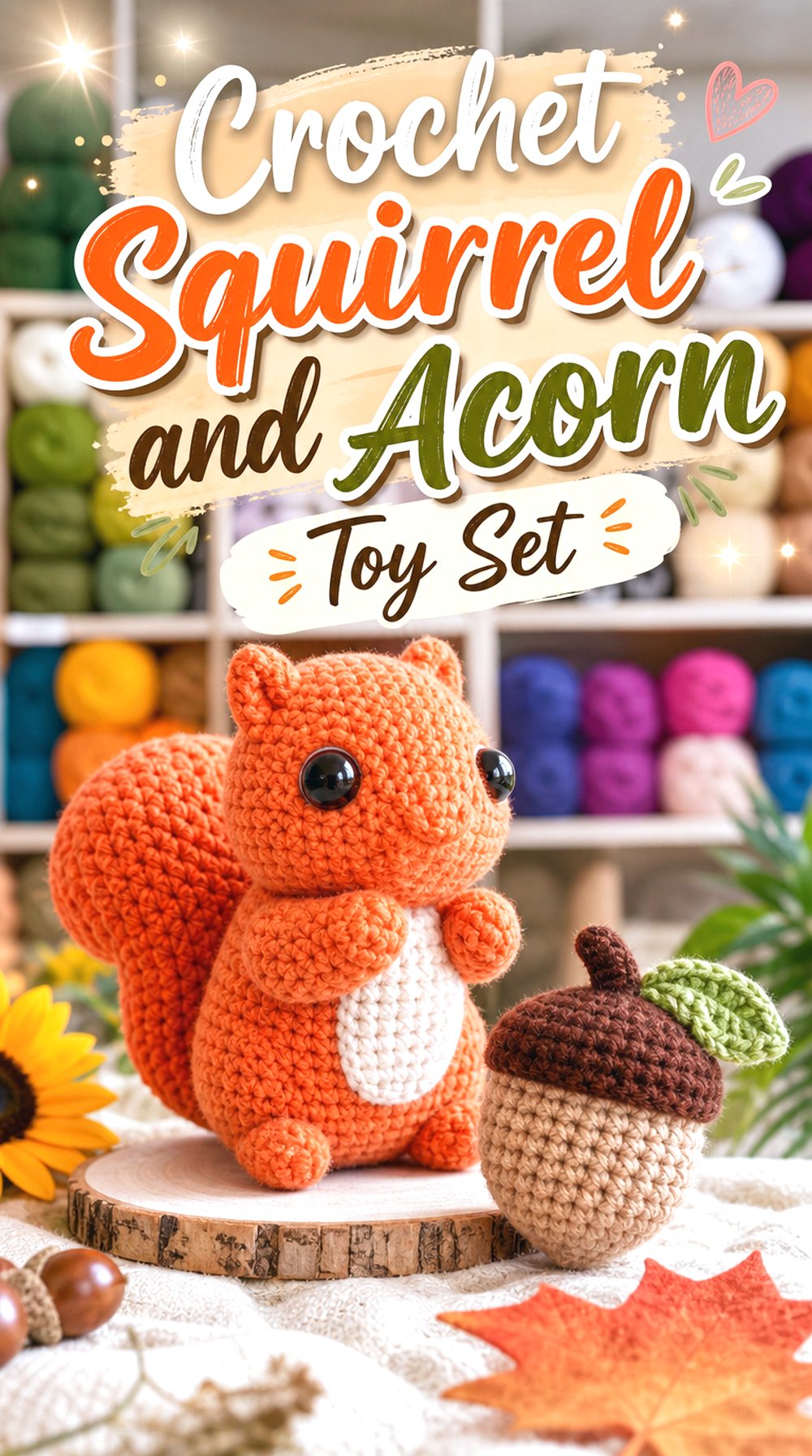
A squirrel paired with an acorn creates a more complete woodland scene than a single animal figure. The source result includes sections for the body, feet, tail, arms, ears, cheeks, acorn, and assembly, which suggests a project with several distinct parts to track.
This option is useful for readers who want a finished set rather than one standalone squirrel. The acorn gives the animal a story-like detail and may make the project better suited to seasonal displays, nursery shelves, or handmade woodland collections.
Think About the Acorn Pairing
The acorn changes how the finished squirrel is used. Instead of being only a small animal, it becomes part of a themed set with a clear autumn or woodland feel. Readers should decide whether they want the squirrel and acorn displayed together permanently or kept as separate pieces before they begin following the final assembly details.
Watch the Assembly Points
Because the source result lists separate body parts and an assembly section, orientation matters. Arms, ears, feet, cheeks, tail, and the acorn all affect the final expression. The safest approach is to watch the assembly view closely and compare placement before securing pieces, without trying to reconstruct the order from memory.
Decide How the Set Will Be Displayed
A squirrel-and-acorn set may need more surface space than a single compact squirrel. Before choosing it for a shelf, basket, or gift box, readers should check whether the squirrel sits, stands, or leans with the acorn nearby. The display plan can also help decide whether muted autumn colors or brighter toy colors make more sense.
Original Tutorial and Creator Credit
Creator: Easy Mary and DIY Craft Maryam
Crochet Japanese Dwarf Flying Squirrel Amigurumi
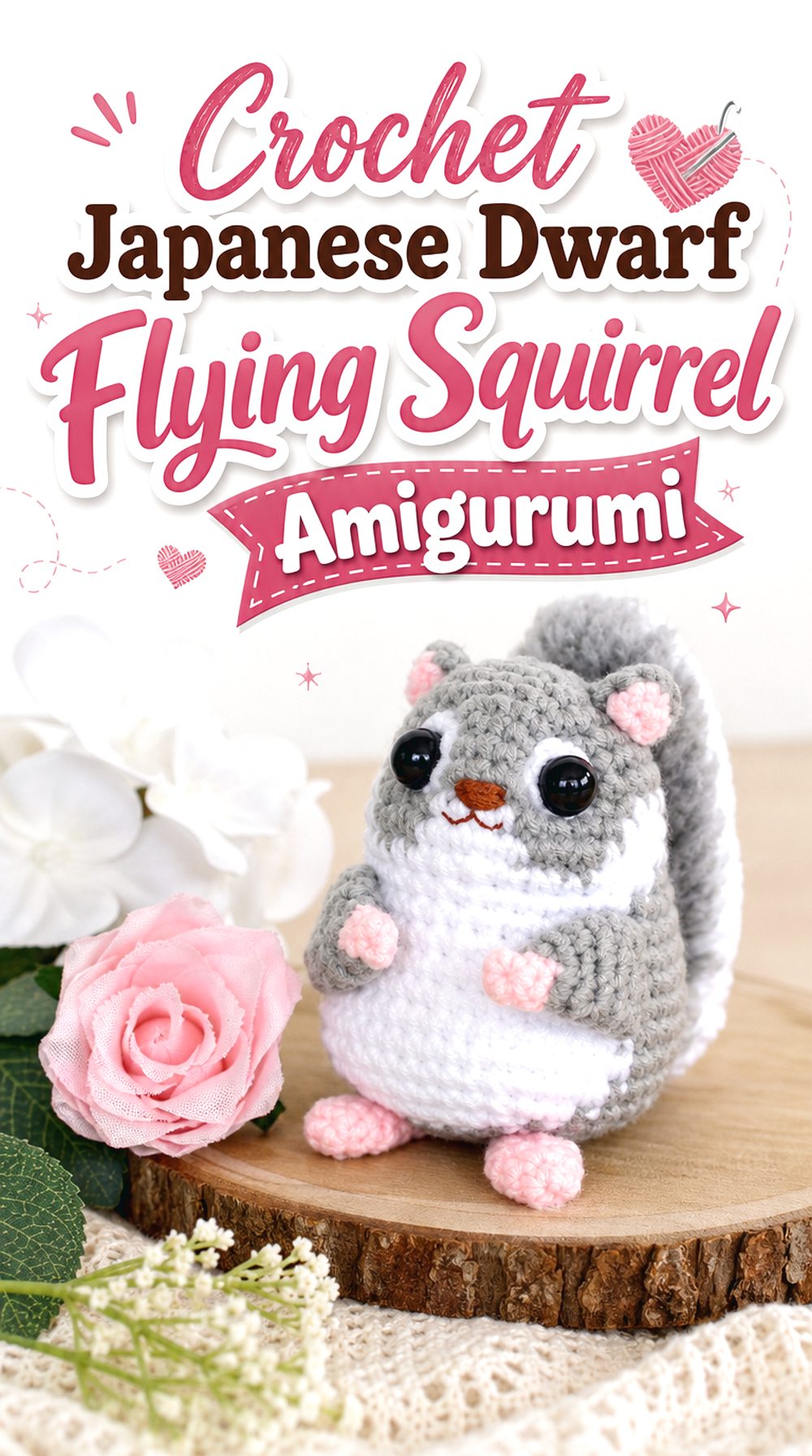
A Japanese dwarf flying squirrel amigurumi brings a different silhouette into the collection. Instead of relying only on a curled squirrel tail, this design focuses on the wider body shape associated with a flying squirrel, giving the finished toy a flatter, spread-out look.
This is a strong option for readers who want a woodland animal that feels less common than a standard standing squirrel. It can work as a display piece, animal collection addition, or small nature-inspired project with a recognizable profile.
Notice the Flying-Squirrel Shape
The main decision is whether the wider flying-squirrel outline fits the reader’s goal. It will not look like the upright squirrels with rounded bodies and curled tails. The side shape and face placement carry the identity, so viewers should study the finished project view before choosing it over a more traditional squirrel amigurumi.
Check the On-Screen Pattern Format
The video title includes Thai text, so readers who do not read Thai should check whether the visual guidance, symbols, or on-screen information are comfortable to follow. Some makers can work well from clear visuals, while others need spoken or written instructions in a familiar language. Reviewing the first few minutes can prevent frustration later.
Plan for Wider Side Pieces
A flying squirrel shape may involve wider side areas than a compact round animal. That means neat edges and even stuffing or shaping become important to the final look. Readers should pause at the points where the silhouette changes and compare both sides so the finished squirrel does not look uneven.
Original Tutorial and Creator Credit
Creator: cozydaydiary
Crochet Tiny cm Squirrel Amigurumi
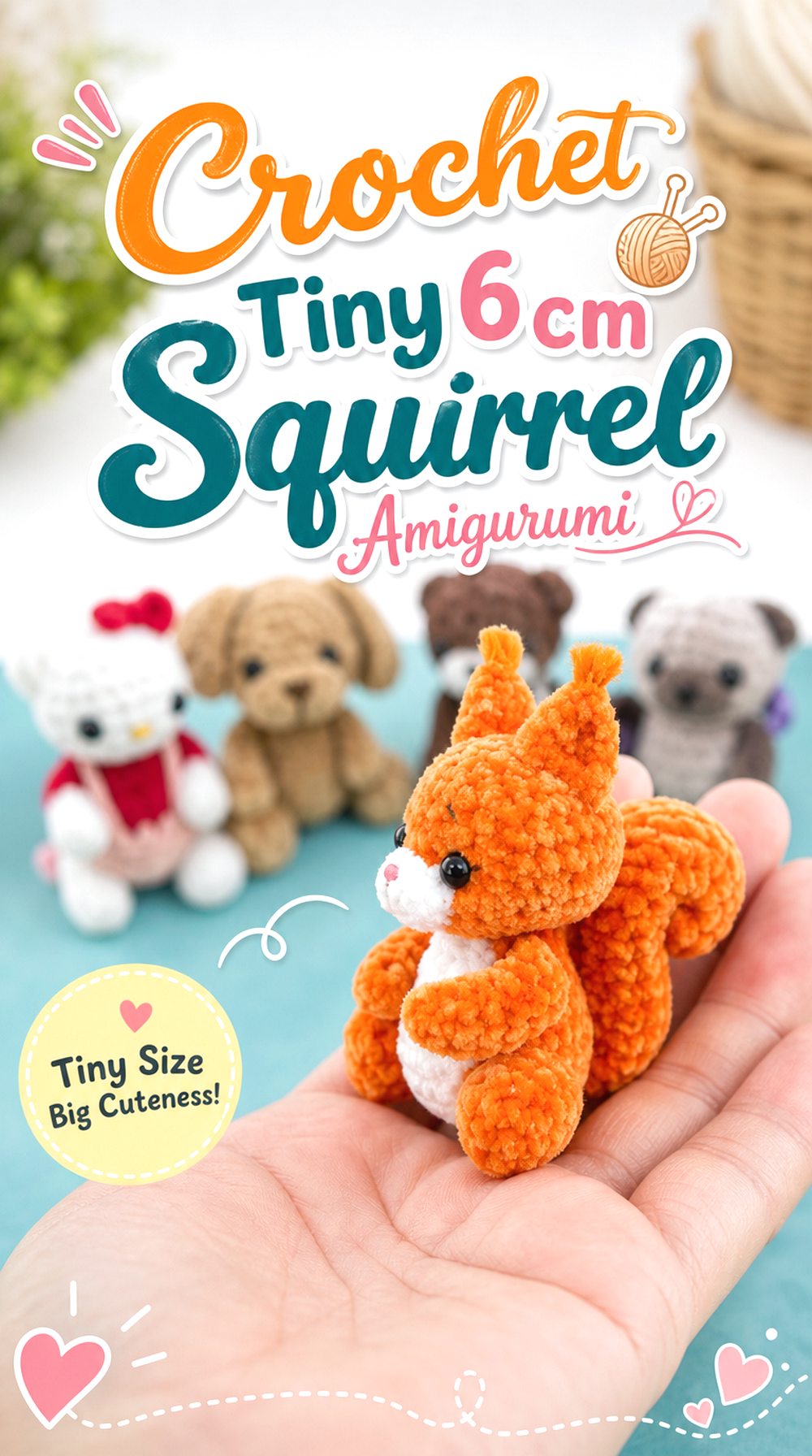
This tiny squirrel amigurumi is listed as a 6 cm project, making it one of the smallest options in the collection. Its appeal comes from scale: the finished animal can fit into small displays, miniature scenes, compact gifts, or a little woodland group without taking much space.
Because the size is so small, the details matter. Ears, face placement, body shaping, and tail definition need to stay readable even when the finished piece is only a few centimeters tall.
Work With the Small Scale
A 6 cm squirrel leaves very little room for loose finishing or oversized features. Readers should pay close attention to how the ears, eyes, and tail sit in relation to the body. Small amigurumi can look crowded quickly, so the finished reference view is important for judging whether each feature stays clear.
Keep a Progress Note
Tiny projects can be easy to interrupt and hard to re-enter if the parts look similar. A simple progress note can help readers remember which piece they are on, which side is facing out, and what still needs to be attached. This does not replace the creator’s instructions, but it can make small-scale finishing more controlled.
Confirm Any Finishing Tools
Miniature crochet may require more careful finishing tools than larger plush amigurumi. Readers should check the creator’s material and tool information before starting, especially for eyes, needles, markers, and stuffing placement. A tool that feels optional on a larger squirrel may become important when the finished animal is only 6 cm.
Original Tutorial and Creator Credit
Creator: Miniature Crochet by Microtoysby
Crochet Long Neck Character Squirrel Amigurumi
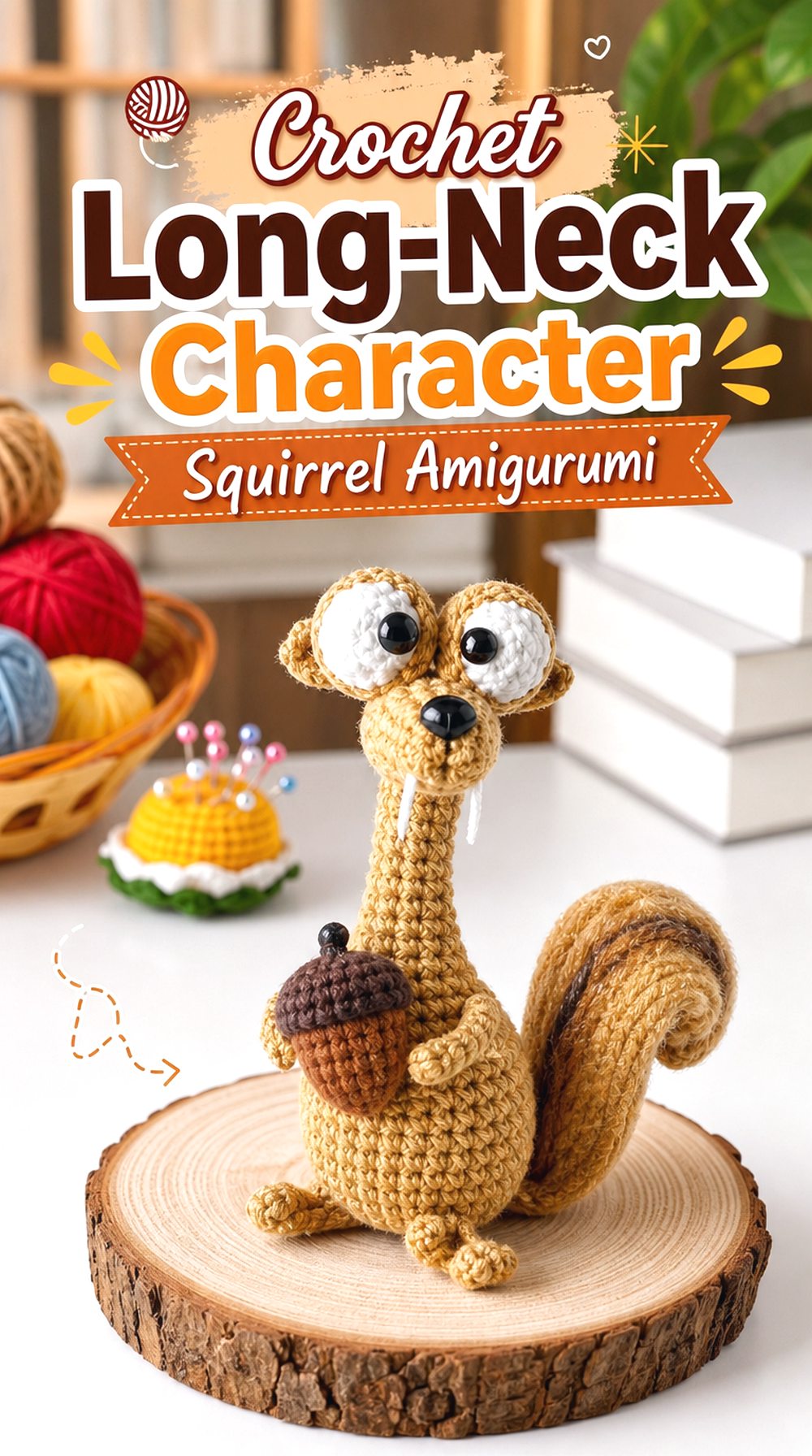
A long-neck character squirrel gives this list a more expressive, animated shape. Instead of a simple woodland body, the project leans into a tall face, narrow neck, and dramatic character proportions that make the finished amigurumi look more like a recognizable cartoon-style animal.
This idea is best for readers who want personality and display impact rather than a realistic squirrel. It differs clearly from the keychain, tiny squirrel, and classic woodland designs because the face shape is the main feature.
Match the Tall Character Shape
The long-neck structure needs different attention than a round squirrel body. Readers should watch how the head, neck, and body relate to each other so the finished figure keeps the intended character silhouette. If those proportions shift too much, the animal may lose the expressive look that makes this project different.
Review the Facial Features
Character-style amigurumi depends heavily on the face. Eye position, muzzle shape, and expression will affect whether the finished squirrel looks alert, worried, silly, or serious. Check the close-up sections and final views before adding permanent details, because small placement changes can alter the whole personality of the piece.
Check Creator Terms for Character Use
Because this project is based on a recognizable character style, readers should be careful about use beyond personal crafting. Do not assume finished items can be sold, used in branding, or copied for commercial listings. Check the creator’s terms and respect any character-related rights before making plans beyond a personal display or gift.
Original Tutorial and Creator Credit
Creator: Kiwy Crochet
Conclusion
These crochet squirrel amigurumi ideas give readers several ways to approach the same woodland animal. The low-sew and plush yarn squirrels focus on soft toy shapes, while the keychain and 6 cm squirrel keep the scale small. The squirrel-and-acorn set adds a seasonal accessory, the flying squirrel changes the silhouette, and the long-neck character version adds expression. Choose by size, display purpose, attachment needs, and how much finishing detail feels comfortable. Use the original tutorials for exact construction details.
FAQs
How do I choose the right crochet squirrel amigurumi size?
Start with the finished use. A tiny squirrel may work better for a desk, shelf, or keychain, while a plush yarn squirrel may suit a larger display. Check the creator’s finished measurements when available, and remember that yarn weight, hook size, stuffing, and tension can change the final scale.
Are crochet squirrel amigurumi toys safe for children?
Do not assume every squirrel amigurumi is child-safe. Small parts, safety eyes, buttons, keychain hardware, and removable accessories may not suit young children. Check the creator’s notes, use age-appropriate finishing choices, and follow current toy-safety guidance if the item is intended for play rather than display.
What should I check before changing yarn?
Check whether the squirrel depends on a specific texture, size, or firmness. Plush yarn can make a soft rounded toy, while smoother yarn may show smaller details more clearly. Changing yarn can affect eye size, stuffing firmness, tail shape, and finished measurements, so compare the creator’s materials before substituting.
Can I sell crochet squirrels made from YouTube tutorials?
Selling finished items depends on the creator’s terms and any character or design rights involved. Check the video description, linked pattern, shop policy, or license wording before selling. For character-inspired squirrels, be extra cautious because permission from the crochet creator does not automatically cover broader character rights.
How can I follow a squirrel amigurumi tutorial more accurately?
Watch the full tutorial once before starting, then pause at major shape changes such as the body, tail, face, and assembly. Keep a simple note for completed pieces, compare the shape often, and return to the creator’s exact counts and placement details instead of relying on memory.