Crochet winter bonnets can cover very different needs, from soft baby gifts to adult hooded pieces that sit closer to a balaclava or cowl. This list brings together bonnet shapes with ties, ribbed edges, animal ears, lacy fronts, beanie-style backs, and hood-like coverage so readers can compare more than color or yarn choice.
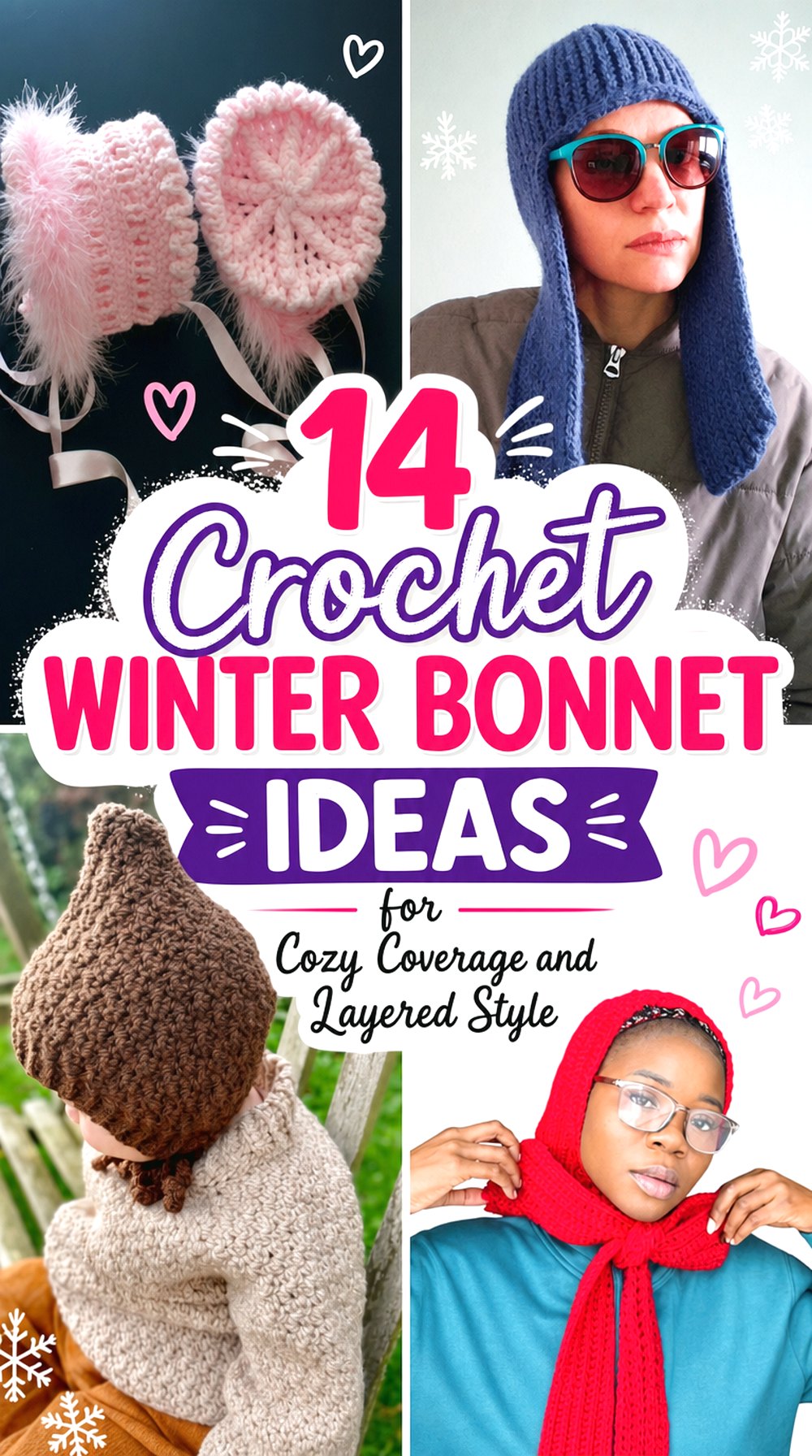
Some projects focus on a classic under-the-chin tie, while others add neck coverage, long scarf-like panels, or a structured hood opening. A few are sized for babies or children, and others are clearly designed for adult wear. Use the original tutorials for the exact construction details, then choose by coverage, fit, tie style, and how much shaping you want to follow.
Quick List
- Crochet Bow-Tie Winter Bonnet
- Crochet Custom Hooded Bonnet
- Crochet Baby Bonnet Hat with Size Options
- Crochet Victorian-Style Baby Bonnet
- Crochet Bear-Ear Winter Bonnet
- Crochet Ribbed Ushanka Bonnet
- Crochet Pixie Baby Bonnet
- Crochet Lacy Baby Bonnet
- Crochet Cotswold Rectangle Bonnet
- Crochet Lacy Flower Bonnet
- Crochet Bonnet Beanie
- Crochet Balabonnet Hood
- Crochet Hood-Style Bonnet
- Crochet Crohoodie Winter Bonnet
What to Compare Before Choosing a Crochet Winter Bonnet
The biggest difference between these crochet winter bonnet ideas is coverage. A baby bonnet usually frames the face and ties under the chin, while an adult hooded bonnet may cover the back of the head, neck, and sometimes the lower sides of the face. Ties also matter because some are short and decorative, while others become part of the styling.
Look closely at the front edge, back shaping, and whether the tutorial shows the bonnet worn from more than one angle. For baby projects, confirm the intended size and be careful with ties or long cords. For adult projects, check the hood depth, neck coverage, and whether the creator gives enough size guidance for your preferred fit.
Crochet Bow Tie Winter Bonnet
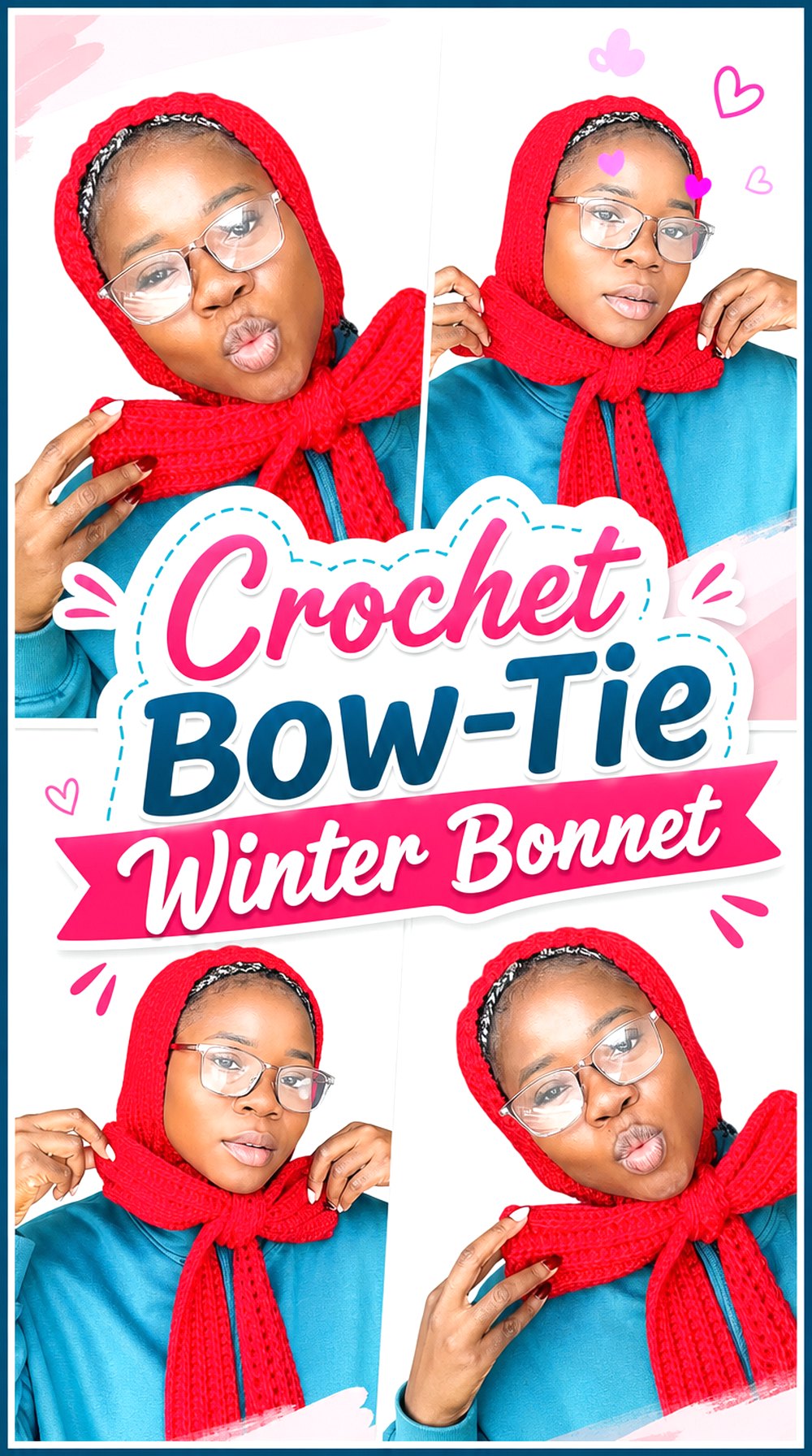
This bow-tie crochet winter bonnet has a soft hooded shape with long ties that can be styled into a front bow. The finished look is more fashion-accessory than baby bonnet, and the creator describes it as a winter crochet project with a thick, warm feel. The bow detail makes it different from the plain hooded bonnets in this list because the tie becomes part of the finished style, not just a closure.
The Bow Changes the Front View
The long ties are the main visual feature, so readers should think about how they want the bonnet to sit when tied. A large bow creates a soft, decorative front, while a looser tie may make the piece feel more casual. Before choosing this project, check how the finished tie length looks on the wearer and whether that much fabric or yarn around the neck suits the intended use.
Thickness and Color Choices Matter Here
The source mentions using two strands, either matching or contrasting, which makes color planning more visible in the final bonnet. A matching pair of strands can keep the shape simple, while contrast may make the stitch texture and tie area stand out more. Readers should check the creator’s material notes before buying yarn so the finished bonnet does not become too light or too bulky for the desired winter look.
Crochet Custom Hooded Bonnet
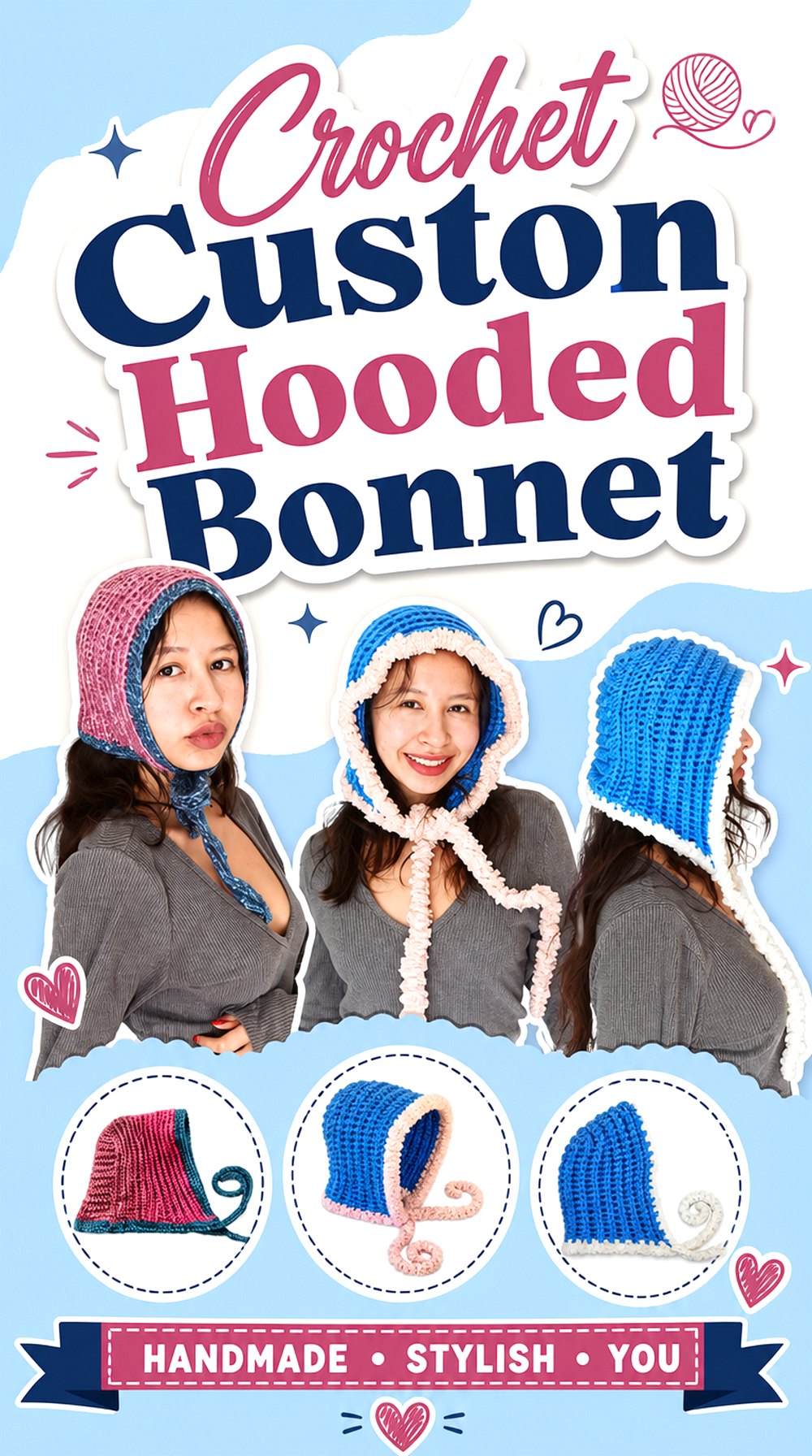
This hooded crochet bonnet has a more relaxed adult-accessory feel, with the bonnet and hood language both fitting the finished shape. The source emphasizes customization, which makes this a useful option for readers who want more control over the finished look instead of following one fixed style. Compared with the bow bonnet, this one feels more shape-focused and less decorative.
Custom Fit Is the Main Value
Because the project is presented around customization, readers should pay close attention to how the creator discusses sizing and shaping. A hooded bonnet needs enough depth to cover the head without pulling at the front edge. Before starting, it is worth watching the fit explanation and noting where the creator suggests changes, especially if the bonnet will be worn over thick hair or layered winter clothing.
Watch the Hood Shape From the Side
The side view matters more on this project than on a small baby bonnet. A hooded shape can look very different depending on how far it extends around the face and how the back sits. Readers should pause on the finished-view sections and compare the hood depth with their own preferred coverage before choosing yarn or deciding on final styling.
Original Tutorial and Creator Credit
Creator: Yarn and Stix
Crochet Baby Bonnet Hat with Size Options
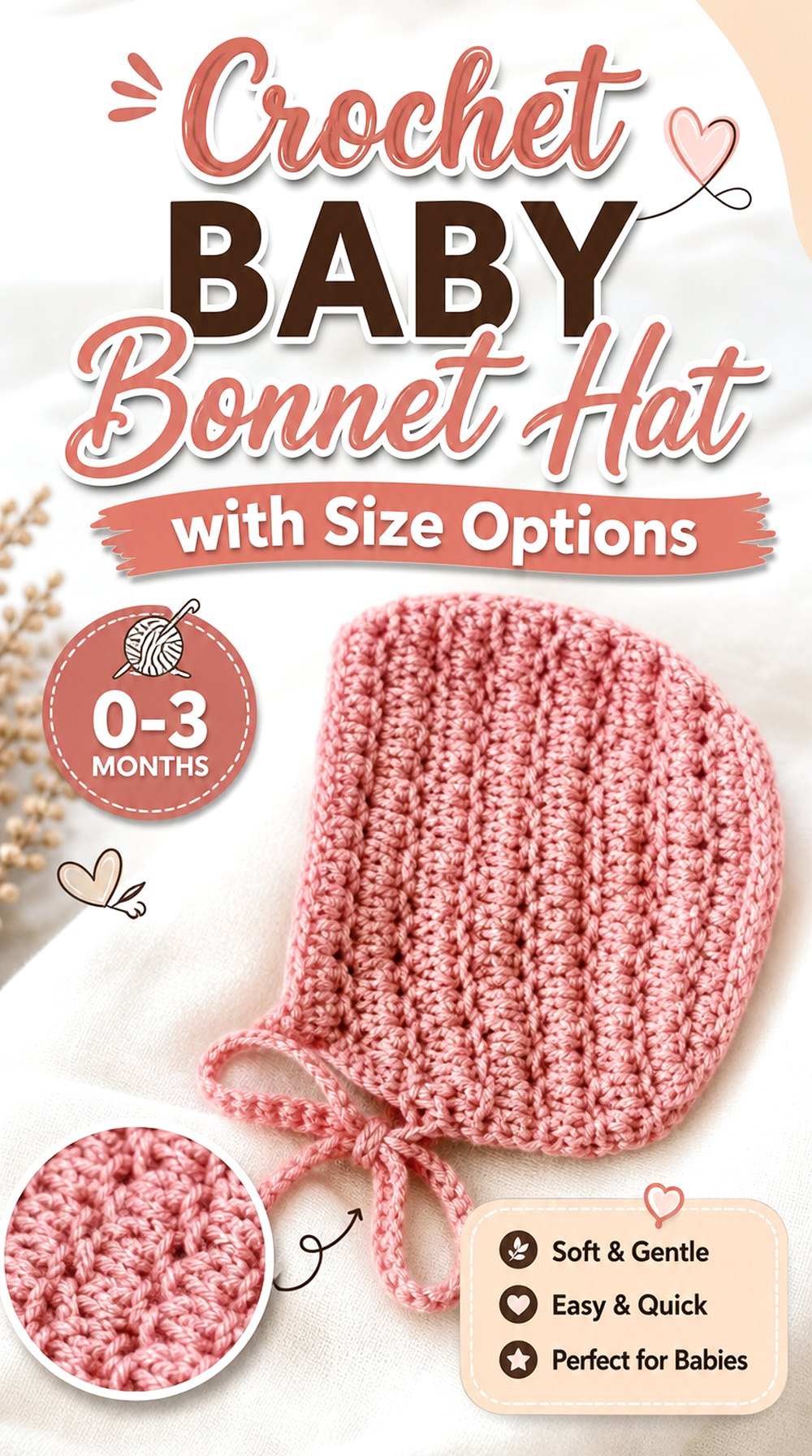
This crochet baby bonnet hat is a classic small bonnet shape, with the source listing 0–3 months and explaining that other sizes are covered in the tutorial. It suits readers looking for a baby-focused winter bonnet rather than an adult hood. The neat face-framing shape separates it from the larger hooded pieces, and the size information makes it easier to compare before starting.
Size Notes Come First
Baby bonnets depend heavily on fit, so the size notes should be checked before anything else. The source identifies 0–3 months and mentions additional sizes in the tutorial, which is useful for gift planning. Readers should compare the creator’s size guidance with the baby’s actual head measurement when possible, rather than relying only on age labels.
A Classic Shape for Simple Outfits
The finished bonnet has a traditional baby-hat purpose without oversized ears, a hooded cowl, or long adult-style panels. That makes it easier to pair with baby sweaters, blankets, or simple winter outfits. Readers who want a quiet bonnet shape may prefer this over the bear-ear, pixie, or lacy flower options.
Material Details Are Stated
The creator lists DK yarn and a 4 mm hook in the source description. Readers should still follow the tutorial’s full material list because baby sizing can change when yarn weight or tension changes. If substituting supplies, keep the original information nearby and avoid assuming the same finished size.
Original Tutorial and Creator Credit
Creator: Crochet by Nora
Crochet Victorian Style Baby Bonnet
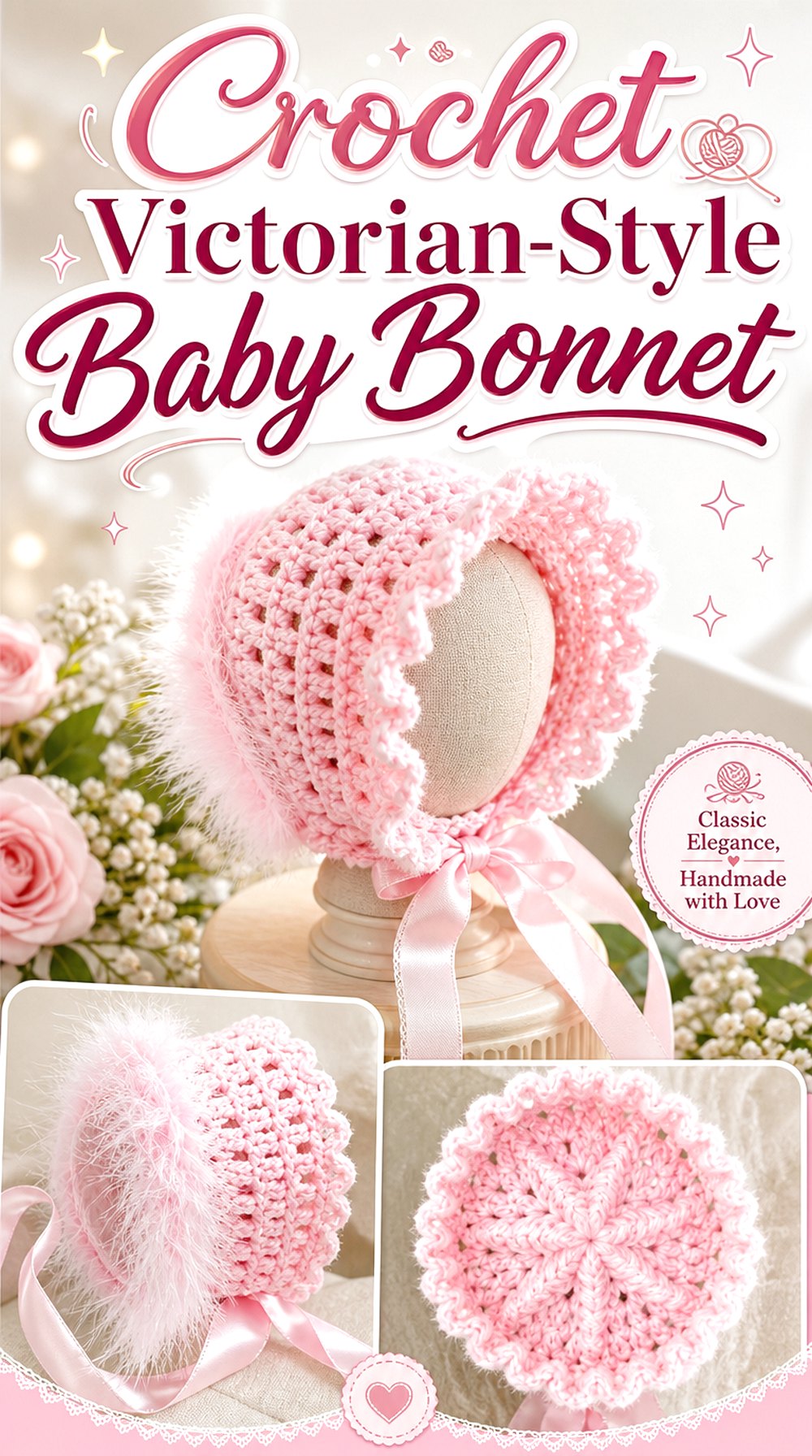
This traditional Victorian-style crochet baby bonnet has a more old-fashioned look than the simple baby bonnet above. It is framed as a baby hat tutorial, and the source notes that it matches another blanket on the channel. The finished style is useful for readers who want a bonnet with a softer heirloom feel, especially for photos, gifts, or a coordinated baby set.
The Traditional Shape Sets the Mood
A Victorian-style bonnet brings a more formal look than a basic cap. The face-framing front, bonnet silhouette, and classic baby-hat styling make it better for readers who want a vintage-inspired project. Before choosing it, compare the finished shape with the baby’s outfit or blanket so the bonnet does not feel too decorative for everyday use.
Coordination May Matter
The source mentions that this bonnet matches a ribbon blanket on the same channel. That makes it useful for readers planning a baby set, but the bonnet can also stand on its own. If matching pieces are important, check the creator’s related videos and color direction before buying yarn, especially if the bonnet is meant for a gift bundle.
Crochet Bear Ear Winter Bonnet
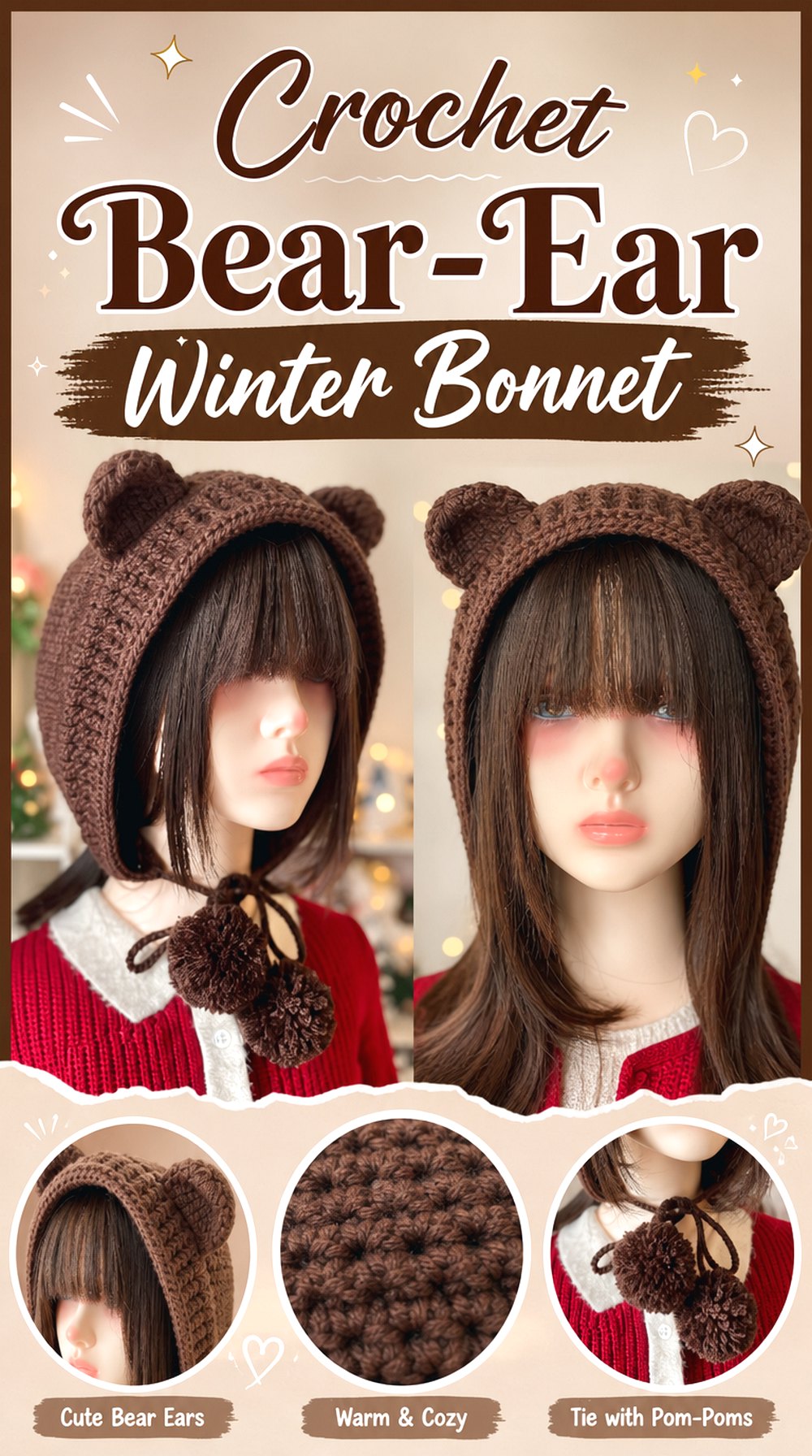
This crochet bear bonnet stands out because of its animal-ear detail and winter accessory styling. The creator provides finished measurements in the source description, including head and strap measurements, which is helpful for readers comparing it with other adult or larger bonnet shapes. It is more playful than the plain hooded bonnets and more sculptural than the lacy designs.
Bear Ears Make It a Statement Piece
The ears change the purpose of the bonnet from simple coverage to a visible character-style accessory. That can work well for photos, playful winter outfits, or anyone who wants the bonnet to be noticed. Readers should decide whether the ear detail fits the intended wearer before starting, because it is the main feature of the finished project.
Measurements Are Worth Reviewing
The source includes several finished measurements, including around the head and strap measurements. That is useful because this bonnet is not just a small baby hat. Readers should compare those measurements with the intended fit, especially if the bonnet will be worn by someone with thick hair or over another winter layer.
Subtitles and Viewing Format
The source notes English subtitles and auto-translate options. That makes this project more usable for readers who are comfortable following visual instruction with captions. It is still worth previewing the tutorial first to make sure the pacing, captions, and close-up views are easy to follow before committing to the project.
Original Tutorial and Creator Credit
Creator: Vivi Crochet 🌷
Crochet Ribbed Ushanka Bonnet
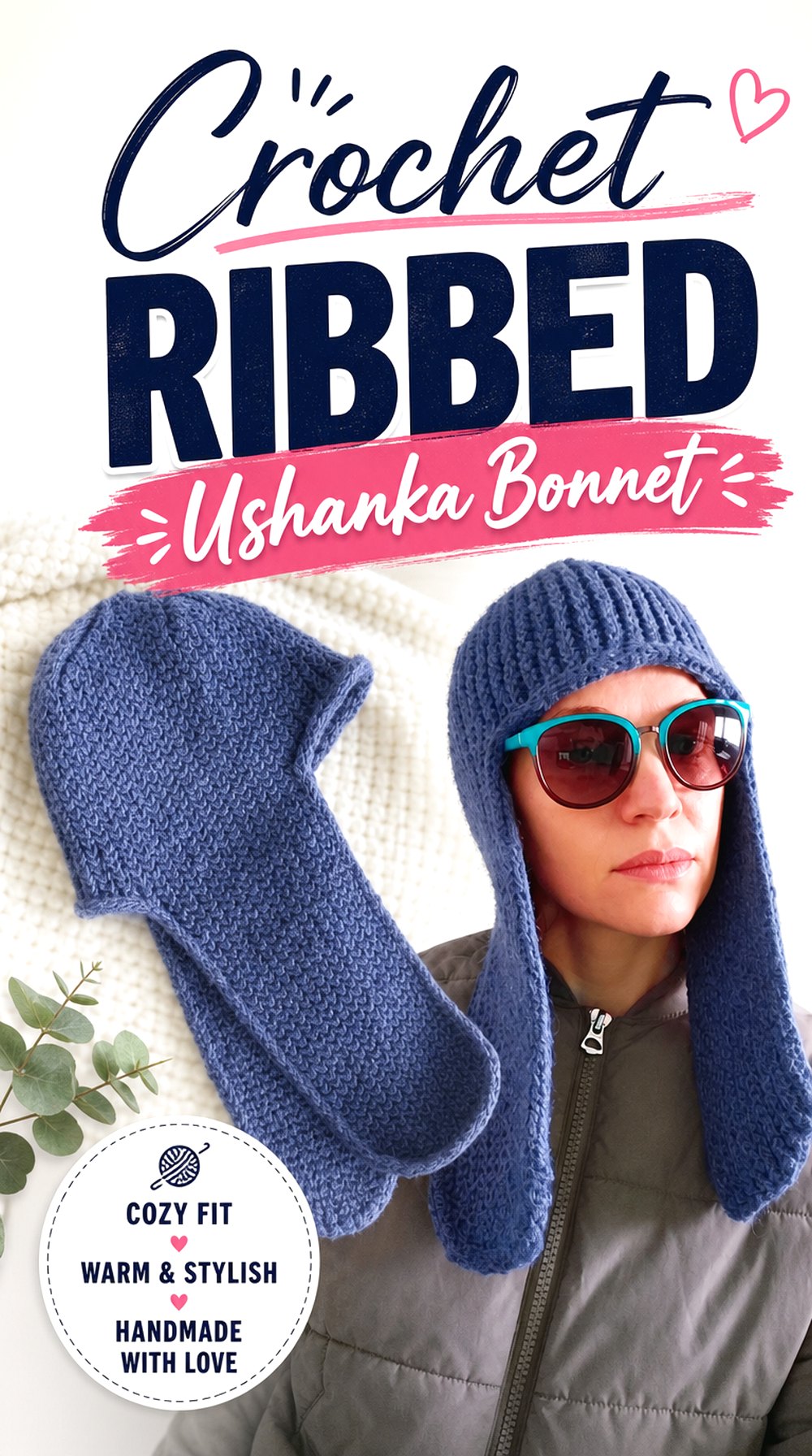
This crochet ribbed ushanka bonnet combines a bonnet shape with earflap-hat coverage. The source describes it as a hybrid between a trendy bonnet and classic ushanka, with long earflaps that can wrap around the neck. That gives it some of the strongest cold-weather coverage in this list and makes it very different from smaller tie-under-chin baby bonnets.
Earflaps Add Real Coverage
The long earflaps are the reason to choose this design. They extend the bonnet beyond simple head coverage and can affect how the piece sits around the neck. Readers should check the finished styling views and decide whether they want scarf-like flaps or prefer a cleaner tie-only bonnet.
Ribbing Gives a Knit-Look Finish
The source describes knit-look ribbing and sideways construction. Readers who like the look of ribbed winter hats may find this more appealing than lacy, bow, or vintage baby options. The ribbing also makes the surface texture a major part of the design, so yarn choice and tension should be checked carefully against the creator’s notes.
Gauge and Size Information Are Included
The source includes gauge information and finished size notes for a 54–58 cm fit. That makes this a more information-rich tutorial than some simpler bonnet videos. Readers should not skip those notes, because a ribbed hood or earflap bonnet can become too loose or too tight if the sizing is treated casually.
The Seaming Stage Deserves Attention
The source lists seaming and crown finishing sections, which matter for the final shape. This is not a project where the back can be ignored, because the bonnet needs a clean crown and balanced earflaps. Readers should slow down during the finishing views and compare both sides before ending the project.
Original Tutorial and Creator Credit
Creator: Serafima Crochet & Knitting
Crochet Pixie Baby Bonnet
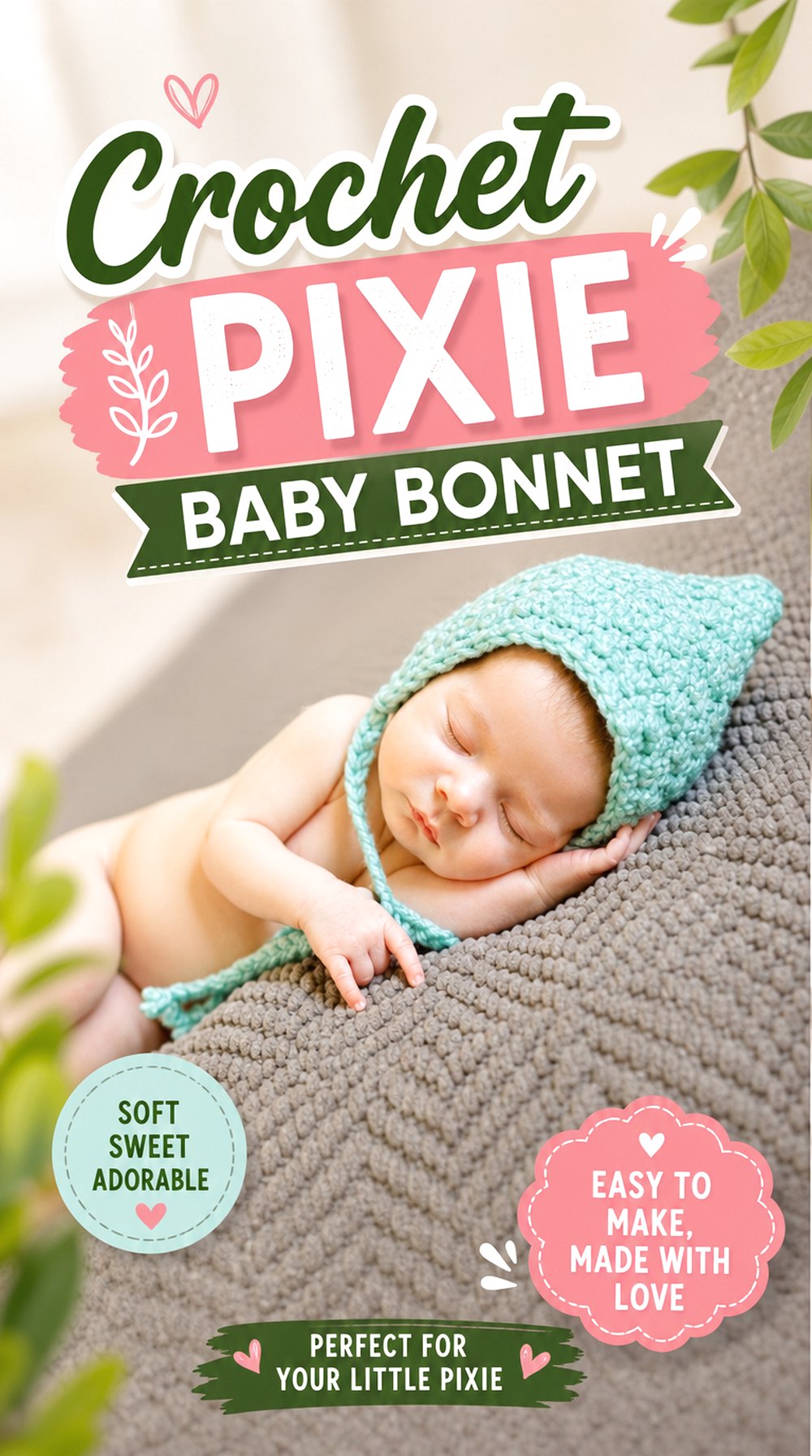
This crochet pixie bonnet has a pointed baby-bonnet style that feels different from rounded or Victorian shapes. The source presents it as a baby shower gift idea and links to a pattern, so it may suit readers who want a clear project with a recognizable pixie silhouette. The pointed shape is the main reason to pick it over the other baby bonnets here.
The Pointed Back Defines the Look
A pixie bonnet depends on the back shape. The point gives the finished item a woodland or storybook feel without needing animal ears or extra decoration. Readers should check the final view of the back and side before starting, because this silhouette is more specific than a rounded baby bonnet.
Written Support May Be Helpful
The source links to a free pattern, which can help readers who do not want to rely only on a video. A video-and-written combination is useful for tracking shape, checking materials, and reviewing fit notes. Before beginning, open the linked pattern from the creator and compare it with the video so the information matches the intended size.
Original Tutorial and Creator Credit
Creator: KT and the Squid
Crochet Lacy Baby Bonnet
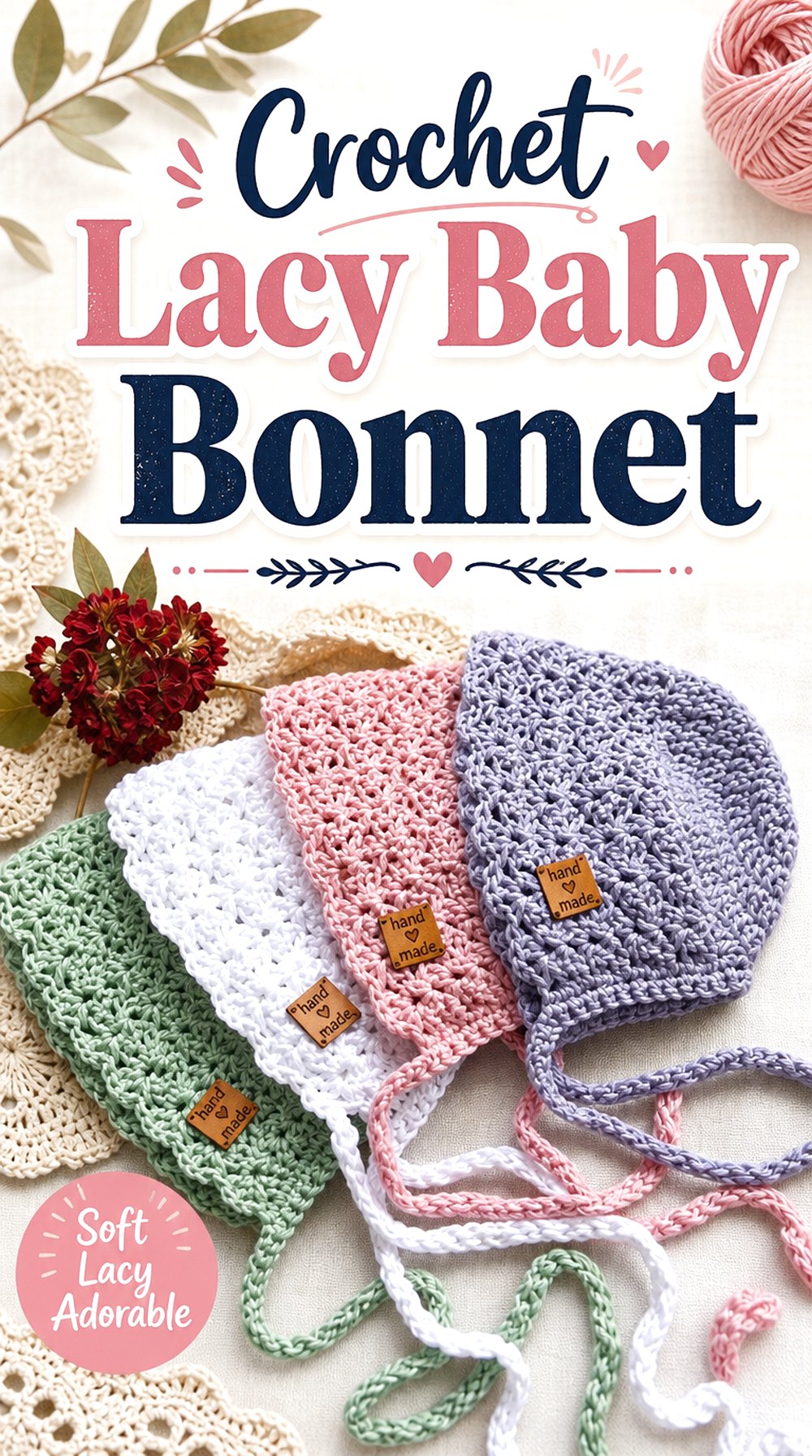
This lacy crochet baby bonnet has a softer, more decorative look than the classic baby hat options. The source identifies it as the Belle Bonnet and frames it as a baby or child bonnet. Its light open texture and pretty front appearance make it better for a special outfit than for readers looking for maximum winter coverage.
Lace Changes the Practical Use
A lacy bonnet can look delicate and dressy, but it may not provide the same coverage as a dense winter hood. Readers should think about whether this project is for photos, a baby shower gift, a christening-style outfit, or light layering. For colder use, confirm the finished fabric and intended season through the creator’s full tutorial.
The Front Edge Needs a Clean Finish
With a lacy bonnet, the face-framing edge becomes very noticeable. Any unevenness around the front can change the finished look more than it would on a chunky hood. Readers should watch the close-up finishing sections carefully and compare the edge shape before weaving in ends.
Gift Planning Should Include Fit
The source mentions baby and child use, but readers should still confirm the exact size information in the creator’s pattern or tutorial. A bonnet that looks beautiful but does not fit the intended head size will be hard to use. For gifting, finished measurements matter more than age-based labels alone.
Original Tutorial and Creator Credit
Creator: Loopy Mabel Crochet
Crochet Cotswold Rectangle Bonnet
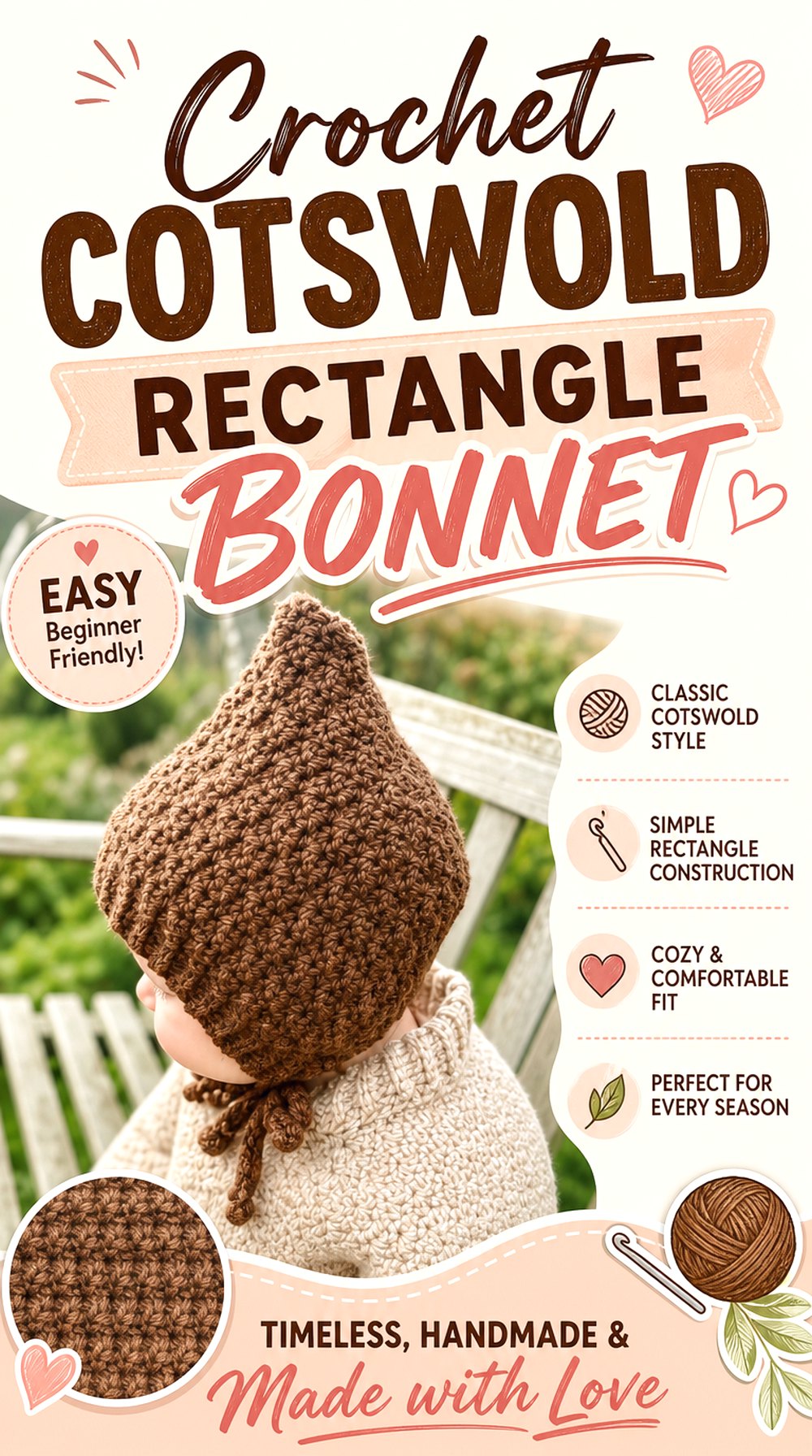
The Cotswold crochet bonnet is a baby-focused design made from a rectangular base, according to the source description. It has a cozy, thicker look because the creator notes Aran yarn, and the pattern includes several child sizes. This is a practical choice for readers who like a simple bonnet form with ribbing and ties rather than lace, ears, or a pointed pixie back.
The Rectangle Base Keeps the Shape Simple
The source describes a rectangle-based bonnet, which may appeal to readers who prefer a straightforward structure. The important point is not to recreate the construction from memory, but to understand the finished result: a square-leaning baby bonnet with ribbed edges and ties. Readers should still follow the creator’s exact pattern for shaping and finishing.
Size Range Supports Family Gifting
The source lists sizes from 0–3 months through 3–5 years. That range makes this project useful when crocheting for siblings, cousins, or a child whose size needs more flexibility. Readers should check the specific size notes before starting, because the same bonnet style may sit differently on a baby than on a preschool-age child.
Ribbing Affects the Finished Fit
The bonnet includes ribbing around the bottom and front, according to the source. That detail matters because ribbed edges can visually frame the face and help define the opening. Readers should pay attention to how the ribbing sits in the finished view and confirm whether the look matches the intended outfit or gift set.
Original Tutorial and Creator Credit
Creator: The Moule Hole
Crochet Lacy Flower Bonnet
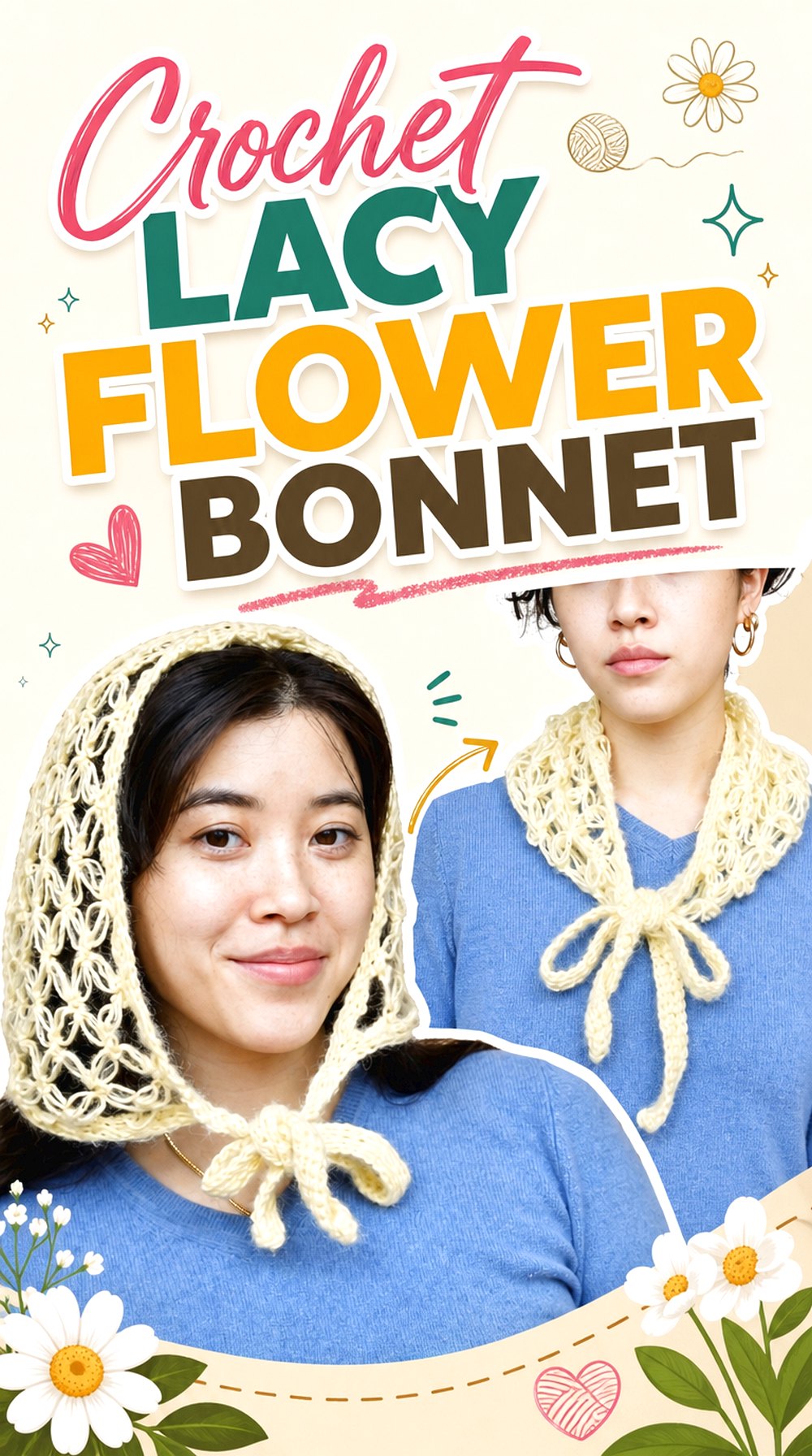
This crochet lacy flower bonnet is a no-sew style with an open, airy look. The source says it uses Solomon knot stitch and can also be worn as a mini scarf, which makes it one of the most flexible adult-style pieces in the collection. It is better for decorative layering than heavy cold-weather coverage, but its dual-use shape gives readers a different reason to choose it.
This One Can Shift Into Scarf Styling
The mini-scarf option changes how readers may use this project. Instead of only thinking about head coverage, consider whether the finished piece should also work around the neck or shoulders. That makes it a useful pick for outfits where a light bonnet shape and a small scarf-like accessory both make sense.
Open Lace Needs Purposeful Layering
Because the source describes a lacy bonnet, readers should not treat it like a dense winter hood. It may suit mild weather, indoor styling, or layering over hair, but the open texture should be considered before choosing it for cold outdoor use. Check the final worn view and decide whether the coverage is enough for the intended setting.
No-Sew Construction Is a Feature
The source calls the project no-sew, which may appeal to readers who dislike joining separate parts. Even so, the shape still needs careful attention because open lace can stretch or hang differently from solid crochet. Preview the border and finishing sections so the final bonnet keeps the intended outline.
Original Tutorial and Creator Credit
Creator: It’sKenKen
Crochet Bonnet Beanie
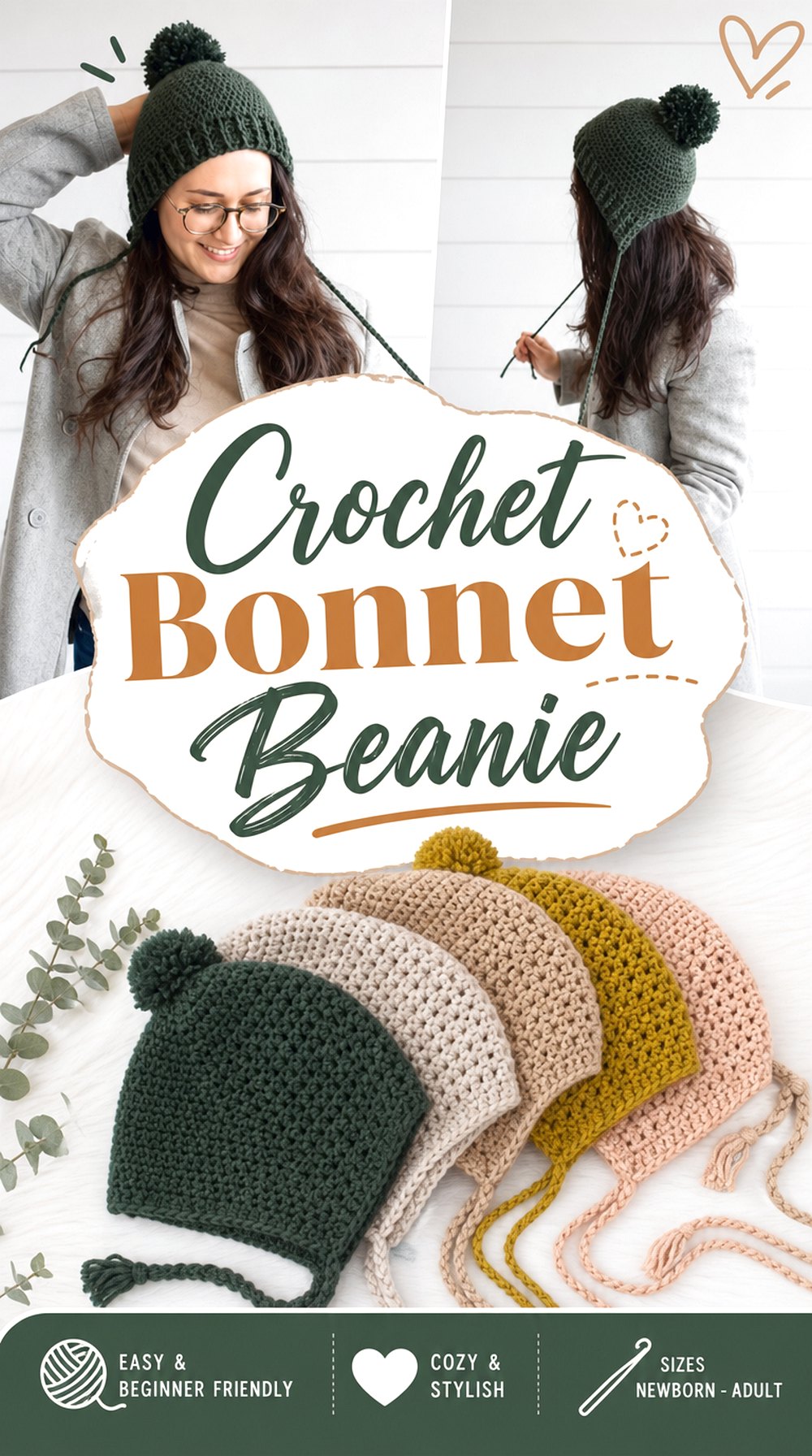
This crochet bonnet beanie is a hybrid between a beanie and a bonnet, with the source describing sizes from newborn to adult large. It is a good choice for readers who want the bonnet feeling without a full hood or long scarf panels. The shape is more casual than the Victorian baby bonnet and less enclosed than the balabonnet styles.
A Beanie Shape With Bonnet Fit
The appeal here is the halfway structure. It can look familiar like a winter beanie while still offering a bonnet-style front. Readers who do not want a dramatic hood may prefer this project because it has a simpler everyday shape. Check the finished front and back views to see how much of the bonnet look remains.
Size Range Makes It Flexible
The source lists seven sizes, from newborn to adult large. That makes this tutorial useful for family matching, gift planning, or choosing a size outside standard baby-only bonnet patterns. Readers should still measure carefully and review the creator’s size notes because a bonnet-beanie fit can change noticeably around the face and crown.
Original Tutorial and Creator Credit
Creator: Delia Creates
Crochet Balabonnet Hood
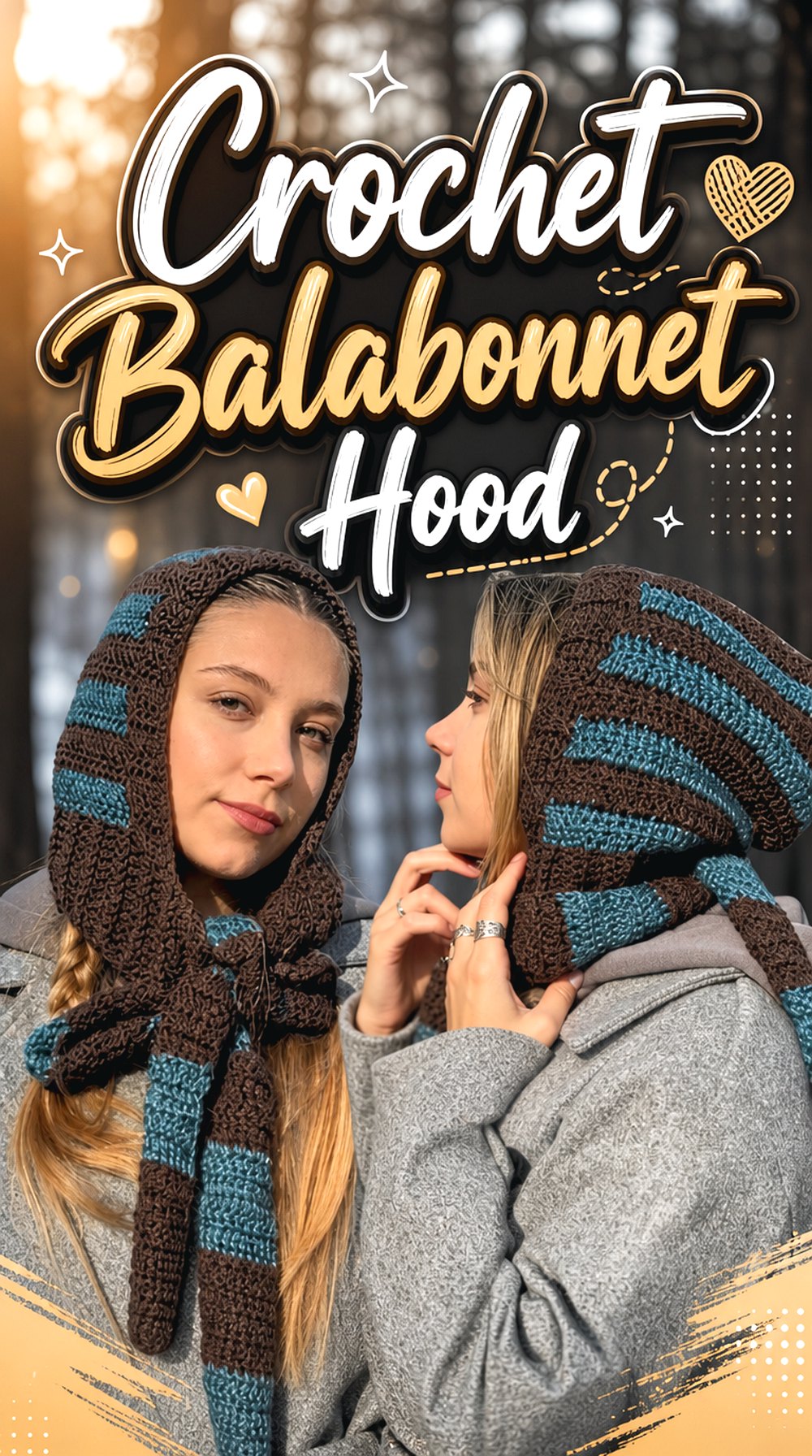
This crochet balabonnet is a bonnet-and-balaclava-style hood with head and neck coverage. The source presents it as a winter accessory that covers both areas at the same time. It is one of the most protective-looking adult options in the list and suits readers who want a modern hooded shape rather than a small tie-on bonnet.
Neck Coverage Is the Main Difference
Unlike a classic bonnet that ends around the jaw or chin, this project extends into hood-and-neck territory. That changes how it layers under coats and around scarves. Readers should check the final worn view to see whether the neck section is close-fitting or relaxed enough for their usual winter clothing.
Two-Color Planning Is Supported
The source lists wool yarn in two colors. That gives readers a chance to plan contrast, edging, or a more subtle tonal look. Since the bonnet and neck area are both visible, color placement may affect the finished style more than it would on a plain baby bonnet.
Check the Rights Note Before Selling
The source includes a copyright disclaimer and says to contact the creator about selling finished items. Readers making items for personal use can simply follow the tutorial, but anyone planning to sell finished bonnets should review the creator’s terms directly instead of assuming permission.
Original Tutorial and Creator Credit
Creator: Wool Reef
Crochet Hood Style Bonnet
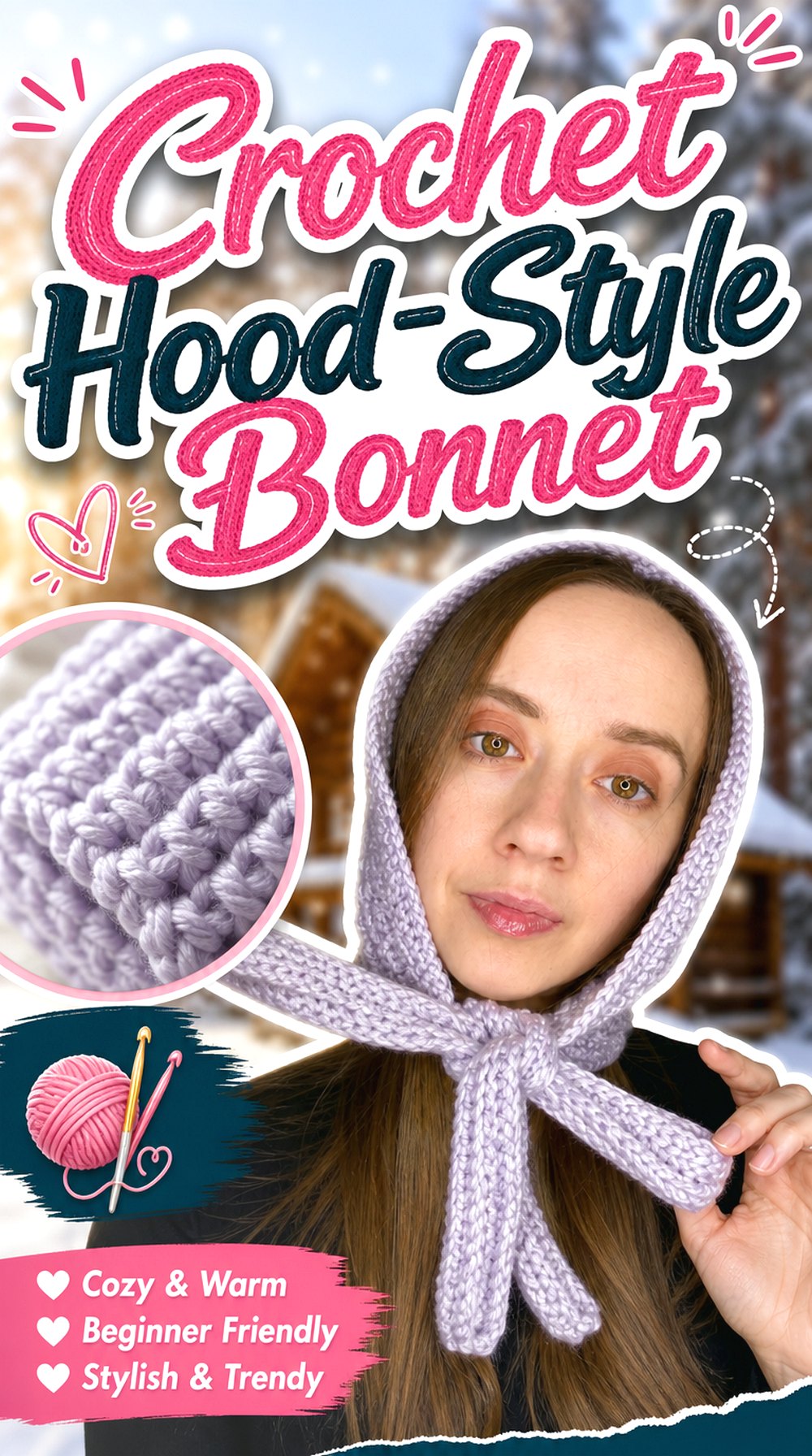
This crochet hood-style bonnet is a simple adult-leaning project for readers who like the hooded bonnet shape without the extra cowl of the crohoodie or the balaclava-style neck coverage of the balabonnet. The source describes it as a hood-style bonnet hat and links to a pattern, which may help readers who want a clean shape with written support.
A Cleaner Hooded Outline
This option keeps the focus on the hood-style bonnet itself. It does not rely on bear ears, lace, a large bow, or scarf panels to stand out. Readers who want a more minimal winter head covering may prefer this shape, especially if they want the bonnet to sit close to the head without becoming a full cowl.
Pattern Support Is Available
The source includes a pattern link, so readers should check it before starting. Written support can be useful for confirming materials, measurements, and any shaping notes that are hard to catch in a video. Because the search result does not provide extensive detail, the creator’s own linked pattern is the place to verify specifics.
Original Tutorial and Creator Credit
Creator: Crochet Bits
Crochet Crohoodie Winter Bonnet
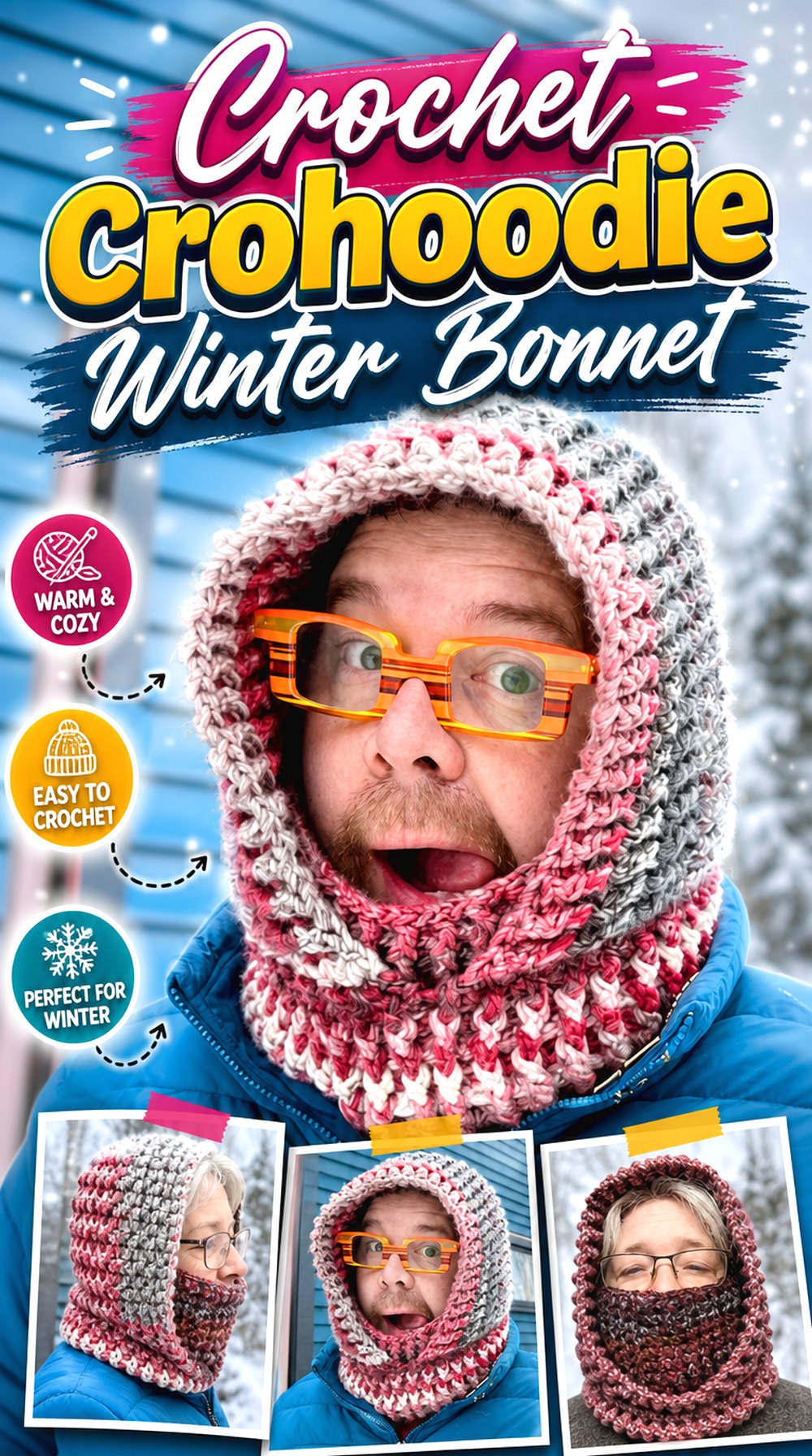
The crochet crohoodie is an adult winter bonnet with a built-in cowl shape. The source describes it as a combination crochet hoodie with a cowl, and the video title calls it an adult winter bonnet pattern. It gives the most garment-like coverage in this list, making it different from tie bonnets, baby bonnets, and light lacy designs.
Built-In Cowl Coverage Changes the Use
This project is closer to a hood-and-neck warmer than a small bonnet. The cowl section can reduce the need for a separate scarf, depending on how the wearer layers it. Readers should compare the finished neckline with their coats and jackets before choosing it, because the extra fabric around the neck is part of the design.
Adult Sizing Is Clearly Stated
The source lists the project size as average adult and includes pattern details. That makes this a better option for readers specifically looking for adult winter coverage. Anyone outside that expected fit should check the full pattern notes carefully rather than assuming the hood will adjust like a simple tie bonnet.
Use the Current Pattern Details
The source notes that the pattern PDF may have been updated after the video was created. That matters because written instructions, yarn details, or presentation may change over time. Readers should use the current creator pattern alongside the video, especially for gauge, yarn quantities, and any updated instructions.
Original Tutorial and Creator Credit
Creator: The Crochet Crowd
Choosing Between These Crochet Winter Bonnet Styles
For baby gifts, the Crochet Baby Bonnet Hat, Victorian-Style Baby Bonnet, Pixie Baby Bonnet, Lacy Baby Bonnet, and Cotswold Rectangle Bonnet give the most traditional bonnet options. The pixie and Victorian styles feel more decorative, while the Cotswold and classic baby bonnet shapes are more straightforward.
For adult winter styling, compare coverage first. The Bow-Tie Winter Bonnet and Custom Hooded Bonnet are soft accessory pieces, while the Ribbed Ushanka Bonnet, Balabonnet Hood, Hood-Style Bonnet, and Crohoodie Winter Bonnet offer stronger hood-like coverage. The Bear-Ear Bonnet and Lacy Flower Bonnet are more style-driven, so choose them when the finished look matters as much as function.
Conclusion
These crochet winter bonnet ideas range from small baby bonnets to adult hooded pieces with serious coverage. Choose a classic baby bonnet for gifting, a pixie or Victorian style for a more nostalgic look, a bow or lacy flower bonnet for outfit styling, and a balabonnet, ushanka, or crohoodie when head and neck coverage matter more. The original YouTube tutorials should be used for exact stitch counts, shaping, measurements, and finishing details. Before starting, compare the finished views, size notes, tie length, and whether the project is meant for a baby, child, or adult.
FAQs
Are crochet winter bonnets only for babies?
No. This list includes baby bonnets, child-size bonnets, and adult hooded bonnet styles. Baby bonnets usually frame the face and tie under the chin, while adult versions may look closer to hoods, bonnet-beanies, balaclava hybrids, or cowls. Always check the creator’s size notes before choosing a project.
Which crochet winter bonnet gives the most coverage?
The crohoodie, balabonnet, and ribbed ushanka-style bonnet offer the most coverage in this collection because they extend beyond a simple face-framing bonnet. The crohoodie includes a cowl shape, the balabonnet covers the head and neck, and the ushanka version uses long earflap-style sections. Compare finished views before deciding.
What should I check before making a baby bonnet?
Check the intended size, finished measurements if supplied, tie style, yarn information, and how the bonnet sits around the face and neck. Age labels are helpful, but head measurement is more reliable. For babies and children, avoid assuming any design is safe for unattended wear, especially if it has long ties.
Are lacy crochet bonnets warm enough for winter?
Lacy bonnets can be beautiful for styling, photos, mild weather, or layering, but open stitch patterns usually provide less coverage than dense hooded designs. If warmth is the main goal, compare the lacy options with the ribbed ushanka, balabonnet, hood-style bonnet, or crohoodie before choosing.
Can I sell crochet bonnets made from these YouTube tutorials?
Do not assume selling is allowed just because a tutorial is public. Check each creator’s pattern terms, video description, website, or shop policy. Some creators allow finished-item sales, some require credit, and others ask that you contact them first. When terms are unclear, ask the creator directly.
How do I choose between a bonnet, hood, and bonnet-beanie?
Choose a bonnet for a tied, face-framing look; a hood for more head coverage; and a bonnet-beanie when you want something closer to a casual winter hat. A cowl or balabonnet style adds neck coverage, while a lacy or bow bonnet focuses more on styling. Pick by fit, coverage, and how it will be worn.