Crochet turkey amigurumi projects can look very different even when they share the same Thanksgiving theme. Some are small enough for seasonal shelves, some have rounded plush shapes, and others lean into food-inspired humor, bold tail feathers, or soft pillow-style forms. That variety makes it easier to choose a turkey that fits your display space, gifting plan, or preferred amigurumi style.
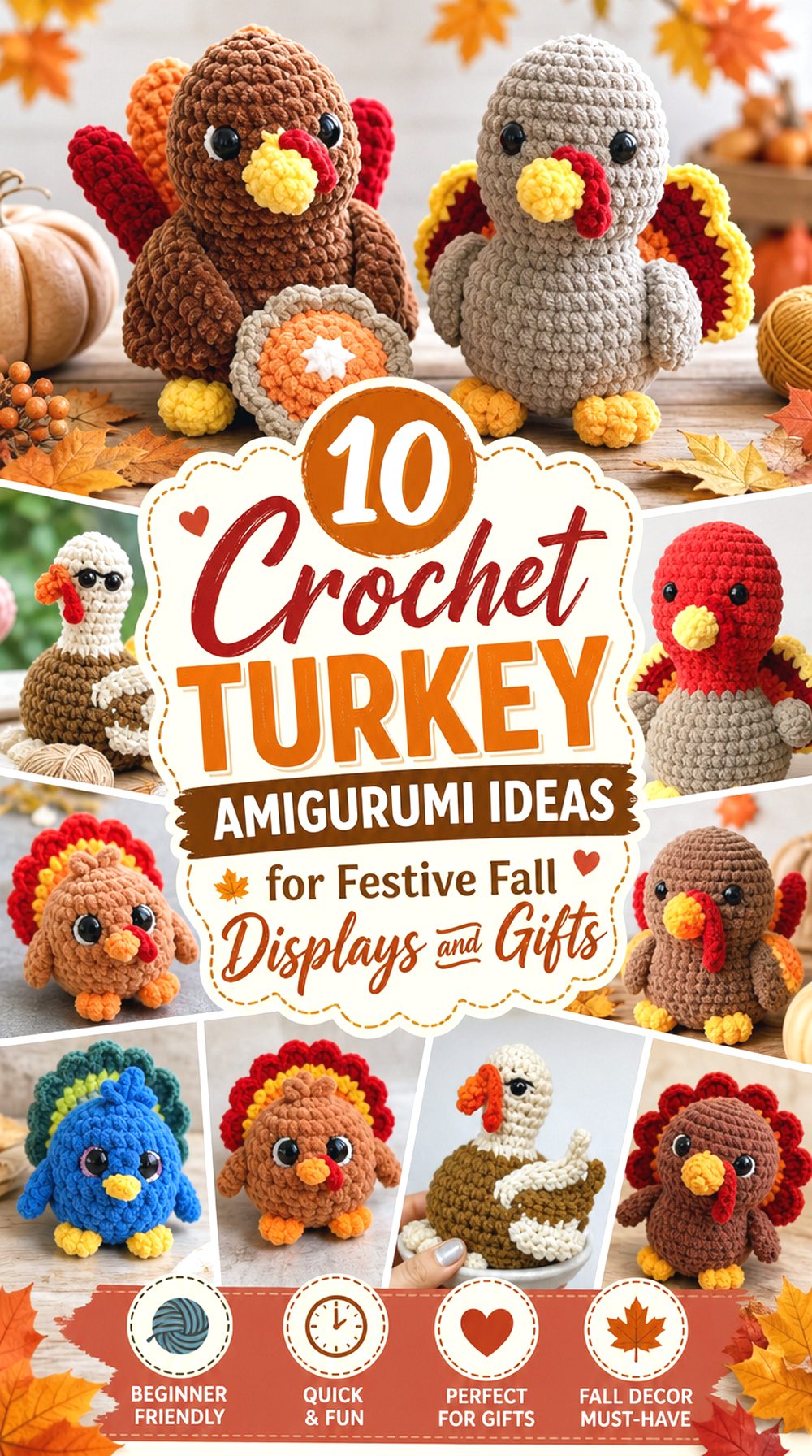
This list brings together ten turkey tutorials from ten different YouTube creators. Each project has a clear finished result and a distinct feature, so readers can compare size, shape, assembly, tail style, accessories, and use before opening the original tutorial for exact construction details.
Quick List
- Crochet Pumpkin Pie Turkey Amigurumi
- Crochet Chunky Thanksgiving Turkey Amigurumi
- Crochet Ornament-Style Turkey Amigurumi
- Crochet No-Sew Round Turkey Amigurumi
- Crochet Chonky Tail-Feather Turkey Amigurumi
- Crochet Turkey Squish Softie
- Crochet Small Thanksgiving Decor Turkey
- Crochet Roasted Turkey Platter Amigurumi
- Crochet Mini Round Turkey Amigurumi
- Crochet African Flower Feather Turkey Amigurumi
Why These Crochet Turkey Amigurumi Projects Are Worth Making
Turkey amigurumi works well for Thanksgiving because the shape naturally gives makers several design choices. A turkey can be round and simple, plush and squishy, upright for a shelf, tiny for a seasonal accent, or playful enough to include a pie, platter, or bold feather display. That makes the category useful for both holiday decorating and handmade gifting.
These projects also help readers think through details that matter in amigurumi: whether small parts are sewn on, how the tail is supported, how much display space the finished piece may need, and whether the source includes a written pattern, material list, or assembly guidance. A good turkey project should match both the maker’s patience and the way the finished piece will be used.
Crochet Pumpkin Pie Turkey Amigurumi
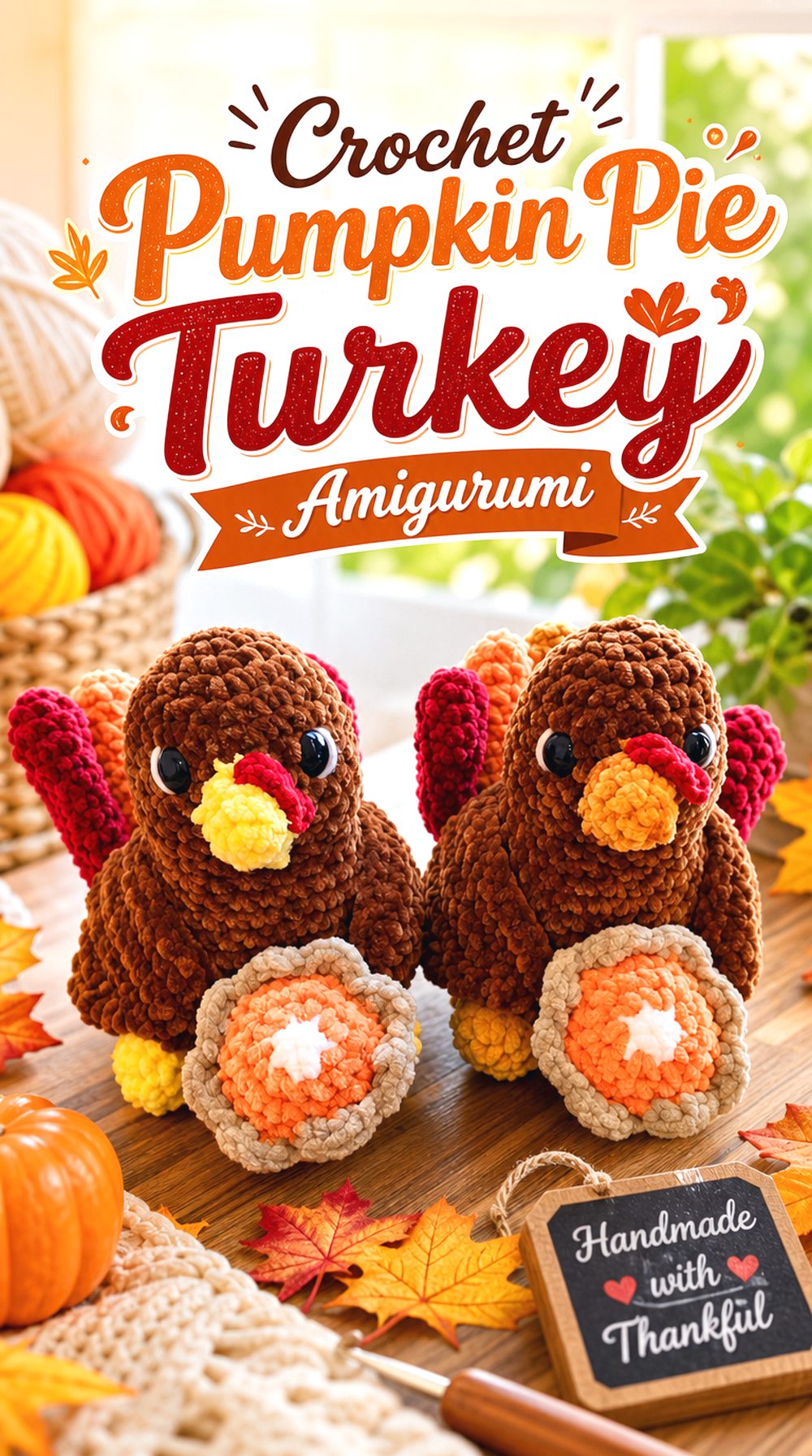
A rounded turkey paired with a little pumpkin pie gives this amigurumi a playful Thanksgiving-table feeling. The turkey itself has a plush body, small facial details, wings, feet, and a fan-style tail, while the pie accessory makes it stand apart from plain turkey figures. This option may suit readers who want a seasonal character rather than a basic bird, especially if the finished piece will sit with other fall plushies, market items, or gift baskets.
Think About the Added Pie Detail
The pie accessory is the feature that separates this turkey from a standard Thanksgiving bird. Readers should decide whether they want the extra prop as part of the finished display or whether the turkey alone is enough for their use. Small accessories can add personality, but they also mean there are more pieces to track, finish, and place neatly.
Check the Separate Small Parts
This design includes several recognizable turkey details, including feet, wings, beak, wattle, feathers, and the pie. Before starting, it is useful to review the full material list and the sequence of sections so nothing is missed. For amigurumi with many features, keeping small parts together during the process can make the final assembly easier to manage.
Review the Market-Friendly Shape
The creator describes this as a market-friendly Thanksgiving turkey, so readers thinking about craft tables may want to look closely at the overall silhouette and accessory placement. A rounded plush shape can be easy to display, but makers should still check the creator’s terms before selling finished items and confirm whether the accessory needs extra care during transport.
Crochet Chunky Thanksgiving Turkey Amigurumi
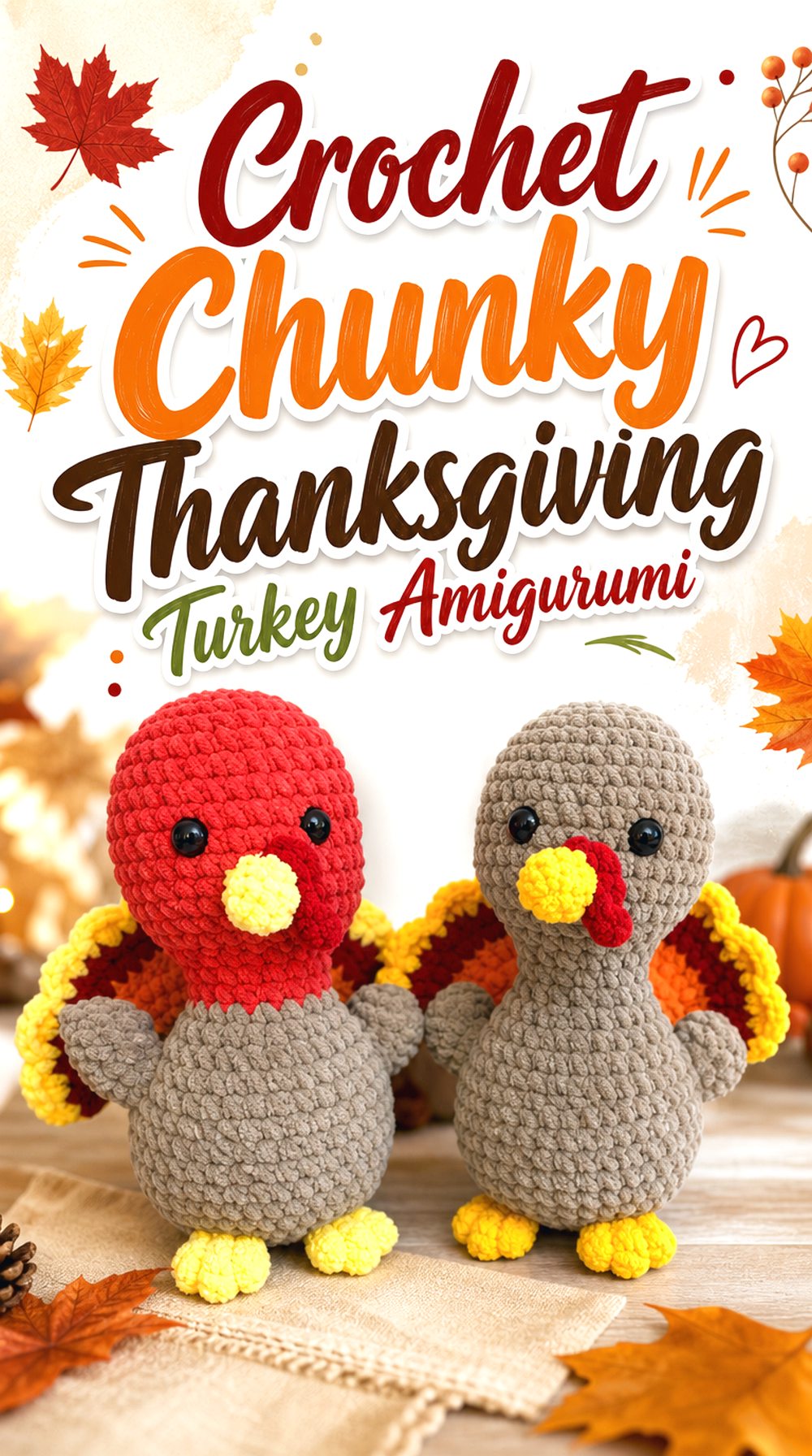
This chunky turkey has a soft plush look with a full body, small wings, a beak, snood, tail, and feet. The shape feels more like a stuffed animal than a tiny shelf accent, which makes it different from the smaller decor-style turkeys in this list. It may suit readers who want a larger Thanksgiving amigurumi with a bold, rounded form and clear character details rather than a flat or ornament-like project.
Consider the Plush Scale
A chunky turkey needs more space than a mini amigurumi, so the intended use matters. It may work better on a couch, chair, entry table, or seasonal basket than in a narrow tiered tray. Readers should confirm the finished size information in the source before choosing it for a specific shelf, gift box, or display area.
Confirm the Safety Eye Notes
The tutorial’s description mentions safety eyes and includes a caution that they are not recommended for plushies made for young children or pets. That detail is important for readers planning a gift. Anyone making this turkey for display has different concerns than someone making it for handling, so facial-feature choices should be reviewed carefully.
Watch the Assembly Sections Closely
Because the turkey includes multiple features around a rounded body, the placement of the wings, tail, beak, snood, and feet affects the final expression. A useful approach is to pause during assembly views and compare the shape before attaching pieces permanently. This helps keep the turkey balanced from the front and side.
Original Tutorial and Creator Credit
Creator: The Mary Jay
Crochet Ornament Style Turkey Amigurumi
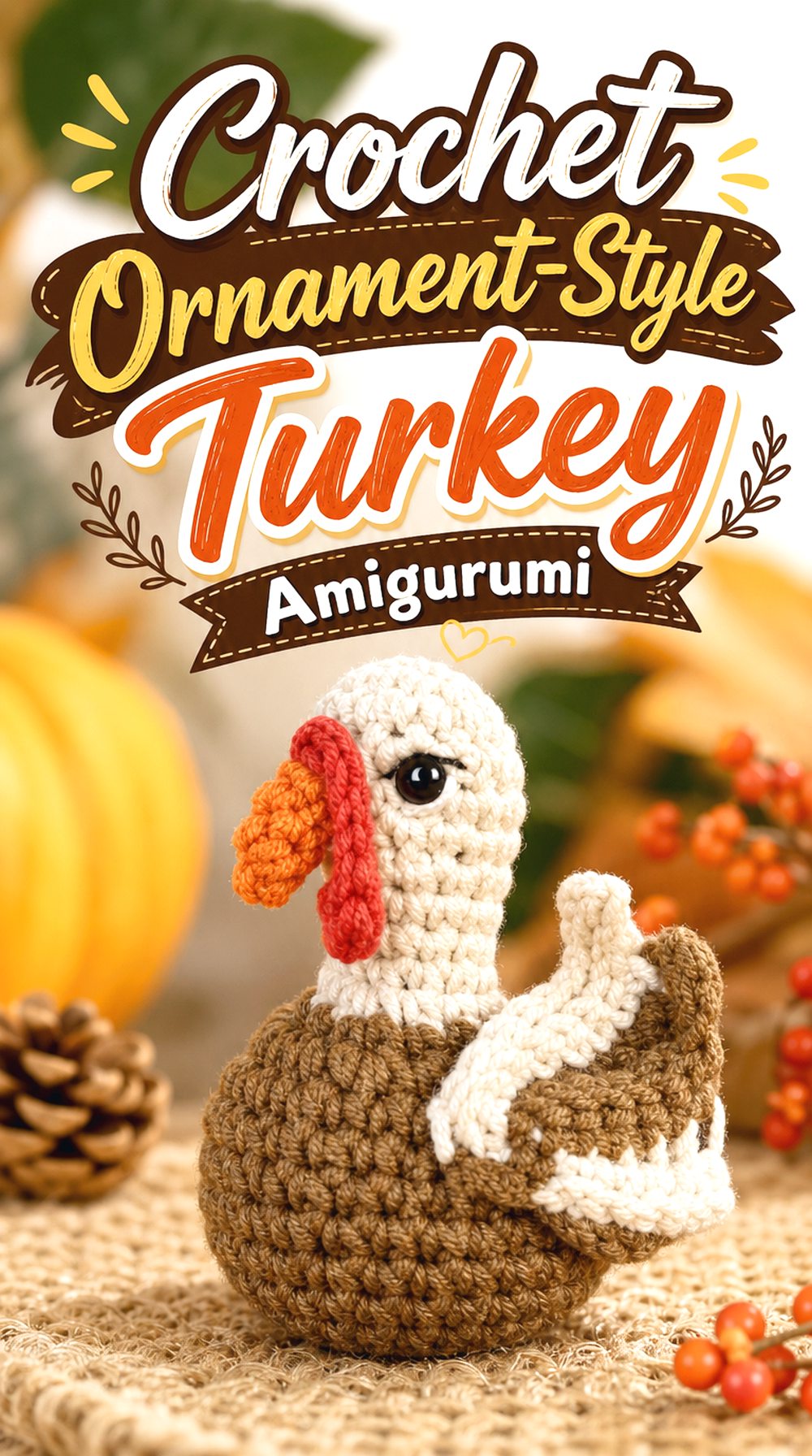
This turkey is presented as a small amigurumi that can work as a keychain, ornament, or holiday gift, giving it a lighter seasonal-use angle than the bigger plush options. The design includes the main head and body, tail feathers, beak, wattle, legs, wings, and embroidery decoration. Readers who want a compact turkey with enough details to still read clearly as a Thanksgiving bird may find this version especially useful.
Decide How It Will Be Displayed
Since the project is described for keychain, ornament, or gift use, readers should choose the final purpose before beginning. A hanging ornament may need a different finishing plan than a tabletop figure. The source should be checked for any attachment or hanging information rather than assuming the finished turkey will automatically suit every use.
Look at the Embroidery Detail
The embroidery stage can influence the finished personality of a small amigurumi. Simple stitched details may help the turkey look more polished, but they also require care because small changes are easy to notice on a compact body. Readers may want to slow down during this portion and compare the face and decoration before finishing.
Confirm the Full Material List
Small amigurumi can still require several colors and small components. Before gathering supplies, readers should review the creator’s listed tools and materials rather than guessing from the finished photo. This is especially useful if the turkey will be made as an ornament or keychain, where weight, size, and attachment choices may matter.
Original Tutorial and Creator Credit
Creator: Amigurumi_Joys
Crochet No Sew Round Turkey Amigurumi
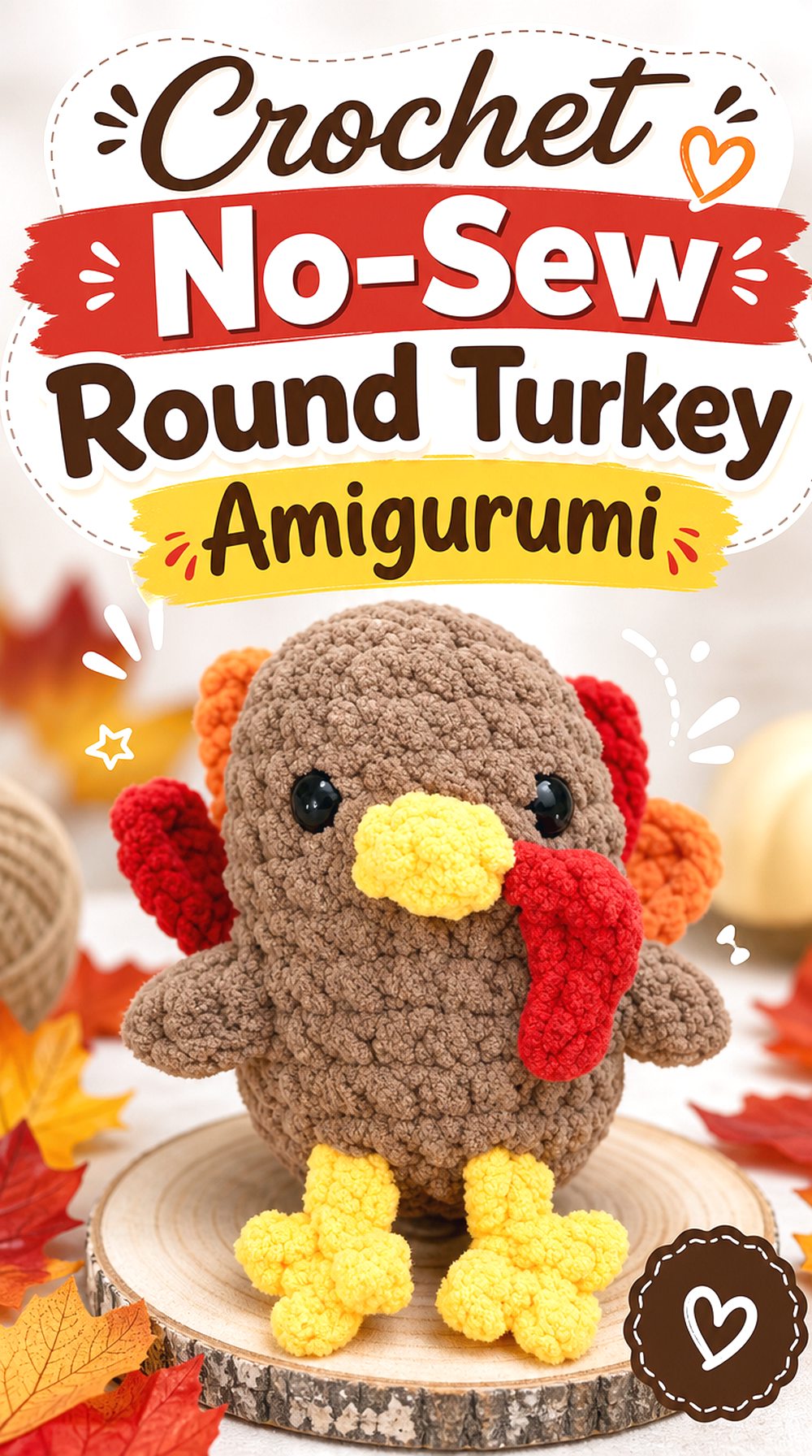
A no-sew turkey can be appealing when the main goal is a clean rounded shape with fewer final attachment steps. This version includes the recognizable turkey parts, such as feet, feathers, wattle, and body shaping, while keeping the finished look compact and stuffed. It stands apart from the pie turkey and pillow turkey because the focus is on a small round bird with integrated details rather than extra props or a large squishy form.
Check the No-Sew Structure
“No-sew” projects can still include careful shaping and placement, so readers should not skip the early setup. The main advantage is reducing separate finishing work, but the tradeoff is that certain details may need attention while the body is being made. Watching the full guide once first can help readers understand where the features appear.
Keep Track of Feather Placement
The tail feathers give this turkey much of its Thanksgiving identity. Because they are part of the visual balance, their placement matters even on a small rounded body. Readers may want to pause before major shape changes and compare the turkey from the back and side so the feather fan does not feel hidden or uneven.
Review the Written Pattern Option
The creator links a printable version of the pattern, which may help readers who like checking a written reference while watching. A video can be useful for shape and placement, while a written guide can make it easier to track where you stopped. Readers should use the original source for the exact counts and timing.
Original Tutorial and Creator Credit
Creator: Crafts Go Bloom
Crochet Chonky Tail Feather Turkey Amigurumi
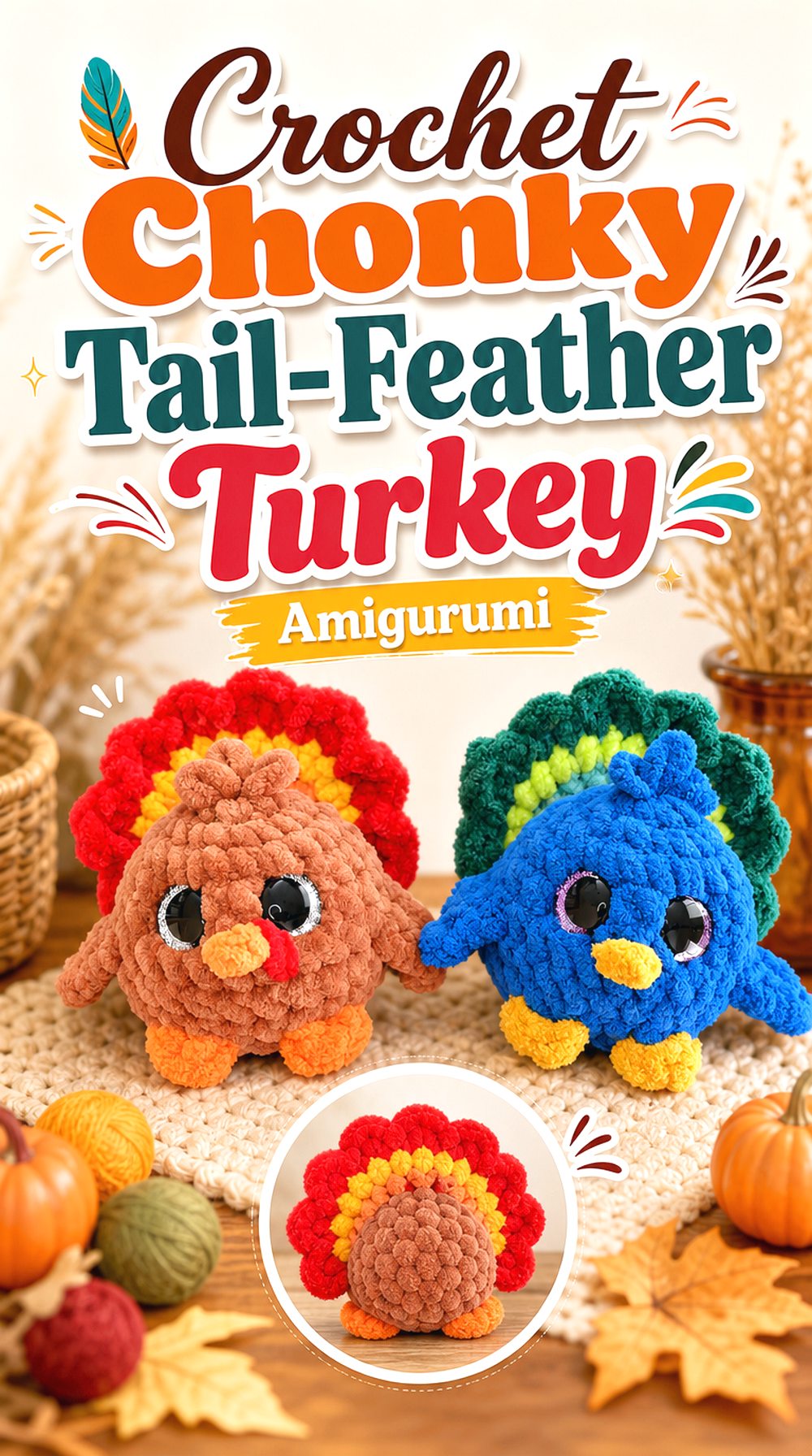
This chonky little turkey has a rounded body and a bold tail-feather section that gives the finished piece a fuller, more playful silhouette. The creator also notes that the same pattern can become a peacock with color changes, but in turkey colors it works well as a Thanksgiving bird. This option may suit readers who like compact plush projects with strong shape and feather detail rather than a tall, narrow amigurumi figure.
Make the Tail the Focus
The tail is the strongest visual feature in this design, so readers should think about color contrast and display angle before starting. A turkey with a broad tail often looks best when the feathers are easy to see from the front or slightly above. The finished piece should have enough room around it so the feather shape is not crowded.
Check Whether No-Sew Fits Your Style
The creator describes this project as no-sew and beginner friendly, while also noting that basic crochet-stitch knowledge is needed. Readers who dislike sewing small parts may appreciate the format, but they should still review the full process to see how features are added. No-sew does not mean no attention to detail.
Compare the Shape as You Work
Chonky amigurumi depends on a balanced body. If the turkey leans too much or the tail sits awkwardly, the finished look can change quickly. Rather than rushing through repeated sections, readers may want to compare the body, tail, and face placement at each major stage and adjust only according to the creator’s guidance.
Original Tutorial and Creator Credit
Creator: The Stitch Zoo
Crochet Turkey Squish Softie
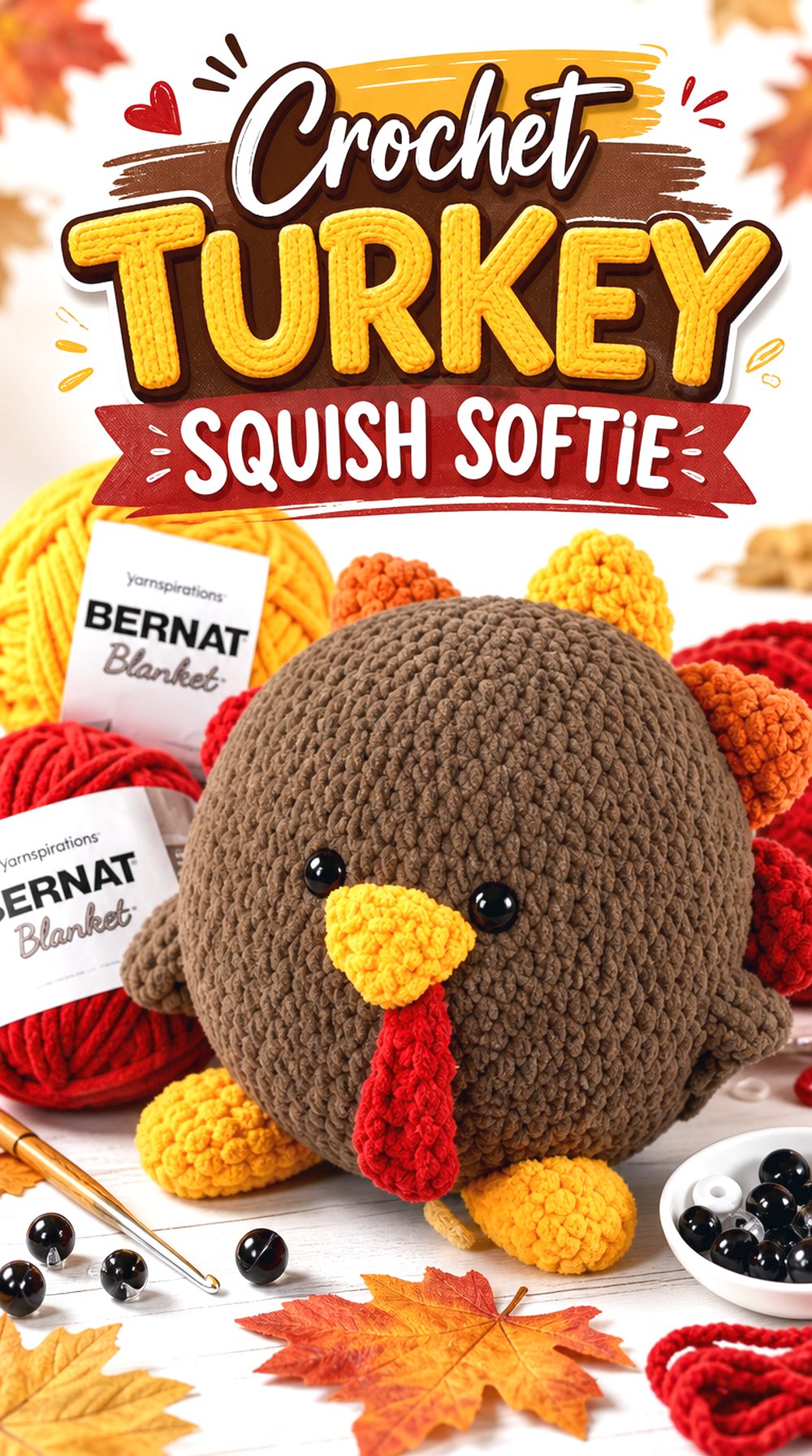
The turkey squish is closer to a soft pillow-style amigurumi than a tiny figure. Its broad, rounded body and simple turkey details make it a useful choice for readers who want a seasonal softie with a larger presence. Unlike the small tabletop turkeys, this one is designed around a squish form, so it may be better for a couch, reading nook, or cozy fall display where size and softness are part of the appeal.
Plan for the Larger Softie Format
A squish-style turkey needs more room than a compact amigurumi. Before choosing this project, readers should check the creator’s finished-size and material information so they understand how large the softie may become. This matters for storage after Thanksgiving as much as it matters for display during the holiday season.
Review the Filling Choice
The description mentions a microbead pillow ball or fiberfill, which makes the filling decision part of the project’s final feel. Readers should review what the creator uses and decide which option suits their purpose. A display softie and a frequently handled softie may have different needs, especially when shape and weight are considered.
Use the Written Pattern Alongside the Video
The creator points viewers to a free written crochet pattern on Moogly. For a larger project, combining the video with the written guide can help readers track progress without relying only on memory. The video is especially useful for visual placement, while the written source should be followed for exact construction details.
Original Tutorial and Creator Credit
Creator: Tamara Kelly – Moogly
Crochet Small Thanksgiving Decor Turkey
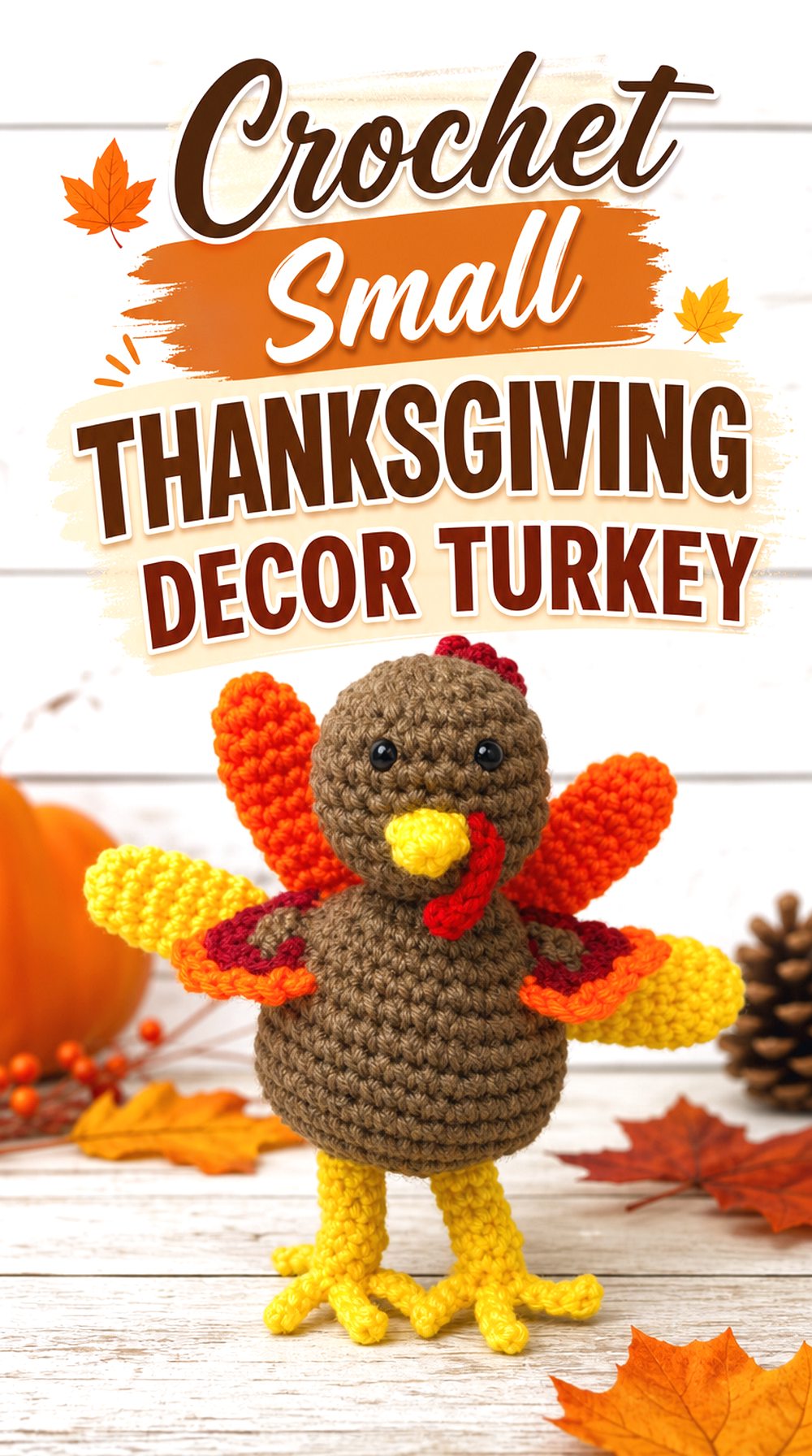
This small Thanksgiving decor turkey has a classic amigurumi look with a rounded body, colorful turkey features, and a display-friendly shape. It is different from the no-sew and squish options because it reads more like a traditional seasonal decoration than a plush pillow or accessory project. Readers looking for a turkey that can sit on a mantel, desk, tray, or table may find this compact format easier to place.
Think About Tabletop Placement
A small decor turkey should be easy to see without taking over the whole display. Readers may want to decide whether it will sit alone, beside pumpkins, or as part of a Thanksgiving centerpiece. The brighter feather colors can help it stand out, but the finished size should be confirmed before planning a specific arrangement.
Use the Captioned Pattern Carefully
The creator notes that pattern information is included as subtitles throughout the video, with a correction listed in the description. That makes careful viewing important. Readers should check the description before starting and avoid relying only on memory, especially if watching on a small screen where captions may be easy to miss.
Confirm Materials Before Substituting
The description lists worsted weight yarn, a 5 mm hook, safety eyes or black yarn, and stuffing. Readers who want to substitute yarn should compare the creator’s notes before changing supplies. A different yarn weight can affect the finished size, firmness, and how clearly the small turkey features show.
Original Tutorial and Creator Credit
Creator: Crafty Crochet Castle
Crochet Roasted Turkey Platter Amigurumi
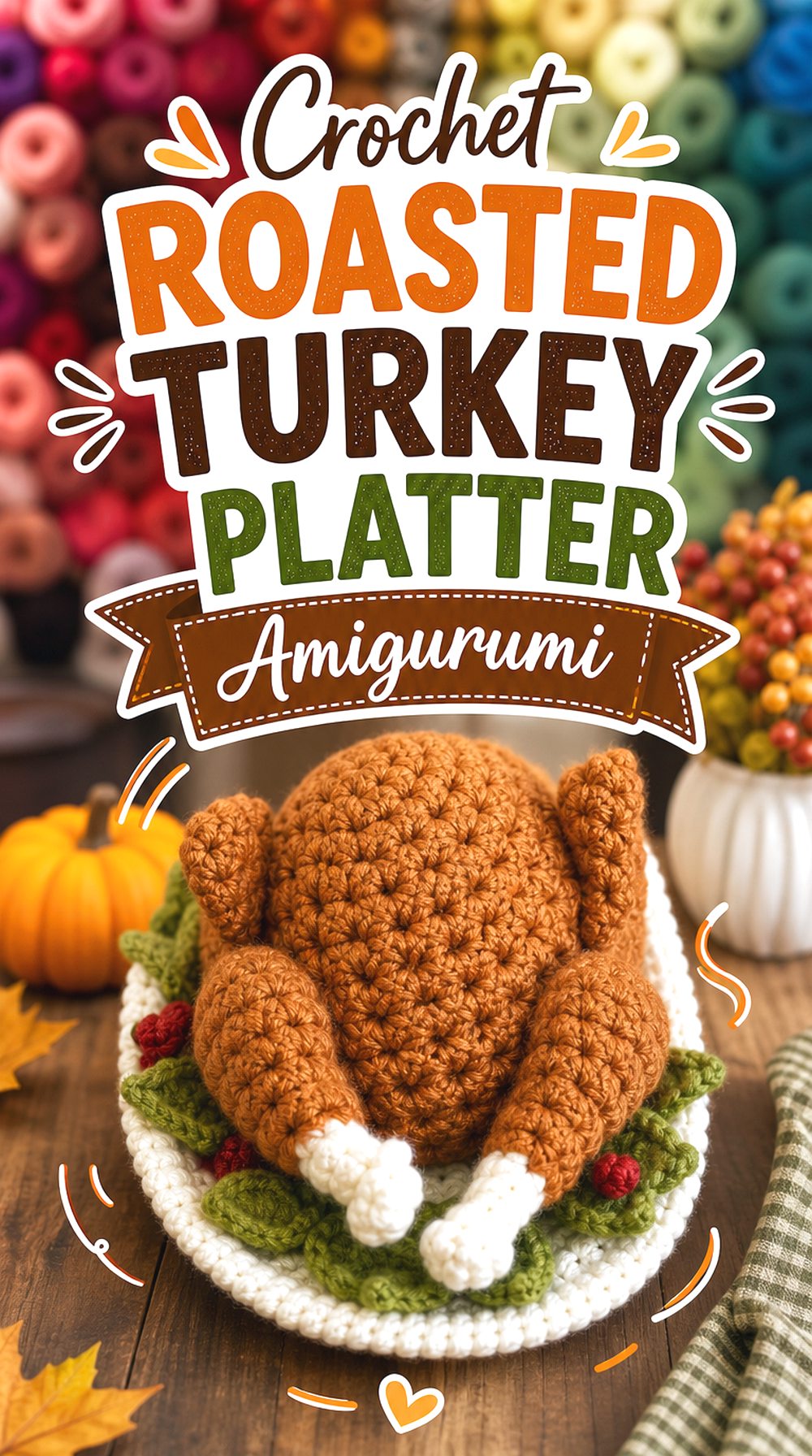
This roasted turkey amigurumi turns the Thanksgiving theme into a playful food-style project. Instead of making a live turkey character with feathers and a face, it creates a small roast turkey on a platter with decorative accents. That makes it very different from the bird-shaped amigurumi in the rest of the list and may suit readers who enjoy crochet food, dollhouse-style props, ornaments, or humorous holiday displays.
Choose This for a Food-Themed Display
The roasted turkey shape works best when the goal is seasonal food decor rather than a turkey character. It could sit with crochet pies, pumpkins, leaves, or other Thanksgiving table accents. Readers should think about where it will be placed, because a flatter platter-style piece needs a surface where the top view stays visible.
Note the Extra Non-Yarn Components
The description lists materials beyond yarn and stuffing, including artificial leaves and a hot glue gun. That makes this project different from all-yarn amigurumi choices. Readers who prefer crochet-only finishing should review the source carefully before committing, while mixed-media makers may appreciate the added platter and garnish effect.
Check Ornament Use Carefully
The creator mentions that the little roasted turkey can be used as an ornament with a hanger. Readers interested in that option should confirm where and how the hanging point is handled in the original tutorial. A platter-style amigurumi needs balanced placement if it will hang instead of resting flat.
Original Tutorial and Creator Credit
Creator: Allison Hoffman (CraftyisCool)
Crochet Mini Round Turkey Amigurumi
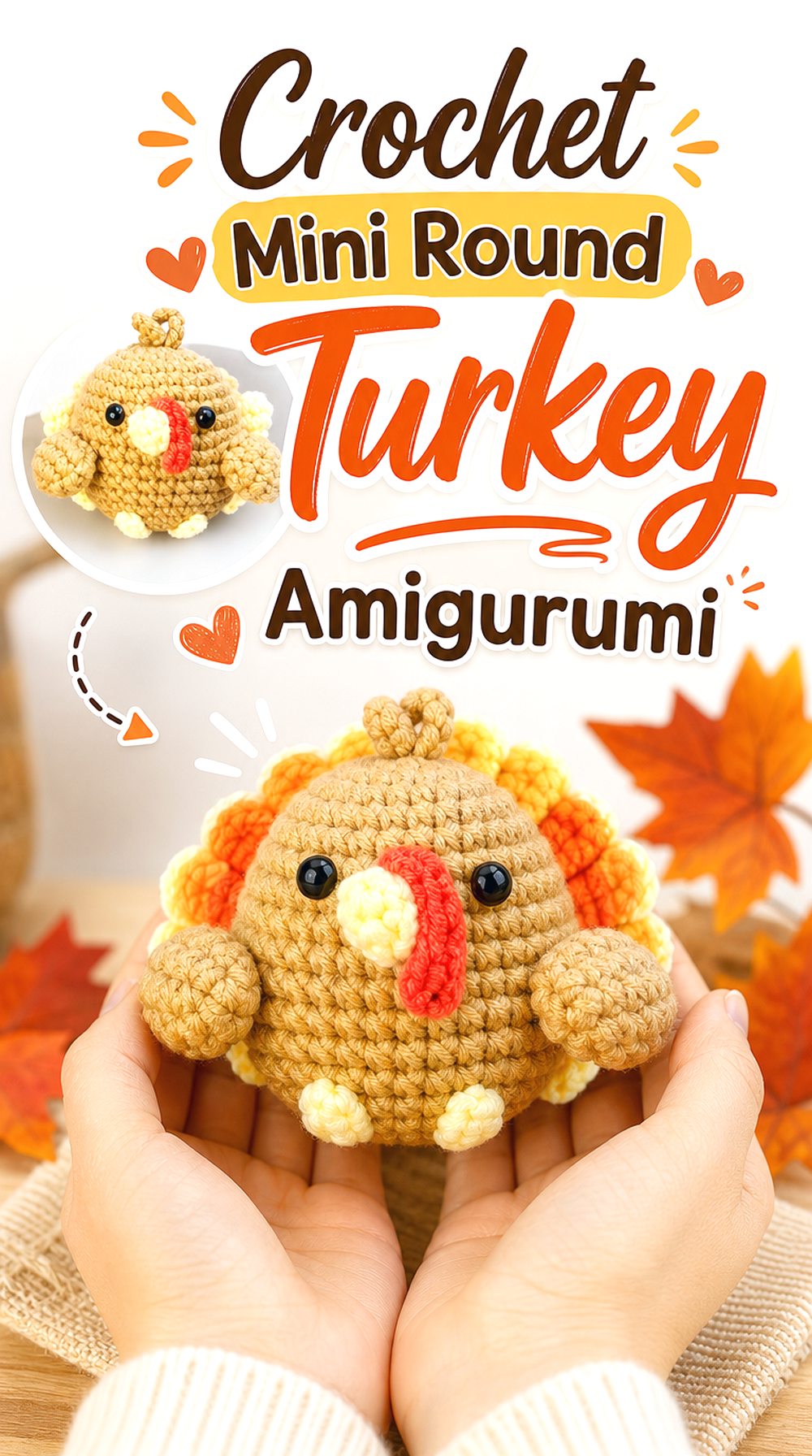
This mini turkey focuses on a round body, small wings, beak, wattle, and a shaped Thanksgiving look. It is a useful contrast to the larger chunky turkey and turkey squish because it keeps the project compact and simple in appearance. Readers who want a small fall friend, a seasonal gift accent, or a quick-looking display piece may prefer this style, while still checking the source for the exact pace and details.
Keep the Shape Neat and Rounded
A mini round turkey depends on clean shaping. Because the body is small, the beak, wattle, wings, and tail can quickly change the final expression. Readers may want to compare the finished shape at each major stage and make sure the stuffing does not distort the body before closing or adding the smaller features.
Review the Assembly and Shaping
The description says the tutorial covers assembling and shaping the turkey for a round look. That makes the finishing portion worth watching with care. Even when the individual pieces seem simple, the character comes together in the placement. Marking the point where assembly begins can make it easier to return to that section later.
Check the Pattern Inspiration Note
The video description names pattern inspiration from A Menagerie of Stitches. Readers should keep that credit in mind and avoid treating the tutorial as a source for copying or republishing the pattern. Use the original video for making the project, and check the creator’s linked information for any terms or additional context.
Original Tutorial and Creator Credit
Creator: Crochiquely
Crochet African Flower Feather Turkey Amigurumi
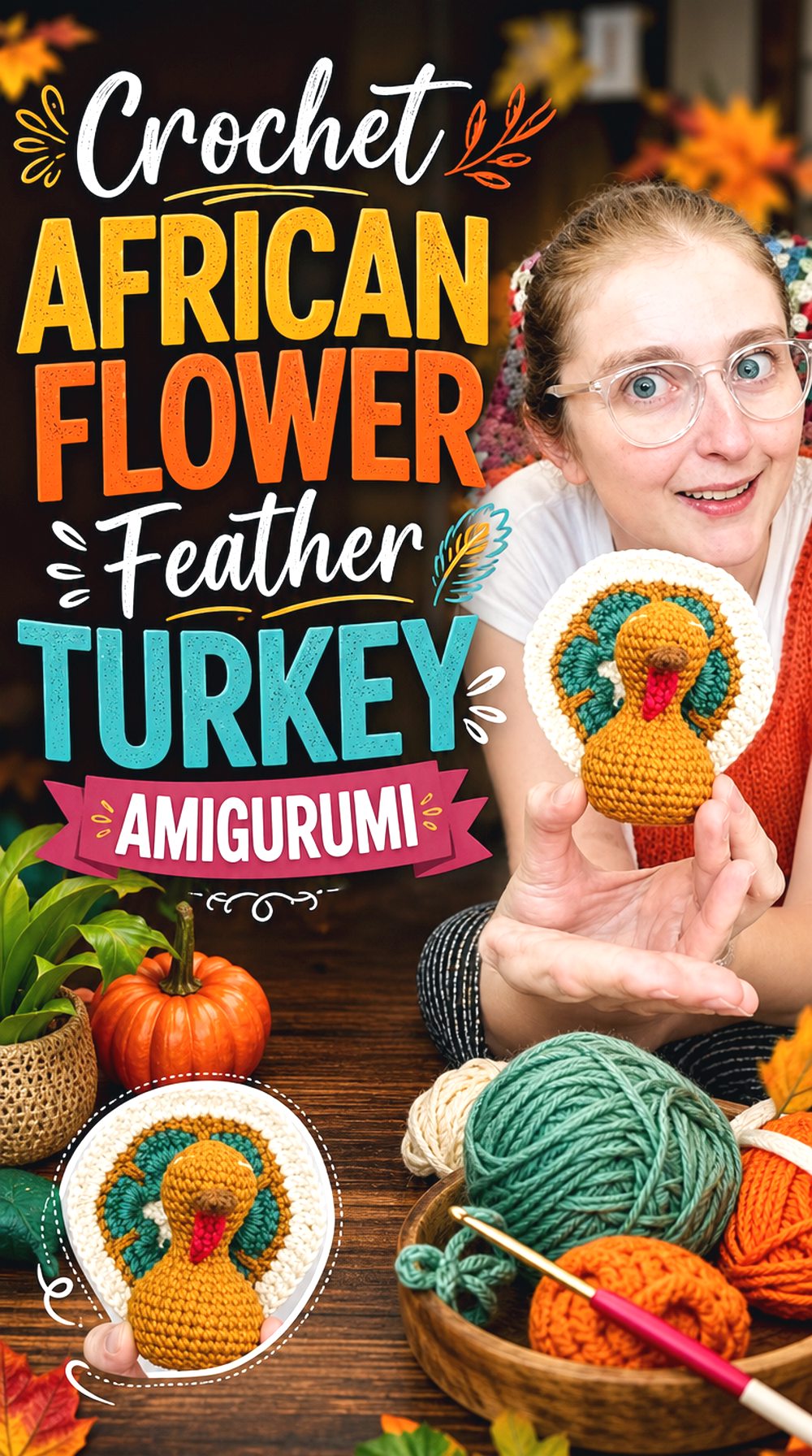
This turkey uses an African-flower-style element for the feathers, giving it a more motif-focused look than the rounded plush turkeys. The floral feather section adds shape and color behind the body, so the finished piece can feel decorative without losing the amigurumi character. This option may suit readers who enjoy motif details and want a turkey that looks especially nice from the back or side, not only from the front.
Highlight the Flower-Feather Feature
The African flower feather section is the detail that makes this turkey stand out. Readers may want to choose colors that keep the motif visible and clearly separated from the body. Since the feather section carries so much of the design, it should not disappear into a busy display or be hidden against a similar-colored background.
Check the Cotton and Hook Information
The description lists 100% cotton and a 3.25 mm hook among the materials. Readers should review the full material list before substituting, because a motif-based turkey may change noticeably with different yarn structure or thickness. The source should guide supply choices, especially when the feather shape needs to stay readable.
Watch the Feather Join and Body Balance
A motif feather section can affect how the turkey sits and how the body is visually balanced. Readers should slow down around the point where the feather and body come together, then check the turkey from several angles. This is less about rushing through stitches and more about keeping the finished figure centered and display-ready.
Conclusion
These crochet turkey amigurumi ideas cover several useful directions: compact shelf birds, no-sew rounded turkeys, a larger chunky plush, a soft squish, a motif-feather version, and a roasted turkey food-style piece. Choose the small decor turkeys for tighter displays, the squish or chunky plush for a larger seasonal statement, and the pie, platter, or African flower designs when extra detail matters. Use the original tutorials for exact construction details, material lists, counts, and finishing guidance.
FAQs
How do I choose the right crochet turkey amigurumi project?
Start with the finished use. A small turkey works better for trays, shelves, and desk decor, while a chunky plush or squish needs more display and storage space. Then compare the tail style, number of small parts, and whether the tutorial includes written support. The best project is the one that matches both your display plan and your preferred making format.
Are crochet turkey amigurumi projects good for Thanksgiving gifts?
They can be thoughtful seasonal gifts when the size, details, and recipient are considered. A tiny turkey may suit a small decor package, while a plush version feels more substantial. For children or pets, check the creator’s notes about safety eyes, attached parts, and intended use before gifting. Do not assume every amigurumi toy is safe for all ages.
What should I check before changing yarn?
Changing yarn can affect the turkey’s size, firmness, tail shape, and facial proportions. Review the creator’s listed yarn, hook, stuffing, and component notes first. If the turkey has a wide tail, motif feathers, or a squish-style body, substitutions may change the final structure more than expected. Use the original tutorial for exact material guidance.
Should I choose a no-sew turkey or a sewn amigurumi turkey?
A no-sew turkey may reduce finishing work, but it can require attention while the body is being formed. A sewn turkey may give more control over feature placement, especially for wings, feet, beak, and tail. Choose based on how comfortable you are with assembly and whether you prefer adjusting parts at the end or building them in as you go.
Can I sell finished crochet turkeys made from YouTube tutorials?
Check each creator’s terms before selling finished items. Some creators allow sales with credit, while others may have limits for the written pattern, video, or finished products. Credit does not replace permission when terms are unclear. Also review local labeling, small-parts, and business requirements if the turkey will be sold at a market or online.