Early autumn can be difficult to dress for. The afternoon may still feel warm, while mornings and evenings call for a light extra layer. Crochet works beautifully during this in-between season because it can provide comfortable coverage without the weight of a thick winter sweater.
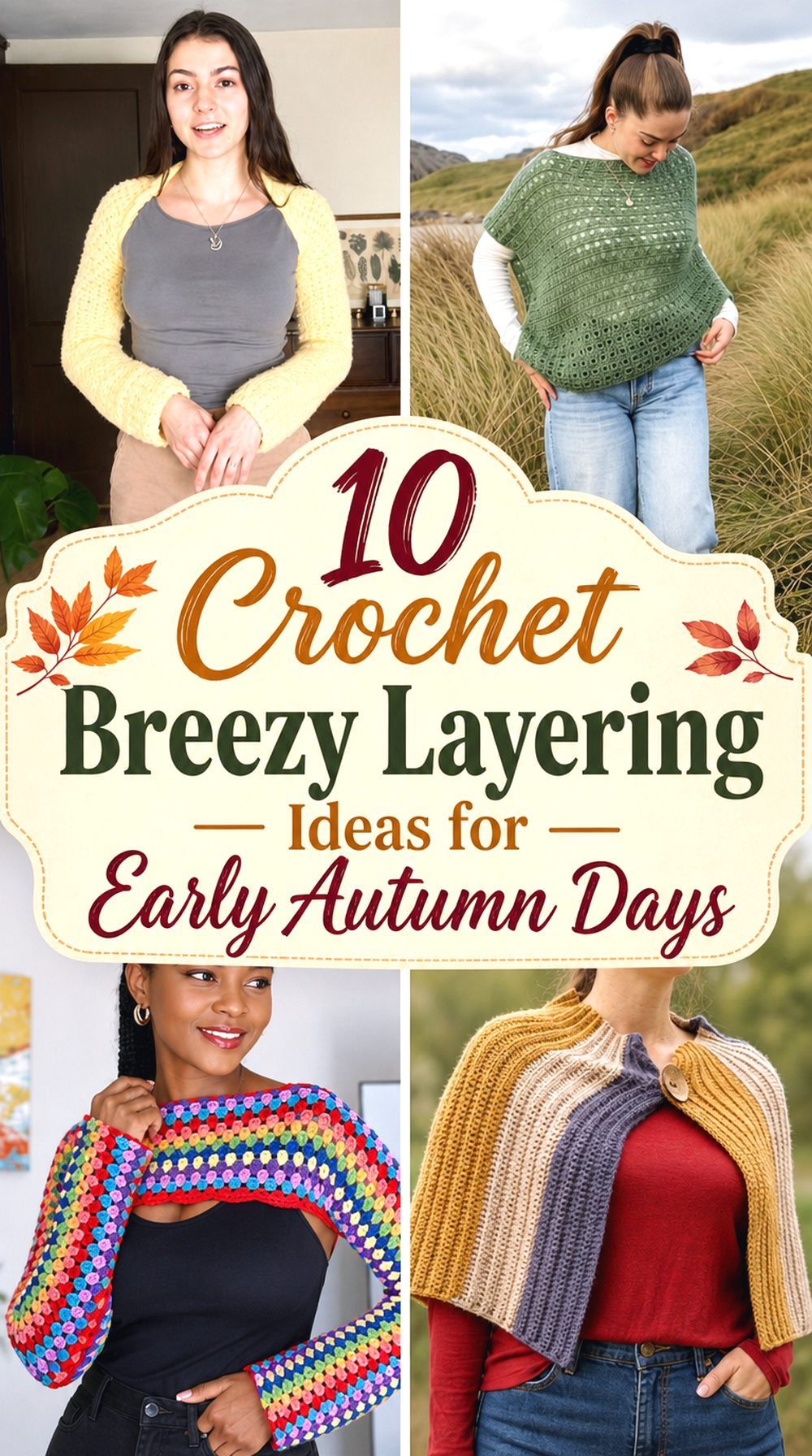
This collection brings together ten crochet layering ideas, including capelets, shrugs, ponchos, cardigans, vests, and a graceful shawl. Each project has its own level of coverage, construction style, and finished look, helping you choose something that suits your wardrobe and crochet experience.
Quick List of Crochet Breezy Layering Ideas
- Quick Self-Striping Crochet Capelet
- Relaxed One-Panel Crochet Shrug
- Adjustable Cropped Crochet Bolero
- Simple One-Rectangle Crochet Poncho
- Airy Openwork Summer Poncho
- Textured Lemon Peel Cardigan
- Colorful Patchwork Granny Cardigan
- Front-Tie Crochet Mini Vest
- Granny Square Layering Vest
- Elegant Lace Crochet Shawl
How to Choose the Right Crochet Layer
Before choosing a tutorial, think about when and how you plan to wear the finished piece.
A capelet or shrug is helpful when you mainly want coverage around the shoulders and upper arms. Ponchos provide a looser fit and usually require less precise shaping. Cardigans take longer but offer more coverage, while crochet vests are useful when you want texture without sleeves.
Yarn choice also changes the result. Cotton and cotton blends usually create a breathable layer for mild weather. Smooth acrylic yarn can provide more warmth and easy care. Whatever fiber you choose, make a small swatch first so you can check the drape, stitch definition, and finished fabric weight.
Quick Self Striping Crochet Capelet
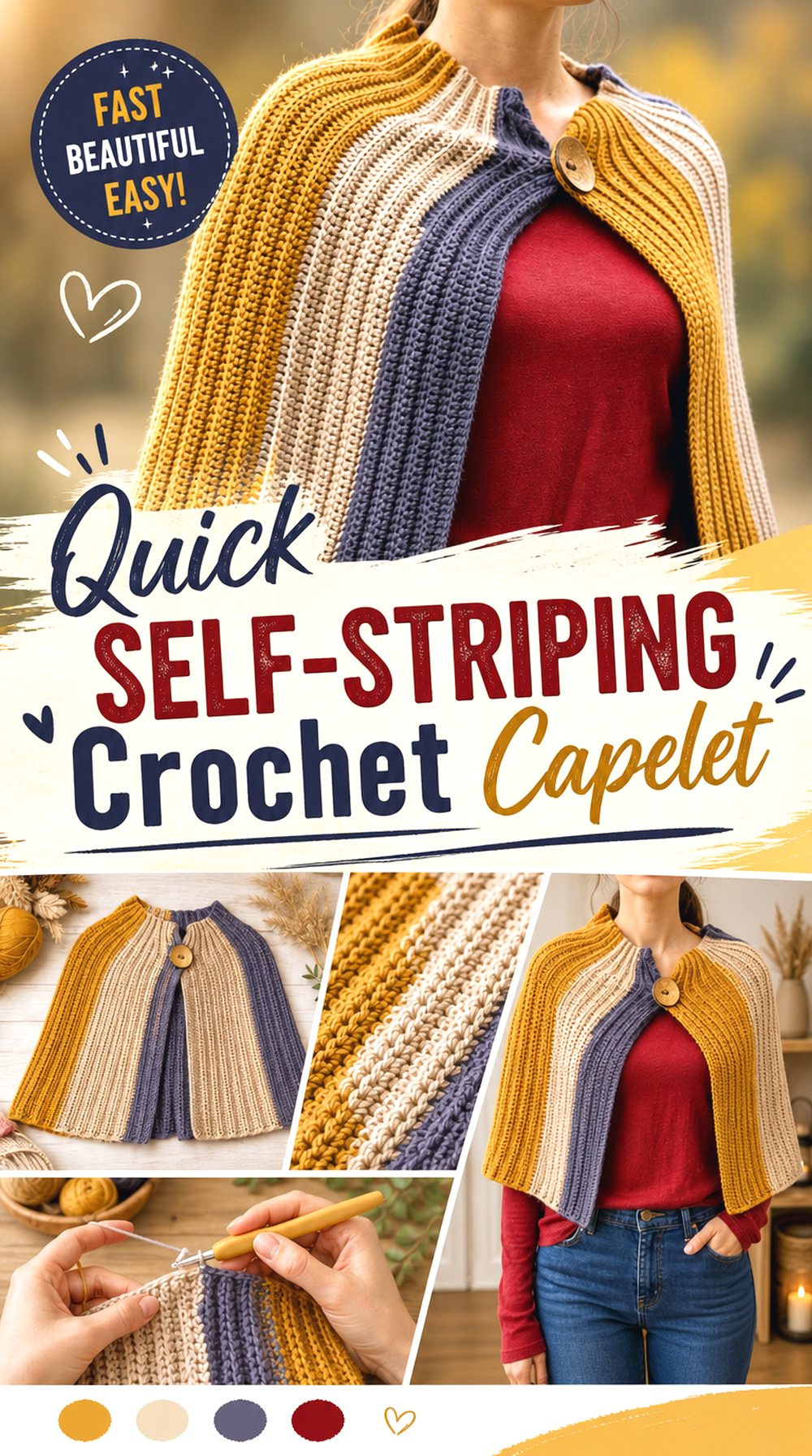
A crochet capelet is a practical choice when you want a small shoulder layer without making a complete cardigan. This version is particularly appealing because self-striping yarn creates natural color changes while you work, reducing the need to join several yarn shades.
The smaller shape can also make this project feel more manageable for someone who has made scarves and accessories but is not ready for a full sweater. Wear the finished capelet over a plain dress, long-sleeved top, or fitted autumn blouse.
Best for: Quick shoulder coverage and colorful yarn
Style idea: Choose rust, cream, olive, or muted berry shades for an autumn look.
Relaxed One Panel Crochet Shrug
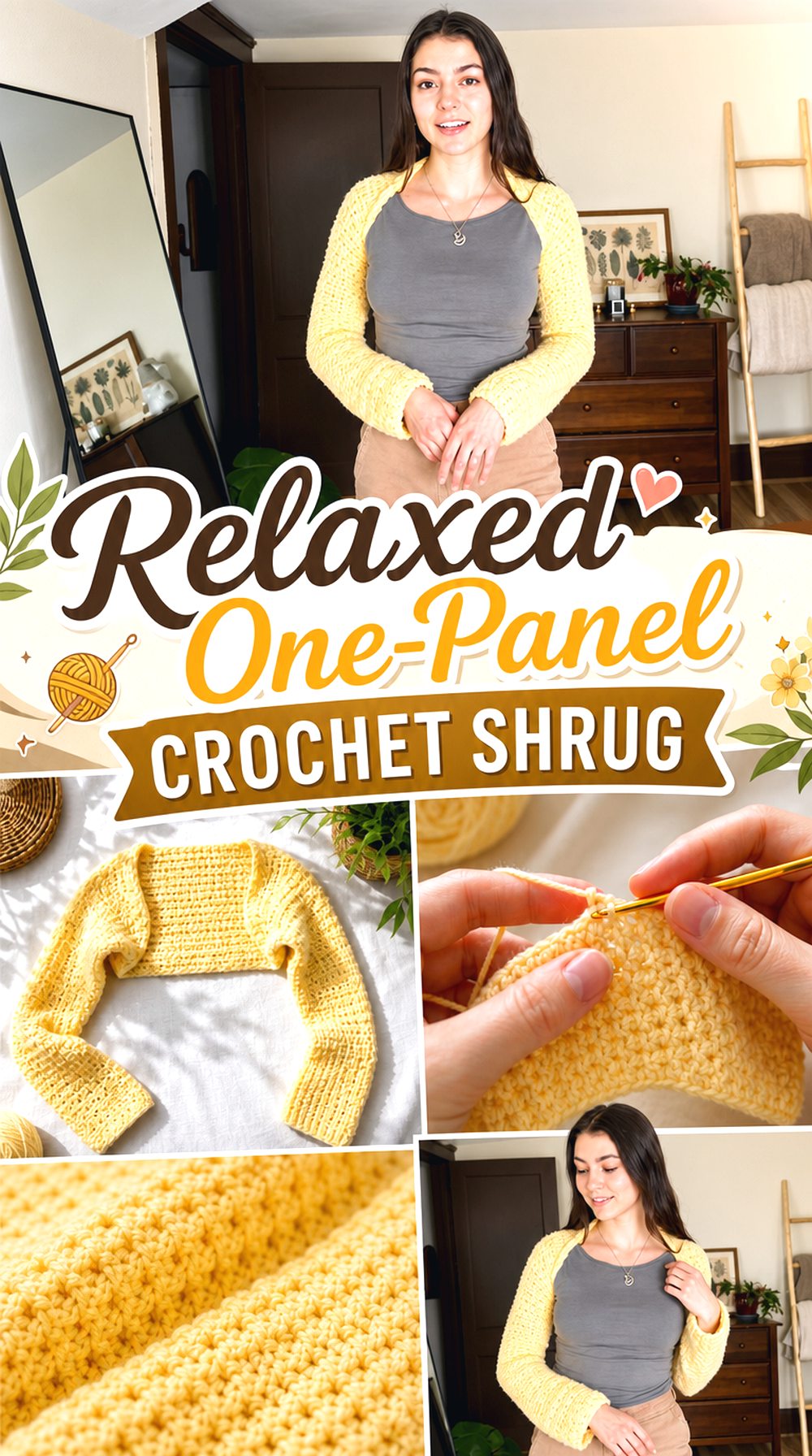
This crochet shrug begins as one long panel that is later joined around the arm areas. The straightforward construction makes it easier to understand than a garment with several shaped panels.
A soft yarn with good drape will help the back and open front fall naturally. Before joining the arm sections, hold the panel around your shoulders to check the width, sleeve opening, and overall length. This simple fitting check can prevent the finished shrug from feeling too tight across the back.
Best for: Crocheters trying their first open-front garment
Style idea: Layer it over a tank during the day and a long-sleeved top during cooler evenings.
Adjustable Cropped Crochet Bolero
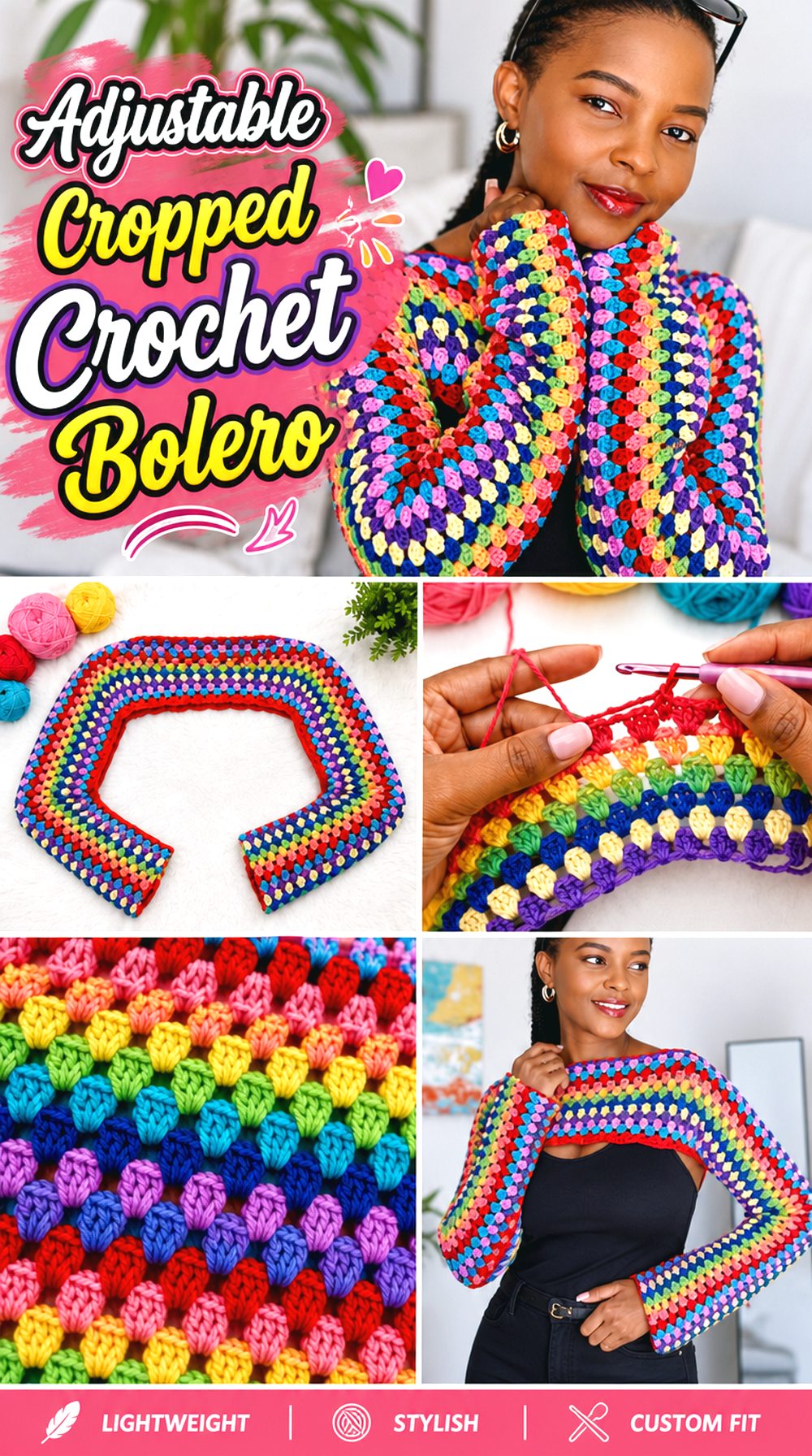
A bolero gives you sleeve and shoulder coverage while leaving most of the outfit visible. This makes it a useful layer for dresses, fitted tops, and sleeveless outfits.
The selected project includes guidance for adjusting the size using body measurements. Pay particular attention to the shoulder width, upper arm area, sleeve length, and the point where you want the cropped body to finish. Check the fit during construction instead of waiting until the entire piece is complete.
Best for: A fitted layer with adjustable measurements
Style idea: Use a neutral yarn for everyday outfits or a rich jewel tone for a dressier finish.
Simple One Rectangle Crochet Poncho
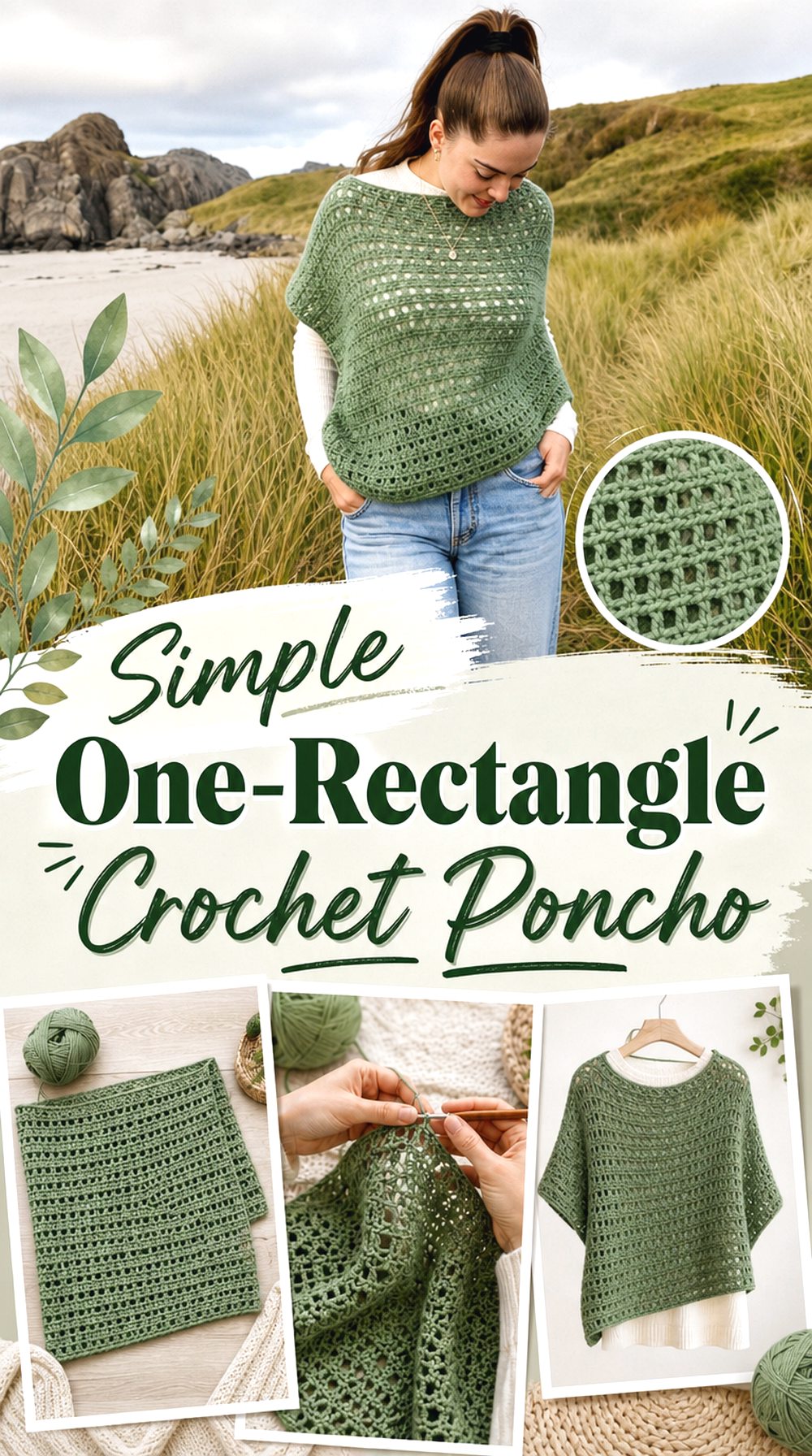
This beginner-friendly poncho is made from one main rectangle. After the fabric reaches the required size, it is folded and joined to form the wearable shape.
The simple construction allows you to focus on even tension and consistent edges instead of complicated garment shaping. It is also easy to personalize. A wider rectangle can create more coverage, while extra rows can add length. Check the neckline before completing the join so it sits comfortably without becoming too loose.
Best for: Beginners who enjoy calm, repetitive rows
Style idea: Pair a solid-colored poncho with jeans, ankle boots, and a plain long-sleeved shirt.
Airy Openwork Summer Poncho
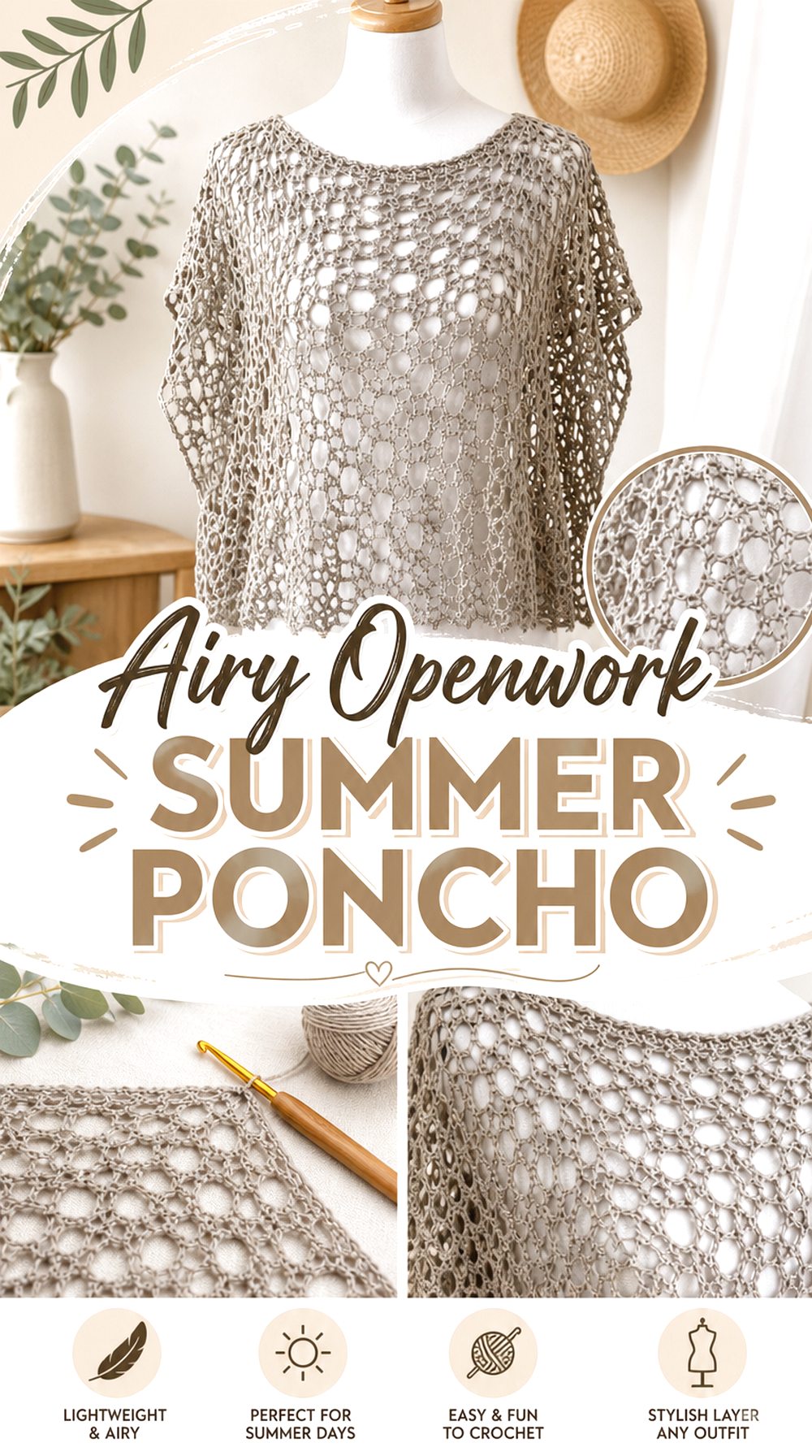
An openwork poncho can move easily from late summer into early autumn. The airy stitch pattern keeps the fabric light, while the wide shape provides gentle coverage across the shoulders and upper body.
Cotton or a cotton-blend yarn can help maintain a soft, breathable finish. The size can be changed by adjusting the starting width or adding more rows for length. Because openwork fabric can stretch, it is worth hanging your swatch for a few hours before deciding on the final measurements.
Best for: Warm days followed by cooler evenings
Style idea: Wear it over a camisole, simple dress, or fitted long-sleeved top.
Textured Lemon Peel Cardigan
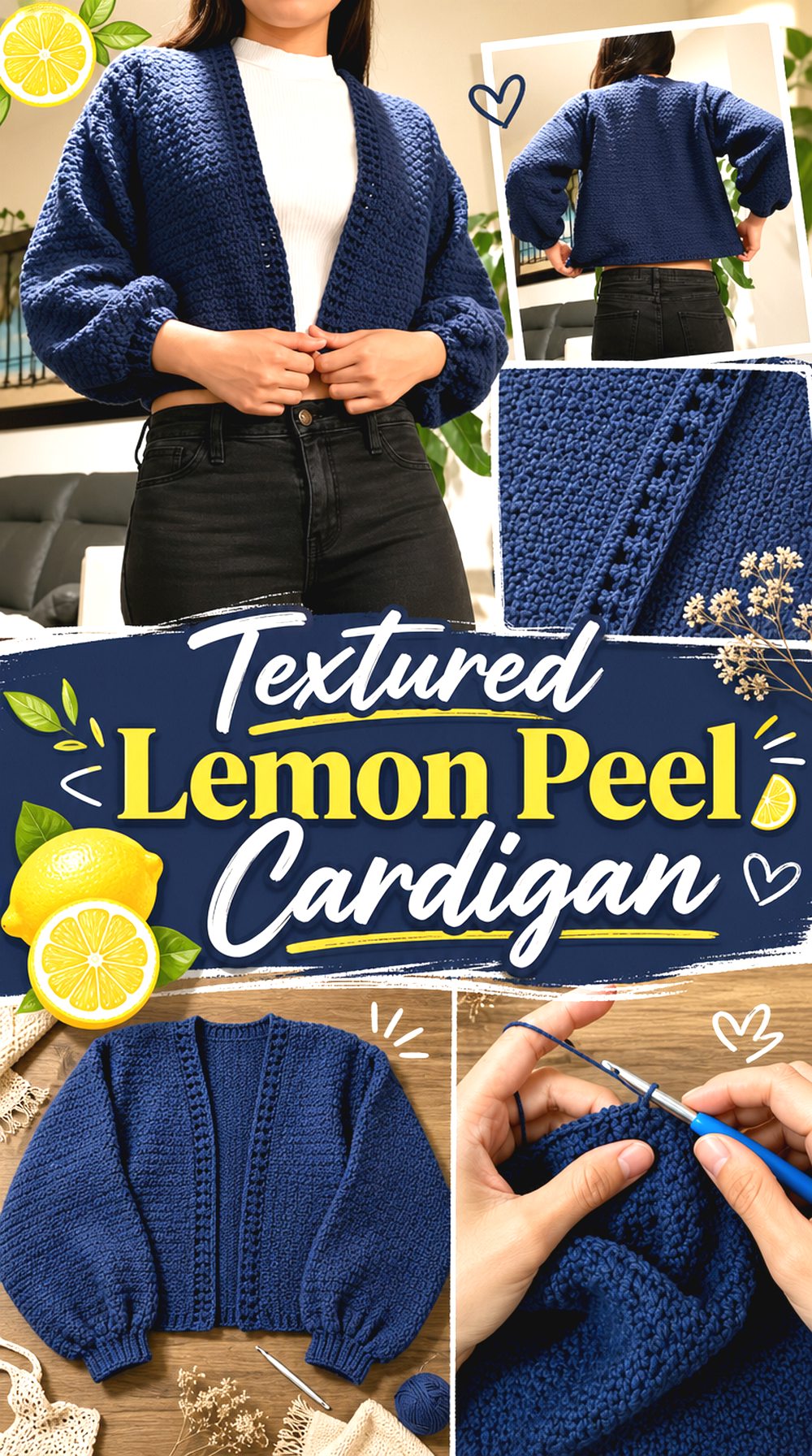
The lemon peel stitch gives this cardigan a noticeable texture without requiring complicated decorative motifs. Its mixture of simple stitches creates a surface that looks more detailed than plain rows.
This is a good option for confident beginners who are ready to spend more time on a larger wearable project. You can adjust the body width, sleeve length, and overall cardigan length according to your preferred fit. Keep checking both sides during assembly so the front panels and sleeves remain balanced.
Best for: An everyday cardigan with simple texture
Style idea: Make it slightly oversized for a relaxed layer that works with jeans, skirts, or casual dresses.
Colorful Patchwork Granny Cardigan
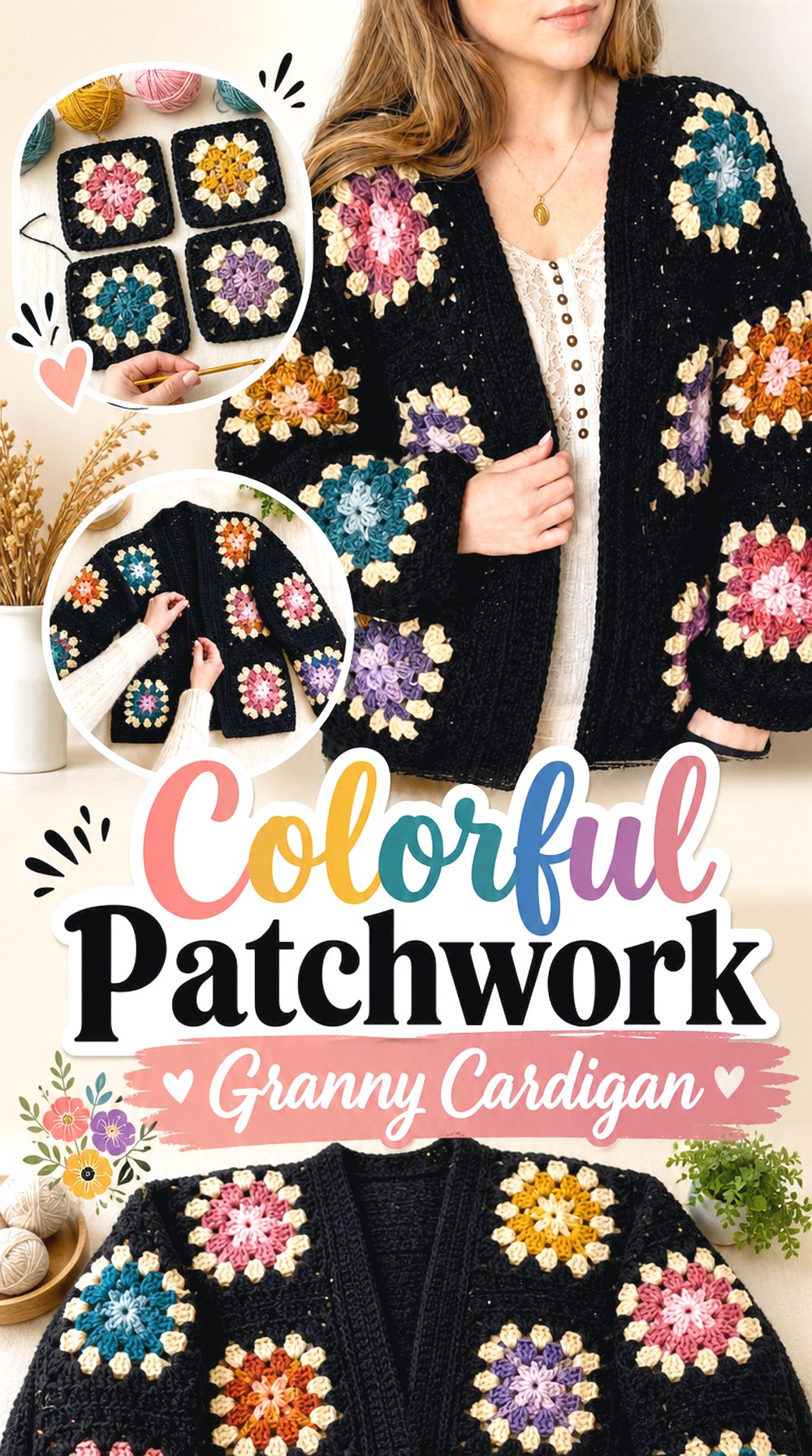
A patchwork cardigan turns repeated crochet squares into a complete garment. It is a creative choice for using several coordinated yarn colors or building a carefully planned autumn palette.
The squares should be close in size before joining. Lay them out on a flat surface first, check the color arrangement, and measure the planned body and sleeve sections. Blocking the individual squares can make assembly neater and help the finished cardigan sit more evenly.
Best for: Color lovers and granny square fans
Style idea: Combine cream, mustard, brown, burnt orange, and forest green for a warm seasonal palette.
Front Tie Crochet Mini Vest
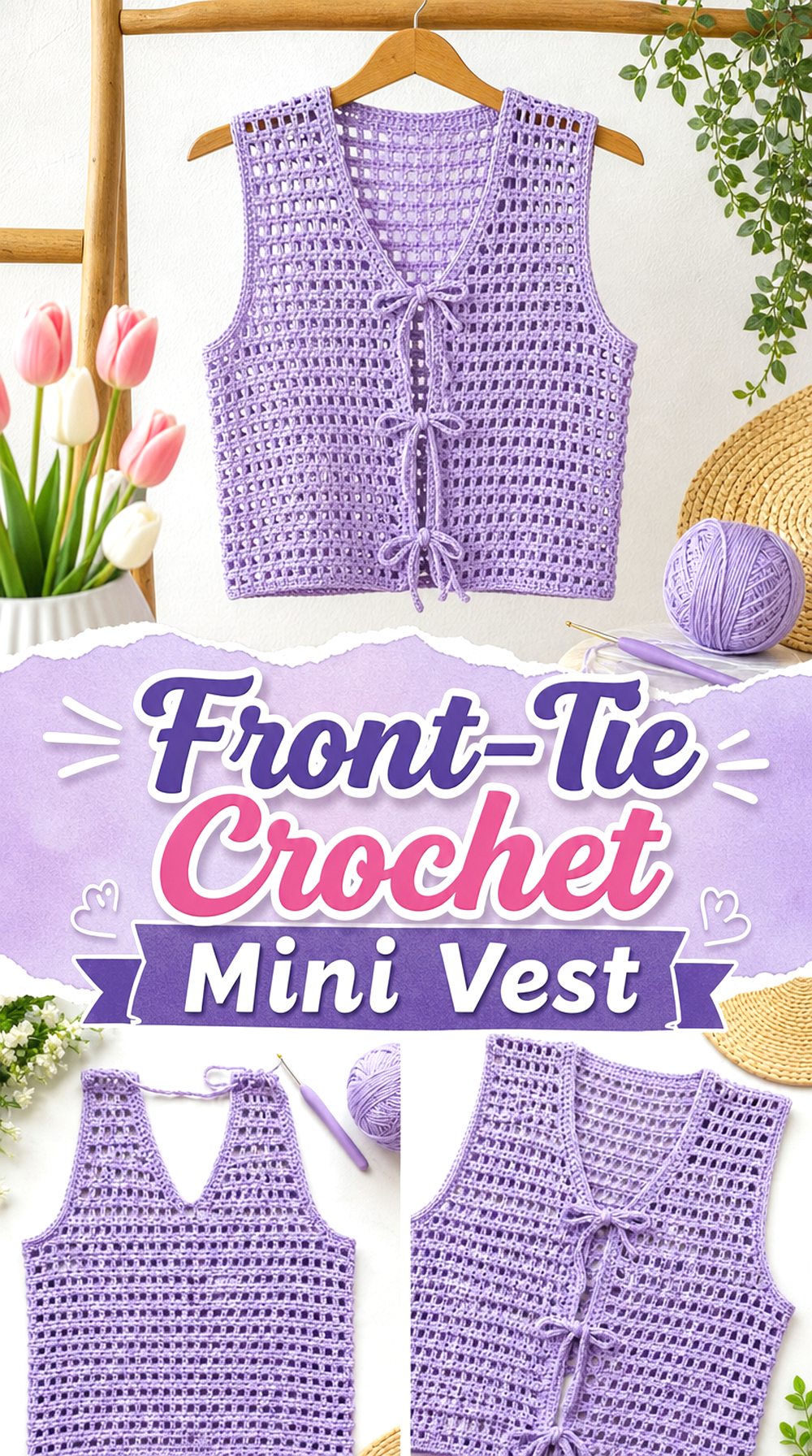
This cropped vest has an open front with ties, giving it a light and adjustable shape. The mesh-style fabric makes it suitable for layering without covering the entire outfit.
A smooth lightweight yarn will help the vest hang softly instead of becoming stiff. Measure the front coverage and finished length directly against your body as you work. You can keep it very short for a playful look or add extra rows for more comfortable everyday coverage.
Best for: Lightweight outfits and adjustable front coverage
Style idea: Wear it over a fitted tee, long dress, or high-waisted skirt.
Granny Square Layering Vest
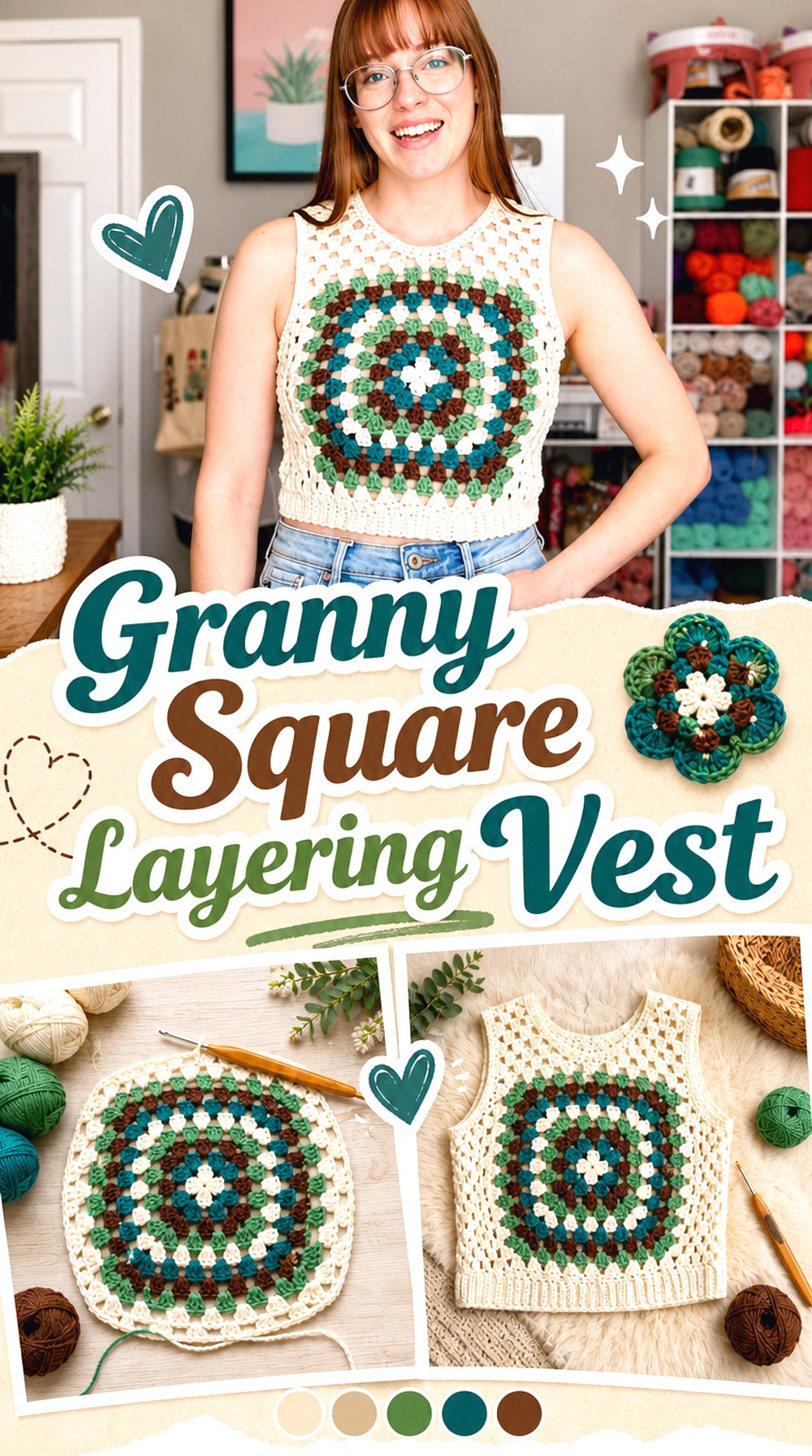
A granny square vest provides the color and texture of a patchwork garment without the sleeves of a full cardigan. This can make the project quicker to finish and easier to layer over shirts, dresses, and lightweight sweaters.
Arrange the squares before joining so you can plan the neckline, armholes, width, and color placement. Add or remove squares to change the size, but keep the front and back sections balanced. A clean border around the armholes and opening will help the finished vest look polished.
Best for: A colorful layer that can be worn across several seasons
Style idea: Keep the border in one solid shade to bring different square colors together.
Elegant Lace Crochet Shawl
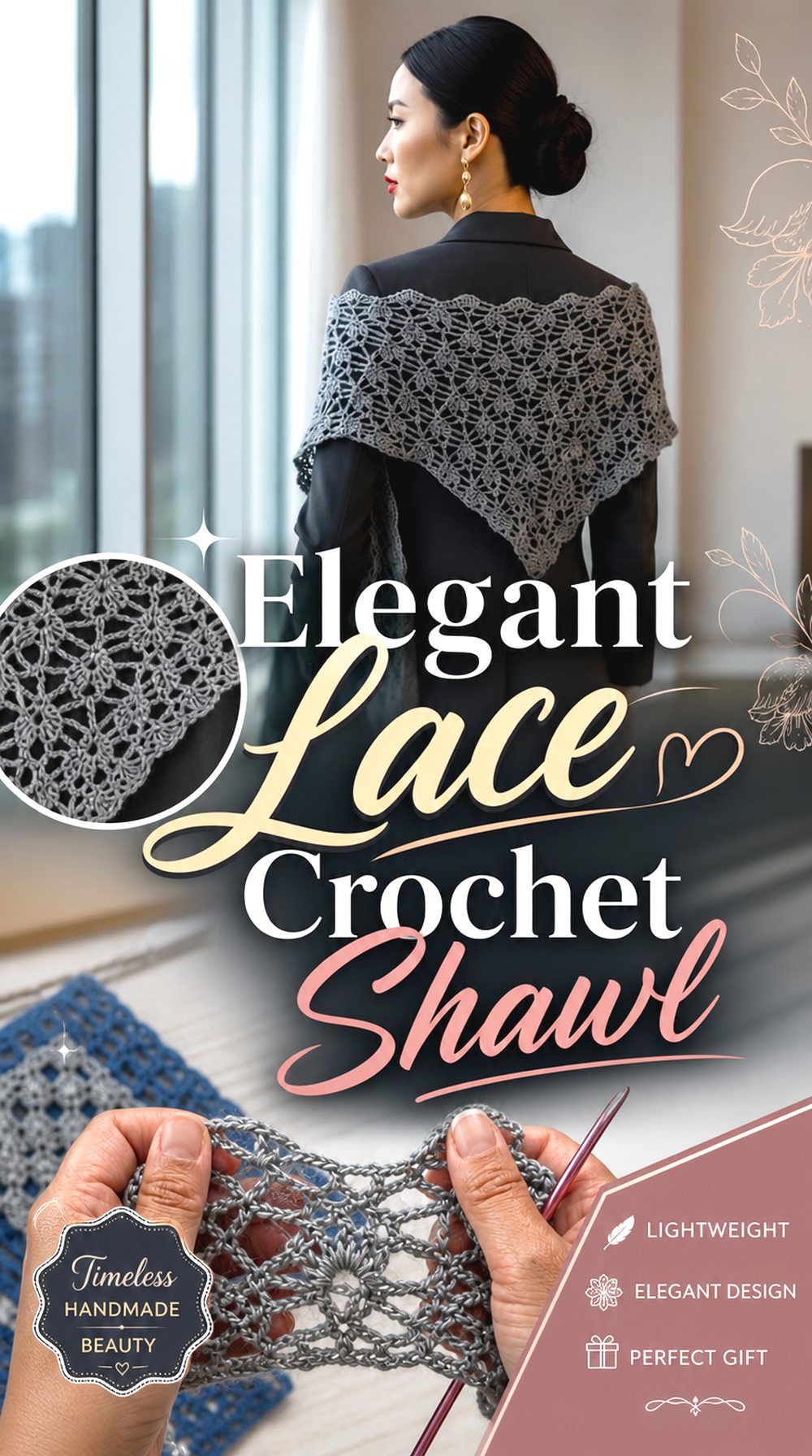
A lace shawl is one of the most flexible pieces in this collection. It can be wrapped closely around the shoulders, worn loosely over a dress, or folded and carried for cool evenings.
The selected tutorial includes row-by-row guidance and crochet diagram support. A smooth lightweight yarn will make the lace easier to see and help the finished shawl drape gracefully. Blocking is particularly useful for openwork because it helps define the repeated sections and straighten the edges.
Best for: A graceful layer with flexible styling
Style idea: Choose a single muted color so the lace pattern remains the main feature.
Helpful Tips for Better Crochet Wearables
Measure a similar garment from your wardrobe before starting. This gives you a useful reference for width, length, arm openings, and overall ease.
Check your work regularly instead of relying only on the starting measurements. Crochet fabric may stretch differently depending on the yarn, hook, and stitch pattern.
Avoid making foundation chains and finishing borders too tight. Tight edges can pull around the neckline, sleeves, or front opening even when the main fabric fits correctly.
Finally, follow the care instructions printed on the yarn label. Lay shaped garments flat to dry when needed so they do not stretch unevenly under their own weight.
Conclusion
These crochet breezy layering ideas offer several ways to prepare for the changing weather without moving directly into heavy winter clothing. A capelet or bolero provides compact shoulder coverage, while ponchos and shawls create a relaxed fit. Cardigans give you a more complete outer layer, and crochet vests add texture while leaving the arms free.
Choose the project that matches the amount of coverage you need, the time you have available, and the type of garment construction you feel comfortable trying. Careful measurements, a useful swatch, and regular fitting checks will make any of these handmade layers more comfortable and wearable.
Frequently Asked Questions
Which crochet layer is easiest for a beginner?
A one-rectangle poncho or one-panel shrug is a sensible starting point because both use straightforward fabric construction with limited shaping.
What yarn works best for early autumn crochet layers?
Cotton blends work well during mild weather, while smooth acrylic and acrylic blends can provide more warmth. The final choice depends on the stitch pattern and how heavy you want the garment to feel.
How do I stop a crochet garment from becoming too large?
Make a swatch, measure it, wash it according to the yarn label, and measure it again. Also check the garment against your body regularly while crocheting.
Should a crochet layering piece fit tightly?
Most light layers need some ease so they can sit comfortably over other clothes. Boleros may have a closer fit, while ponchos, cardigans, and shawls usually look better with more room.
Do crochet wearables need blocking?
Not every project requires heavy blocking, but gentle blocking can improve the shape, settle seams, straighten edges, and open lace or granny square designs.
Which project is best for using several yarn colors?
The patchwork cardigan and granny square vest are the strongest choices because their separate motifs make it easier to arrange several coordinated colors.